


Project-Based Learning
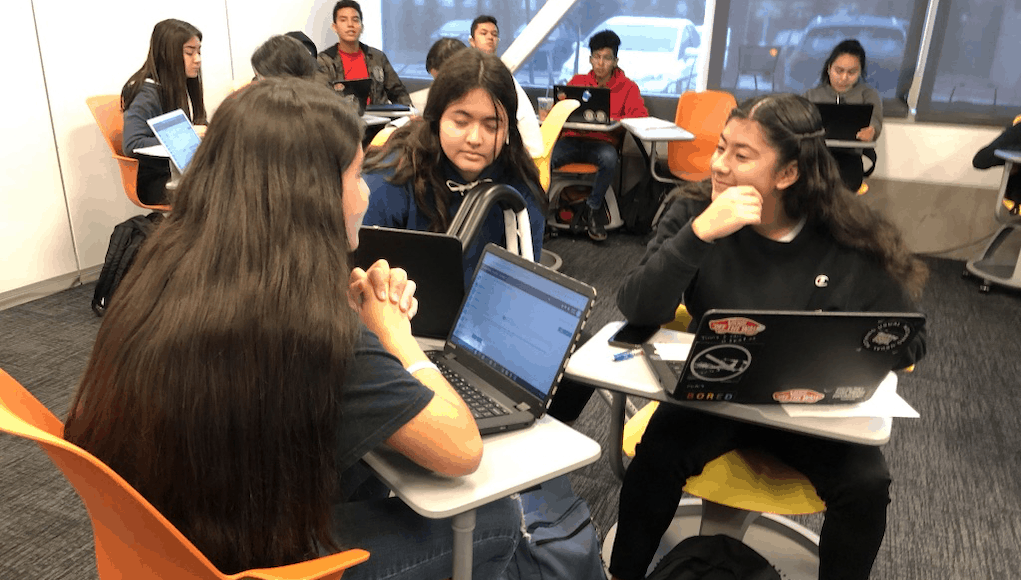
STEM Projects in Active Learning Spaces at Samueli Academy
“If they know we care, they respond,” said Anthony Saba, Executive Director at Samueli Academy in Santa Ana. He’s learned that “You can’t have good academics without a strong culture.” A culture of trust, respect, and hard work is evident in every classroom at Samueli Academy.

Cultivating An Innovation Mindset in the Classroom
According to GenDIY, people who have innovation mindsets possess qualities such as “perseverance, initiative, collaboration, tenacity, and curiosity.” How can classroom teachers give students opportunities to develop an innovation mindset and build these important skills? Jamie Back offers a few ideas.
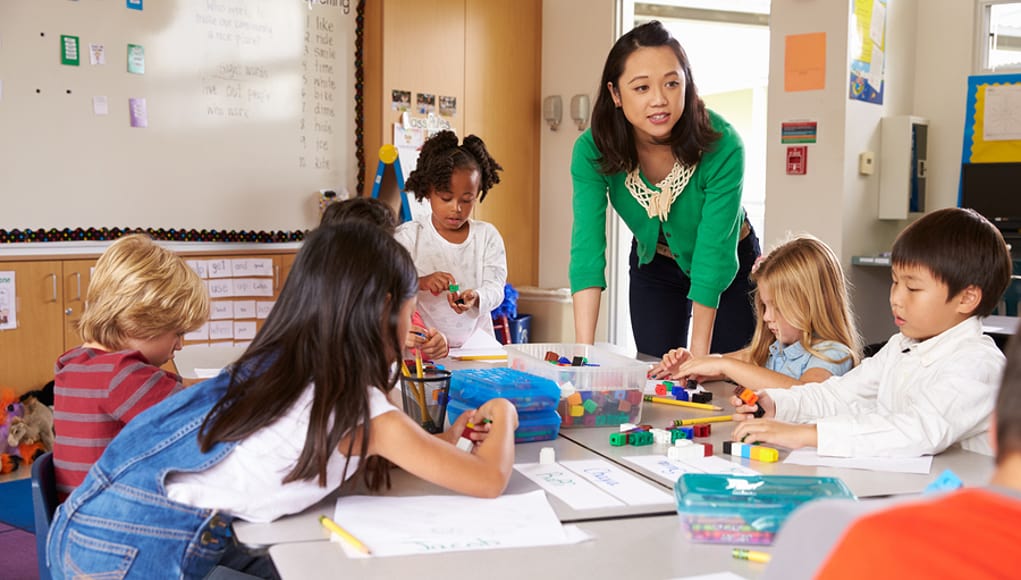
Reggio Emilia: The Future of Learning Has Roots in the Past
By: Beth Holland. Numerous current initiatives focus on creating personalized learner experiences through modern trends such as high-quality project-based learning (HQPBL) and design thinking. However, this pursuit to deliver learning that fuels each whole child has its roots in the Reggio Emilia Approach that Loris Malaguzzi first envisioned in the 1940s.
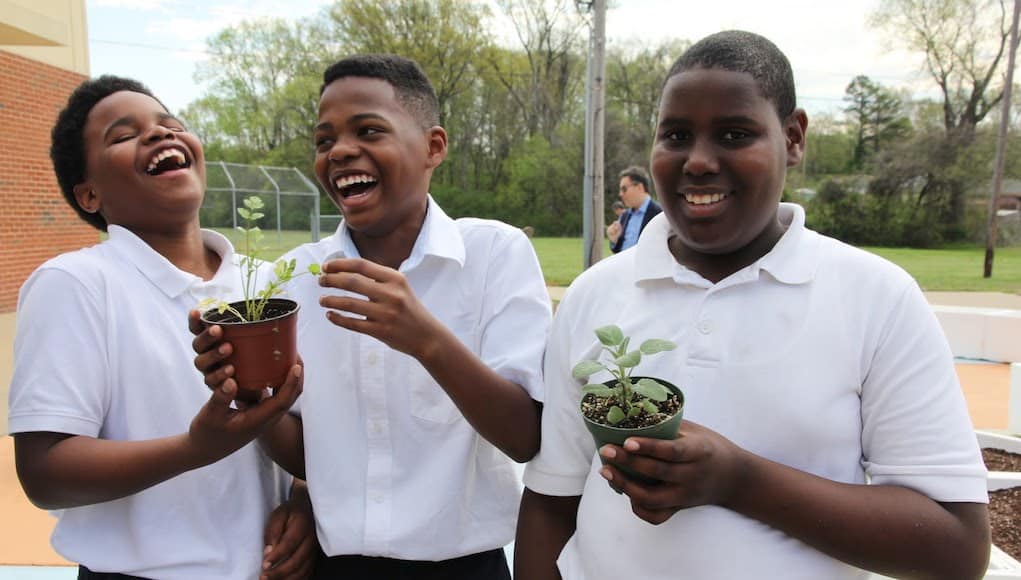
Learning Gardens Provide Equity, Access and Great Food
Caroline Vander Ark has long appreciated community and school gardens but worried that they often didn’t connect to student learning and create a lasting impact. However, when she heard about the work of Big Green she was intrigued and reached out to Kate Waller, who manages their national growth to learn more.
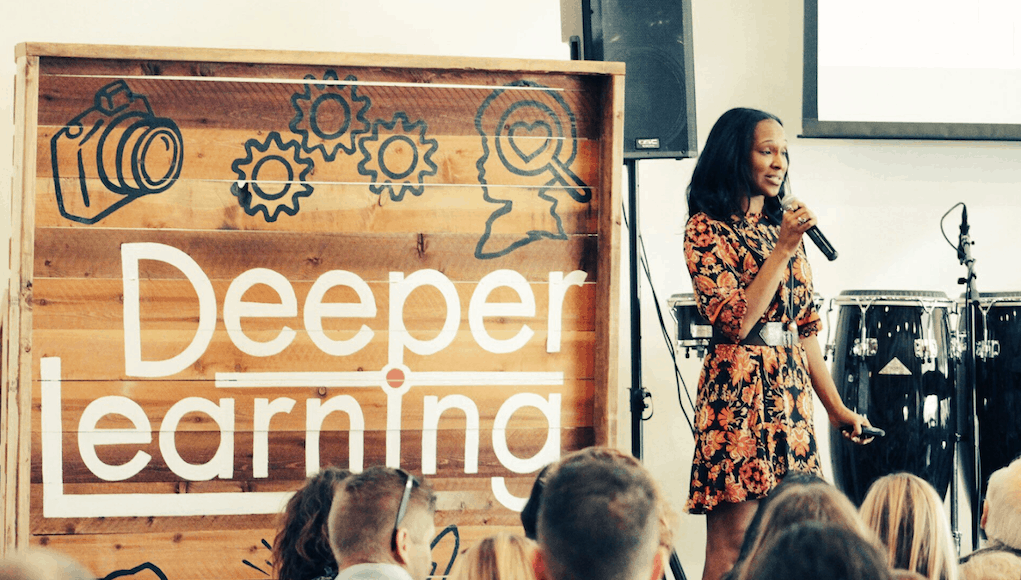
Brain Research, Creativity and Project-Based Learning
Does brain research support the belief that if you want to produce a student outcome such as creativity you first must build a classroom culture in which creativity can grow and then you must adopt a pedagogy (like PBL) that allows it to bloom? David Ross explains.
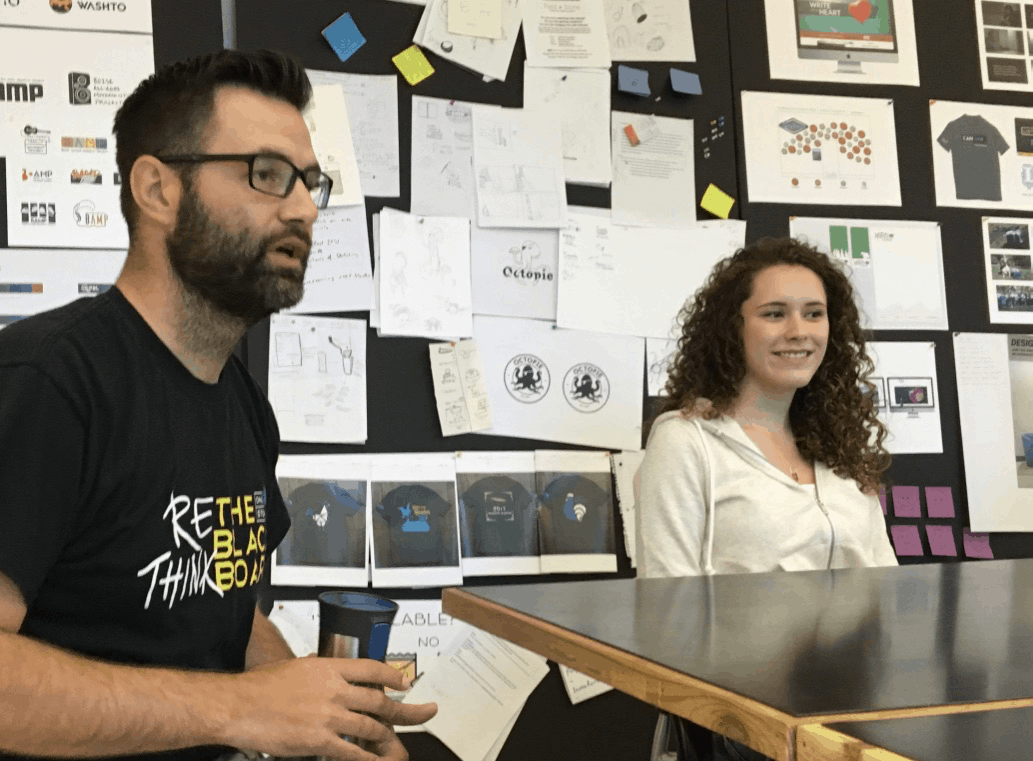
Good Enough? Helping Young People Develop a Picture of Good Work
High expectations are an important part of a school model, culture and community. Here are several examples of schools and programs that are helping students learn to deliver on professional grade expectations.
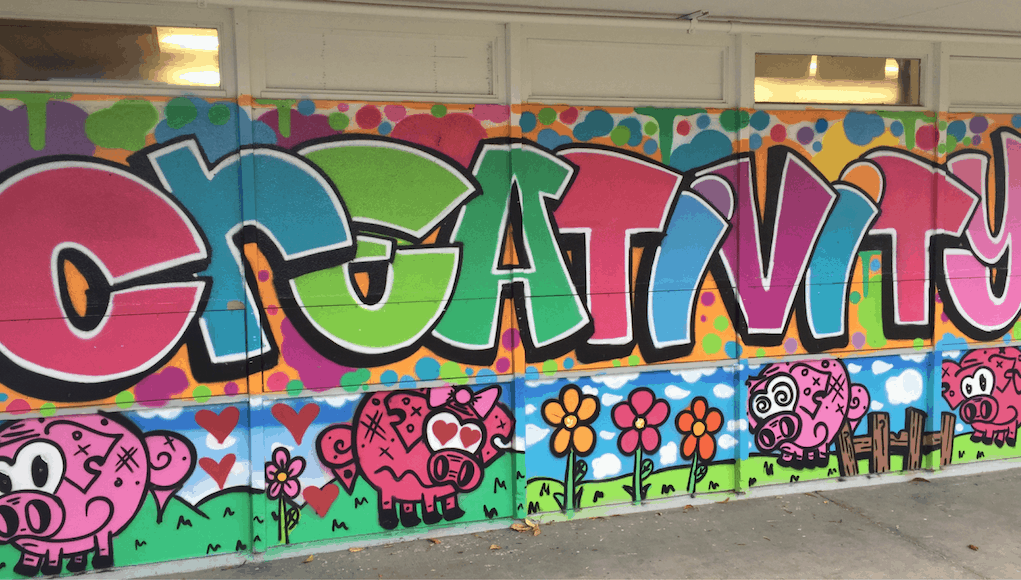
A Year in Review: High-Quality Project Based Learning
As we look back, it is evident that project-based learning not only increases student engagement, it helps students develop academic and social and emotional skills for life and careers. Over the year, we visited 8 schools where students are having HQPBL experiences, here is what we discovered.

Top 20 Posts from 2018
2018 is coming to a close. We're reviewing everything we've learned and experienced this last year in preparation for 2019.
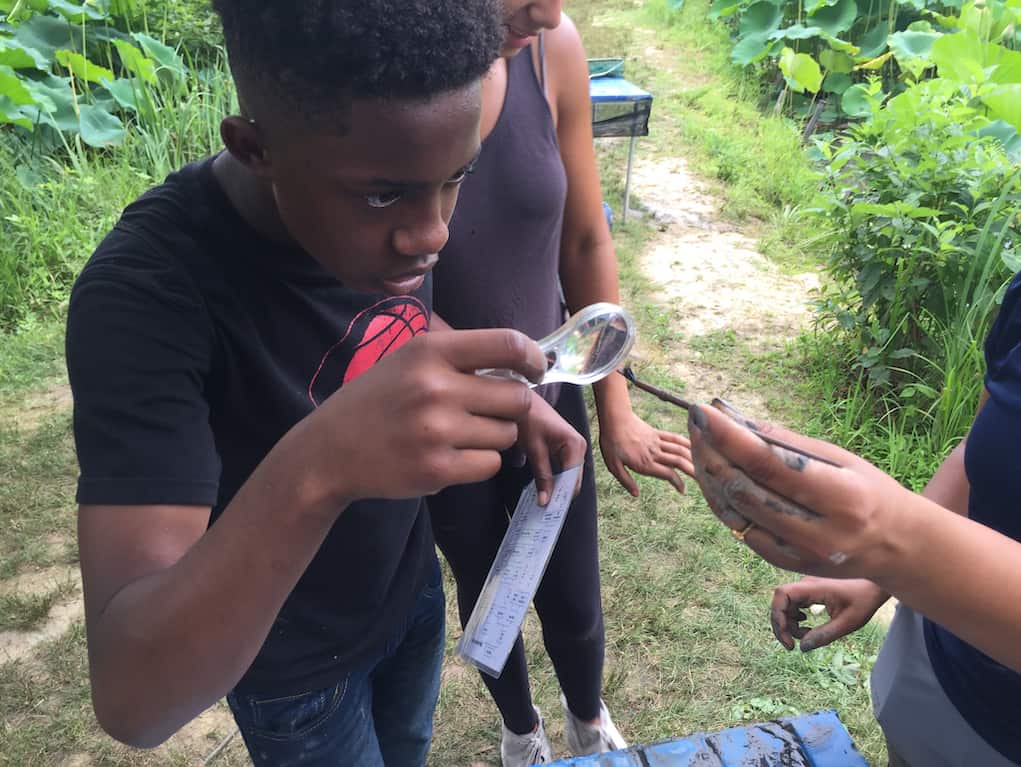
Why Experiential Education?
To contribute now and in the future, young people deserve experiential learning--community connected challenges that build agency and collaboration, that cross disciplines and result in public products that make real contributions. Here's why experiential learning matters and five primary benefits.
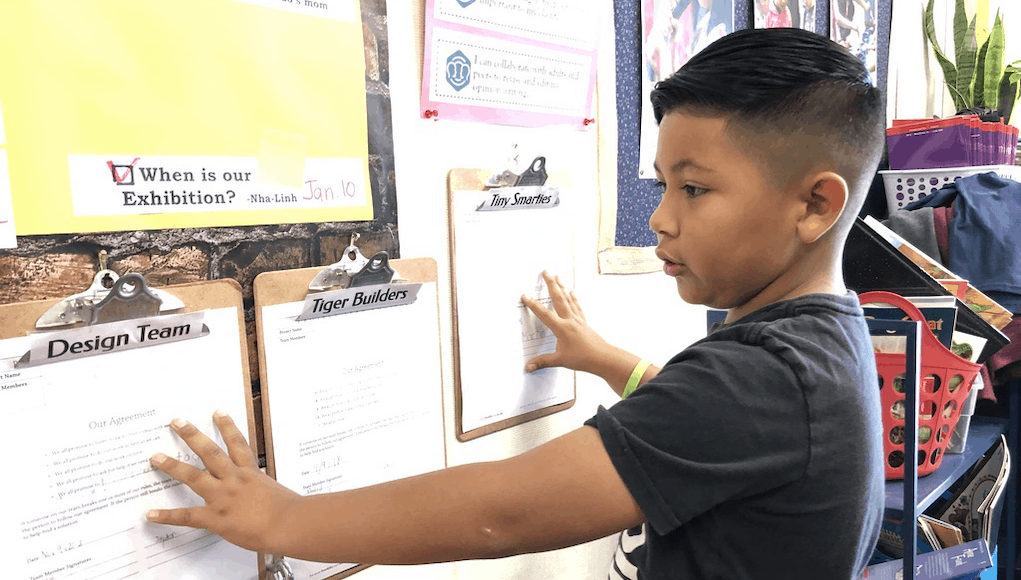
Project-Based Schools Close Silicon Valley Gaps
Tom and Emily recently visited several schools in Silicon Valley. Dive in to see how high challenge communities are responding with personalized and project-based learning.