

Project-Based Learning
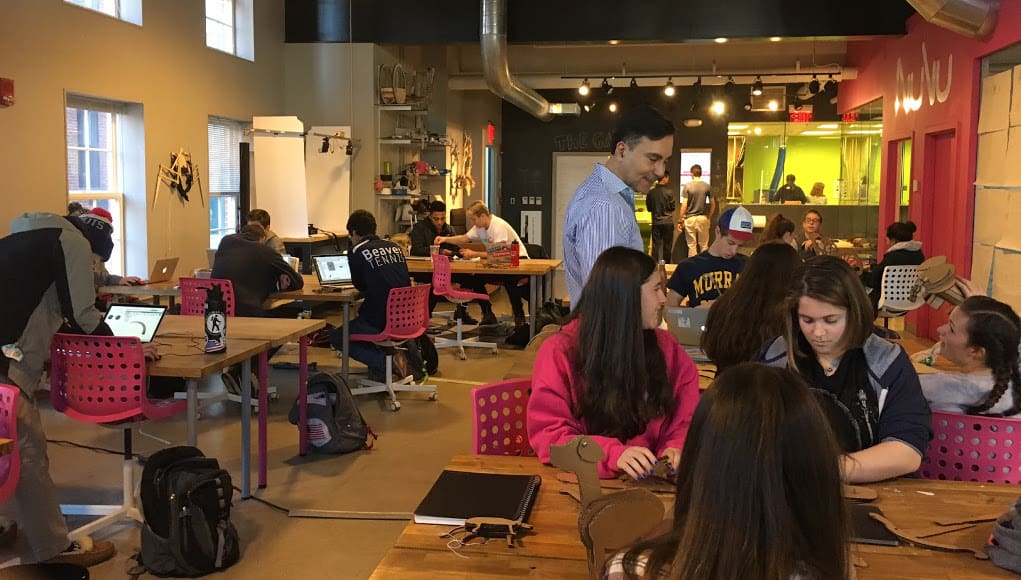
Studio-Based Learning and Self-Directed Students at NuVu
Learn more about how NuVu, an innovation school located in Massachusetts, implements a studio-based learning model that provides students the opportunity to problem-solve through creating and building.

All Youth Deserve Performing Arts Experiences–They Promote Agency, Empathy, and Project Management
Performing arts offer opportunities for students to learn lifelong skills that go beyond performance. Theatre is a solution rich, deeper learning experience that provides opportunities for problem-solving, empathy building and project management. Read more on why these experiences matter for youth.
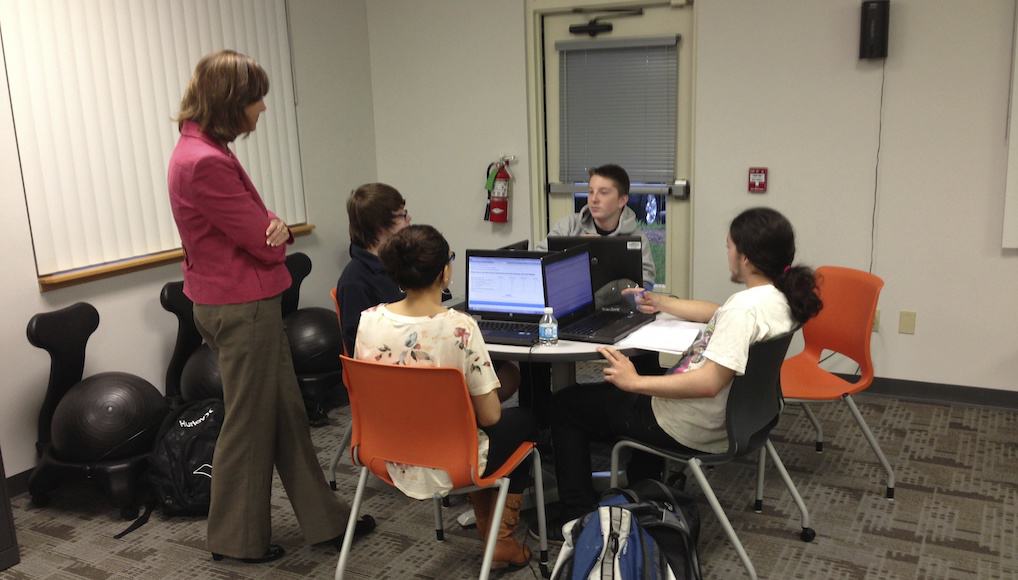
5 Ways to Personalize Learning with Project-Based Learning
Michael Niehoff discusses how we can use personalized learning in a more deeper learning pursuit, such as project-based learning.

Bad Bargain: Why We Still Ask Kids to Factor Polynomials and How We Fix It
Algebra has become an inequitable barrier to college and career. It’s time to stop making learners factor polynomials. It’s time to start using computers for what they’re good at--crunch big data sets. Stop asking young people to manipulate systems and start asking them to solve real problems.
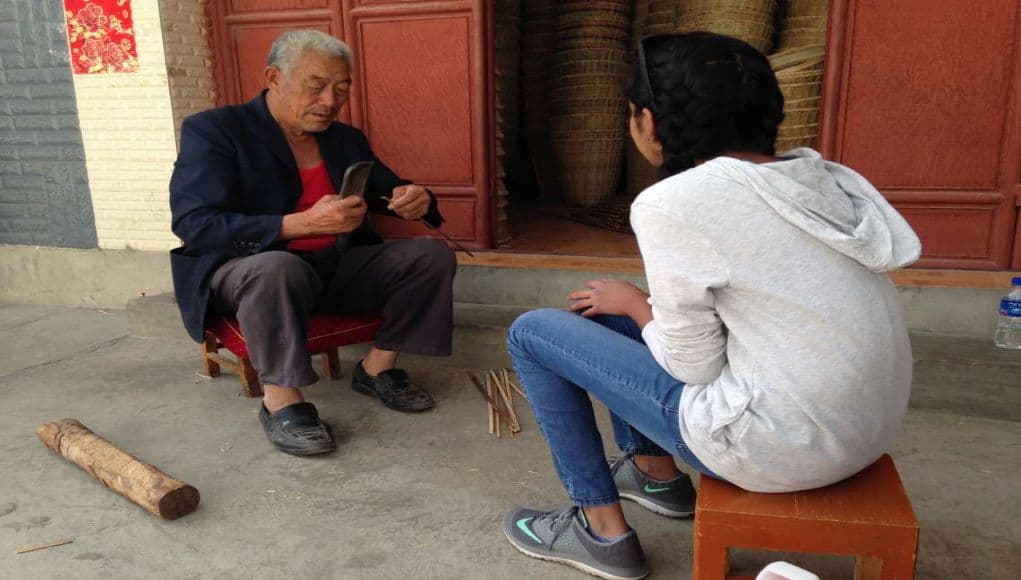
Is the “Place” in Place-Based Learning Enough?
Place-based learning should be a comprehensive framework and process with clear learning outcomes and curriculum goals to ensure a meaningful experience and support student growth outside the walls of the classroom.
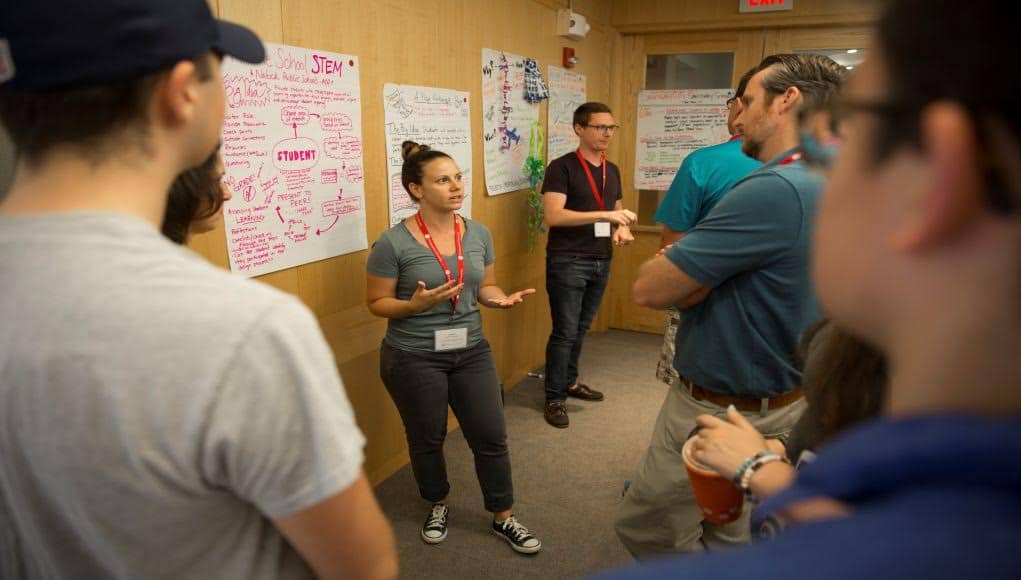
The Future of Learning, What’s NExT?
Northeastern University's NExT network delivers their vision of making experiential education accessible to learners at all levels. Join them in Seattle on March 16th!
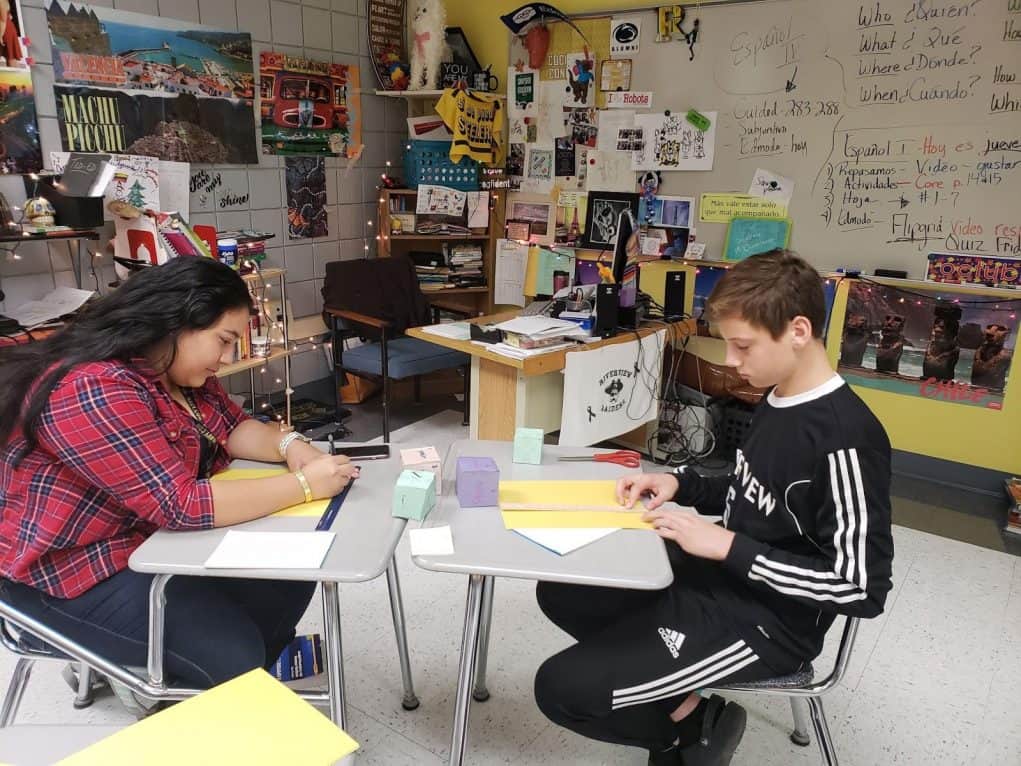
Fostering High Quality Student Experiences through Projects
Project-based learning means going beyond assigning projects and instead, promoting student agency by having students drive their learning.
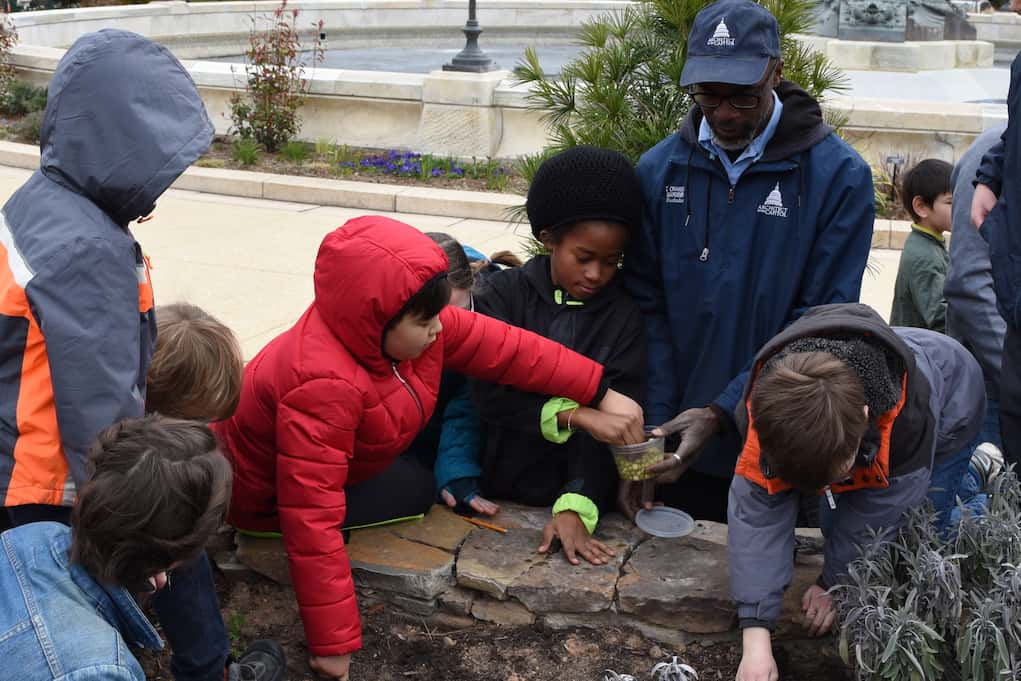
Building Student Civic Engagement through Sustainability Education
By: Anisa Heming. The need for student-centered sustainability education is becoming clearer by the day. Young people who understand and can respond to changes in our natural environment and the stresses they place on our communities will be leaders now and in the future.
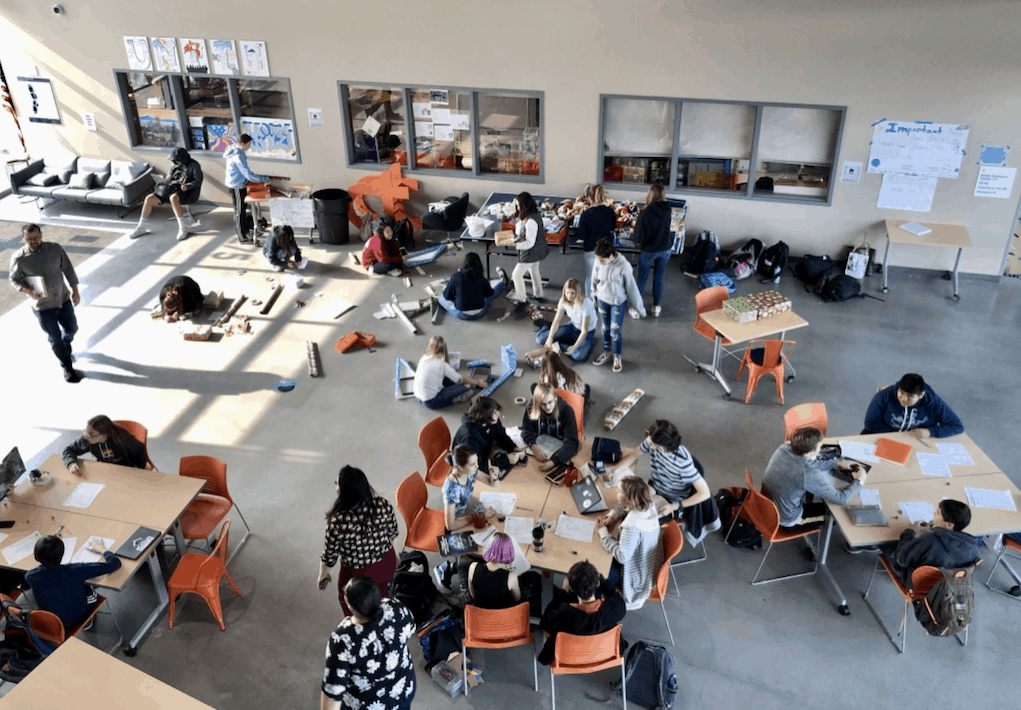
New School Formula: Harder Problems and Fewer Answers
Artificial Intelligence will have more influence on the livelihoods of young people over the next several decades than any other factor. To contribute now and in the future, they will need extended challenges that encourage them to build agency while solving harder problems with fewer answers.

What if Students Designed Their Education?
There are many conversations today about 21st-century skills and what skills students may need for the future and how to drive their own learning. A look at how we could change the look of schools and learning as we all prepare for the uncertainty of the future of work and learning.