

Career & Technical Ed

By: Dr. David R. Schuler. A superintendent shares his district’s innovative approach to preparing students for the jobs of the future.
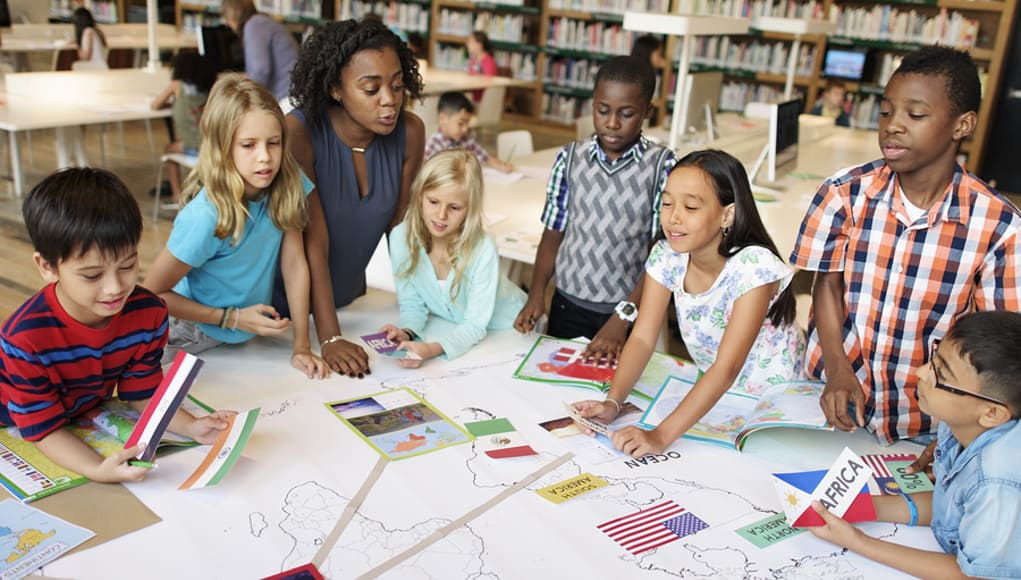
By: Dr. M. Jones-Carey. Creating a global mindset is as simple as refocusing project-based learning, makerspaces and STEM in your classroom.
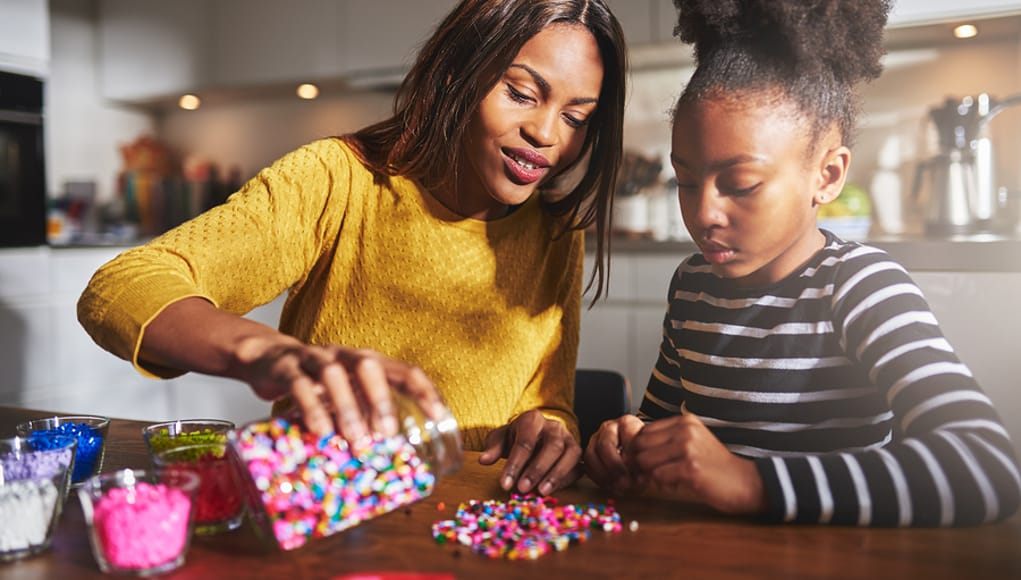
A Gallup study on the state of creativity in America’s schools revealed that opportunities are neither ubiquitous nor equitably distributed.

Check out our 2020 list of 31 worldwide education conferences we believe will be valuable opportunities for educators, leaders, startups and policy-makers to learn from and engage with each other.
By: T. Tarango. This is how to assist your students in positively impacting the world and how to inspire purpose-based learning in your classrooms.

Our team would like to take a moment to break from our regularly scheduled content to express our sincere gratitude for all that we have.

By: A. Parsi. The inclusion of students with disabilities has come a long way. It's time to push for inclusion in 21st-century learning systems too.
Getting Smart is grateful for educators around the world that promote student-centered learning experiences. We’ve compiled 20 teacher behaviors that are making a positive impact in the lives of students and saying thanks.
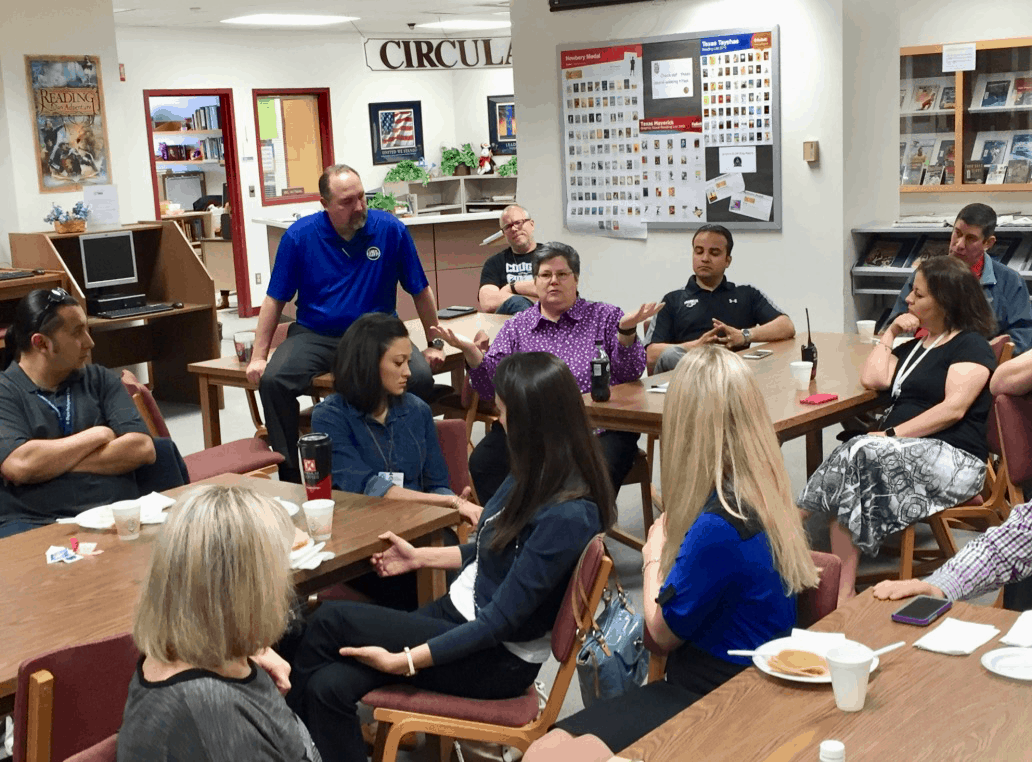
For educators itching to innovate, there are five tips that will build support and mitigate risk. They may slow you down initially, but it’s a case of go slow to go fast.
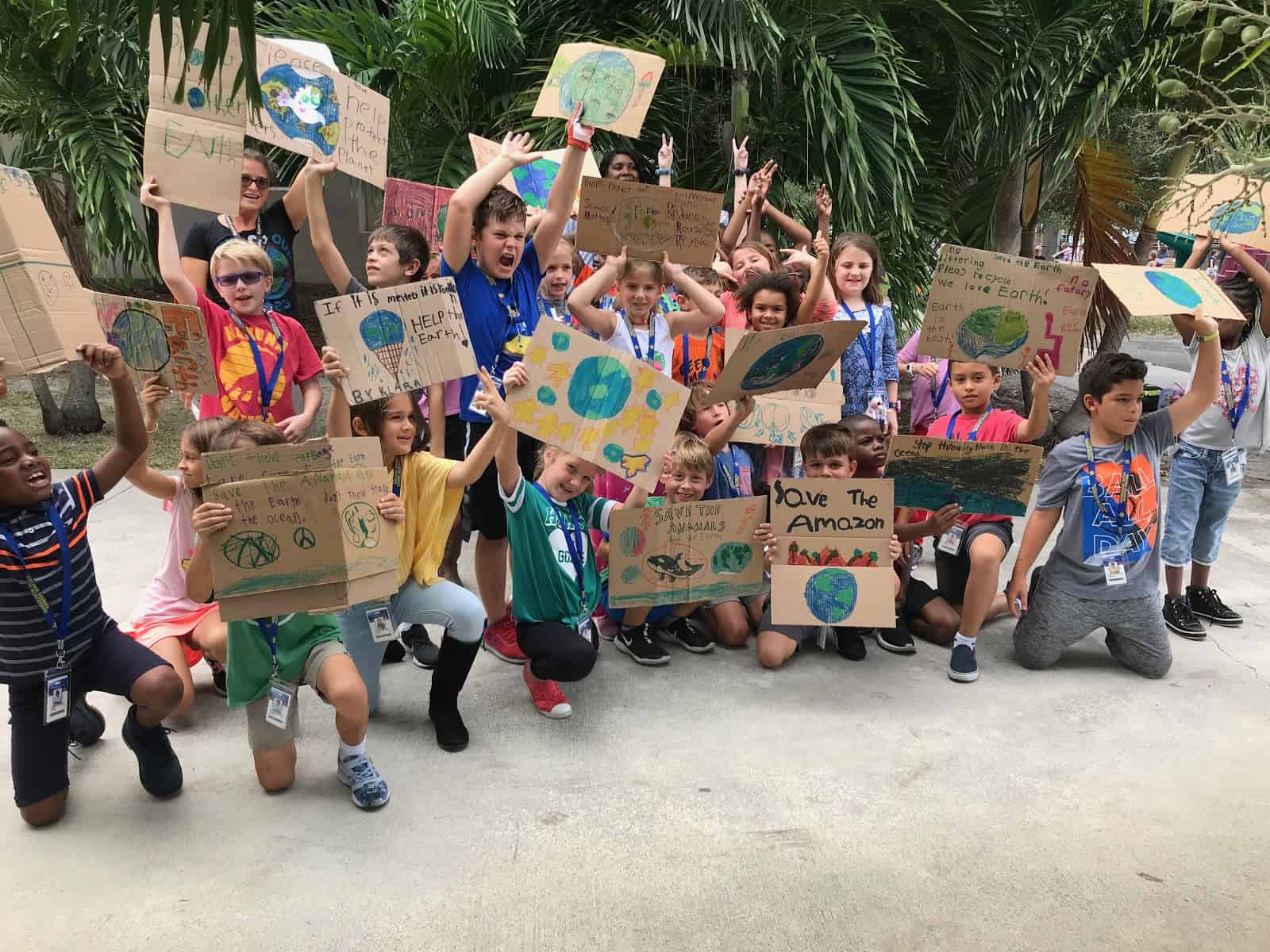
By: Kristen Thorson and Erin Gohl. Children should have the choice to contribute their voice to our social and civic dialogue. Here’s how teachers and parents can create a space for kids to develop their thoughts, share their opinions, and take action.