

Career & Technical Ed

The pandemic broke some old conventions and accelerated other trends. One convention that, for many tech employers, fell by the wayside was requiring degrees for every position. A trend that accelerated during the pandemic was skills-based hiring. For decades, degree requirements have been added to more and more jobs. The…

Two educators use punk rock to create classrooms and schools where students are engaged, invested, and ultimately have ownership of what happens at school.
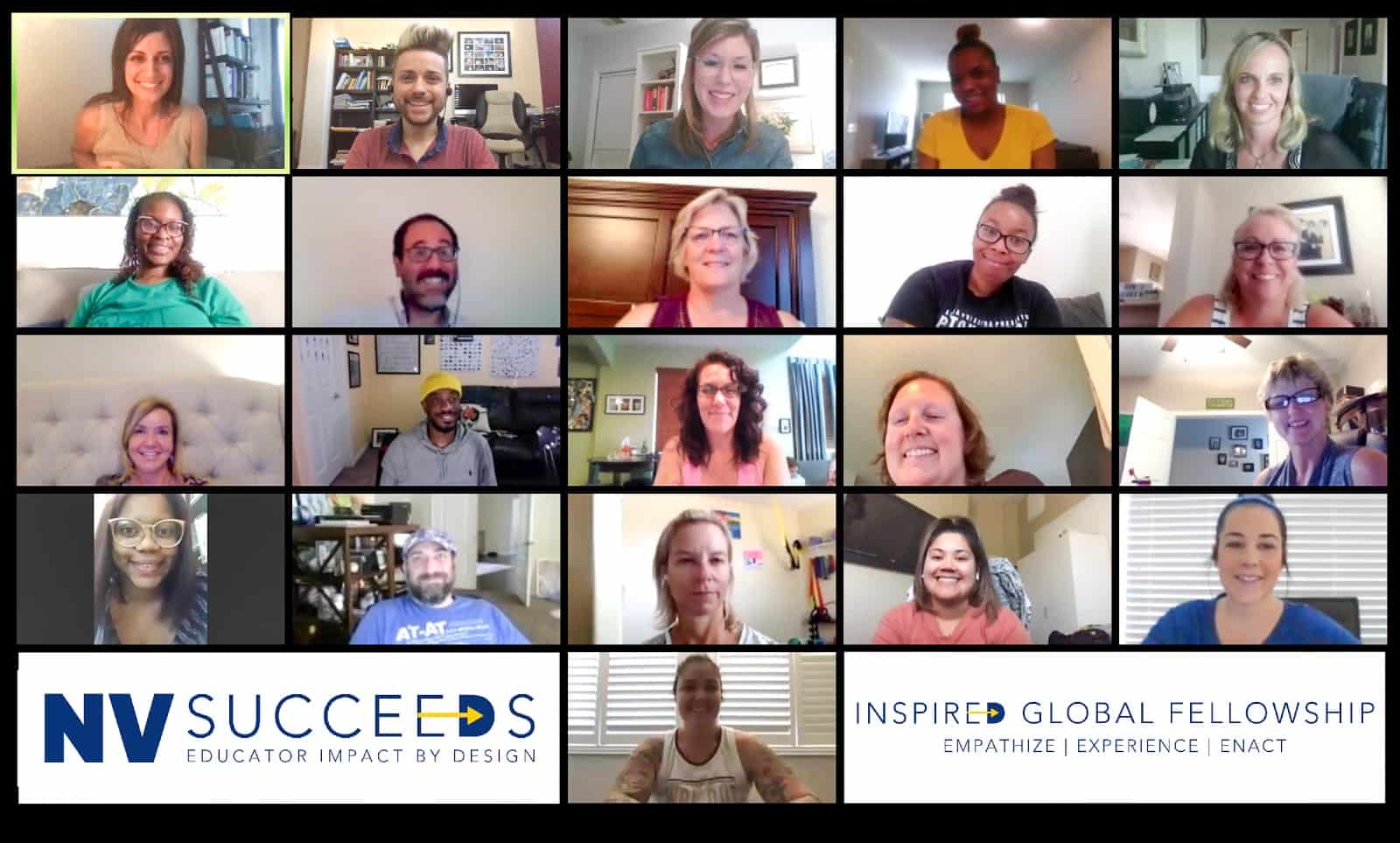
By: Jeanine Collins. Jeanine shares how the InspirED Global Fellows pivoted to a virtual program due to the pandemic but they remain focused on prioritizing 21st-century learning.
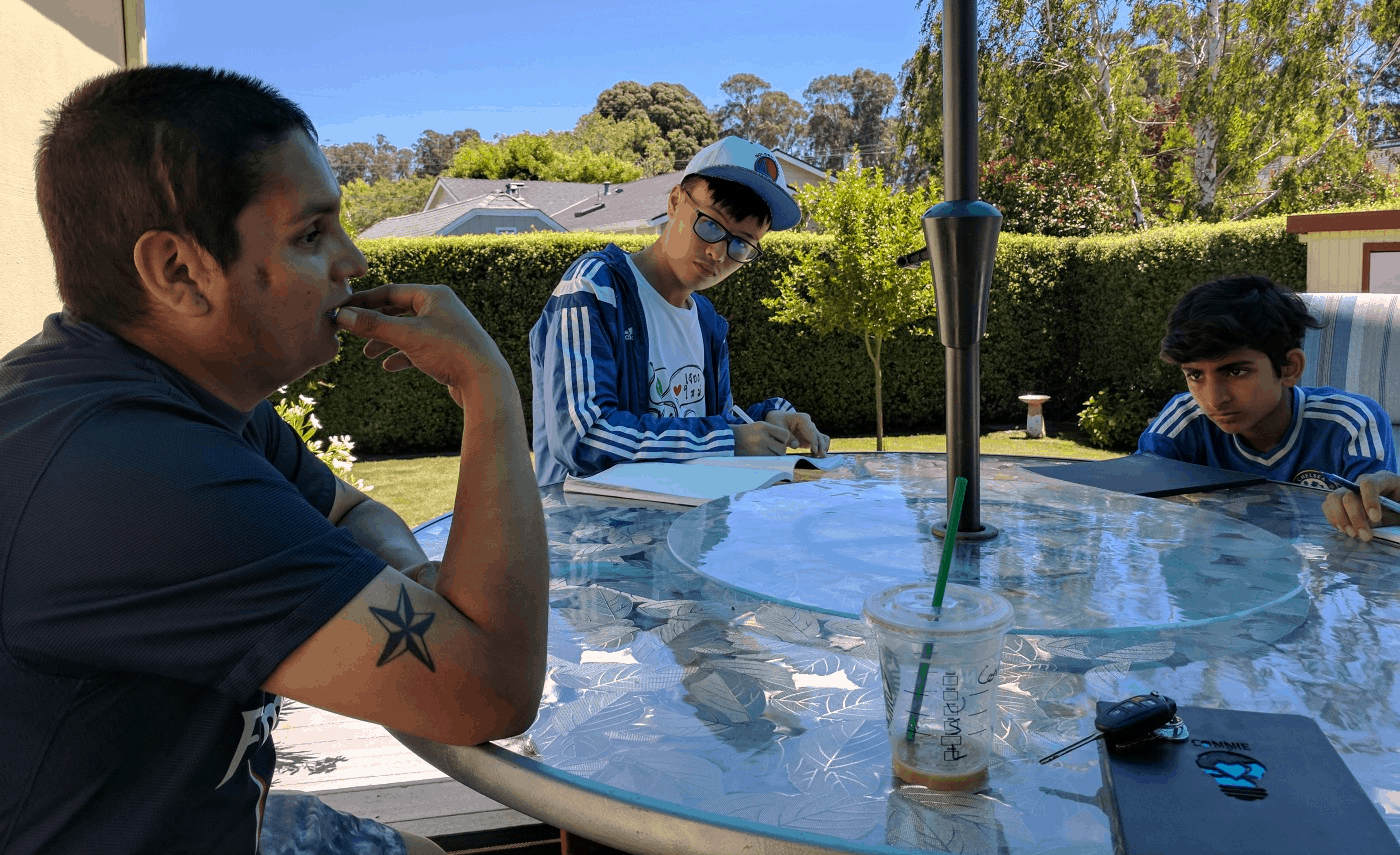
By: Connie Liu. Connie discusses the 4C’s framework, the skills that are most important for student success, and are principal components of becoming a 21st-century learner.

Rachelle Dene Poth shares four ways for educators to focus on self-care and find balance.
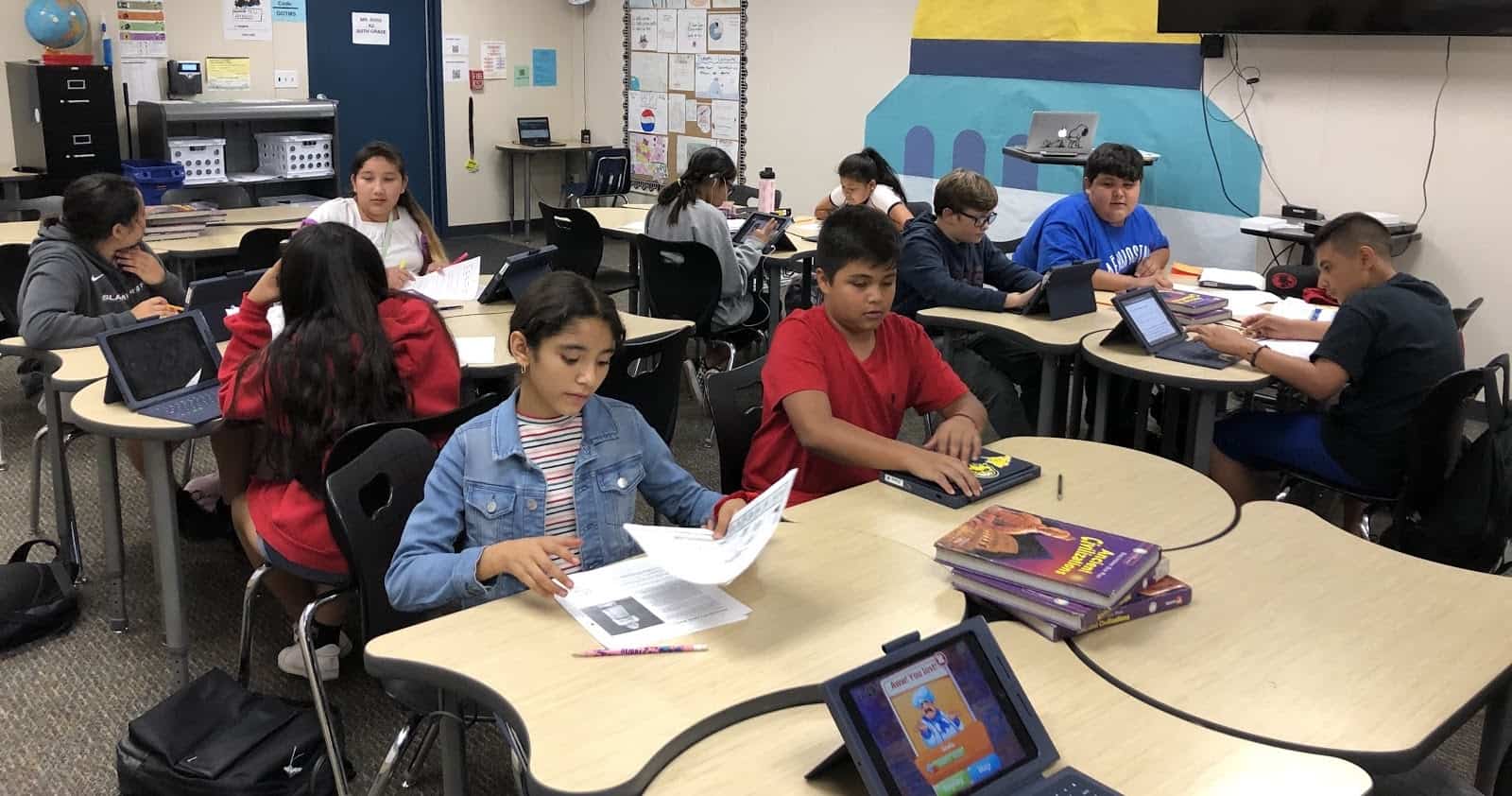
David outlines a new vision for the teaching and assessing of 21st century skills that is anchored in cultural awareness and differing ways of expressing competence.
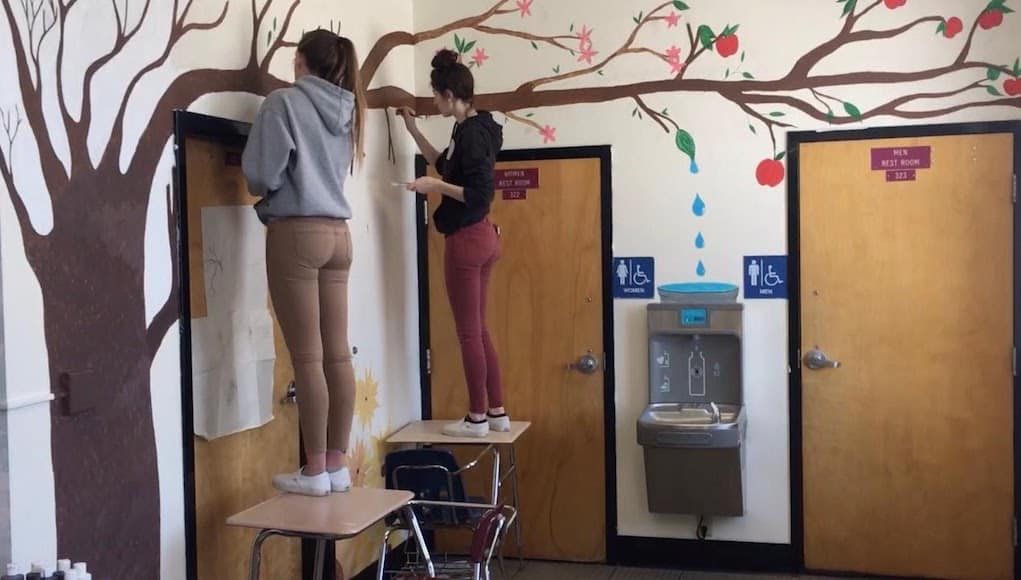
During J-term at Lyndon Institute, teachers teach something they are passionate about and let the students decide what they want to learn.

Staying connected is key during remote learning. Educators and families can utilize these digital tools to keep communication flowing.

Collaboration tools can promote student choice and extend learning to meet their needs. Here are 6 options for schools to consider.

Holacracy is a system for agile self-organizing. At District 51 change management was and is being facilitated by a holacratic structure.