

Project-Based Learning
(PBL) is an instructional approach where traditional, direct classroom instruction and tests are replaced by authentic, often interdisciplinary projects, usually designed by the student with guidance from instructors/coaches, addressing real-world problems as the assessment instead of a test. It also is closely related to deeper learning, challenge-based learning, interest-based learning and more.
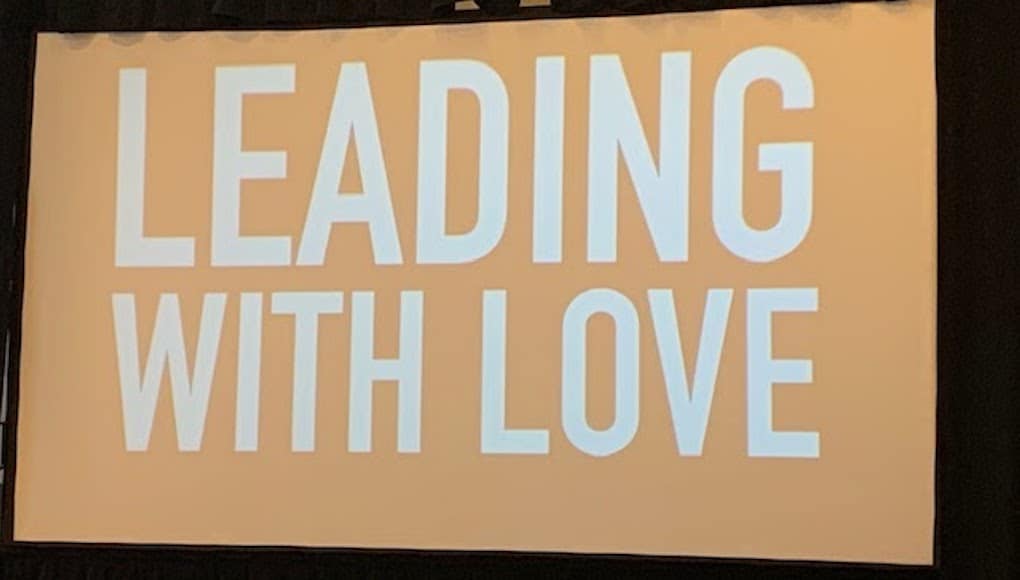
Leading with Love and Centering Student Voice: Big Picture Leadership Conference 2019
By: Rebecca Midles & Kelly Niccolls. Big Picture Leadership Conference is setting the standard for student-centered learning and leadership.
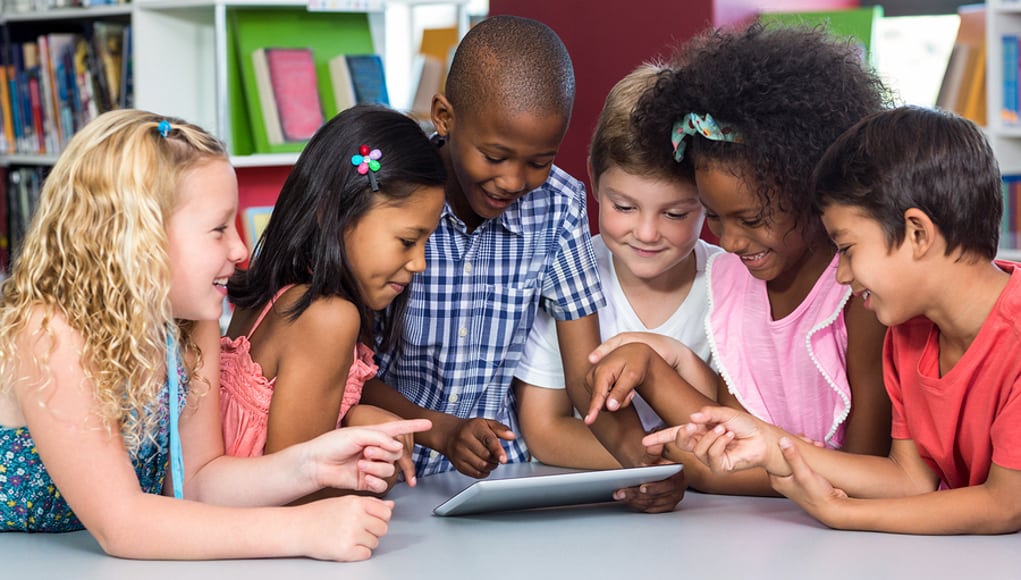
Teaching Technology, Digital Literacy as Global Competencies
We can use technology to have our students transform their world and the world at large by ensuring their digital literacy.
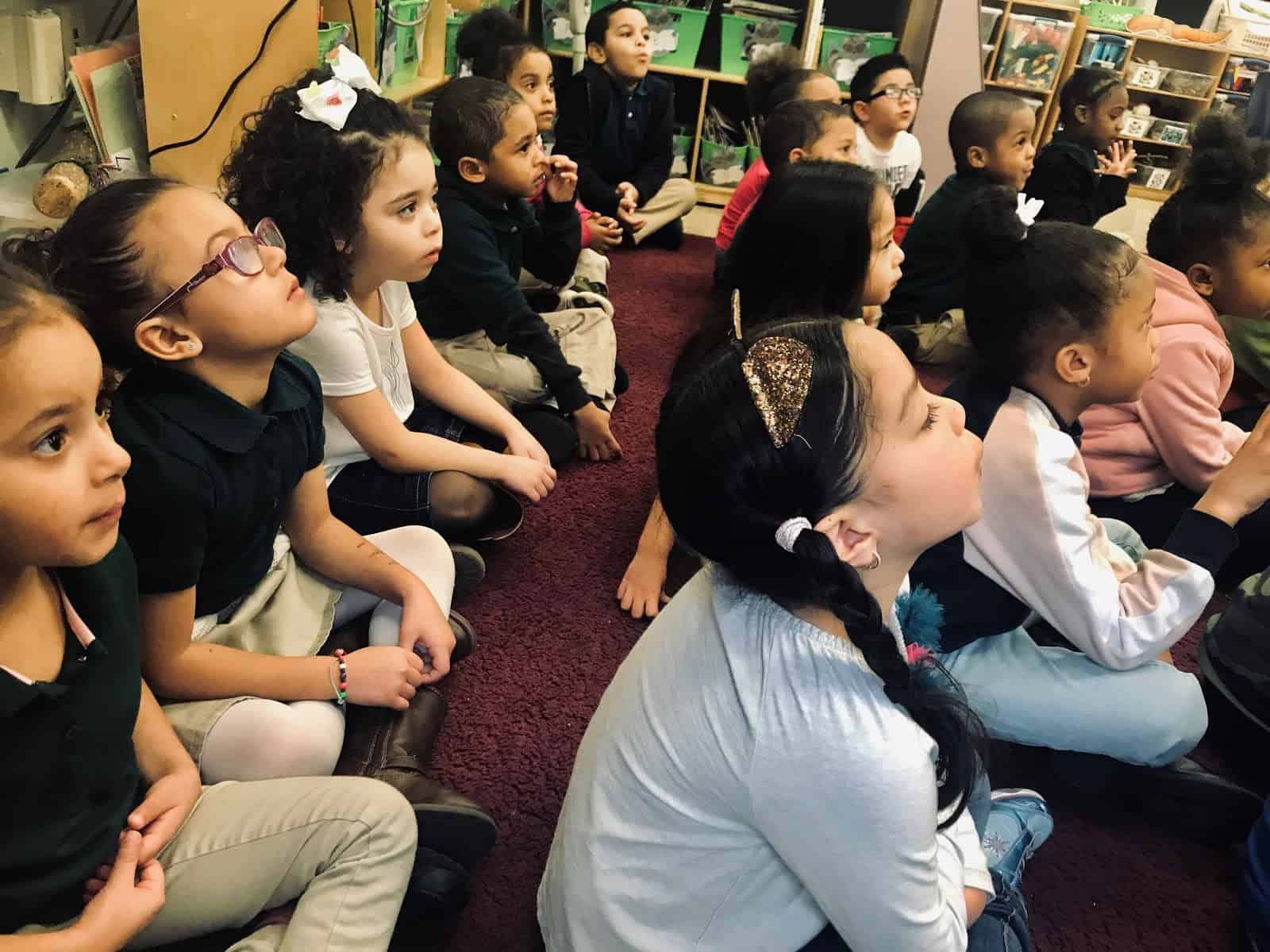
Never Too Young to Be An Activist
By: Liz Pitofsky. Service Learning Project (SLP) explains how they engage youth in organizing projects to solve problems in their schools and communities.

The Kansas City Area Real World Learning Initiative and Recognizing the Need for Change
By: B. Nicely. The Kearney School District Superintendent describes the role the Real World Learning Initiative plays in career success preparation.
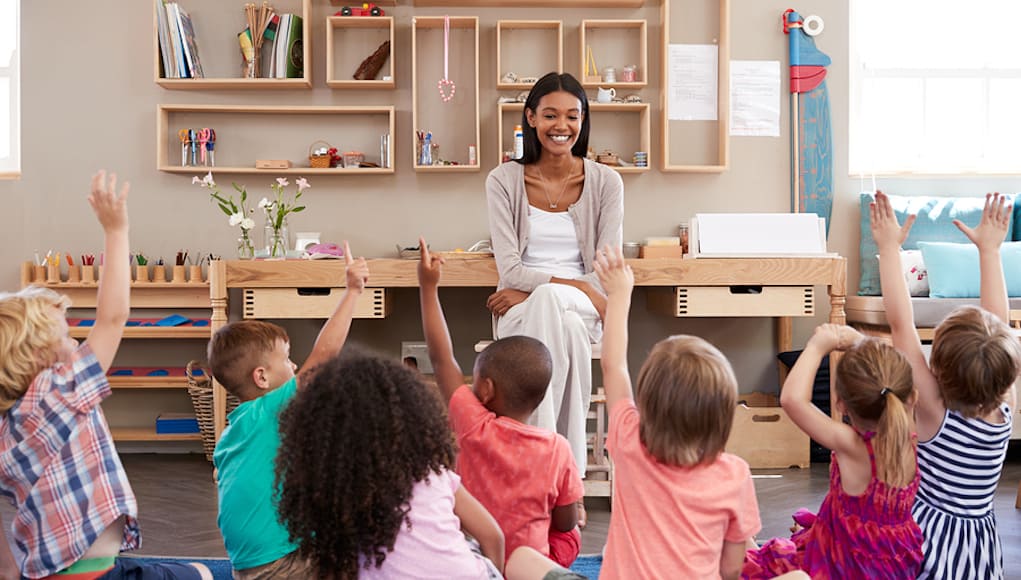
10 Inevitable Education Evolutions Educators Can Lead
If educators allow politicians, researchers, and pundits to take charge of the evolution in education, it will be delayed and implemented with less clarity. It’s time for teachers to be change agents, thus owning the profession.
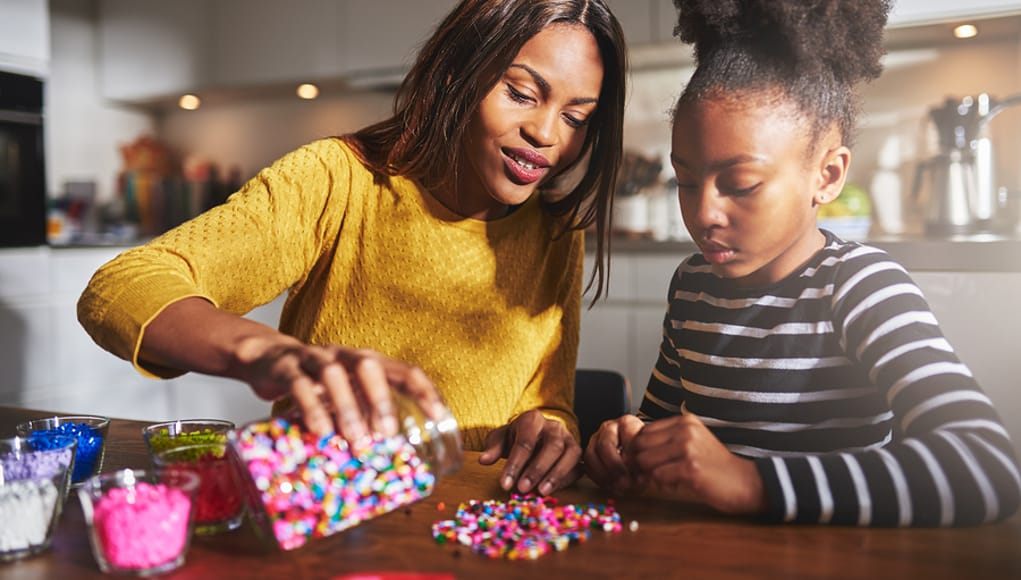
Creating Global Competence in Response to the 4th Industrial Revolution
By: Dr. M. Jones-Carey. Creating a global mindset is as simple as refocusing project-based learning, makerspaces and STEM in your classroom.
Why Making Time for Reflection Matters: 5 Ideas to Try
The art of reflection lets us evaluate our actions for more impactful teaching and learning. These five ideas can help make reflection part of your routine.
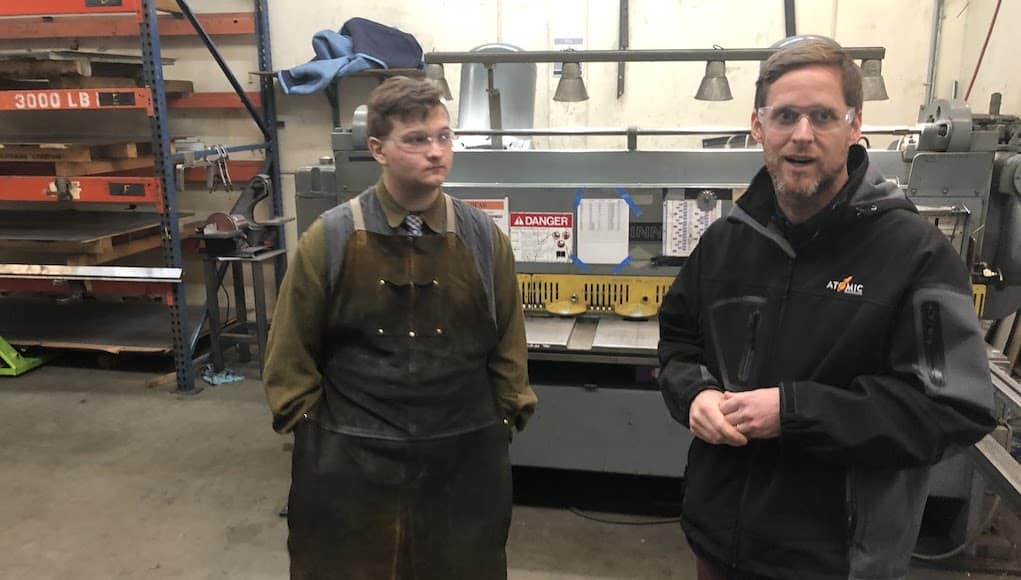
Work Experiences Are as Important to Career Prep as School
Work experiences can be as important as formal education (high school and college in particular) in terms of shaping career preferences and readiness.
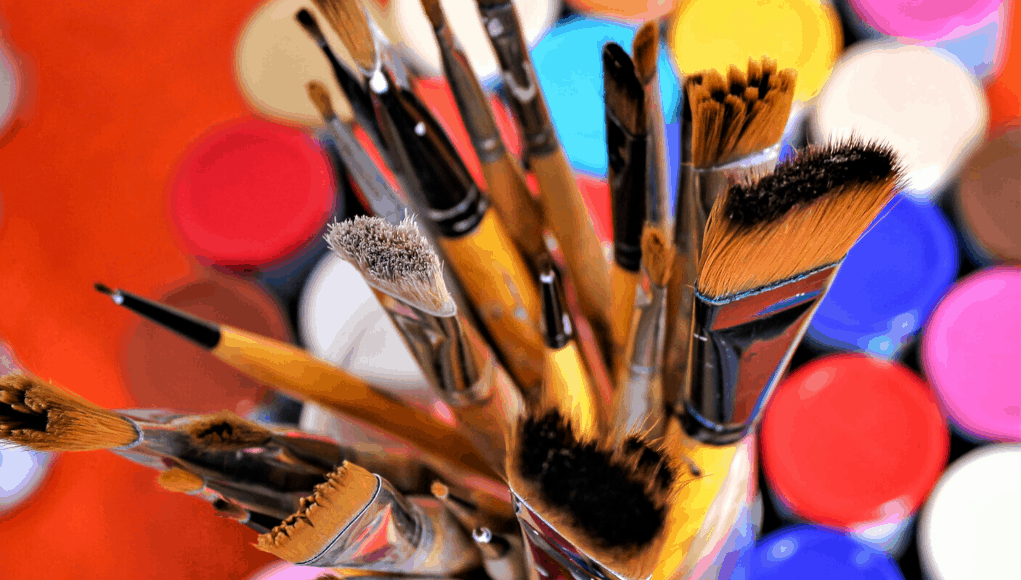
The State of Creativity in America’s Schools
A Gallup study on the state of creativity in America’s schools revealed that opportunities are neither ubiquitous nor equitably distributed.
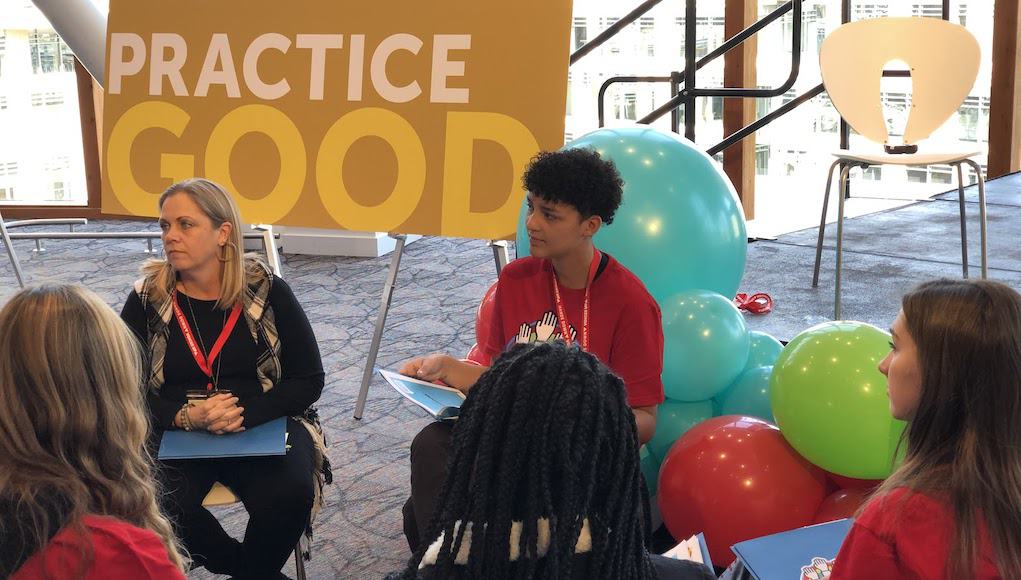
The Case for Contribution: Why Schools Should Empower Difference Making
In the absence of a religious community or as a supplement for encouragement toward the common good, schools can support contribution with great benefit.