


Place-Based Education
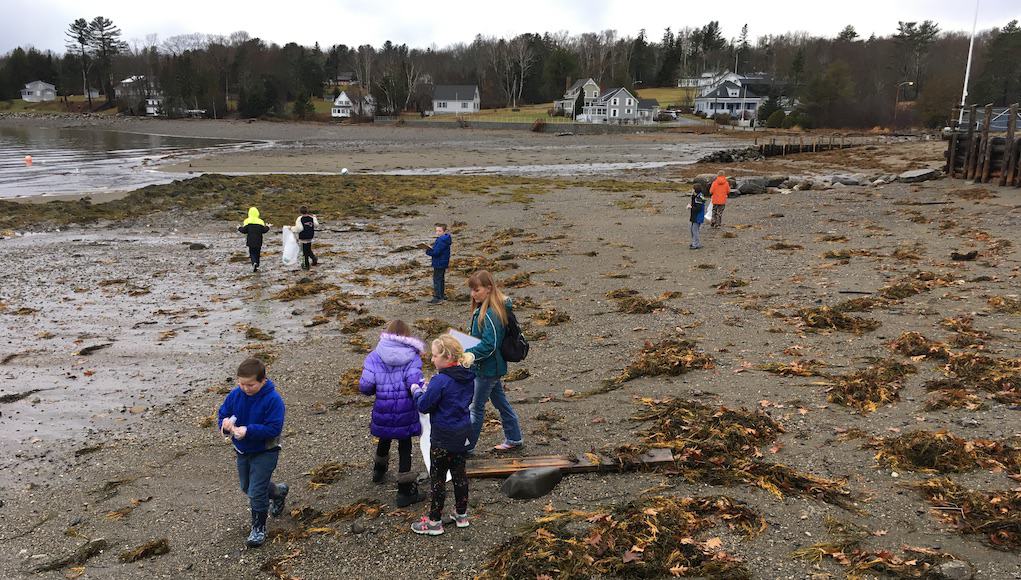
This Is What Tech-Supported Partnerships Can Do for Place-Based Ed
By: Frank McKay, Rebecca Clark Uchenna, and Alexandria Brasili. New technology partnerships engage students in Mississippi, Alabama and Maine in their place-based education projects.
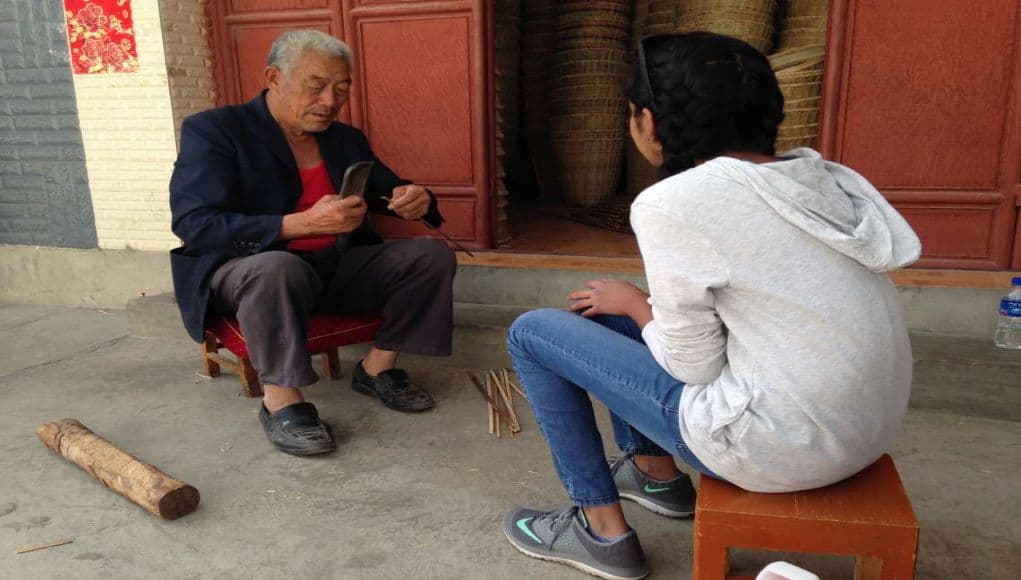
Is the “Place” in Place-Based Learning Enough?
Place-based learning should be a comprehensive framework and process with clear learning outcomes and curriculum goals to ensure a meaningful experience and support student growth outside the walls of the classroom.
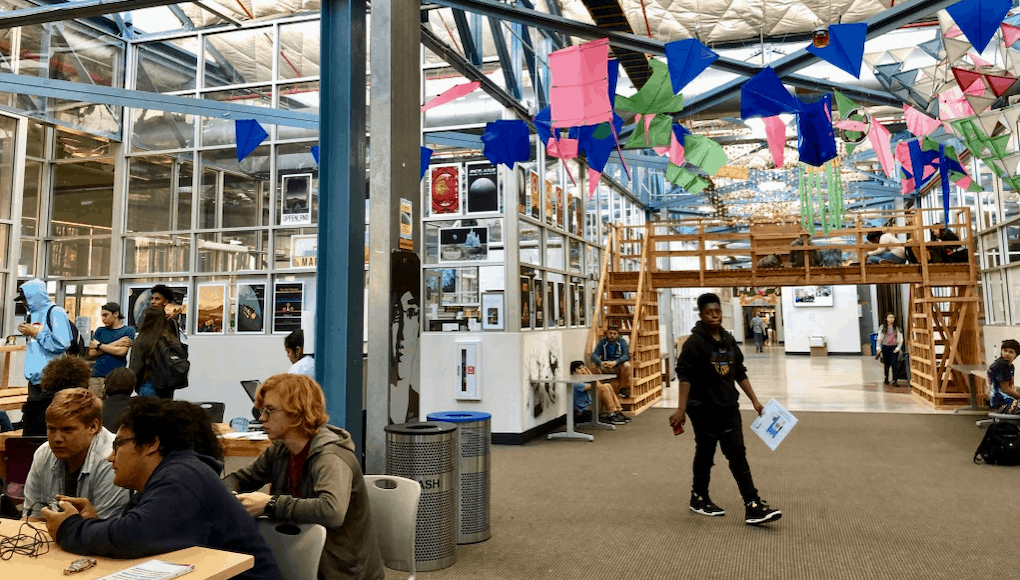
Getting Started with High School Redesign
Thinking about high school redesign? We've assembled a great reading list to get you started.
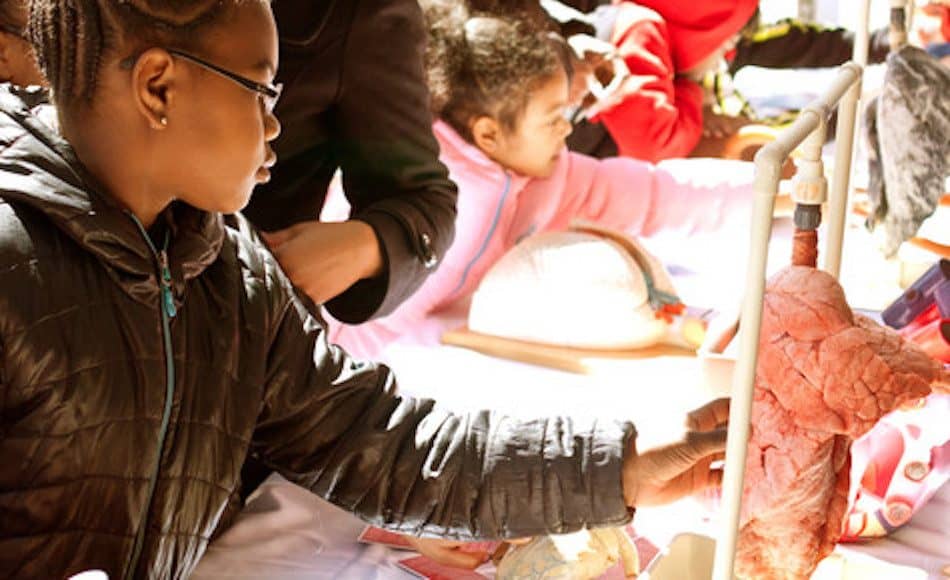
Place-Based Education Anchors Learning in the Community
David Ross explains how in Place-Based Education the nature of a place determines the culture of the classroom to an extraordinary degree.
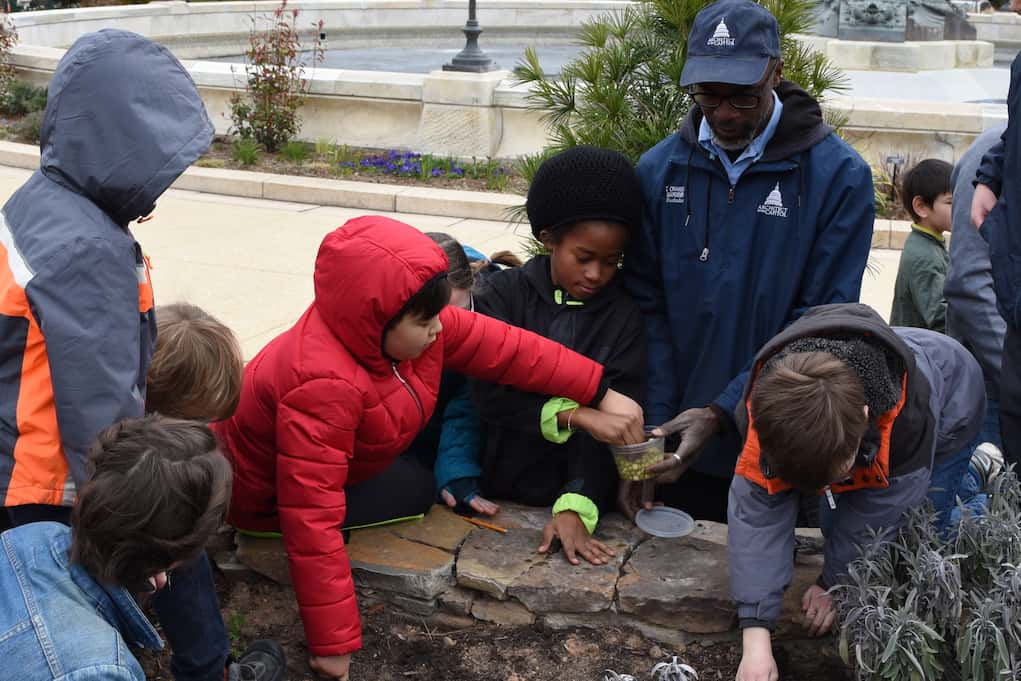
Building Student Civic Engagement through Sustainability Education
By: Anisa Heming. The need for student-centered sustainability education is becoming clearer by the day. Young people who understand and can respond to changes in our natural environment and the stresses they place on our communities will be leaders now and in the future.
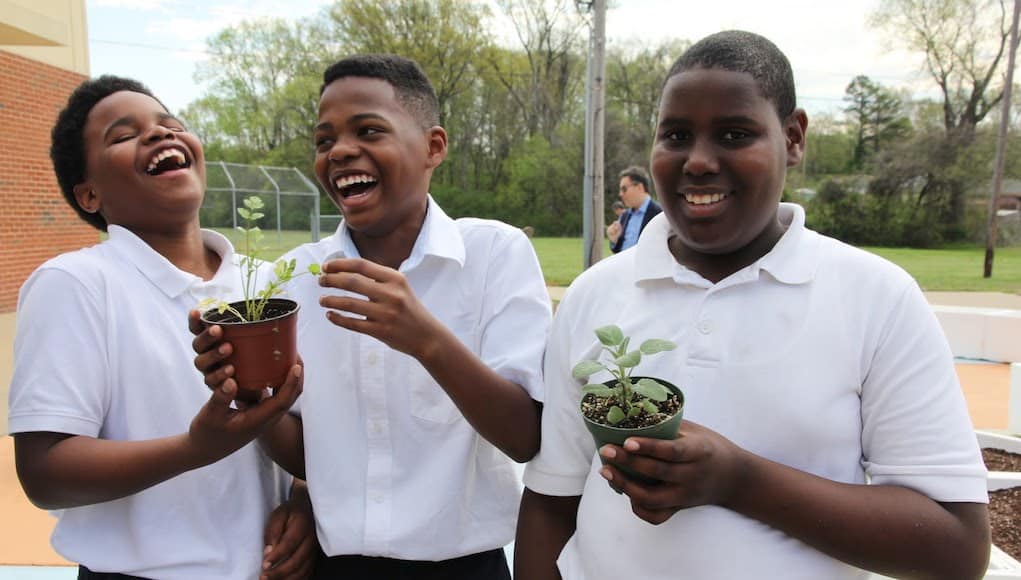
Learning Gardens Provide Equity, Access and Great Food
Caroline Vander Ark has long appreciated community and school gardens but worried that they often didn’t connect to student learning and create a lasting impact. However, when she heard about the work of Big Green she was intrigued and reached out to Kate Waller, who manages their national growth to learn more.
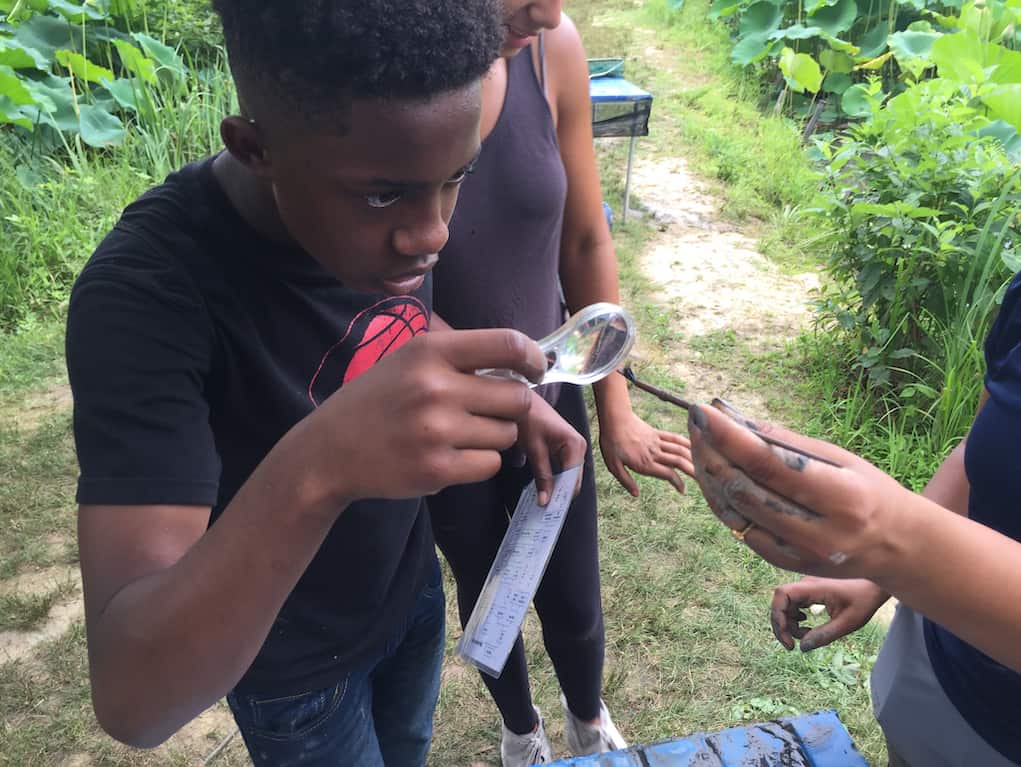
Why Experiential Education?
To contribute now and in the future, young people deserve experiential learning--community connected challenges that build agency and collaboration, that cross disciplines and result in public products that make real contributions. Here's why experiential learning matters and five primary benefits.
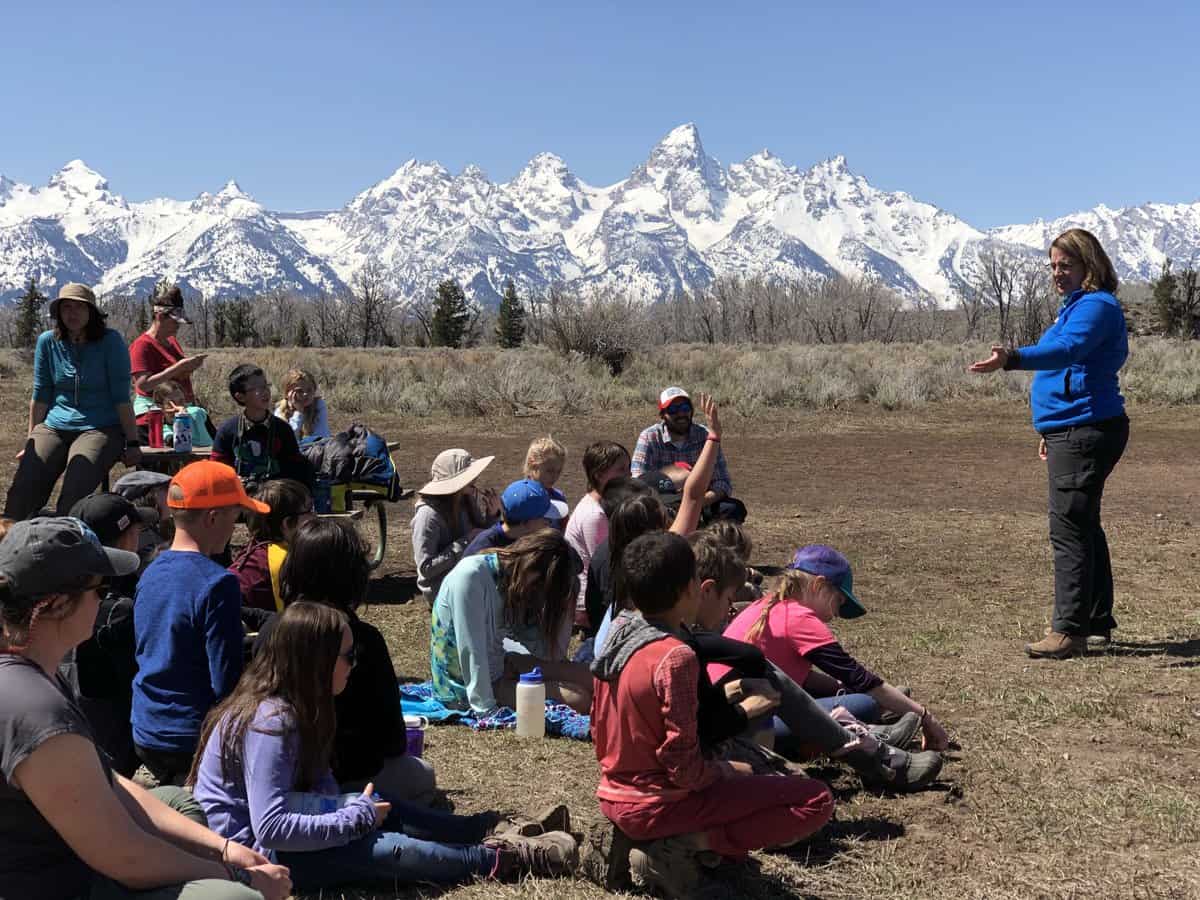
Network of Place-Based Community-Connected Rural Schools Receive Grant to Expand
Small community-connected schools sharing resources in networks & leveraging local learning opportunities may be the solution to the rural education decline.

Amber Chandler Named 2018 National Educator of the Year
Amber Chandler, an English language arts teacher at Frontier Middle School & Getting Smart teacher blogger, was named the Association for Middle Level Education (AMLE) 2018 Educator of the Year.
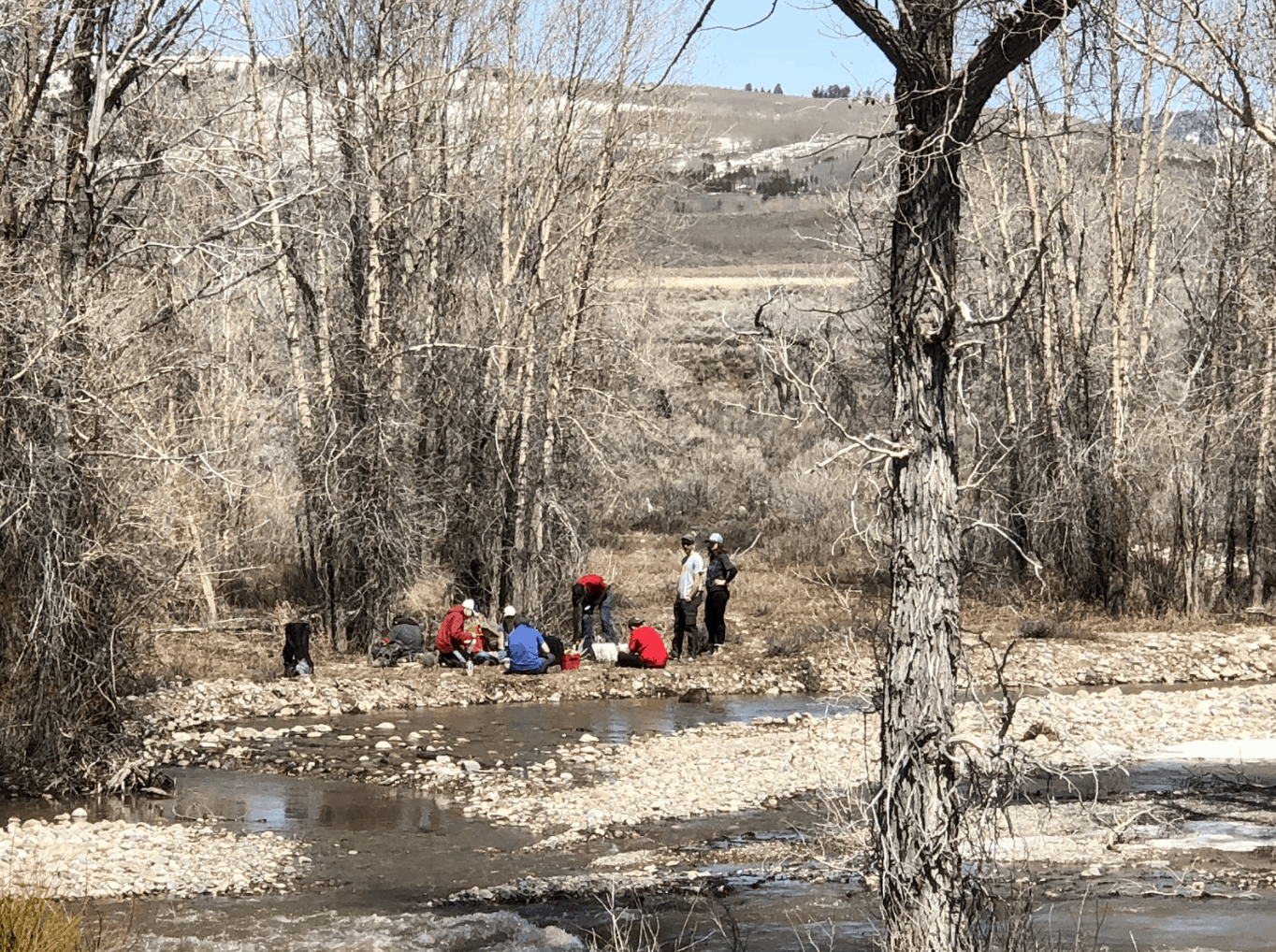
Get Kids in the Community and Change the World
It has become apparent that basic literacies are no longer enough. Students must find ways to apply, own, and direct how literacy and problem-solving skills are used. A look at place-based education and how it's doing just that while also building capacity for citizenship.