


SEL & Mindset
Social Emotional Learning (SEL) is the deliberate commitment to including a framework of essential skills and dispositions that complement academics but historically have not been a part of curricular design. Learners acquire and effectively apply the skills necessary for self-regulation or managing and talking about emotions, forming relationships, setting goals and demonstrating empathy during their learning.
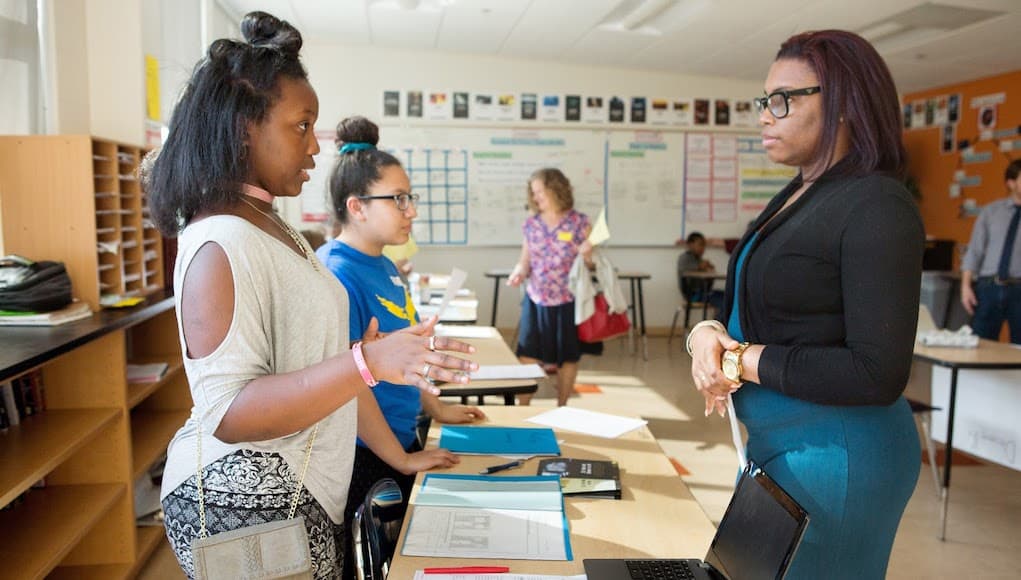
Expanding Our Notion of Student Agency
Student agency from a sociocultural perspective has as much to do with external factors that shape experiences and possibilities as it does with internal attributes. Read more from one of our regular columnists on why it's time to expand our notion of student agency.
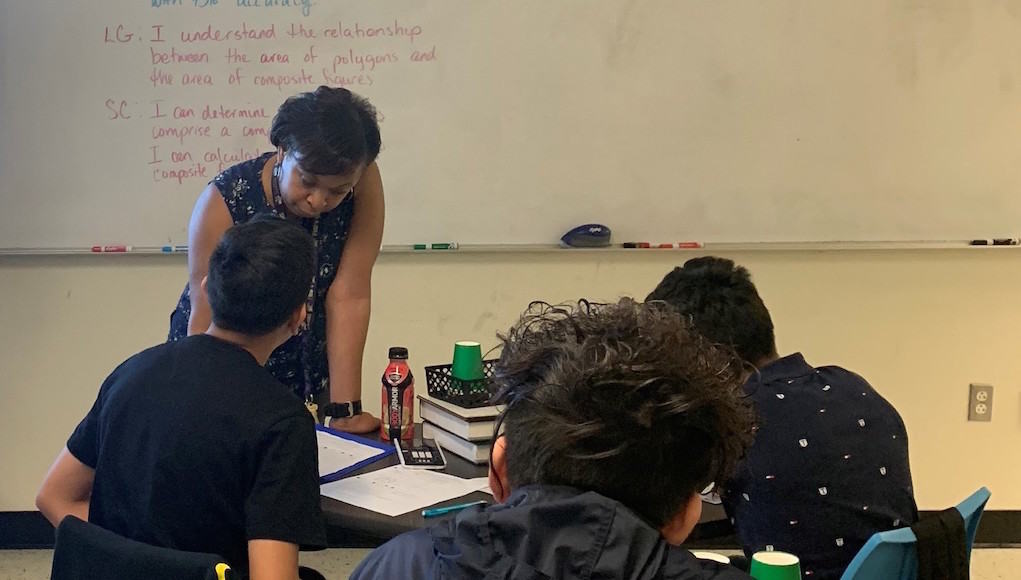
How School Administrators Can Support and Promote Formative Assessment
By: Susan Villani. As teachers develop formative assessment-focused lesson plans and structures that enable students to increasingly become responsible for their own learning, administrators must give teachers the support and flexibility they need to rethink their approach.
CASEL’s New Guide Provides Actionable Steps for SEL Implementation
CASEL recently published a comprehensive framework and toolset on social-emotional learning (SEL) to help bring clarity on, and provide actionable steps for, how to proceed in ensuring the healthy development of students.
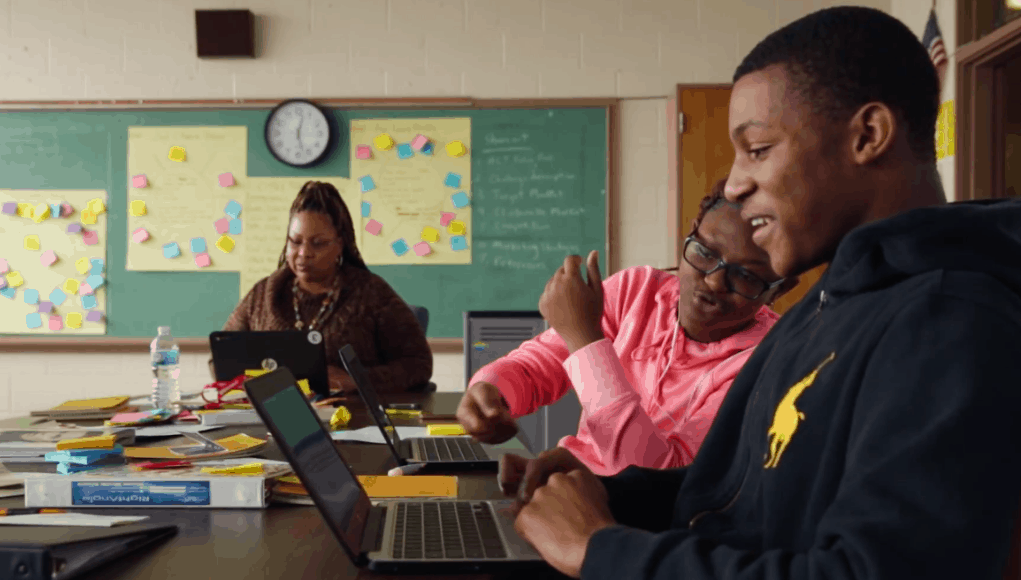
What Happens When We Do School Better?
By: Doris Korda. Doris explains how students in the Columbus City Schools have the option to participate in Options for Success (OFS) to avoid missing out on valuable learning opportunities.

Preparing All Learners for an Uncertain Future of Work
By: Katherine Prince. It is unknown what the emerging future of work will look like, making it even more critical that we help young people and education and employment stakeholders plan for multiple possible futures. Take a look at KnowledgeWorks' new foundation for readiness.

Mapping 21st-Century Skills to SEL Competencies
The relationship between Socio-Emotional Competencies and 21st-Century Skills has been uppermost on my mind lately because of a series of key events. In mid-January I spent the day working with 250 North Dakota school leaders, who came together in Mandan to learn how to better implement the state’s Choice…
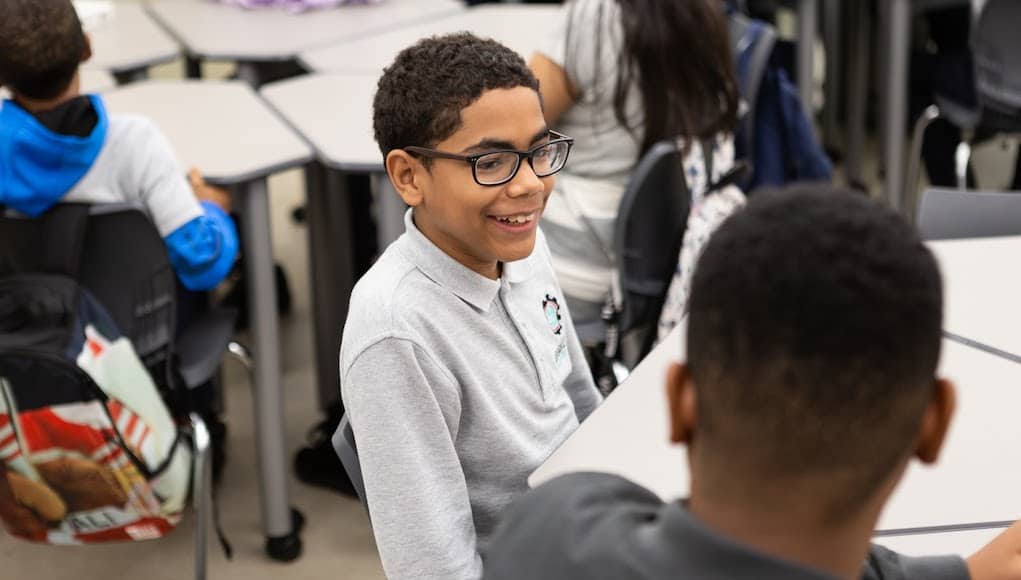
Advancing Equity Through Innovation: 7 Noteworthy Approaches From Brooklyn LAB
Brooklyn LAB is built on the premise that we need to prepare all students to one-day hold jobs that likely don’t exist yet. However, by mastering skills such as problem-solving and conflict resolution, students will be ready to tackle those new challenges, regardless of their career path. LAB embraces seven innovative approaches to educate scholars and advance equity.

Redefining Readiness: New Literacies
Readiness has become a popular way to describe the mission. Are our students ready? Many like college and career ready. Others like Future Ready. In Part 1 of Redefining Readiness, Michael Niehoff focused on Pedagogy and Courses. For Part 2, he explores new literacies.
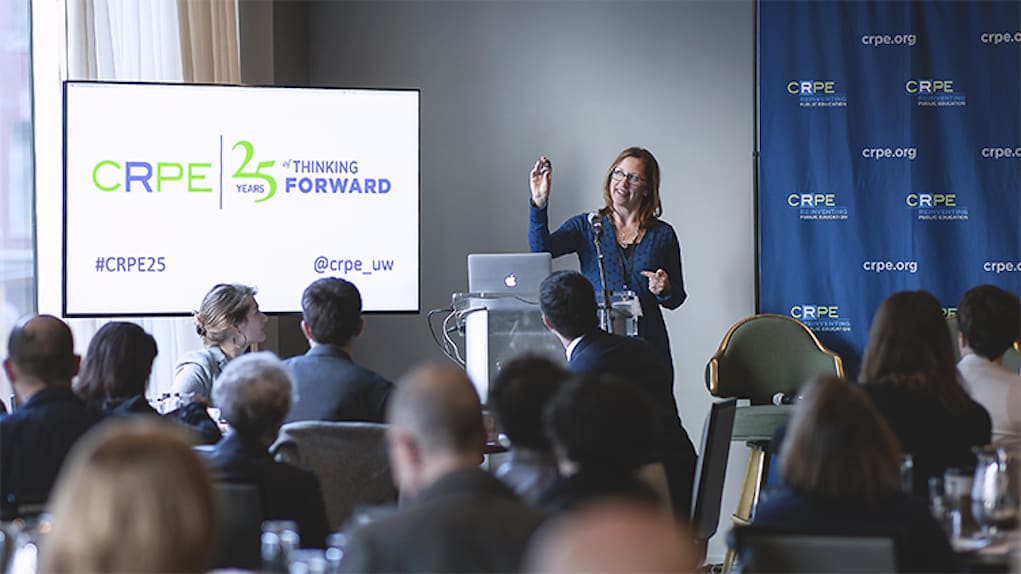
The Year of Thinking Forward
By: Robin Lake. Thinking Forward imagines a future where school systems push those principles to a new level, creating more of the conditions for cities to realize students’ untapped potential and prepare them to solve the challenges of the future.
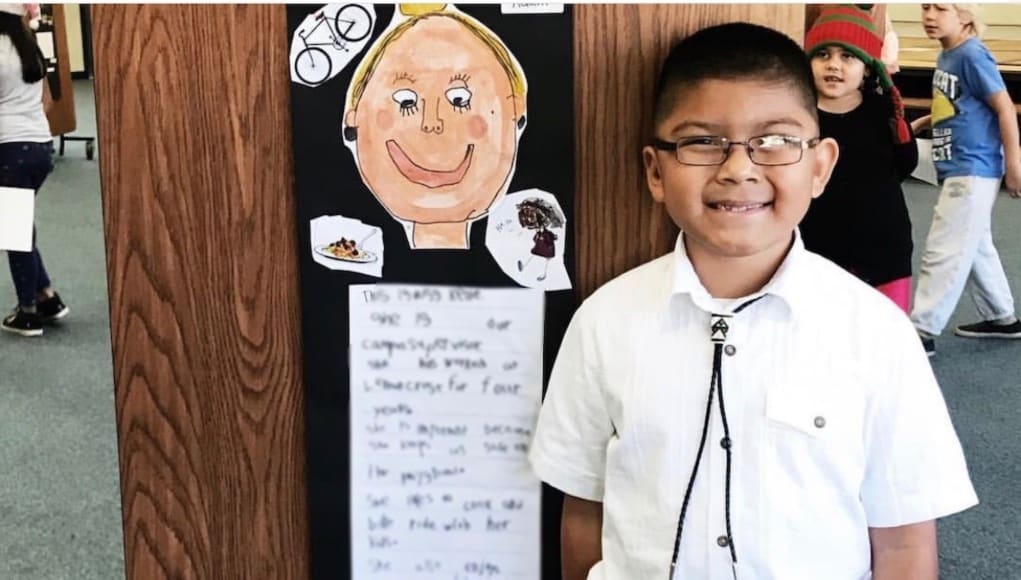
8 Reasons Why Students Should Share Their Work
In part three of a four-part series about how student engagement increases when students share their learning. Janice Walton provides eight reasons why it is important for students to share their work.