

Project-Based Learning
(PBL) is an instructional approach where traditional, direct classroom instruction and tests are replaced by authentic, often interdisciplinary projects, usually designed by the student with guidance from instructors/coaches, addressing real-world problems as the assessment instead of a test. It also is closely related to deeper learning, challenge-based learning, interest-based learning and more.
Tools for Project-Based Learning: The Landscape Today
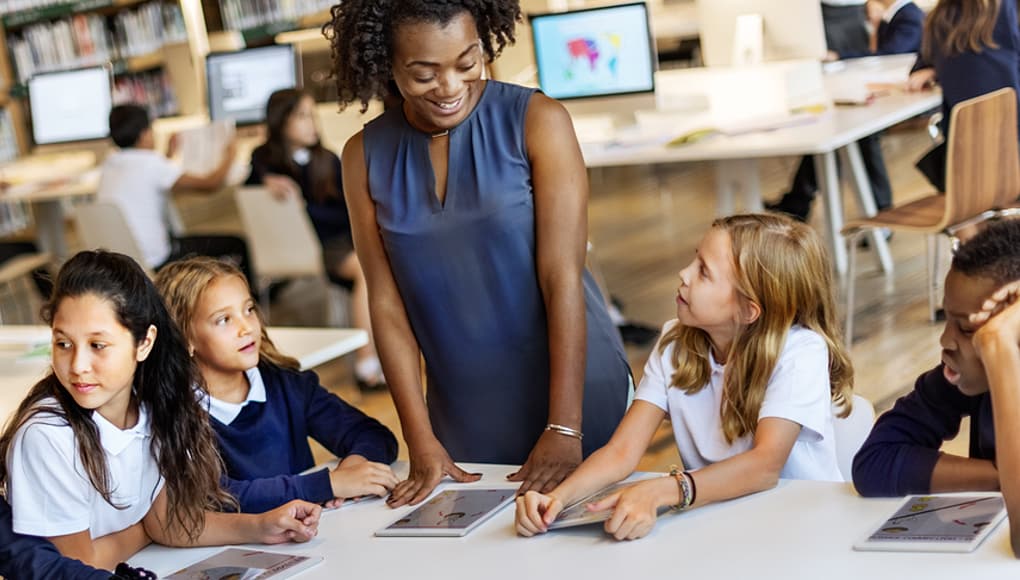
The spread of access to low-cost devices holds great promise for giving more students high quality project-based experiences, but tech has yet to become a panacea for the challenges of PBL. In this post, we look at the recent history of PBL-oriented edtech, and draw some predictions about where it’s headed.
HQPBL Case Study: Liceo Pablo Neruda
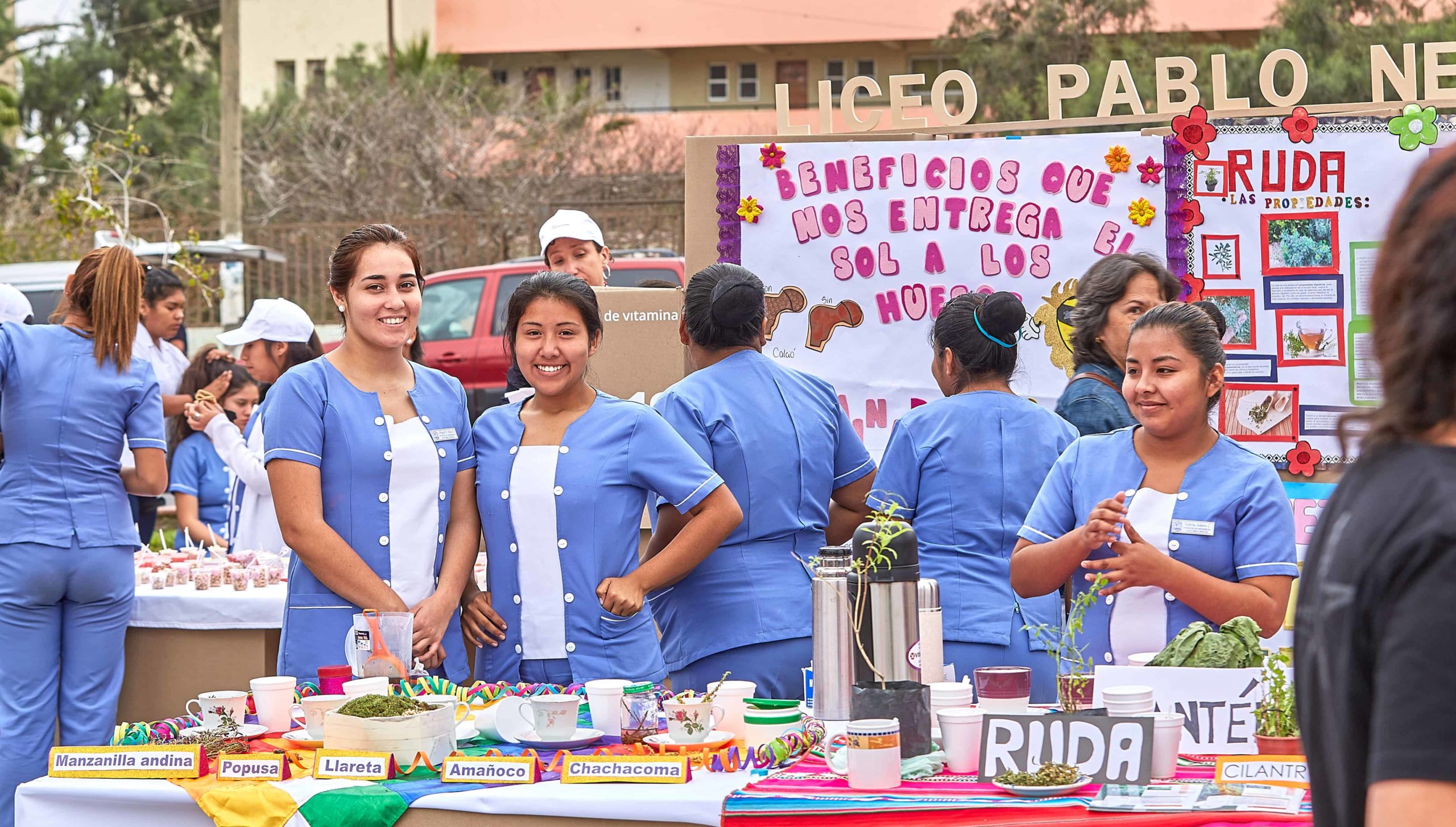
In a number of locations across Chile, several organizations and schools have embraced PBL—and officials in the country’s Ministry of Education are gearing up to implement capstone project experiences in the last two years of high school.
Designing Projects so Students Have High Quality Project Based Learning Experiences
PBL and CBL are related at the very core, because they both involve active student-centered learning. Whatever the project format, the six criteria outlined in the recently-released Framework for High Quality Project Based Learning (HQPBL) -- Authenticity, Intellectual Challenge and Accomplishment, Public Product, Collaboration, Project Management, and Reflection -- can help teachers create and implement successful student-centered learning projects.
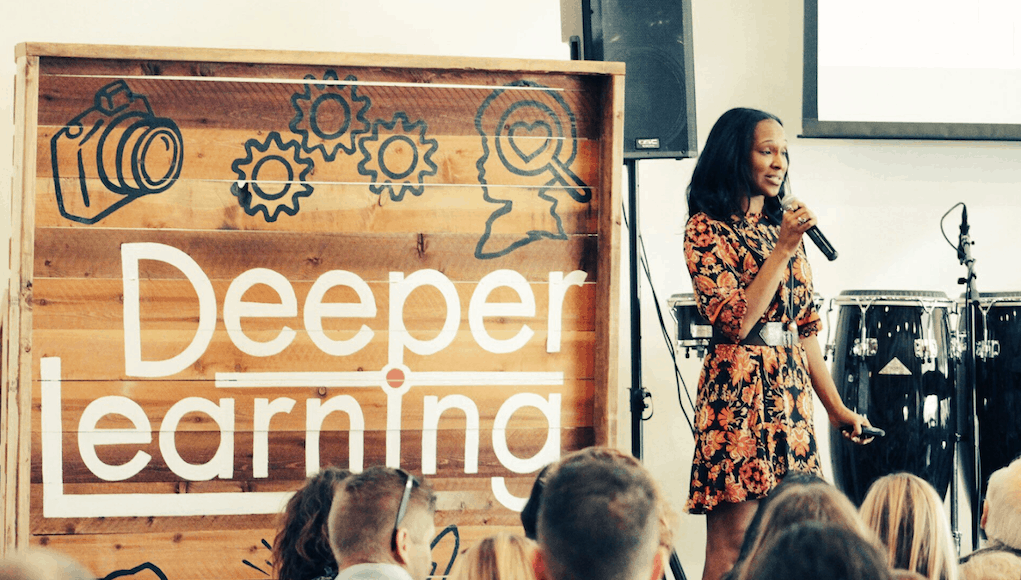
Deeper Learning 2018 | Powerful Adult Learning
While words can’t even being to describe the energy and awesomeness of Deeper Learning 2018, I spent time thinking about what makes this conference so different (and why you really ought to go next year). Here, I share a few of my biggest reflections…
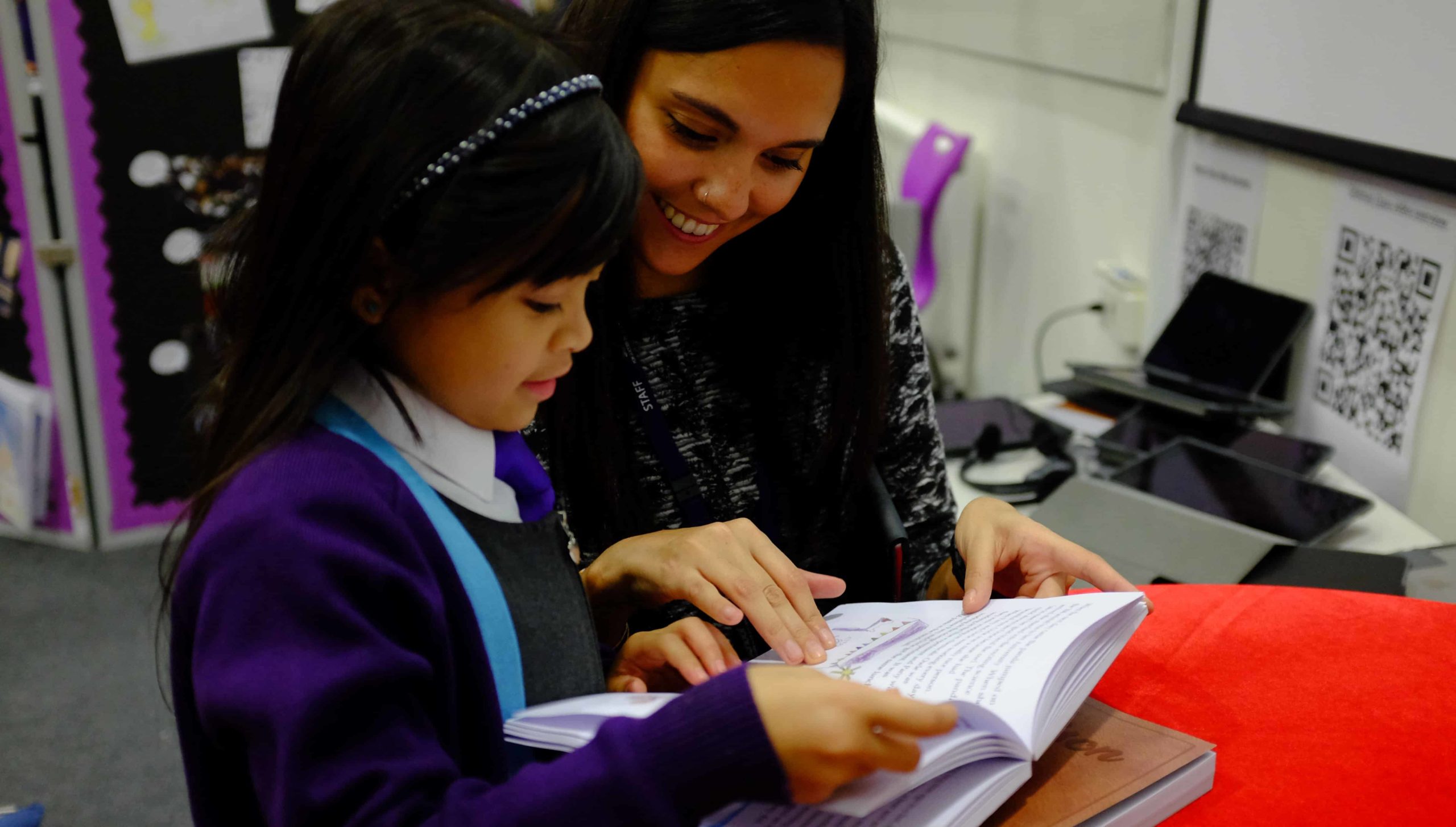
HQPBL Case Study: Albemarle County Public Schools
The walls are covered with products and classrooms are buzzing with voices and sounds of collaboration. Students are working on integrated projects tied to passions, interests and real-world causes. This is a common scene found in most classrooms in Albemarle County Public Schools, located at the base of Shenandoah National Park in Charlottesville, Virginia.
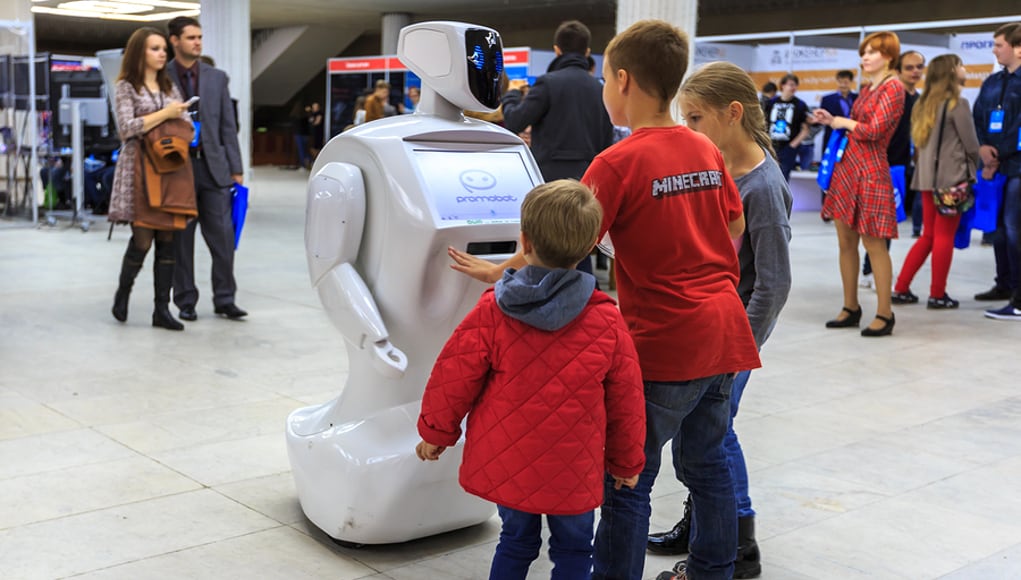
Now That We’re Augmented, What Should We Learn?
The new age of innovation (often referred to by the WEF and others as the Fourth Industrial Revolution), in which we are all partners with smart machines, demands three new developmental priorities. Here, we provide an overview of what they are, and how we can focus on them.

Agency and High Quality PBL
In addition to supporting deep learning and the 4 C’s, the 6 criteria of High Quality PBL hold the ability to support another critical outcome: Student Agency, the tendency and ability for students, of their own volition, to improve or extend their own learning.
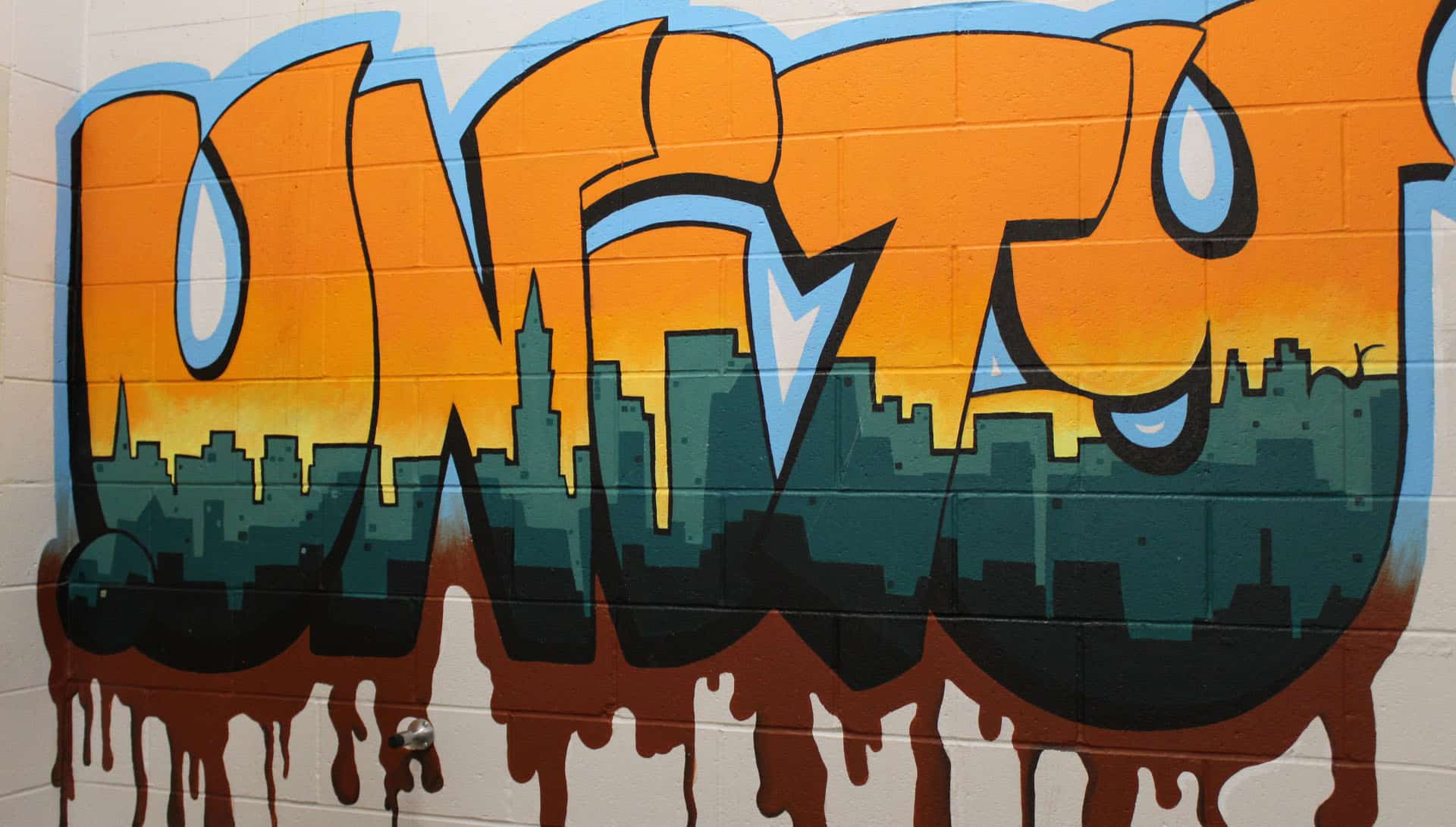
HQPBL Case Study: The MET School
Projects at The Met are connected to individual student goals, and each project includes specific skills students need to address. How does it work, exactly? Students are grouped in small cohorts (or essentially small communities), each with a bonding name like Unity or Liberty. Cohorts collaborate to tackle problems, support each other, and collaborate on projects.
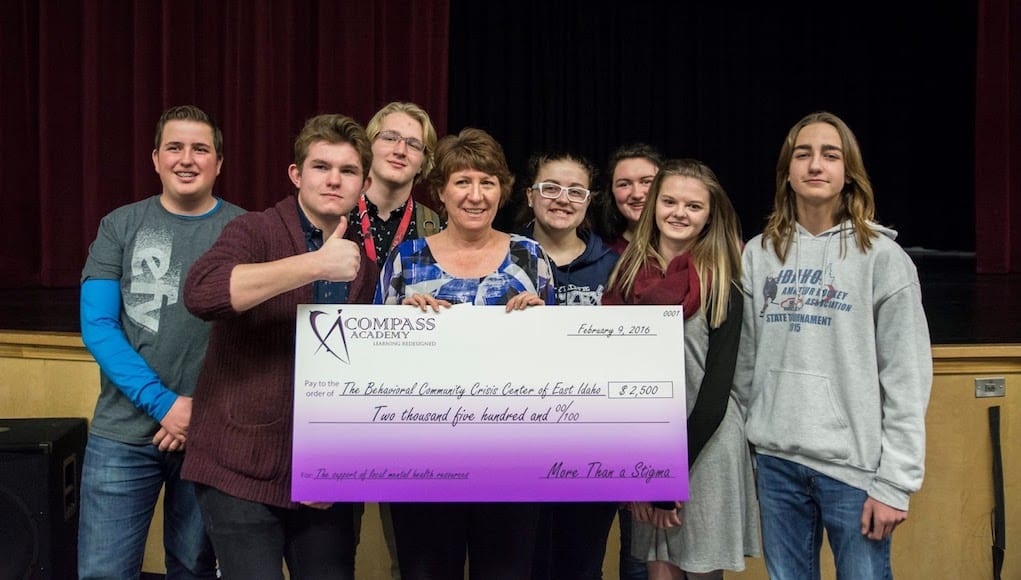
High Quality PBL Meets Mental Health
My students recently decided that they wanted to start one of Idaho’s first mental health awareness campaigns. Their goal was to educate their community, reach out to schools, provide informational seminars and fundraise for local non-profits--and that’s just what they did.

Rightly Seeing Students: Takeaways from SXSW EDU
If we want to expect more from our students, then we ought to view them as more than “just” students. These four paradigms can serve as a foundation for making this cultural shift a reality in your school or district.