

Project-Based Learning
(PBL) is an instructional approach where traditional, direct classroom instruction and tests are replaced by authentic, often interdisciplinary projects, usually designed by the student with guidance from instructors/coaches, addressing real-world problems as the assessment instead of a test. It also is closely related to deeper learning, challenge-based learning, interest-based learning and more.
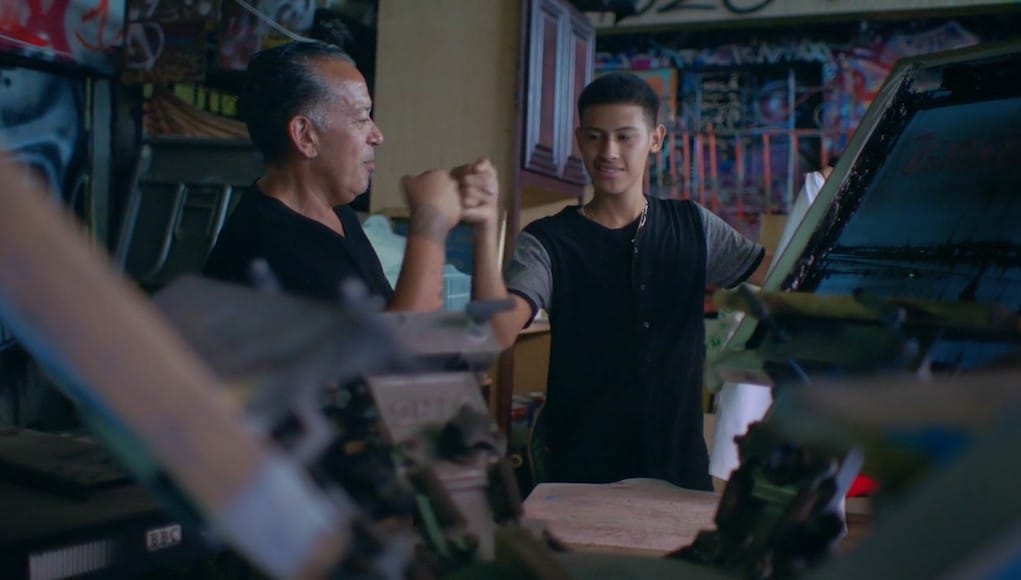
Powerful Learning Experiences: Why All Students Deserve Access
It is only by equalizing access to opportunities for powerful learning (by providing authentic, student-centered experiences) for all students that we will close the experience gap.
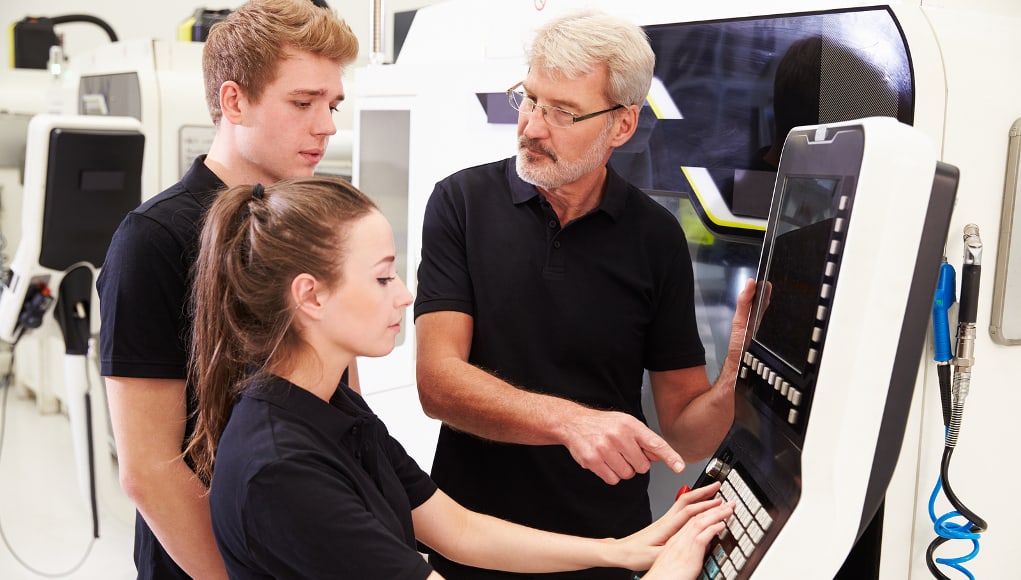
9 Ways To Make Student Work Authentic
Making learning more “real” has long been a goal of those who have promoted everything from project-based learning to career technical education. Both learners and learning facilitators want learning where the ‘why’ is an integral part of the process. It’s this desire to be “real” that has now found its way into our vernacular as “authenticity”.

What Counts as Student Agency?
Students who are motivated to learn are more likely to focus on understanding, are more likely to learn deeply, are more likely to go above and beyond in an assignment, and are more likely to investigate when they have a question.
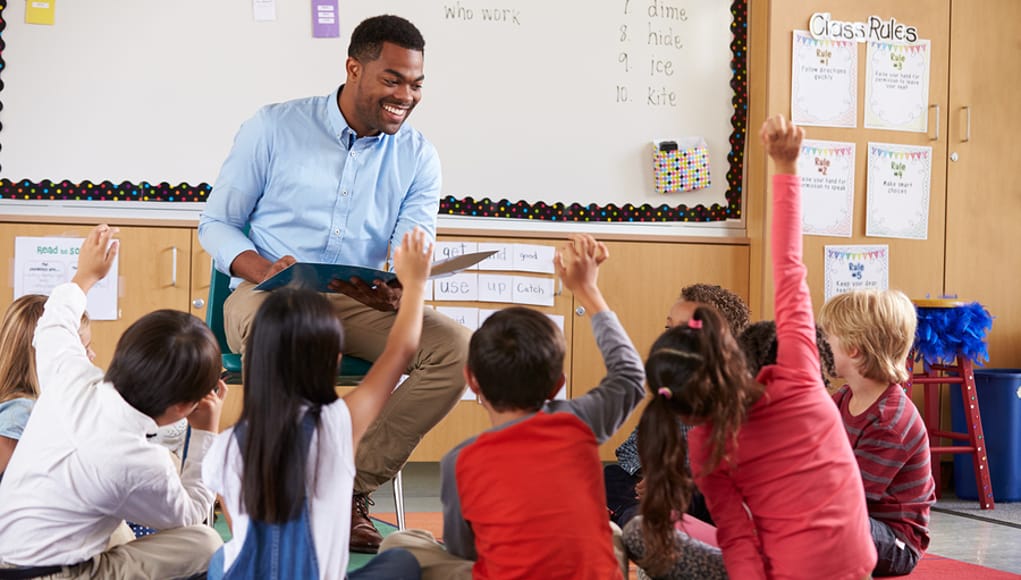
Empowering Students and Teachers for the 21st Century
By: Alan November. How do you motivate students to do their very best? One of the best ways I have found is through giving them voice and choice in what they learn, and how they learn it.
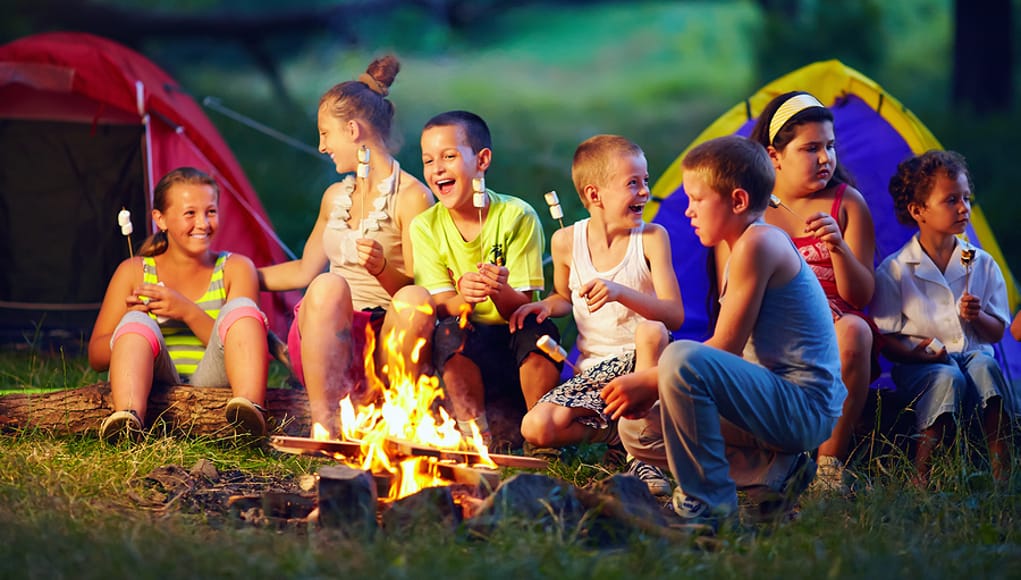
A Beginning Rather Than an End: Reframing Summer as the Start of Next School Year
By reframing the potential of summer, from “ten weeks of academic wilderness between school years” to “the start of the next learning opportunity,” summer has the possibility to serve as a smooth, engaging, and uninterrupted continuation from one school year to the next.
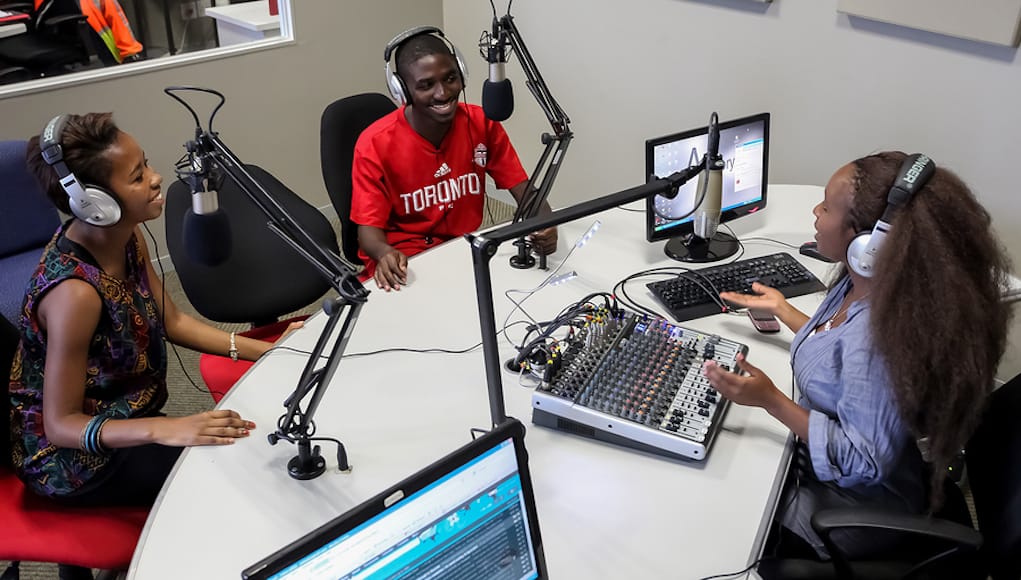
Student Public Radio: Community, Communication, and Other “Cs”
Beyond the obvious 21st century skills students develop in taking ownership of their own radio broadcast, they also forge connections to curriculum and content. Here, we explore the reasons (and some ways) to enable students to create and operate a radio station.
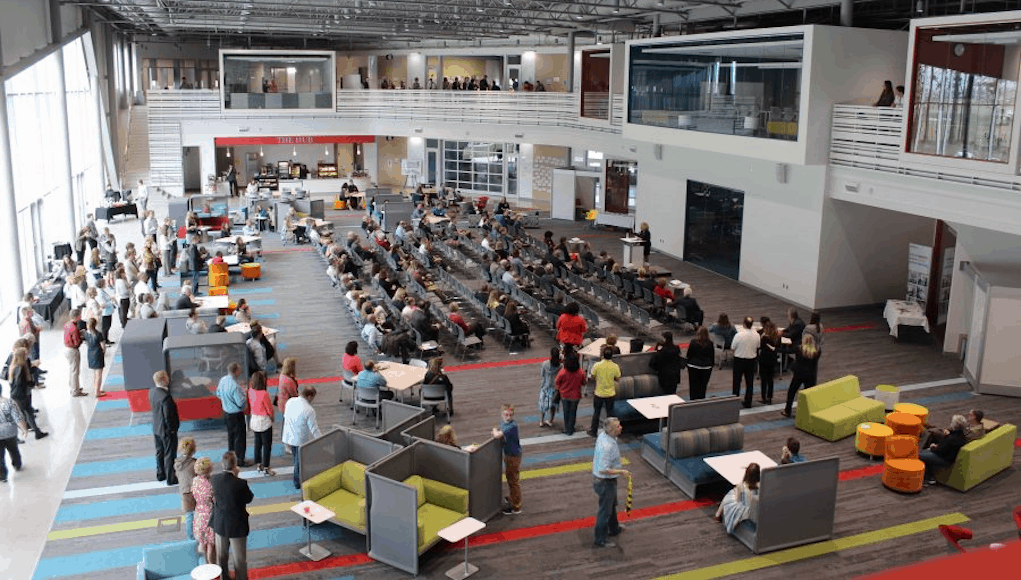
The Evolution of Education Through the Power of Partnerships
By: Salar Chagpar. In this post, we look at how strategic pathways between educational institutions in partnership with industry are changing the ways that we prepare students for the future of work.
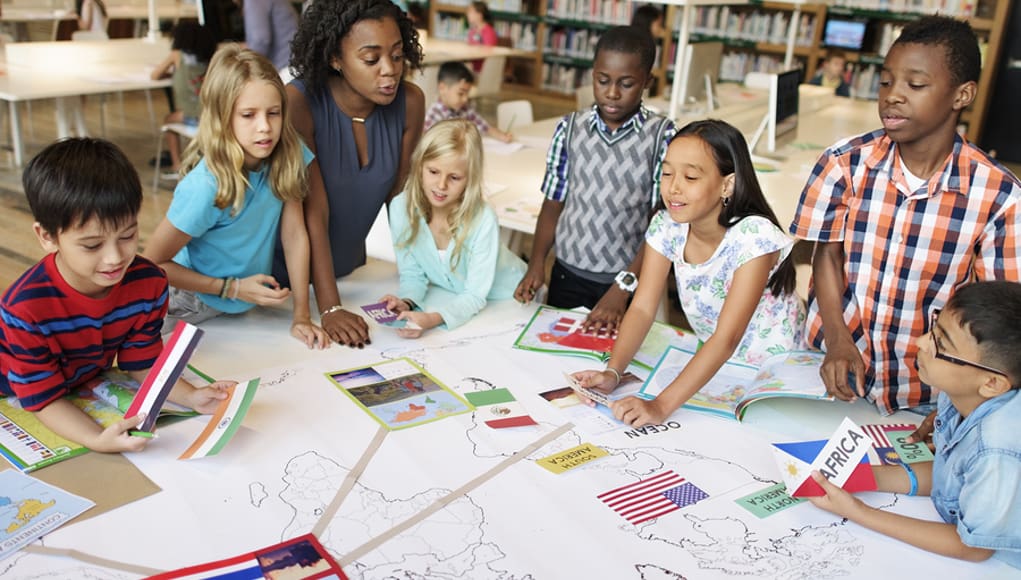
How Project-Based Learning Helps Special Needs Students Collaborate and Connect
By: Jill Koenemann. We were looking for a curriculum that would move beyond teaching the classics and would help students connect what they were learning with their own lives. The conversation quickly shifted to project-based learning (PBL). This approach suits children with learning difficulties because it allows them to work at their own levels of differentiated learning.
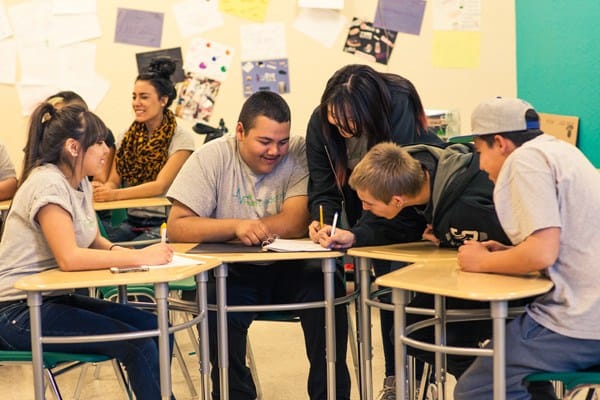
Community Defined Projects at Health Leadership High
A visit to project-based Health Leadership HS, a talent pipeline and advocacy organization for a healthier community in Albuquerque, NM.
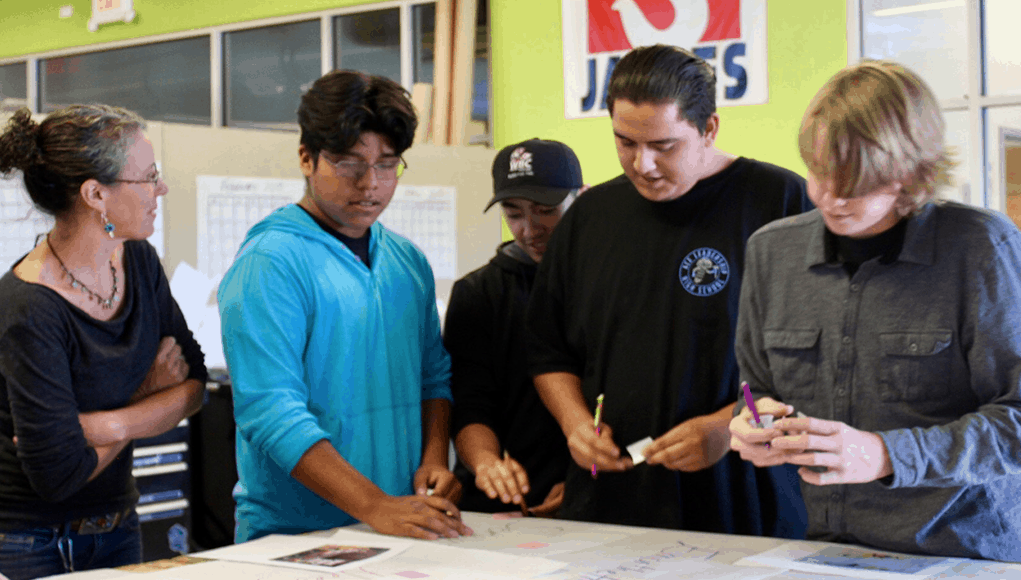
HQPBL Case Study: ACE Leadership High School
ACE Leadership High School primarily serves students who have already or seemingly were on their way to, dropping out of high school. On average, students at ACE have been enrolled in three or more high schools and frequently claim that school wasn’t working for them. Many hold jobs, sometimes even two, and typically come from low socio-economic backgrounds.