

Archive: 2018
Competency-Based Education
Show What You Know: The Shift to Competency
Competency-based school models have the potential to better prepare young people for the innovation economy. But what is competency-based? How do we get there? What are the risks?

Competency-Based Education
How IMS is Leading on Interoperability and Credentialing
Plumbing--you don’t think about it, but can’t imagine life without it. In education, data is now the plumbing, and IMS Global Learning Consortium is the leading standards-setting body. Here, we look at some big announcements from a recent event they hosted.

SEL & Mindset
Smart Review | Inventing Ourselves: The Secret Life of the Teenage Brain
In Inventing Ourselves: The Secret Life of the Teenage Brain, Sarah-Jayne Blakemore uses neuroscience to push back on long-held negative perceptions about teenagers to reframe adolescence as a unique and actually productive developmental period. Learn more here.
EdTech
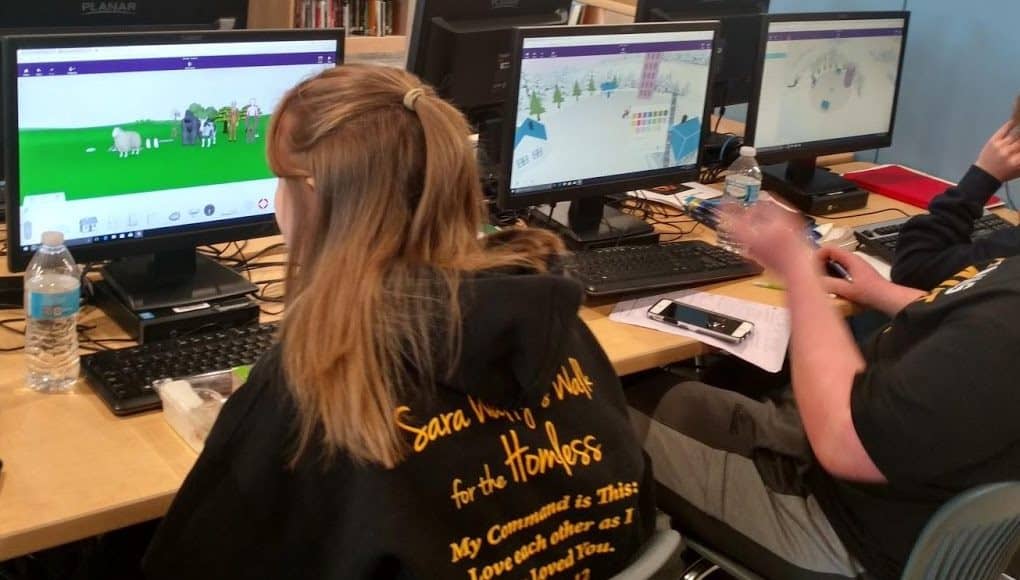
Innovation: Creating and Learning in AR, VR
As a long-standing fan of technology and the endless possibilities, any time I learn about a new tool, I either immediately create an account and try to figure it out on my own or I learn just enough about it to get my students started working on something.

Project-Based Learning
What Counts as Student Agency?
Students who are motivated to learn are more likely to focus on understanding, are more likely to learn deeply, are more likely to go above and beyond in an assignment, and are more likely to investigate when they have a question.

SEL & Mindset
Defining (and Driving) Collaboration
By: Jordan Lippman and Janine Perri. In today's world, both employers and educational institutions place a high value on soft skills that are transferable across professional, academic, and social situations. One of the most frequently cited skills is collaboration.
Leadership
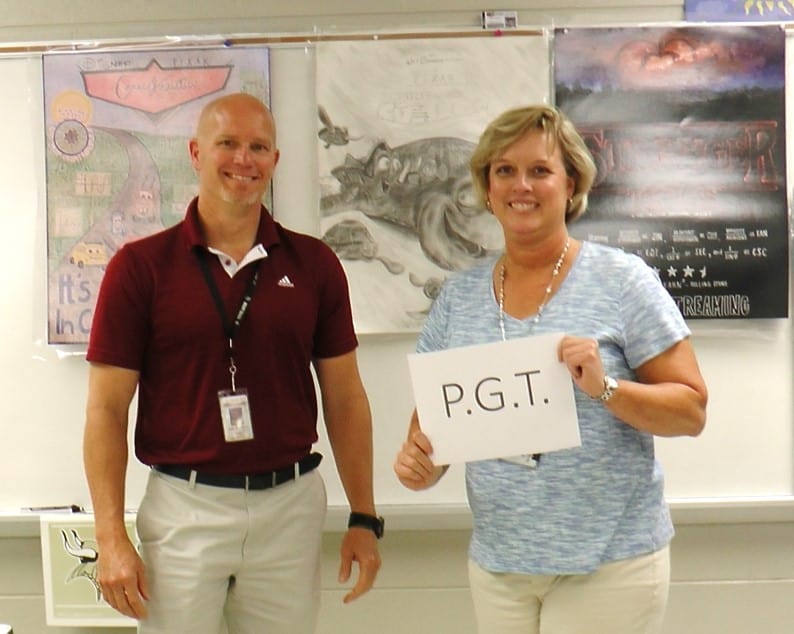
“The Professional Grade Teacher”
What makes a teacher professional? How can we truly define a professional grade teacher? John Hardison shares 31 ways to describe the nearly indescribable.

Leadership
5 Good Ways for EdLeaders to Make Teachers Feel as Important as They Are
If you ask teachers, most will indicate that they want appreciation and recognition for their hard work. However, they will also often say that they would rather have that appreciation and recognition be an ongoing, sincere and cultural acknowledgment than an official event or days on a calendar.

Project-Based Learning
Empowering Students and Teachers for the 21st Century
By: Alan November. How do you motivate students to do their very best? One of the best ways I have found is through giving them voice and choice in what they learn, and how they learn it.

Personalized Learning
A Beginning Rather Than an End: Reframing Summer as the Start of Next School Year
By reframing the potential of summer, from “ten weeks of academic wilderness between school years” to “the start of the next learning opportunity,” summer has the possibility to serve as a smooth, engaging, and uninterrupted continuation from one school year to the next.