

Global Education

Coronavirus Offers Teachable Moments and Wakeup Call for All Schools
Teachers from across Asia share their insights about the impact of the coronavirus on education.
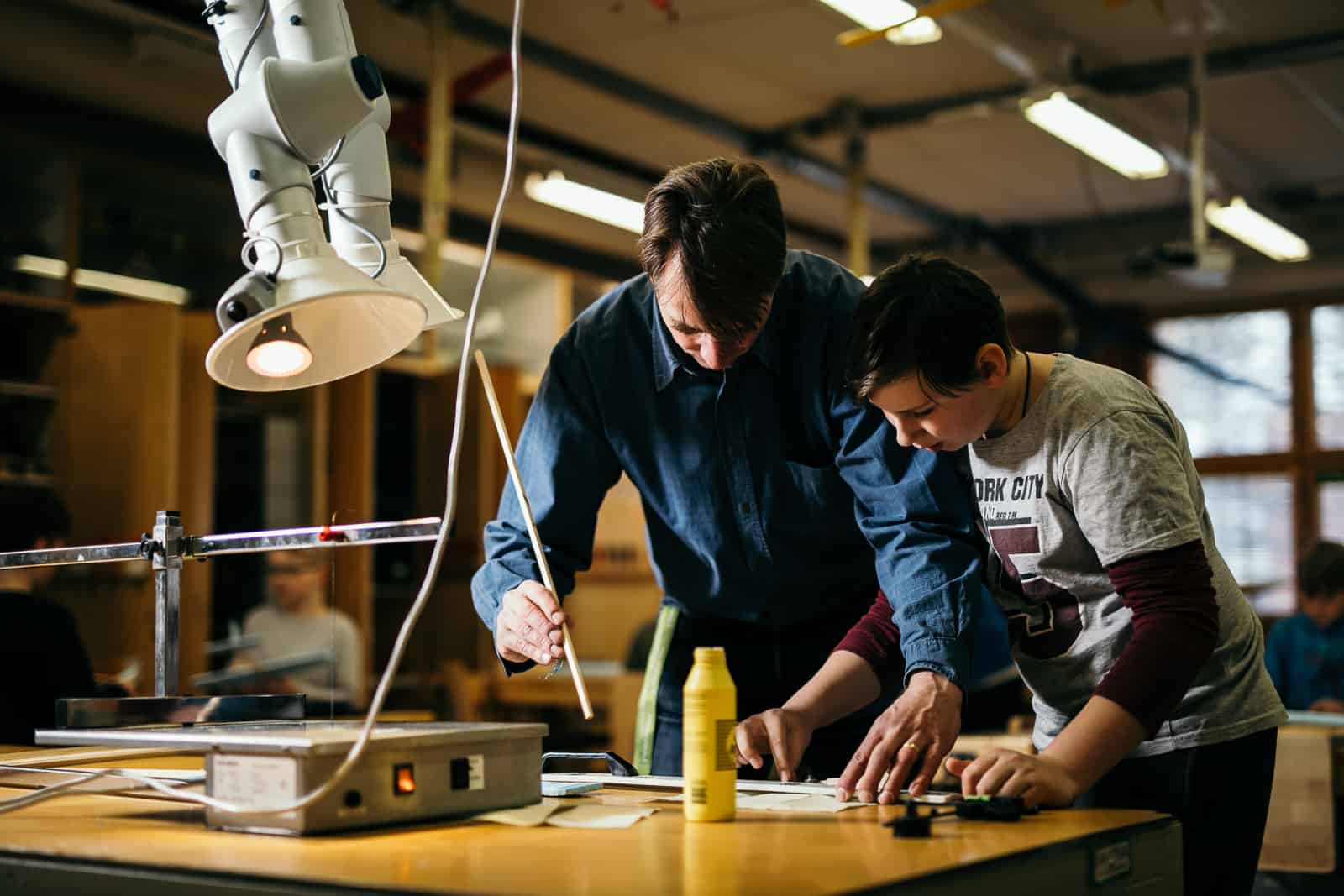
10 Innovations that Support Students’ Community Contributions
How many of us recall our elementary and secondary education experiences truly mattering outside the four walls of our schools? Surely our parents, relatives or neighbors saw some value in what we studied, but few if any programs focused on supporting students in community outreach and impact. Thankfully, that’s changing.

The 5th C May Be the Most Important of All
In this post, David Ross explains how the 4Cs were not sufficient to meet Chinese educational needs. They wanted to add a fifth C, which they call “cultural competence.” According to the Chinese, the fifth C trumps them all: “Cultural competency is the fundamental value of every Chinese and provides guidance for the other four aspects (skills).”
Are Cultural Competence and Global Competence the Same Thing?
David Ross explores the semantics of cultural and global competence to help us understand if they are in fact the same thing or not.

The Anywheres and Somewheres of Global Education
A recent trip to Moscow re-enforced one of David Ross's longtime concerns with global education. Learn more about the Anywheres and Somewheres of global education.

Closing the Familiarity Gap Through Global Education
By: David Ross. In July we launched the Global Schools Network in an attempt to connect schools around the world who care deeply about global competence, global awareness, and linguistic competence. Learn more about our initiative here.
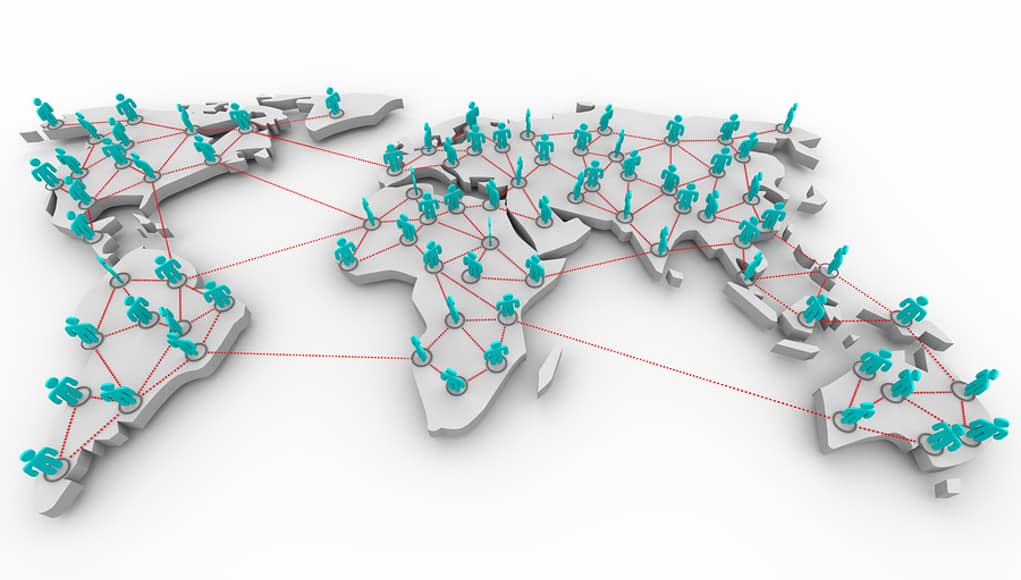
Global Network Powers Management Education
Tom chatted with Executive Director Roland Siegers, and they identified 10 distinctive features shared by the CEMS network.
Change is Difficult, But It is Possible
By: Jason McKenna. Continuous acknowledgment of the power of a robust curriculum that enables teachers to have meaningful interactions with their students will lead to change, no matter how fast and varied our technological terrain becomes.
Reggio Emilia: An Inspiring Approach to Early Learning
In Reggio Emilia, an early childhood approach that has evolved over the past 50 years, schooling is based on the pedagogies of listening and relationships. A great deal of children’s work is done in small groups, grounded in meaningful projects. Learn more here.

3 Ways Teachers Can Unite Students Inside and Outside the Classroom
By: Jason Agins. I’ve discovered that most of my students are fascinated to learn about other parts of the world and I’ve discovered some effective ways to teach them how people live, communicate and think in vastly different parts of the world.