


Career & Technical Ed
Social Emotional Learning (SEL) is the deliberate commitment to including a framework of essential skills and dispositions that complement academics but historically have not been a part of curricular design. Learners acquire and effectively apply the skills necessary for self-regulation or managing and talking about emotions, forming relationships, setting goals and demonstrating empathy during their learning.

For me, the “Power of Yet” poster has been a powerful strategy. Such a simple reminder to persevere can be the difference between a student who gives up and one who routinely concludes that understanding will come with more effort, questions, or use of additional strategies.
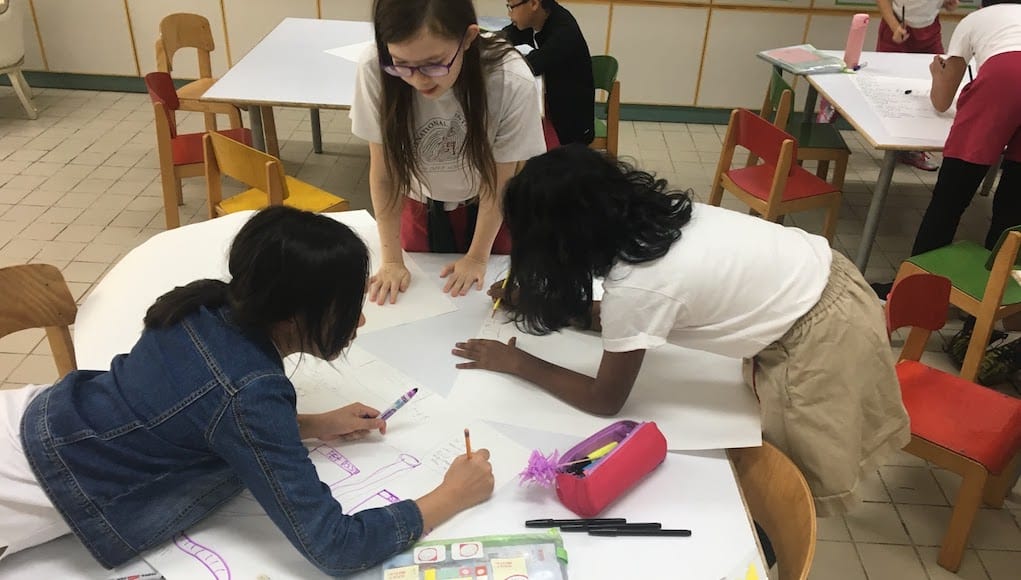
With community-engaged projects, students learn to solve problems, think creatively, manage uncertainty, and most importantly, how to coordinate and work with others. According to The World Economic Forum, these are the same top 5 future skills needed for 2020.

When definitions of agency lead to work that is driven purely by willpower, those definitions need to be reconsidered. The agentic classroom should be hard but fun for teachers and students alike.
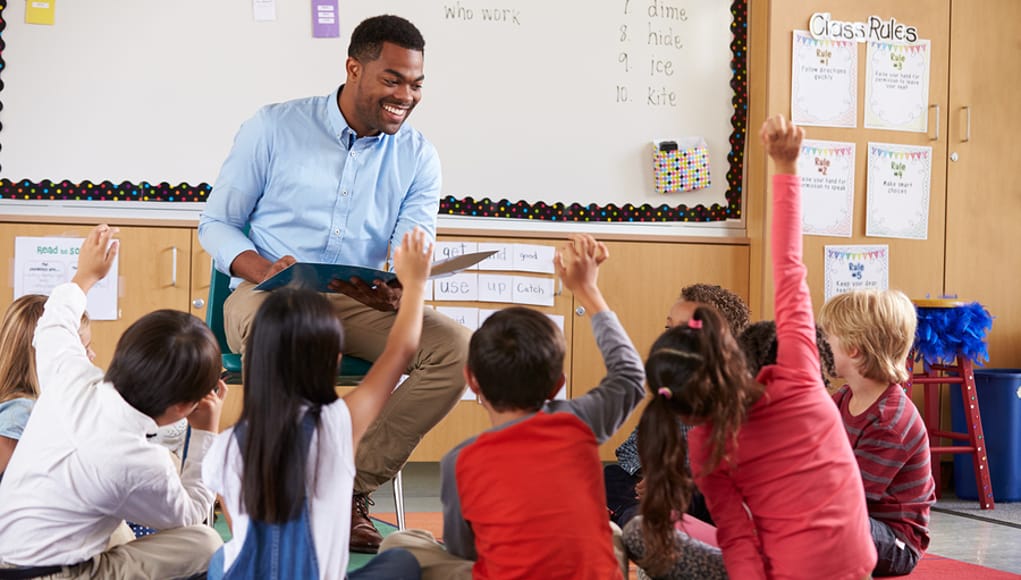
By: Lindsay Portnoy. When students understand the iterative nature of learning and participate in the collaborative nature of feedback to fuel growth, they are much more likely to come to love learning.
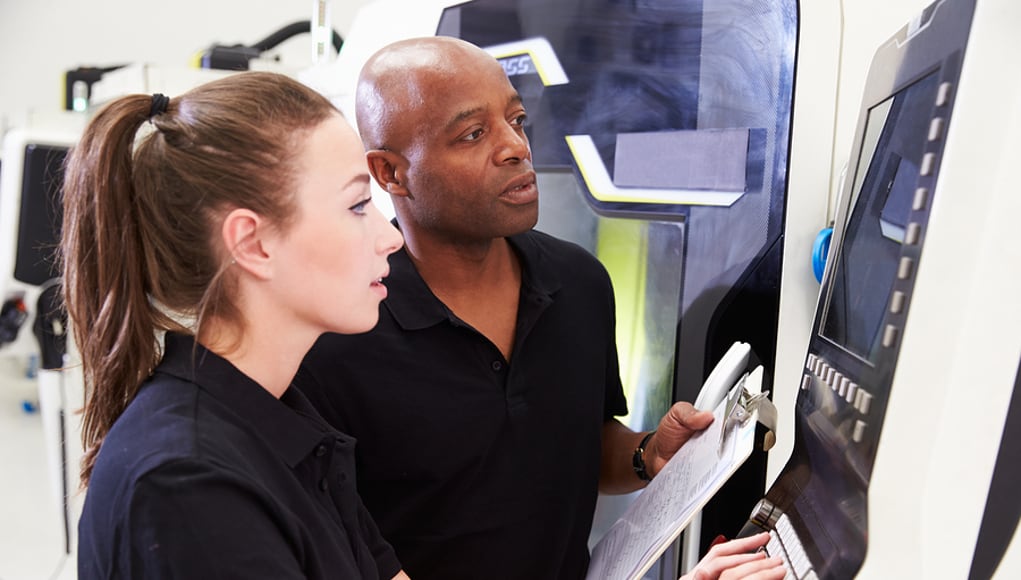
If students work tirelessly on academics in high school and college, they may experience shock when they try to find their way in the working world. We can make this transition easier by fostering these work skills outside of the classroom as early as possible.
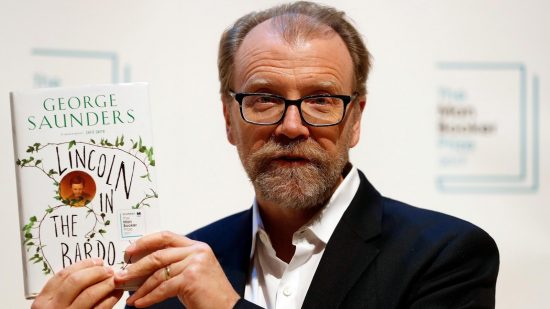
George Saunders might be the most critically acclaimed contemporary American author. He has inspired thousands of young writers with his writing and teaching. Tom recently caught up with him to learn more about his approach to teaching and writing.

Kindness is a relatively easy word to define, according to Google it means “the quality of being friendly, generous and considerate” easy enough, right? Then why is “kindness” often so hard to put into practice? How do we go about teaching and learning, kindness?

Some classrooms have a certain aura, don’t they? When you enter, there’s a sense of peace, community, clarity, and active presence from all stakeholders. That is the kind of classroom I want to create, and one way I’ve sought to accomplish this is by taking a course in mindfulness for educators.
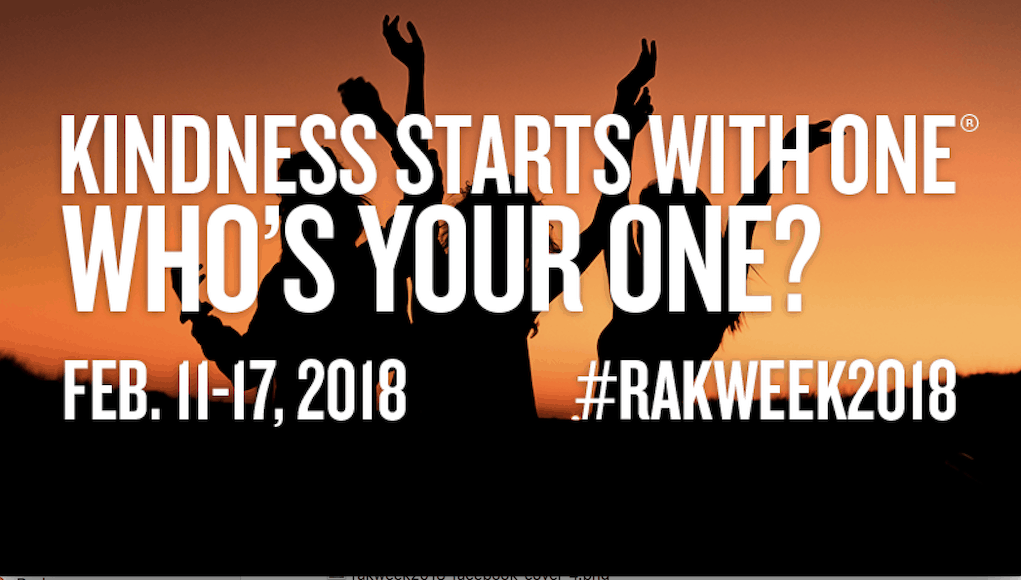
Random Acts of Kindness Week 2018 features developmentally appropriate, standards-aligned lessons that teach kids important social-emotional skills. More on how to take part here!
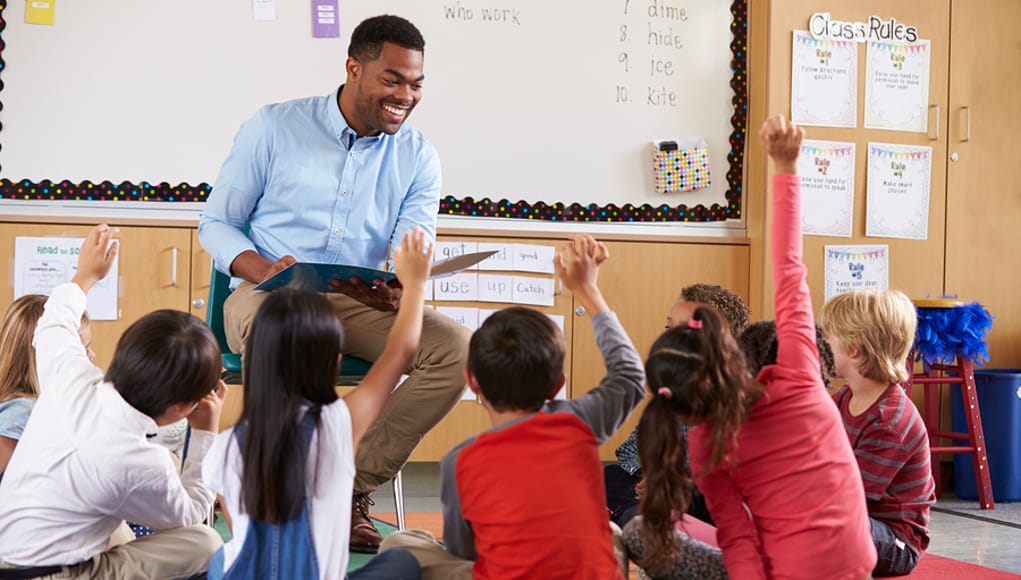
By: Matt Bertasso. In Bloom's Taxonomy, "Lower Order Thinking" consists of remember, understand and apply. "Higher Order Thinking" requires analysis, evaluation and creation. How can we give students higher order thinking skills?