

Career & Technical Ed
Social Emotional Learning (SEL) is the deliberate commitment to including a framework of essential skills and dispositions that complement academics but historically have not been a part of curricular design. Learners acquire and effectively apply the skills necessary for self-regulation or managing and talking about emotions, forming relationships, setting goals and demonstrating empathy during their learning.
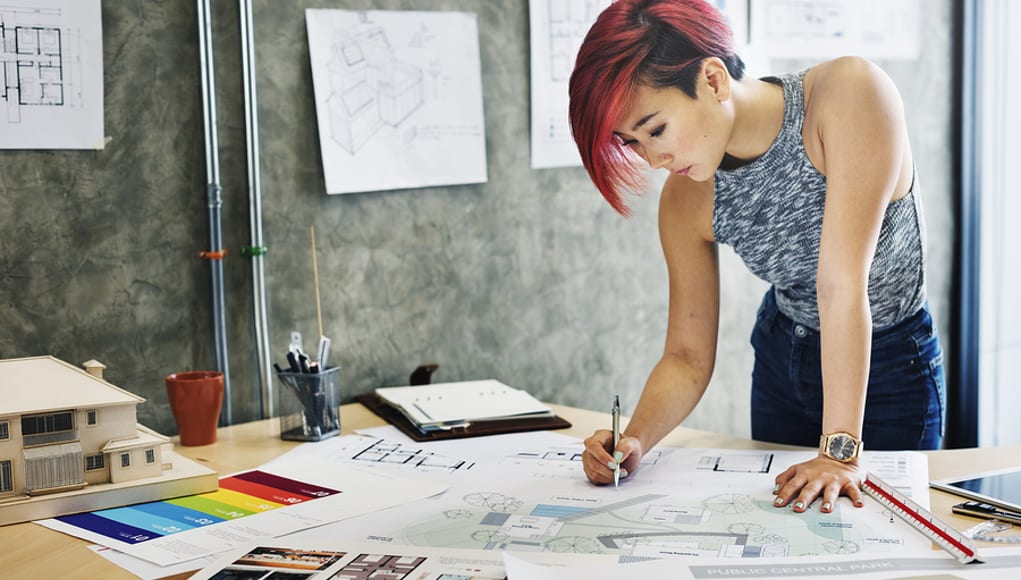
By: Amy McGrath. More and more young people are starting to build their own businesses. Mark Greenberg is the founder and CEO of BuildEd. He uses his experience as an entrepreneur in industries ranging from consulting to real estate investment to develop entrepreneurship courses for partners like ASU Prep Digital and several K-12 programs.
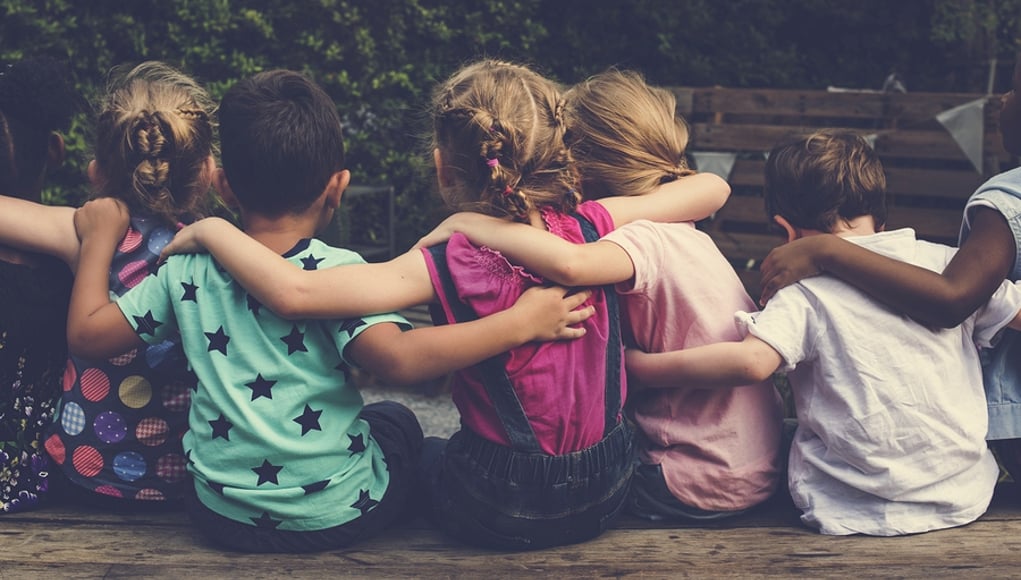
By: Mary Ryerse and Tom Vander Ark. Just as formative assessment informs the teaching and learning of math, reading and science skills, it can also provide essential guidance for the teaching of discrete SEL skills. Learn more about the relationship, and how to make the most of it, here.
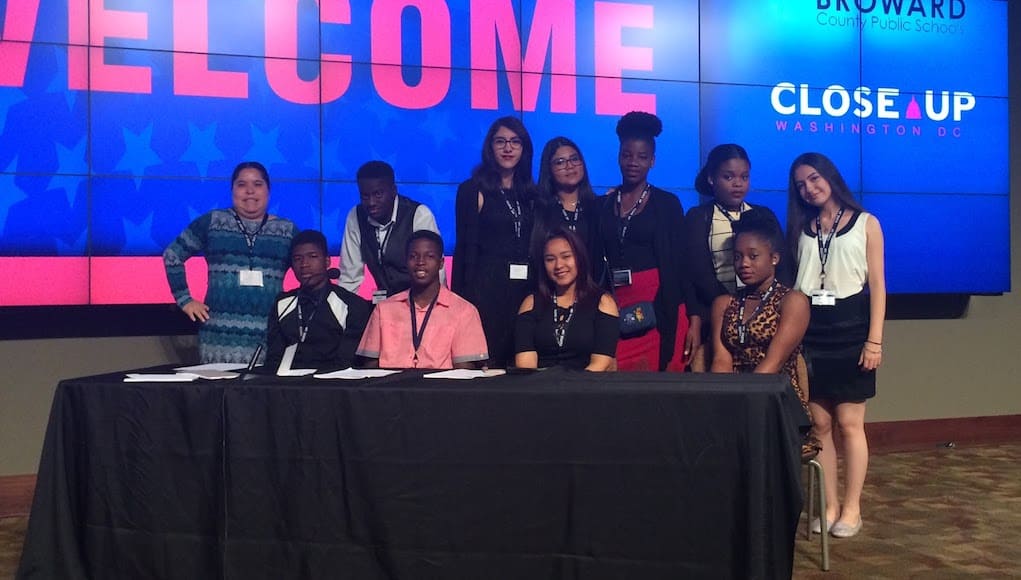
When students have a voice, and they know their voices matter, they realize they have agency in their own lives and in broader social, political and economic conversations. And then, great things happen.

By: Brian LeTendre. As students learn to persevere through challenging problems, learn from their mistakes and believe in their own ability to achieve, they are also developing skills that will help them navigate the world outside of school.
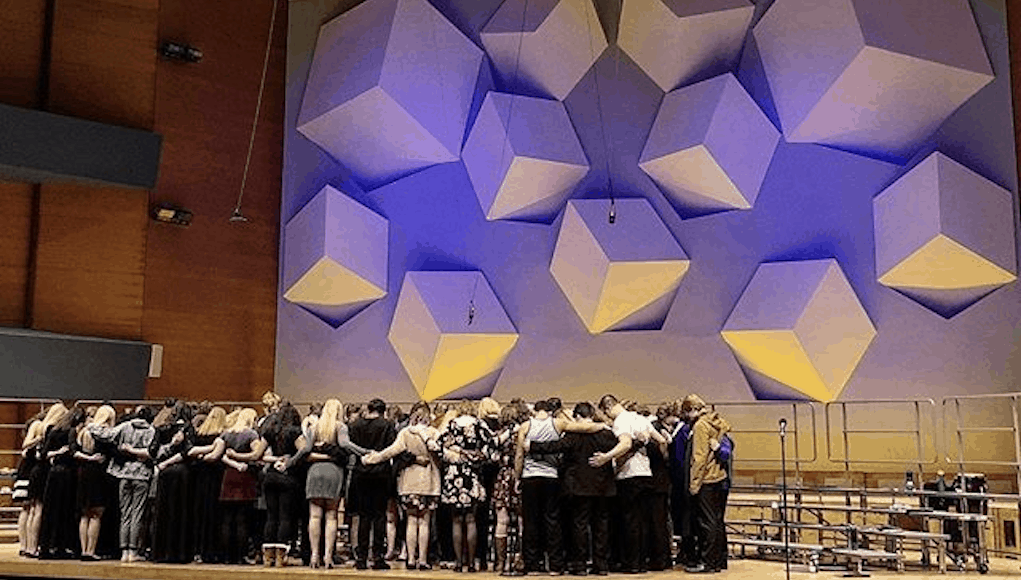
Music can help change the world for the simple fact that it can help change people. It can also show students that they can make meaning, make change, make history, and much, much more.

We all recognize the importance of 21st-century learning, but we don't often address the urgency of 21st-century learning as a mechanism for encouraging the social-emotional wellbeing of students. Here's why we should.
By: Janice Walton. As schools and districts across the country prepare students for life beyond secondary school, a key focus must be on ensuring these students are really ready to enter college and/or career.
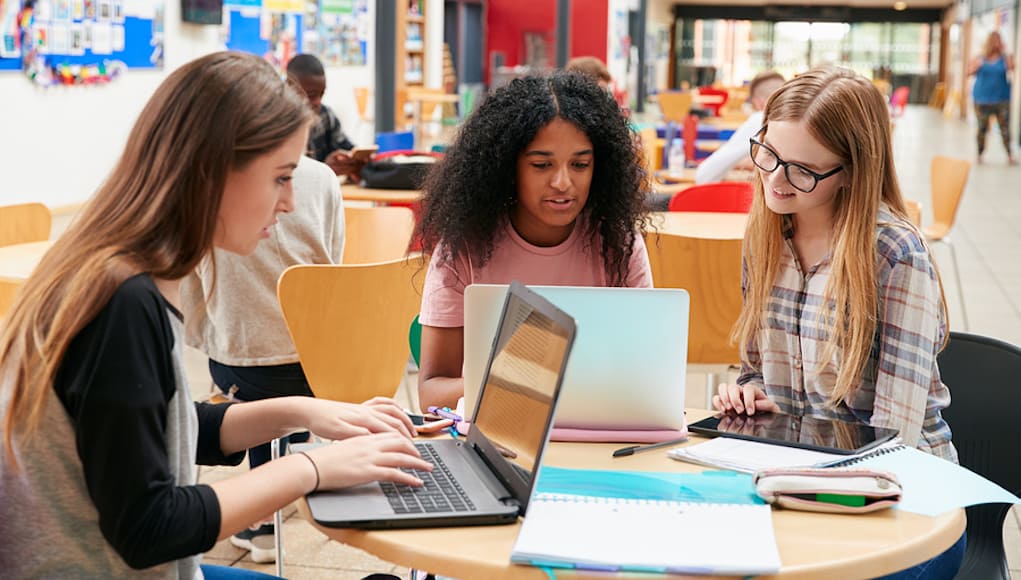
By: Isis Toldson. "In four short months, I will be graduating high school and heading off into the future... I know that my plans may change, and whether I pursue law or not I know that what I’ve learned about Design Thinking will always be apart of my life."

By: Rachelle Dene Poth. What are some of the qualities that they had which made them a good mentor and why? For me, I felt comfortable talking with my mentor, being open to the feedback that I would receive, and I knew that my mentor was available to support me when I needed.
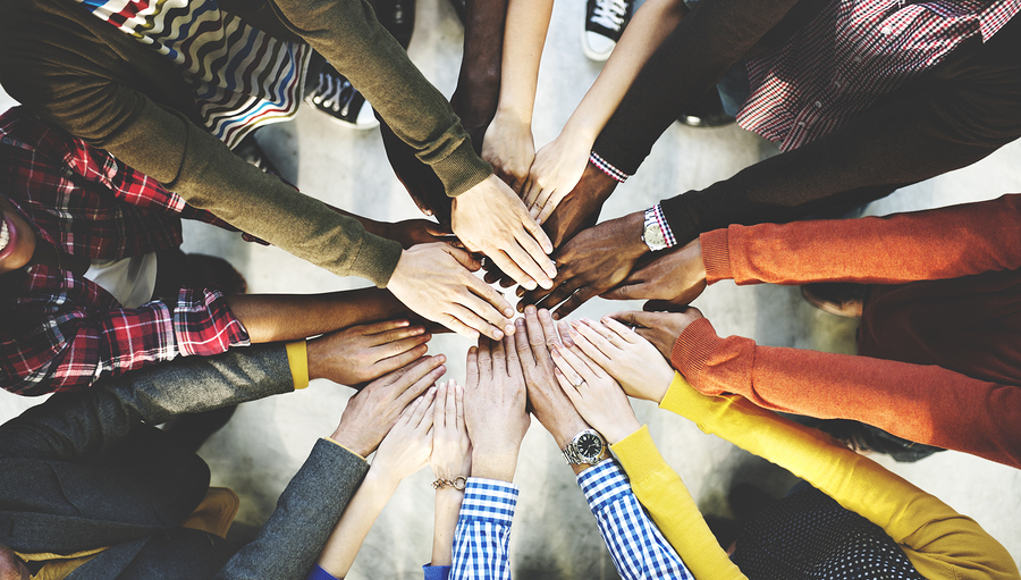
Our challenge as educators is whether we walk the walk. We ask our students to collaborate, or partner, but do we truly do it ourselves? How can educators model true collaboration and partnering to our students?