


Career & Technical Ed
Social Emotional Learning (SEL) is the deliberate commitment to including a framework of essential skills and dispositions that complement academics but historically have not been a part of curricular design. Learners acquire and effectively apply the skills necessary for self-regulation or managing and talking about emotions, forming relationships, setting goals and demonstrating empathy during their learning.

Dr. Tyler S. Thigpen. Today, more and more educators are committing themselves to designing learning environments that cultivate a broader, more holistic set of student outcomes. But identifying learning outcomes isn't enough. A students goals and challenges will impact each outcome in different ways.
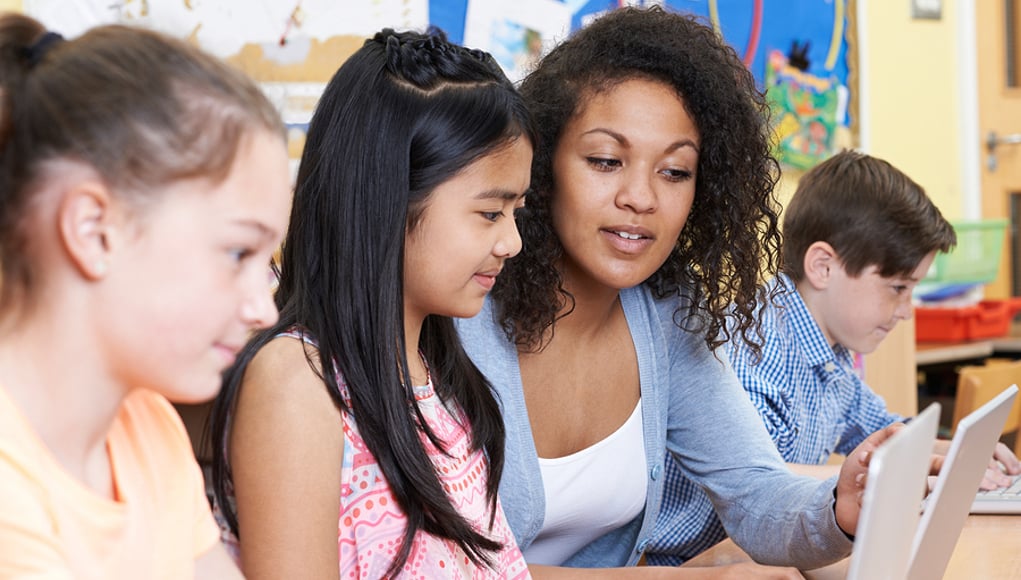
By: Jessica Lovins. Helping adults develop their social-emotional skills allows them to support, engage, and teach these critical life skills to students. In this post, we look at some good ways to train staff in this important area.
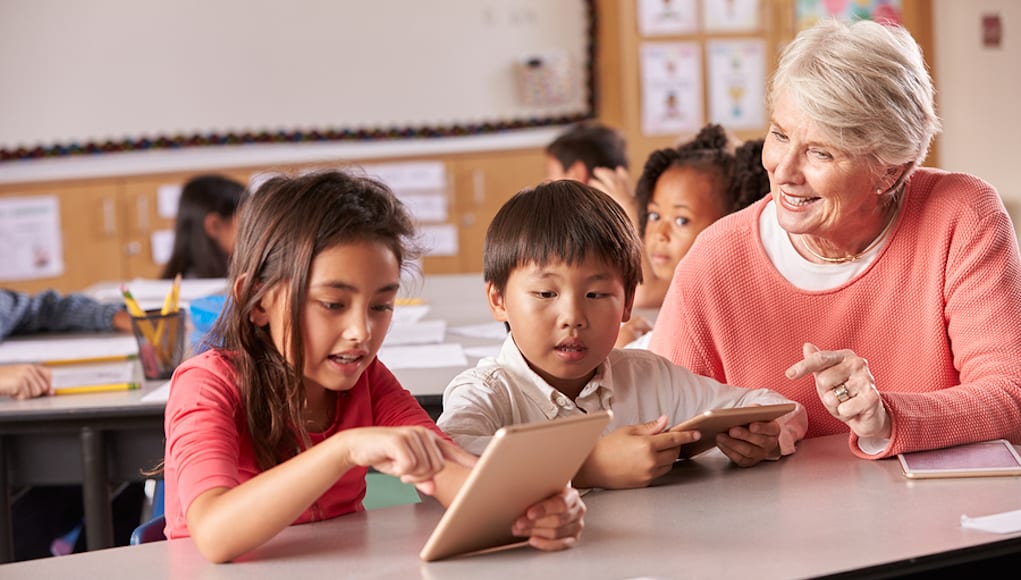
Austin ISD emphasizes the importance of relationships as a common thread that helps the district integrate efforts around two of their key focus areas: formative assessment practice and Social Emotional Learning (SEL). Learn more here.
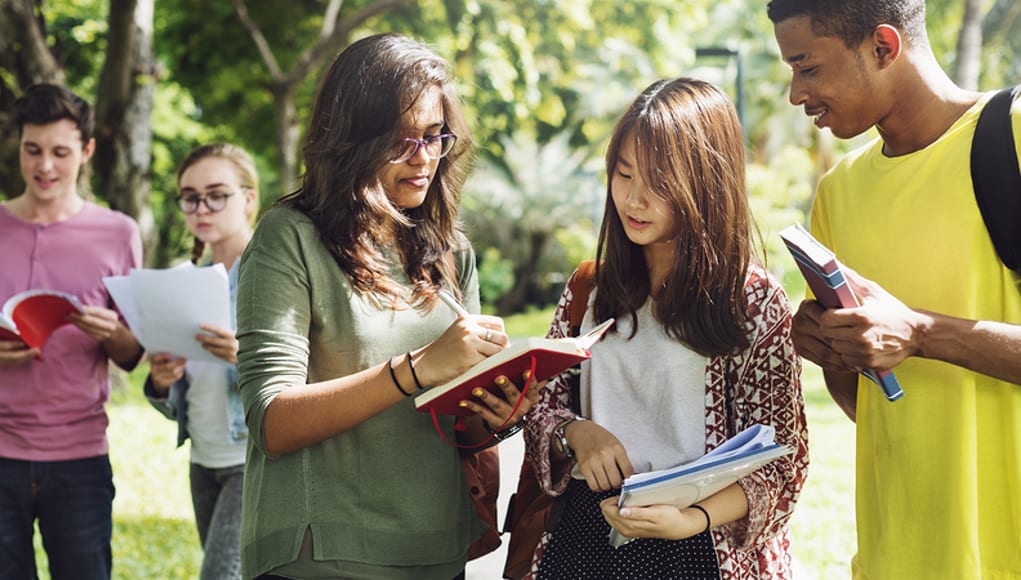
In Inventing Ourselves: The Secret Life of the Teenage Brain, Sarah-Jayne Blakemore uses neuroscience to push back on long-held negative perceptions about teenagers to reframe adolescence as a unique and actually productive developmental period. Learn more here.

Students who are motivated to learn are more likely to focus on understanding, are more likely to learn deeply, are more likely to go above and beyond in an assignment, and are more likely to investigate when they have a question.

By: Jordan Lippman and Janine Perri. In today's world, both employers and educational institutions place a high value on soft skills that are transferable across professional, academic, and social situations. One of the most frequently cited skills is collaboration.
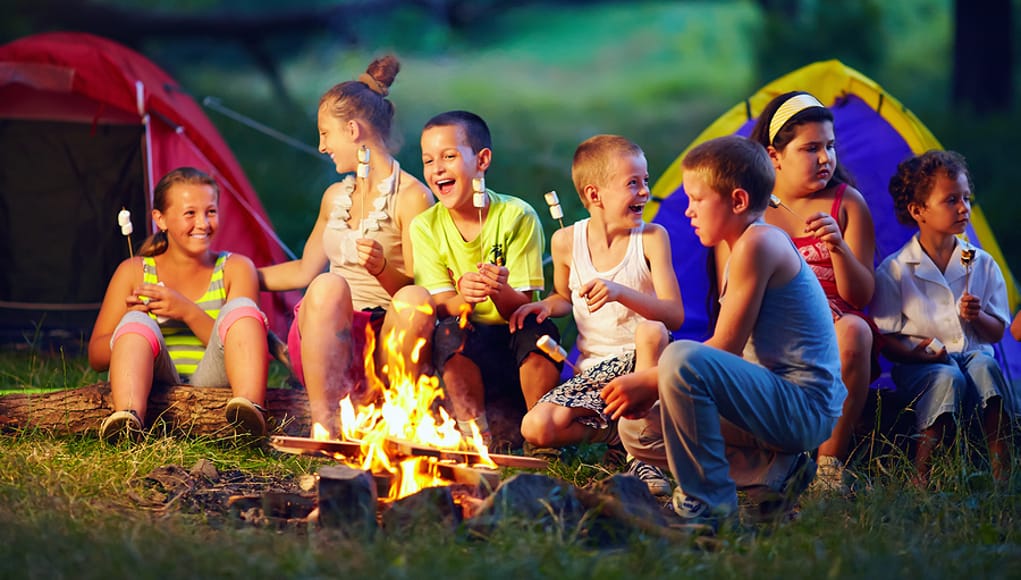
By reframing the potential of summer, from “ten weeks of academic wilderness between school years” to “the start of the next learning opportunity,” summer has the possibility to serve as a smooth, engaging, and uninterrupted continuation from one school year to the next.

If school leaders and classroom teachers recognize the collective power of their students, then it makes sense for them to give their students the chance to identify needs, challenges, and issues within their school's culture, and develop potential means of addressing them.

A flowering of research from neuroscience, psychology, early childhood, and a variety of other disciplines on the science of learning and development has begun to shed light on what is necessary for students to reach their full potential. How can our systems catch up to these findings?
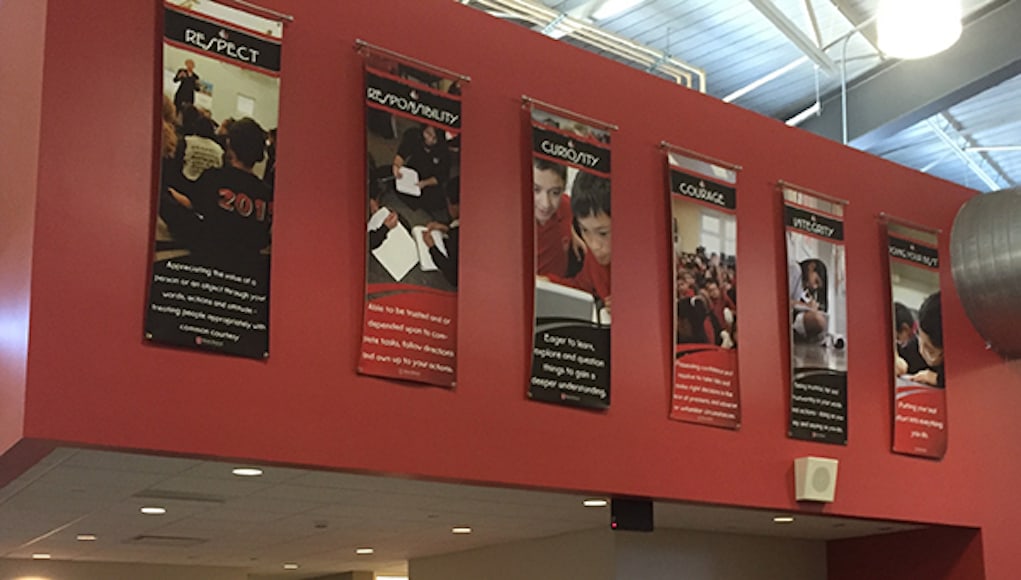
Shared values are central to life and learning at DSST. “We’re a values first organization,” said CEO Bill Kurtz. The shared values are alive in the DSST culture, practiced in the advisory system, and applied in real life learning opportunities.