


SEL & Mindset
Social Emotional Learning (SEL) is the deliberate commitment to including a framework of essential skills and dispositions that complement academics but historically have not been a part of curricular design. Learners acquire and effectively apply the skills necessary for self-regulation or managing and talking about emotions, forming relationships, setting goals and demonstrating empathy during their learning.

Redefining Readiness: New Literacies
Readiness has become a popular way to describe the mission. Are our students ready? Many like college and career ready. Others like Future Ready. In Part 1 of Redefining Readiness, Michael Niehoff focused on Pedagogy and Courses. For Part 2, he explores new literacies.
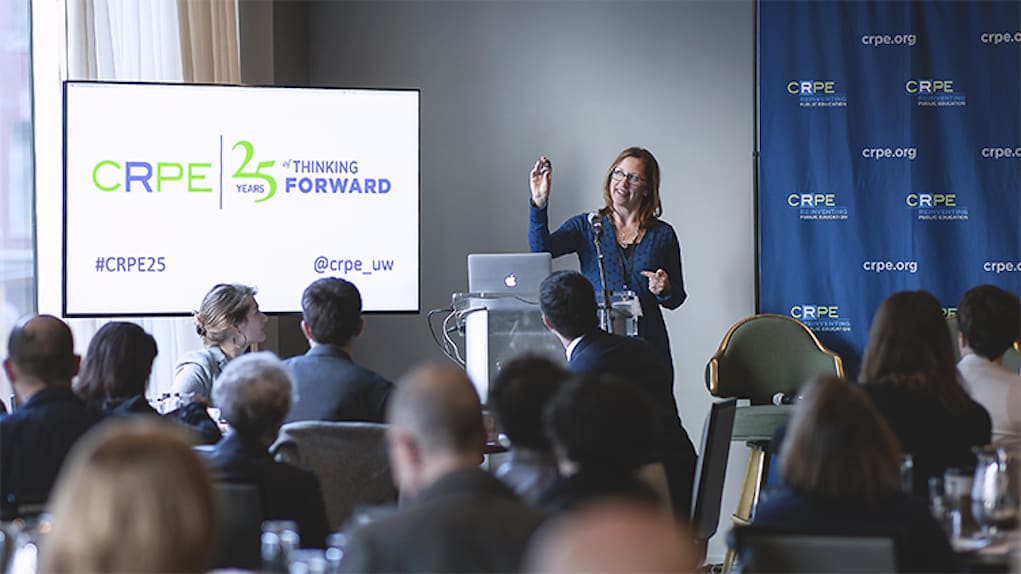
The Year of Thinking Forward
By: Robin Lake. Thinking Forward imagines a future where school systems push those principles to a new level, creating more of the conditions for cities to realize students’ untapped potential and prepare them to solve the challenges of the future.
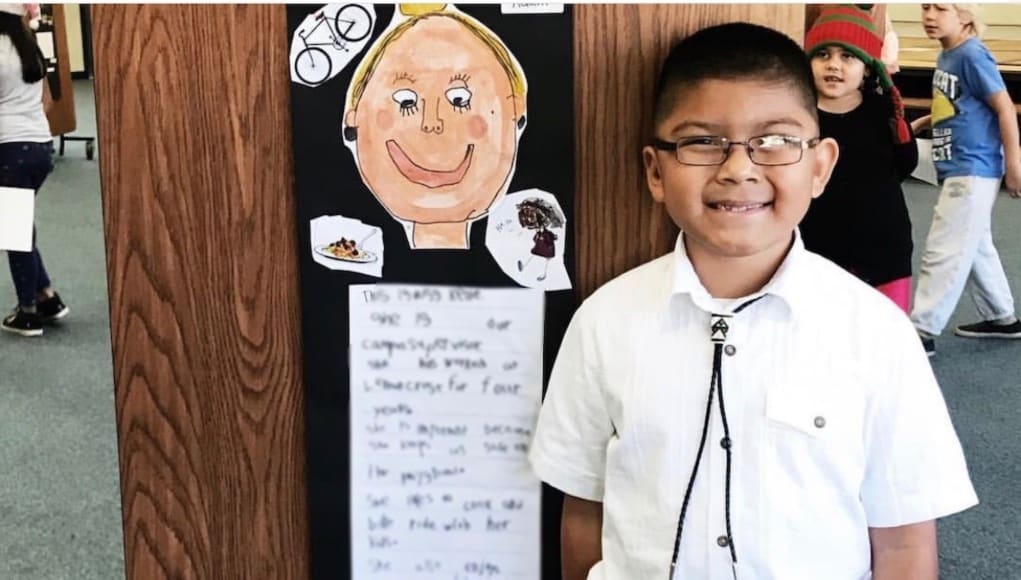
8 Reasons Why Students Should Share Their Work
In part three of a four-part series about how student engagement increases when students share their learning. Janice Walton provides eight reasons why it is important for students to share their work.

The Importance of Being a Mentor and Having a Mentor
Mentoring is a very important part of what we “engage” in as educators. Whether we serve as a mentor to a colleague or a student, or perhaps we seek out a mentor to help us with challenges or simply to have a system of support in our personal and professional lives, it has a tremendous impact. Whether or not we even realize it at times, we are all serving as a mentor to someone.
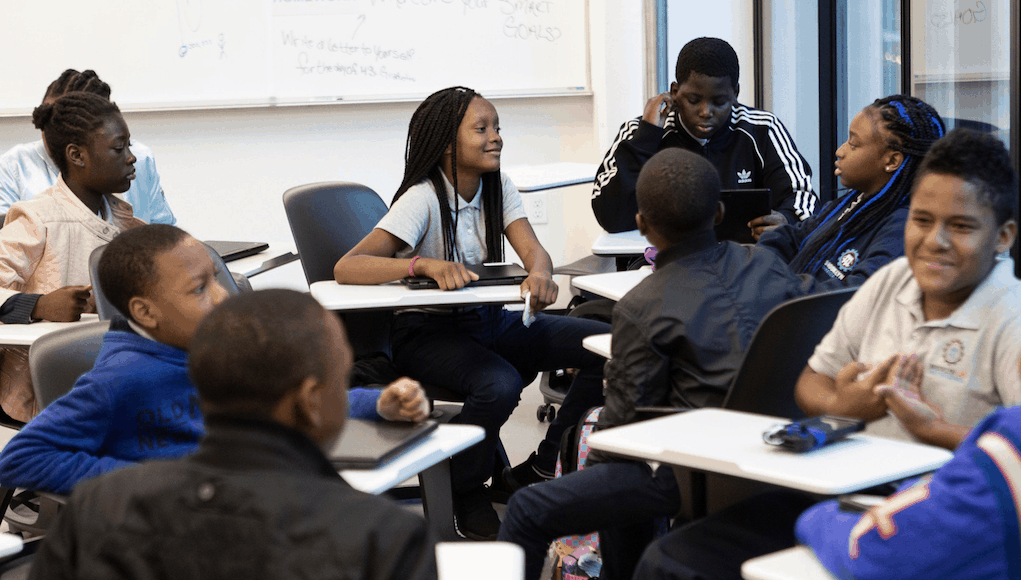
Now That Schools Are Promoting Broader Definitions of Success, How Do We Measure Progress?
As more schools adopt broader learning goals, there are a few questions vexing school leaders, including: How can we measure growth in creative thinking? How can we measure whether our graduating high school seniors have the habits necessary to succeed at college and throughout adult life?

Cultivating An Innovation Mindset in the Classroom
According to GenDIY, people who have innovation mindsets possess qualities such as “perseverance, initiative, collaboration, tenacity, and curiosity.” How can classroom teachers give students opportunities to develop an innovation mindset and build these important skills? Jamie Back offers a few ideas.
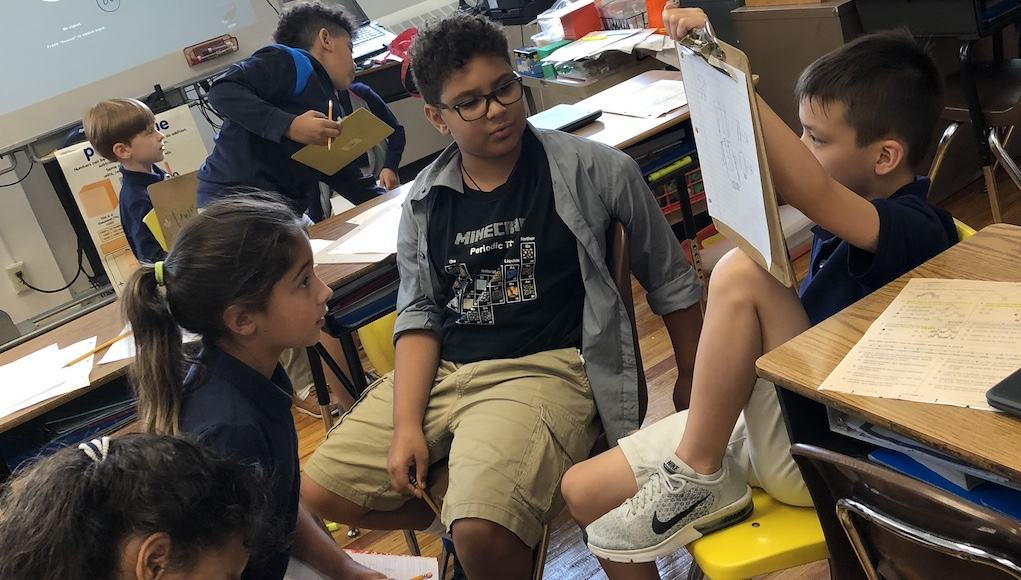
How Formative Assessment Transforms the Classroom, From Culture to Lesson Plans
By: Brea Lewis and Michelle Berkeley. The How I Know project has assisted 60 teachers in integrating formative assessment practice into their classrooms. In this post, Dallas teacher Brea Lewis shares how formative assessment practice has positively impacted her students' learning.

Ensuring Readiness for All Through Math Literacy
Bob Moses has spent his life advocating, organizing, and teaching in pursuit of equality and access for all. Over the last several decades, he has continued that fight for equal opportunity and access, with a similar urgency and fervor. This time, however, the goal is to ensure sufficient access and support for math preparation for minority and socioeconomically disadvantaged students.
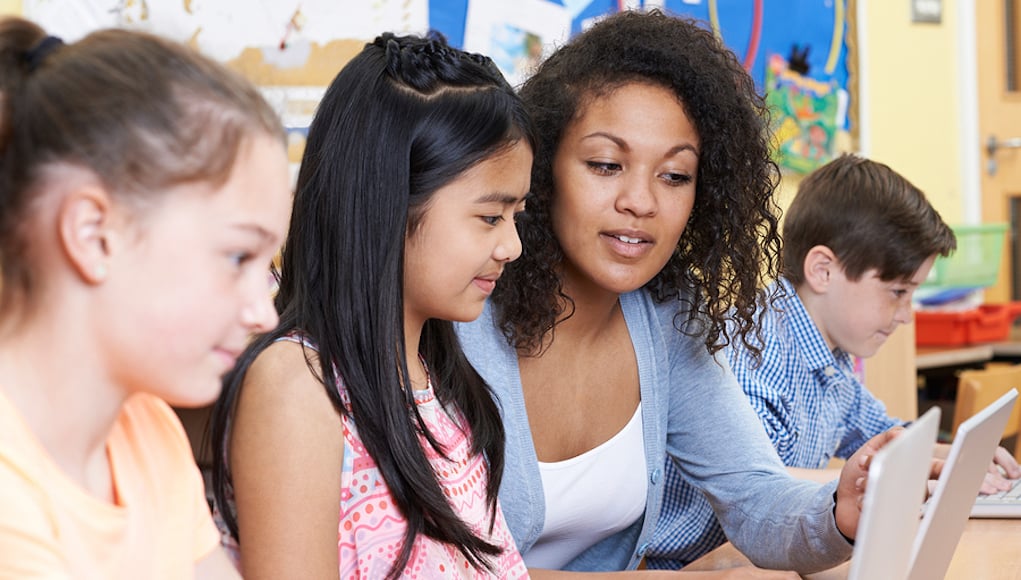
Creating a More Inclusive School Community Starts With Intentional Support for Teachers
By: Nichelle Bowes, Ed.D. Once we build the pathways into teaching, we have to think about how to best support our aspiring and veteran educators to successfully support each of their students. Nichelle Bowes offers a few lessons she has learned through her career.
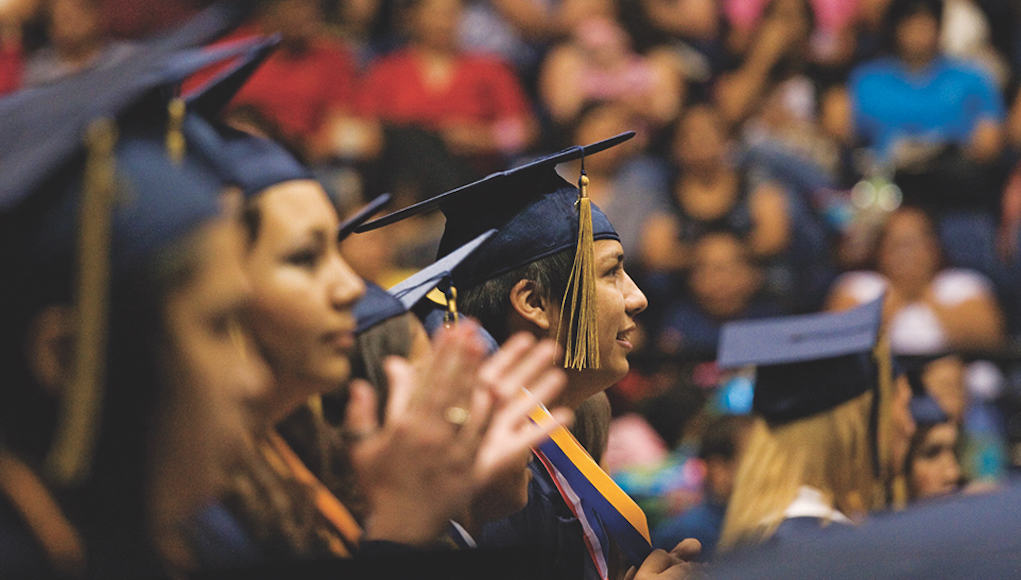
Gen Z and the Skills Gap
Dell Technologies recently surveyed high school and college students from around the globe about their views on technology and future careers. In this post, David Ross explores some of their findings.