

Project-Based Learning
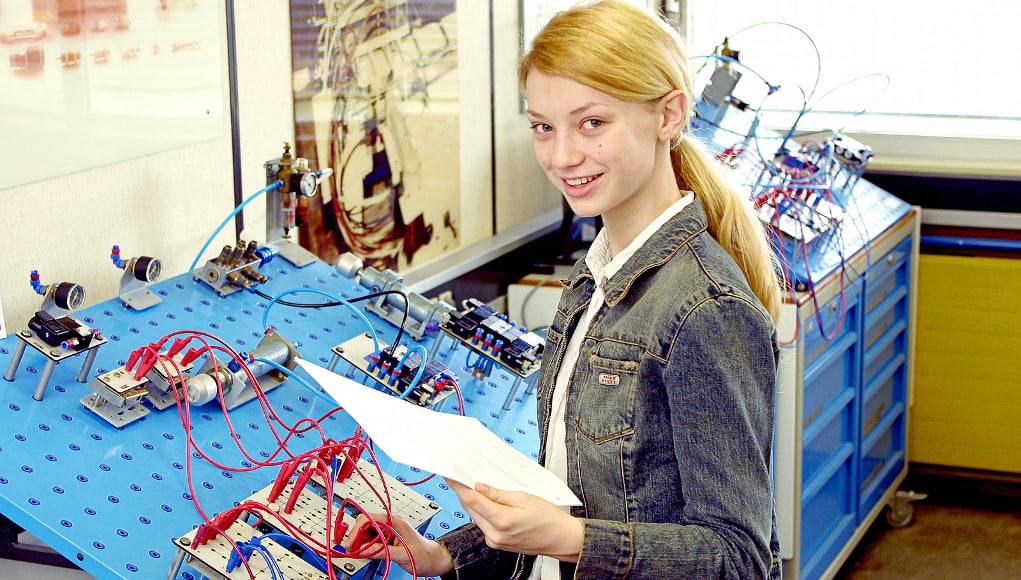
(PBL) is an instructional approach where traditional, direct classroom instruction and tests are replaced by authentic, often interdisciplinary projects, usually designed by the student with guidance from instructors/coaches, addressing real-world problems as the assessment instead of a test. It also is closely related to deeper learning, challenge-based learning, interest-based learning and more.

Chan Zuckerberg Backs Personalized Learning R&D Agenda
This month Tom traveled to the Fusion conference where he sat down with Bror Saxberg and Jim Shelton of the Chan Zuckerberg Initiative to hear more about their personalized learning and R&D agenda.

How to Humanize Learning in the Classroom with 3 Global Issues
By: Cleary Vaughan-Lee. How integrating stories of migration, climate change and language loss, can create real context and global-to-local connections for students.

Globally Connecting Learners through Project-Based Learning
Teacher blogger Rachelle Dene Poth shares how Project-Based Learning can help bring global connectivity to students and 5 steps to get started.
LRNG & John Legend Are Spreading Access to Quality Education
This month, LRNG Innovators and John Legend are rolling out a series of videos on teacher-led programs that creatively spark passion and excitement for learning in their students. Learn more here.
The Power of Constraints
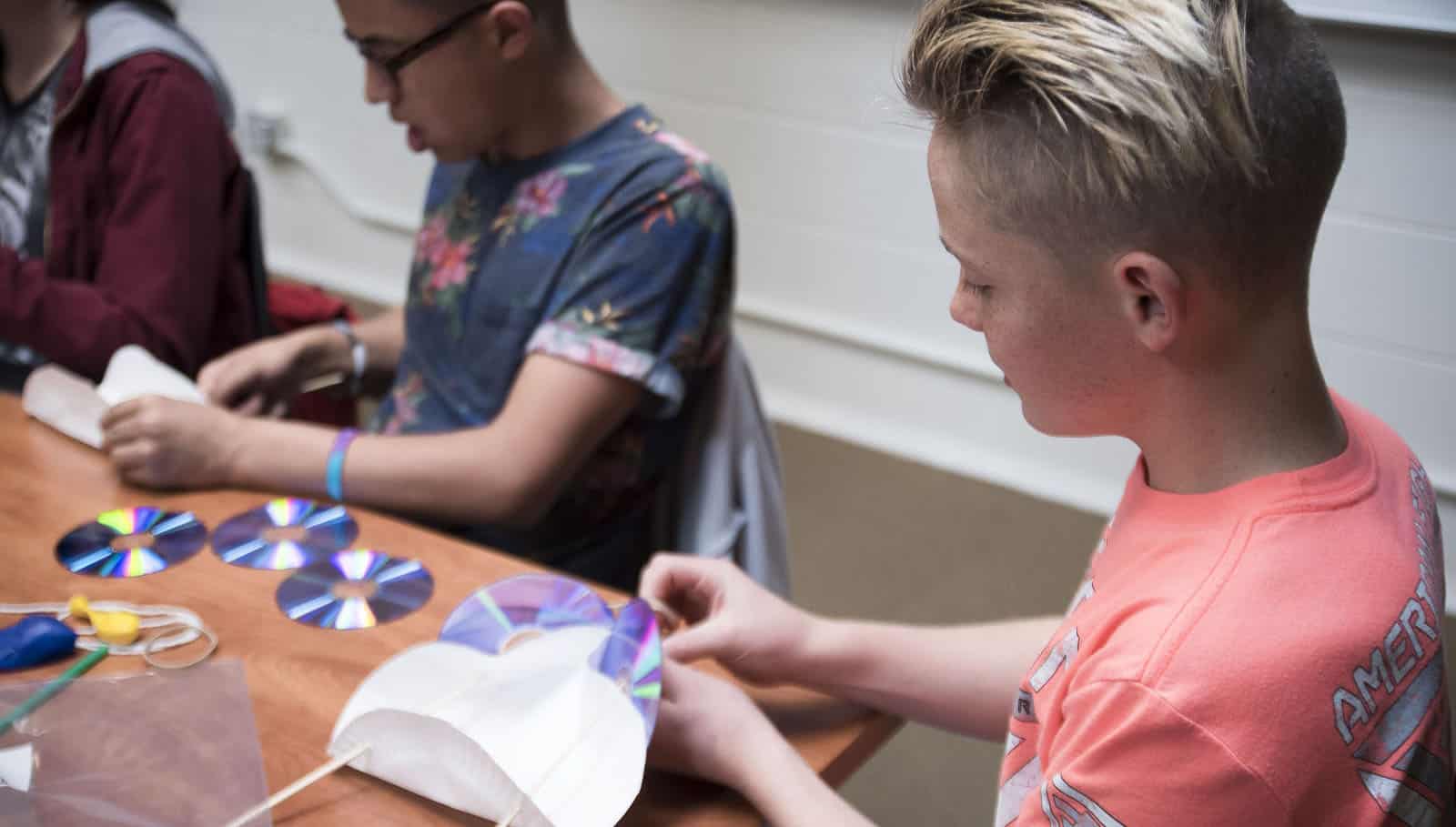
In our classrooms, we often think we need to remove restrictions so we don’t cramp our students’ creative style. Apparently, though, the opposite may be true.

A Celebration of Cross-Curricular Creativity
By: Andy Plemmons. The interdisciplinary nature of the project means that students have multiple sources of support throughout the project, from the art teacher to intervention teachers to classroom teachers to the librarian.
5 Ways to Overcome the Challenges of Implementing a Genius Hour
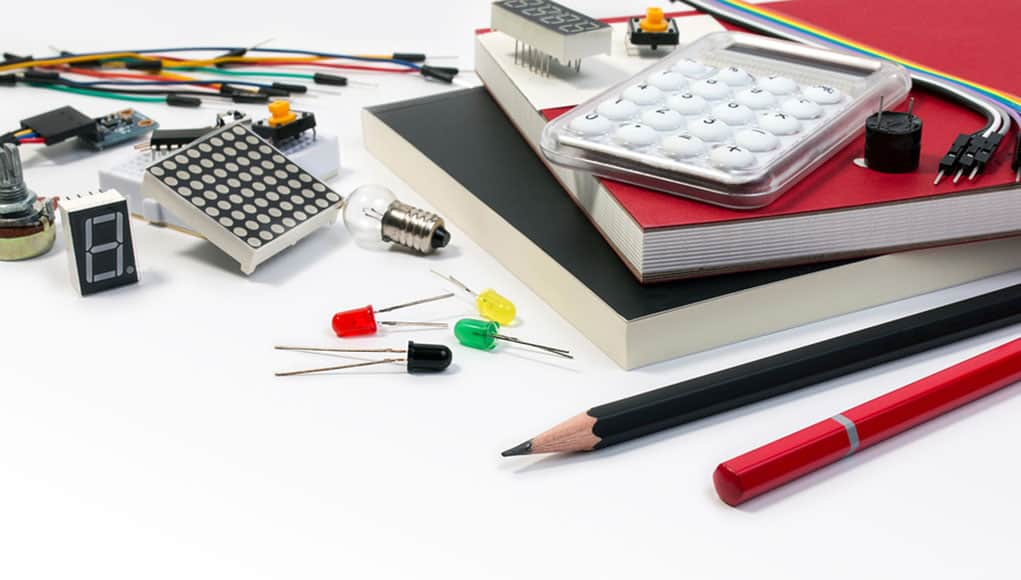
By: Donna Harvey. I suggested finding a way to make Genius Hour, a time designed to encourage student agency and creativity. My team bought in and we set out on the journey of trying to figure out how to provide our students with the chance to work on their own passions.
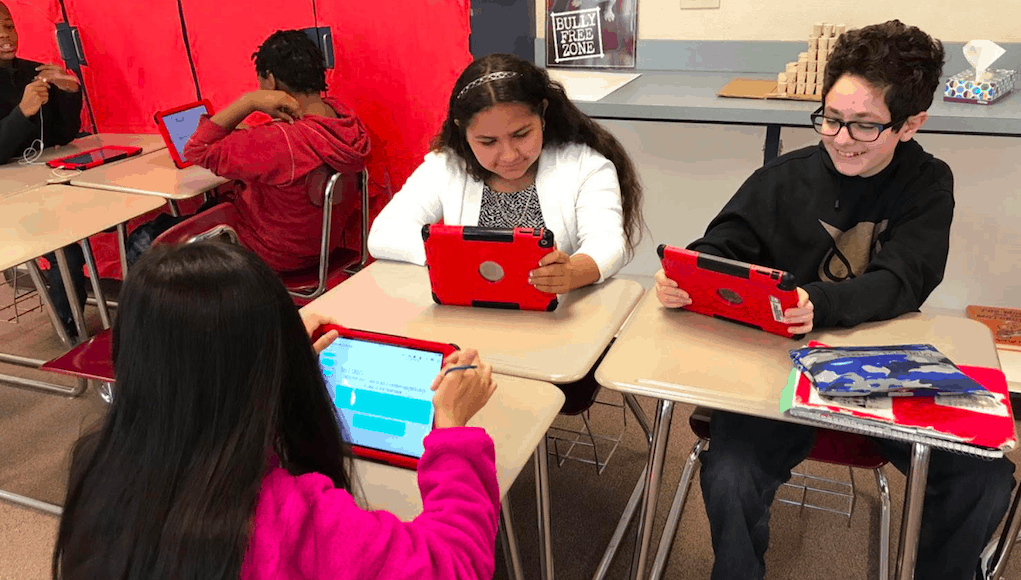
How Project-Based Learning Unleashes Students’ Creativity
By: Pamela Brennan and Brandi Zivilik. Two teachers share their experiences of how PBL inspires students to collaborate with each other and connect with their local communities.
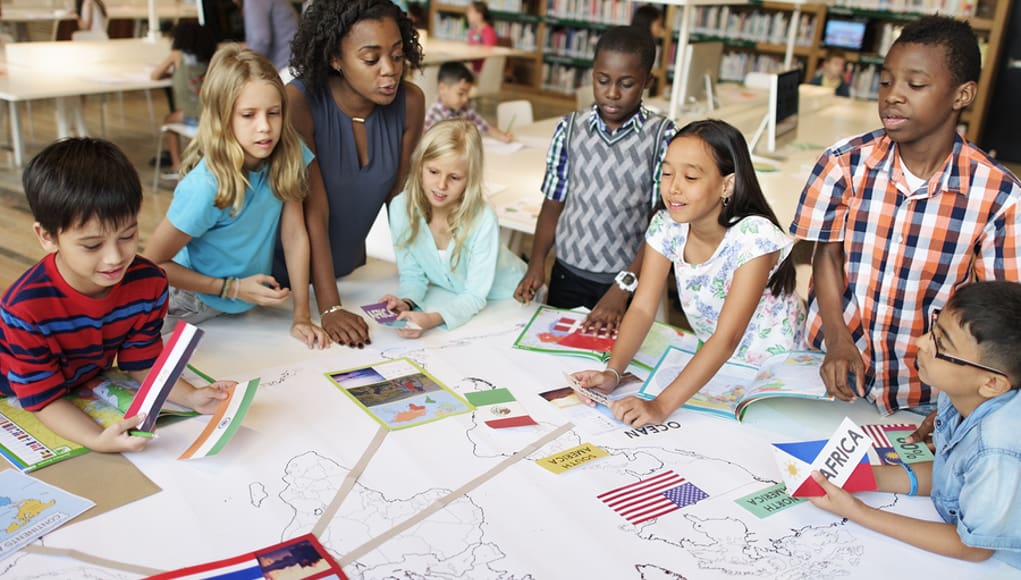
Engaging Students: Movement Through Games and Music
With a greater focus on flexible learning environments, and educators looking to promote student choice and voice, the perception of “what classrooms look like” has changed, and continues to evolve into a more active learning space--a place where students are empowered.

Philadelphia Is Reimagining Arts & Creativity Education Programming
By: Erik Day and Emily Liebtag. With their new Arts & Creativity Framework, Philadelphia is rethinking what arts education means and bringing it into the 21st century with a replicable strategy focused on stakeholder voice, resource allocation and community engagement.