


Project-Based Learning
(PBL) is an instructional approach where traditional, direct classroom instruction and tests are replaced by authentic, often interdisciplinary projects, usually designed by the student with guidance from instructors/coaches, addressing real-world problems as the assessment instead of a test. It also is closely related to deeper learning, challenge-based learning, interest-based learning and more.
Mentors Enhance Project-Based Learning
Tom explores Patty Alper'stheory that mentors enhance Project-Based Learning and shares examples of mentor projects in action.
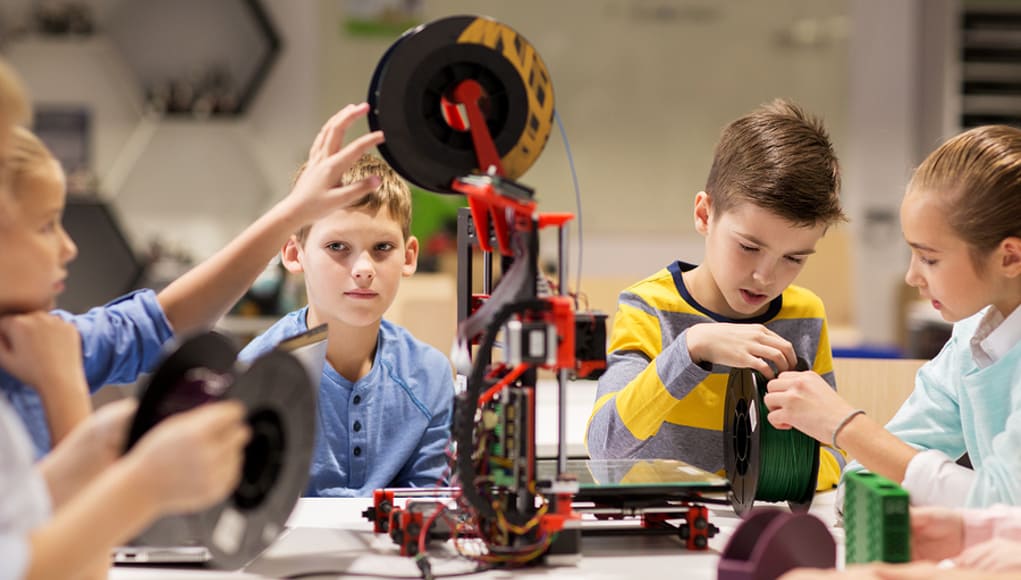
6 Ways to Inject Creativity Into PBL
In his latest post, Michael Niehoff explores six ways that one could infuse creativity into a project-based learning environment.
Students Learn Project Management From HQPBL Experiences
The future of work will require that individuals are prepared to manage a multitude of project. The PMI Educational Foundation believes in the power of project-management. Here’s how they’re supporting educators and students in learning effective project-management through PBL lessons and how teachers are integrating project management skills into their practice.
Microsoft Flagship Schools: Transforming Education From The Ground Up
This fall 17 schools throughout the world will embark on a collaborative journey to “transform education from the ground up.” Learn more here.

Defining High-Quality Project-Based Learning
Discover how the new Framework for High-Quality Project-Based Learning helps educators better prepare students to contribute in the innovation economy.

5 Things That Make Project-Based Learning Culturally Responsive
By: Joe Truss. Project-Based Learning (PBL) is starting to catch on across the country but why does it work? Joe Truss explains.

Project-Based Learning and the Performing Arts: A Match Made in Heaven
By: Mary Ryerse and Emily Liebtag. We recently came across "one of the coolest examples of project-based learning" that they have recently seen. When paired with Performing Arts, PBL does not only promote creativity—it inspires.

Real-World Writing Doesn’t Start with a 5-page Paper
By: Chuck Hensley and Larue Fitch. Two educators share best practices on using project-based learning to engage students and inspire them to explore careers.

Closing the Familiarity Gap Through Global Education
By: David Ross. In July we launched the Global Schools Network in an attempt to connect schools around the world who care deeply about global competence, global awareness, and linguistic competence. Learn more about our initiative here.
5 Steps for Sustaining PBL
By: Jenny Pieratt. High Quality PBL is a journey, not a destination. As you think about professional development for your staff this year, this process can help teachers continue on the trajectory of developing quality projects.