

Project-Based Learning
(PBL) is an instructional approach where traditional, direct classroom instruction and tests are replaced by authentic, often interdisciplinary projects, usually designed by the student with guidance from instructors/coaches, addressing real-world problems as the assessment instead of a test. It also is closely related to deeper learning, challenge-based learning, interest-based learning and more.

Closing the Familiarity Gap Through Global Education
By: David Ross. In July we launched the Global Schools Network in an attempt to connect schools around the world who care deeply about global competence, global awareness, and linguistic competence. Learn more about our initiative here.
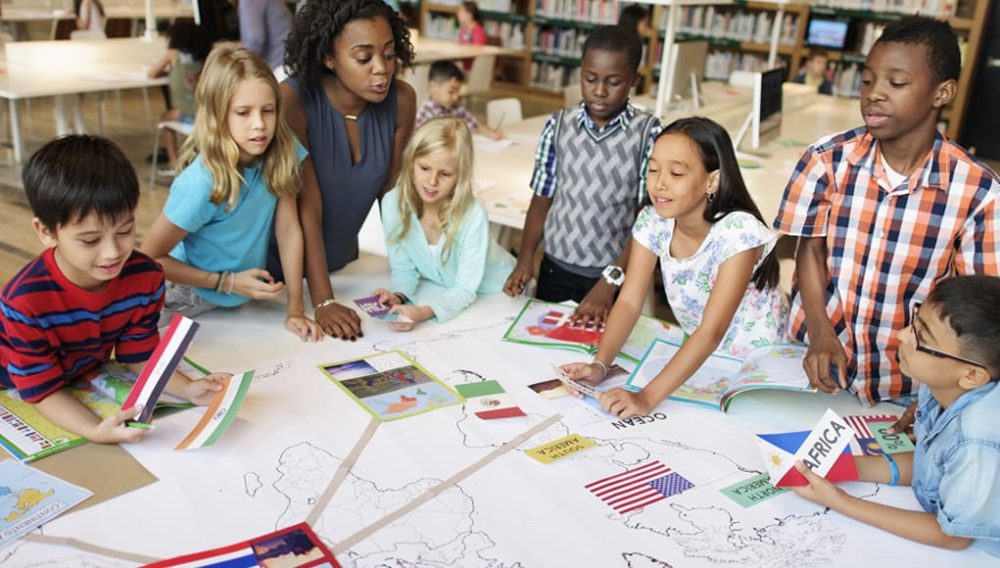
5 Steps for Sustaining PBL
By: Jenny Pieratt. High Quality PBL is a journey, not a destination. As you think about professional development for your staff this year, this process can help teachers continue on the trajectory of developing quality projects.

On Breaking Convention
We owe it to the next generation to get them ready--both for how to cope with all the convention breaking but also a framework for how & when they should break convention.

Democracy and Education
Democracy is facing a performance crisis. Cameron Paterson breaks down how education can make a difference and what we can do moving forward.

Reimagining High School in Paramount USD
By: Keith Nuthall and Becky Perez. Paramount Unified School District is rethinking high school to better prepare their student for the future.

Why High School Students Deserve Extended Challenges
To contribute now and in the future, young people deserve extended challenges--long projects that take on tough problems. Tom shares design principals and best practices for engaging students in meaningful extended challenges.

Flipped Learning 2.0: Rethinking the Flipped Classroom Model
By Scott Nadzan - How can teachers take the flipped learning model to the next level? The answer involves creating short-form, engaging and interactive videos that students actually want to watch, and encouraging students to create their own video content.

The Power of Us: A Network Powering Projects, Changing Lives
More than 1,400 educators from more than 150 schools across the U.S. and from Australia braved July humidity in St. Louis to further activate their network's commitment to powerful learning and the “power of us”. Here’s a look at network effect in action.

Asking Kids to Dream–And Bringing Dreams to Life
What if we asked kids what their dream machine would do, then helped them build it? MyMachine in Belgium (and expanding globally) is doing just that and offering thousands of children the opportunity to dream.
5 Resources for National Summer Learning Day
How are you celebrating National Summer Learning Day? Here are 5 resources to help get you started and keep you learning.