


Project-Based Learning
(PBL) is an instructional approach where traditional, direct classroom instruction and tests are replaced by authentic, often interdisciplinary projects, usually designed by the student with guidance from instructors/coaches, addressing real-world problems as the assessment instead of a test. It also is closely related to deeper learning, challenge-based learning, interest-based learning and more.
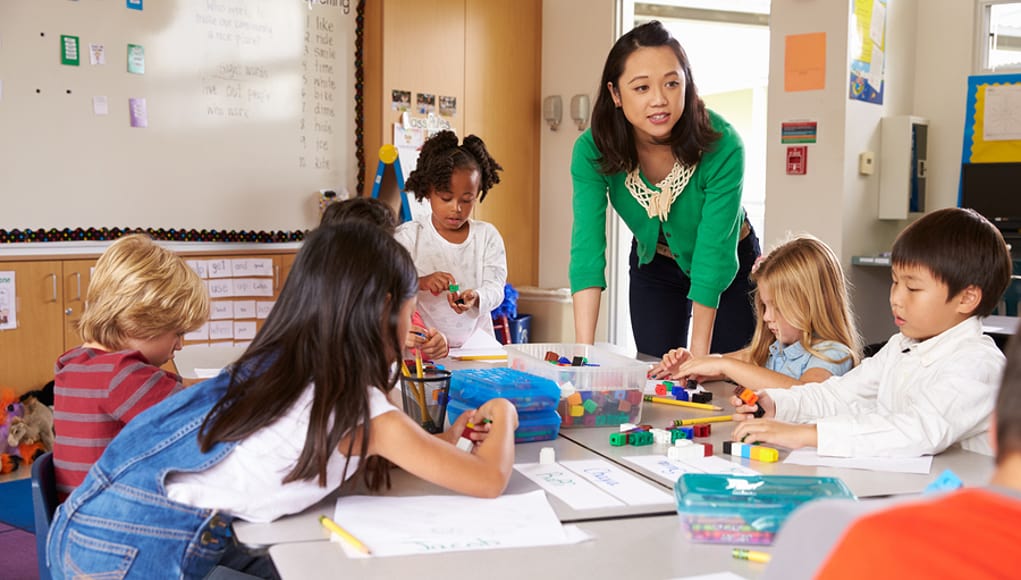
Reggio Emilia: The Future of Learning Has Roots in the Past
By: Beth Holland. Numerous current initiatives focus on creating personalized learner experiences through modern trends such as high-quality project-based learning (HQPBL) and design thinking. However, this pursuit to deliver learning that fuels each whole child has its roots in the Reggio Emilia Approach that Loris Malaguzzi first envisioned in the 1940s.
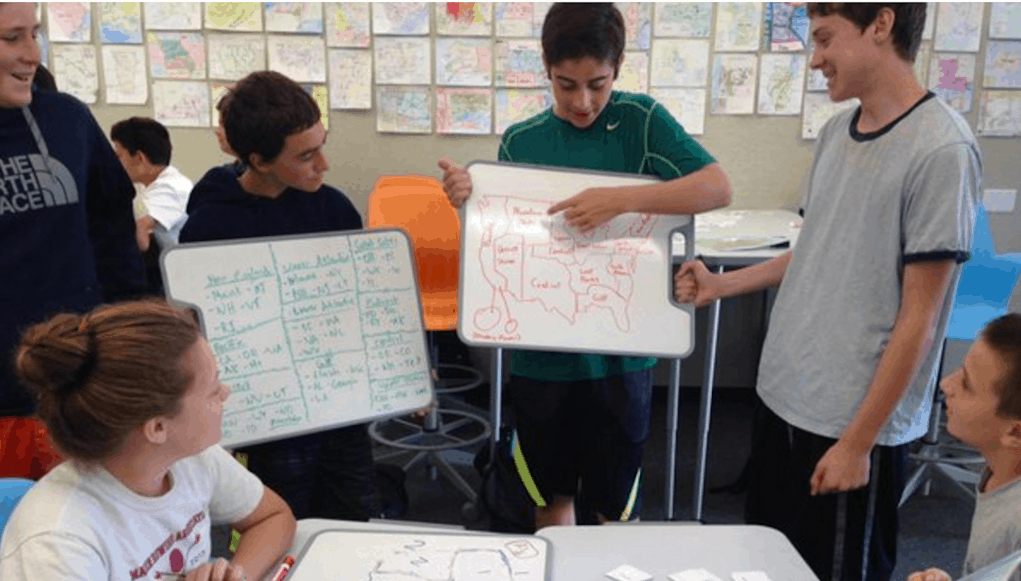
Getting Students to Take Control
Getting students to “buy-in” and take control of their learning starts with seeing them as individuals and understanding each of them has different motives, beliefs and goals. Here are a few ideas to consider to help them start.
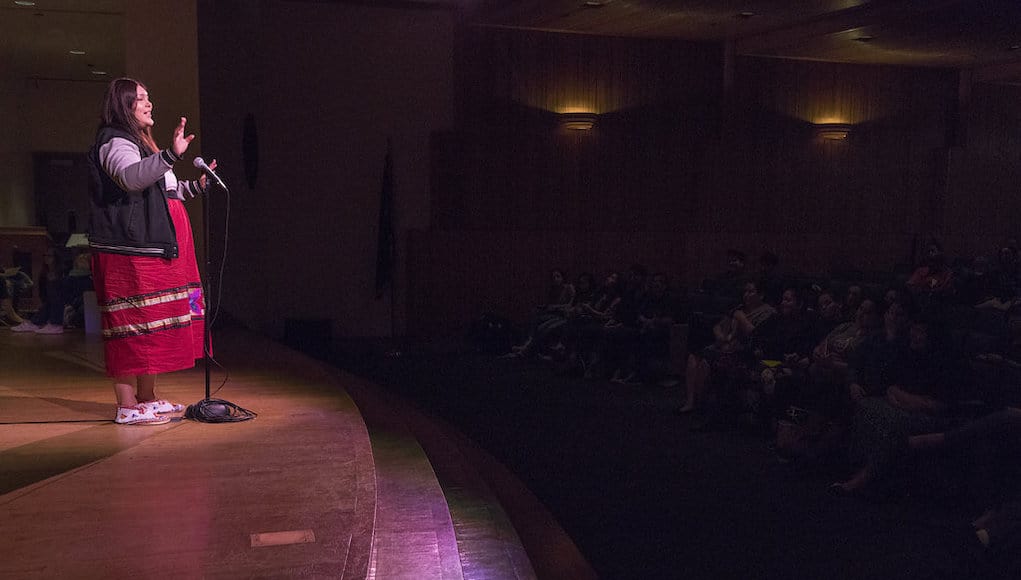
How a Community Organization is Helping Students Find and Share Their Voice
In part two of a four part series about how student engagement increases when students share their learning, we take a look at how Story Works Alaska is helping "youth develop skills, resilience, and engagement as they explore and share their own stories."
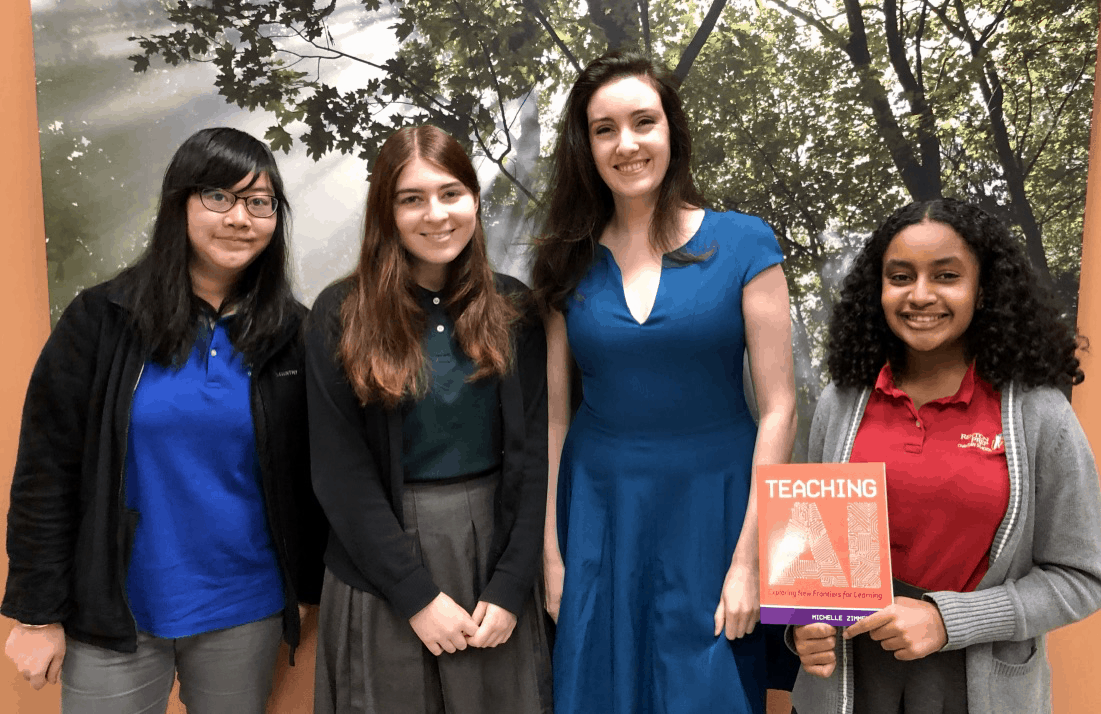
Teaching AI: Exploring New Frontiers for Learning
Inspired by the growing popularity of AI in pop culture and media, as well as more adaptive learning programs being released, Michelle Zimmerman realized change was coming for both what and how young people should learn and set out to write "Teaching AI: Exploring New Frontiers for Learning".
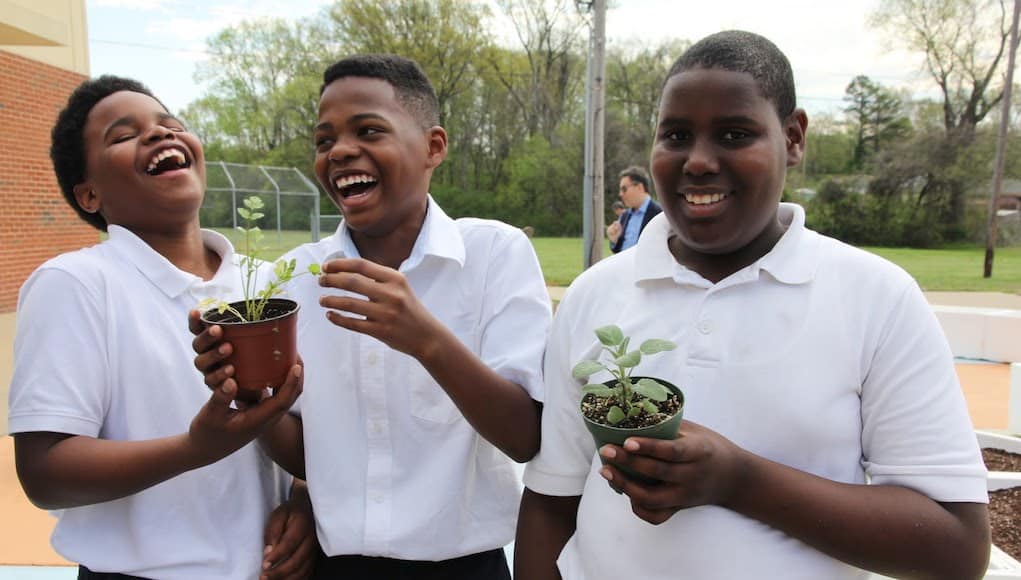
Learning Gardens Provide Equity, Access and Great Food
Caroline Vander Ark has long appreciated community and school gardens but worried that they often didn’t connect to student learning and create a lasting impact. However, when she heard about the work of Big Green she was intrigued and reached out to Kate Waller, who manages their national growth to learn more.
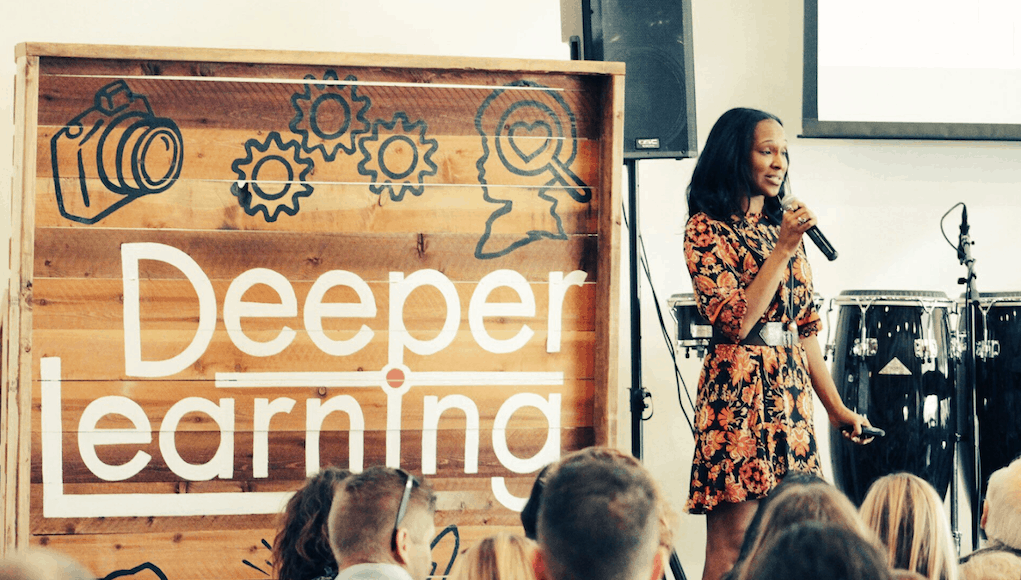
Brain Research, Creativity and Project-Based Learning
Does brain research support the belief that if you want to produce a student outcome such as creativity you first must build a classroom culture in which creativity can grow and then you must adopt a pedagogy (like PBL) that allows it to bloom? David Ross explains.
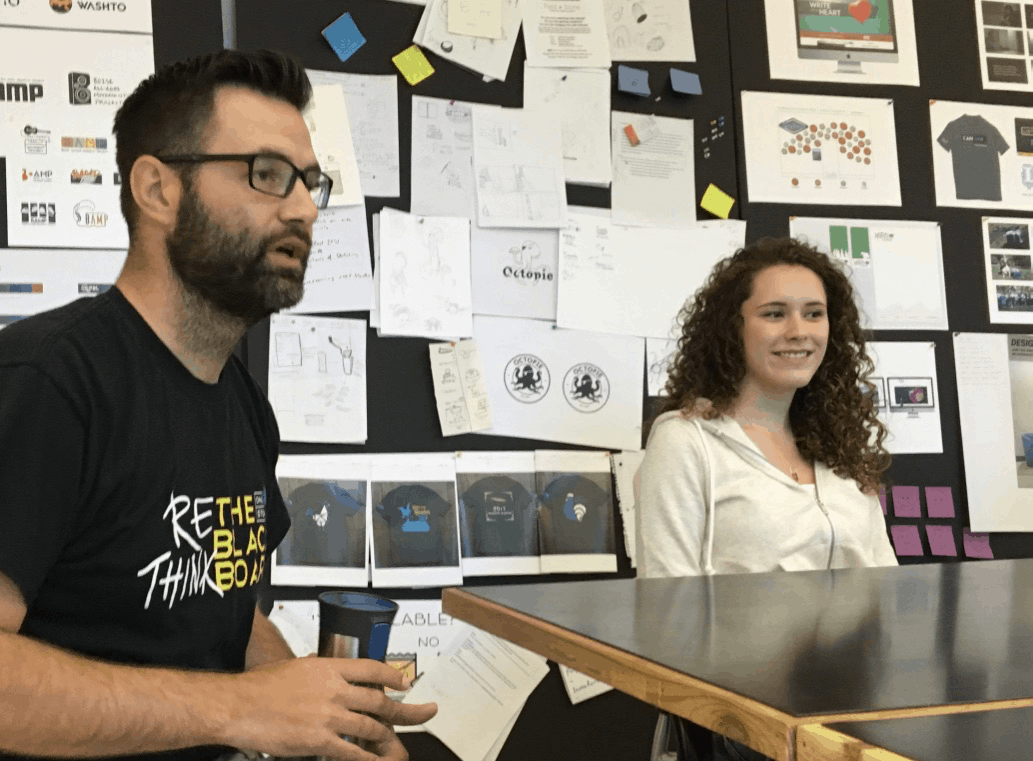
Good Enough? Helping Young People Develop a Picture of Good Work
High expectations are an important part of a school model, culture and community. Here are several examples of schools and programs that are helping students learn to deliver on professional grade expectations.
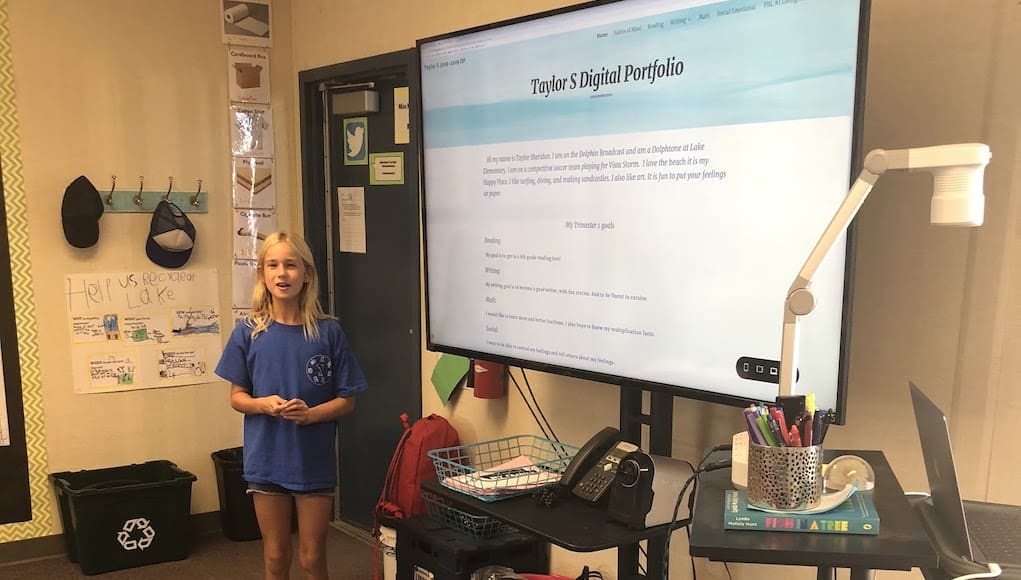
Empowering Students Through Sharing
This is part 1 of a 4 part series about how student engagement increases when students share their learning. When students are provided an opportunity to publicly share their knowledge about something they have learned, they are given more opportunity to take ownership of their work, which demonstrates that…
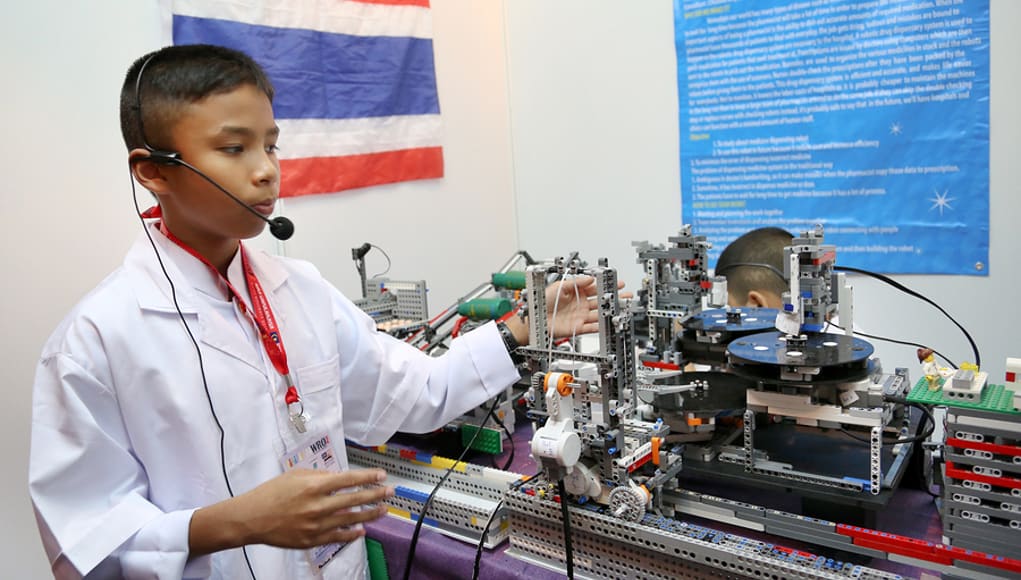
Using Robots to Teach the 4 Cs to Young Students—Without Screen Time
By: Kathy Hay. A technology integrator shares how 23 districts in Iowa are promoting STEM learning while limiting the time students spend in front of tablets or laptops.
A Year in Review: High-Quality Project Based Learning
As we look back, it is evident that project-based learning not only increases student engagement, it helps students develop academic and social and emotional skills for life and careers. Over the year, we visited 8 schools where students are having HQPBL experiences, here is what we discovered.