

Project-Based Learning
(PBL) is an instructional approach where traditional, direct classroom instruction and tests are replaced by authentic, often interdisciplinary projects, usually designed by the student with guidance from instructors/coaches, addressing real-world problems as the assessment instead of a test. It also is closely related to deeper learning, challenge-based learning, interest-based learning and more.
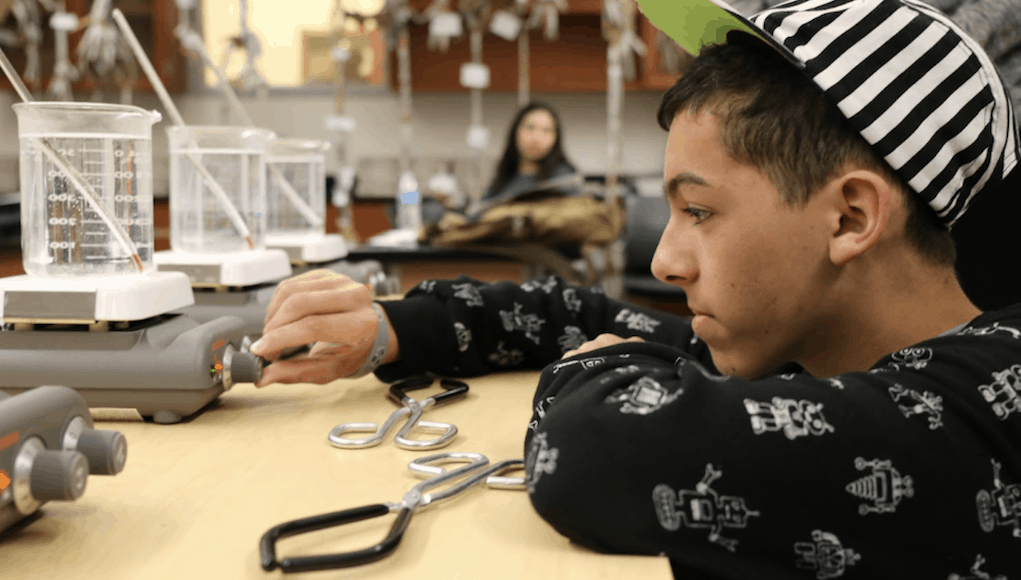
The Shift to Innovation Through the Power of Networks
Our latest report, How to Innovate: Options for School Districts explores innovation opportunities and identifies New Tech Network as an exemplar design partner for comprehensive school change.
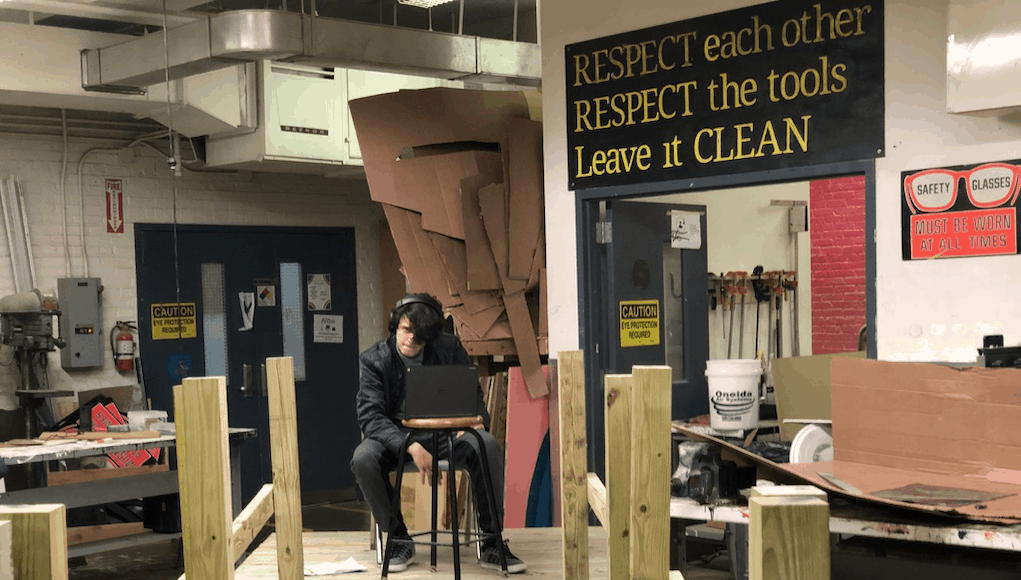
Organizing Your School As A List Of Courses Doesn’t Work for Learners
A list of courses will not help young people (in high school or college) find and begin to make their unique contribution. It’s time to move beyond the historical structures and practices what we inherited in education and start doing the right thing for kids.
A Pedagogy of Possibilities: Social Justice Delivered Through Literature and Writing
Developing a framework for a socially just school through literature and writing goes beyond the classroom to lessen apathy, enhance relationships and solidify student ownership.
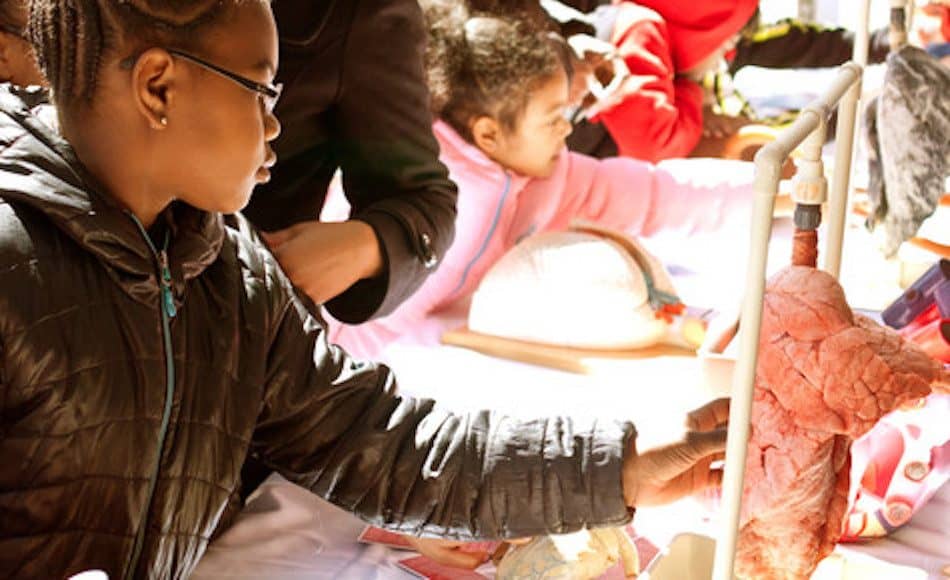
Place-Based Education Anchors Learning in the Community
David Ross explains how in Place-Based Education the nature of a place determines the culture of the classroom to an extraordinary degree.
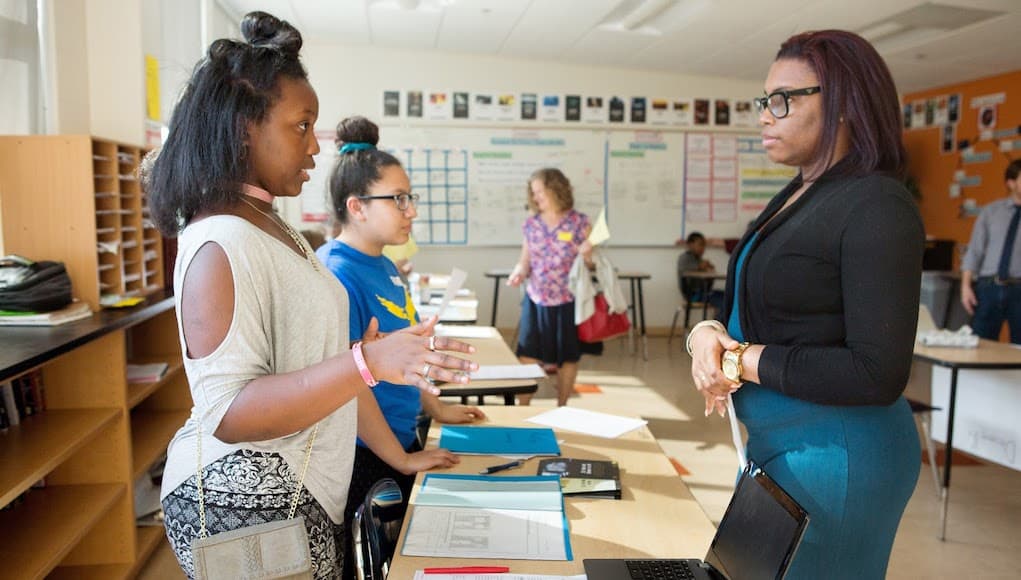
Expanding Our Notion of Student Agency
Student agency from a sociocultural perspective has as much to do with external factors that shape experiences and possibilities as it does with internal attributes. Read more from one of our regular columnists on why it's time to expand our notion of student agency.
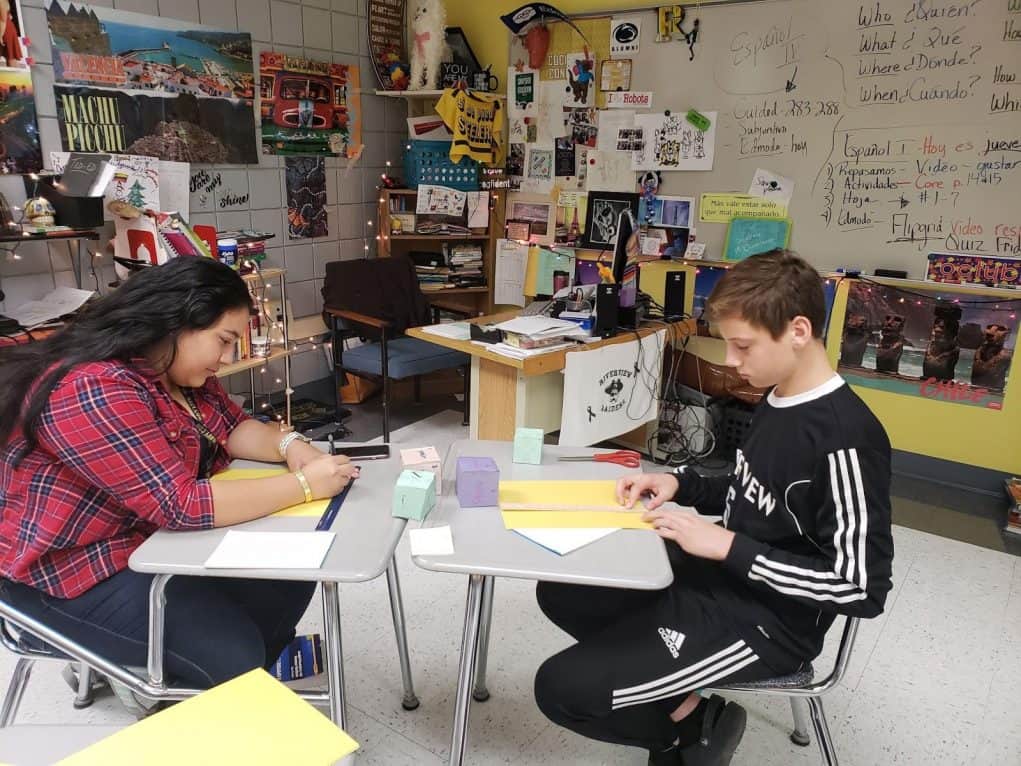
Fostering High Quality Student Experiences through Projects
Project-based learning means going beyond assigning projects and instead, promoting student agency by having students drive their learning.
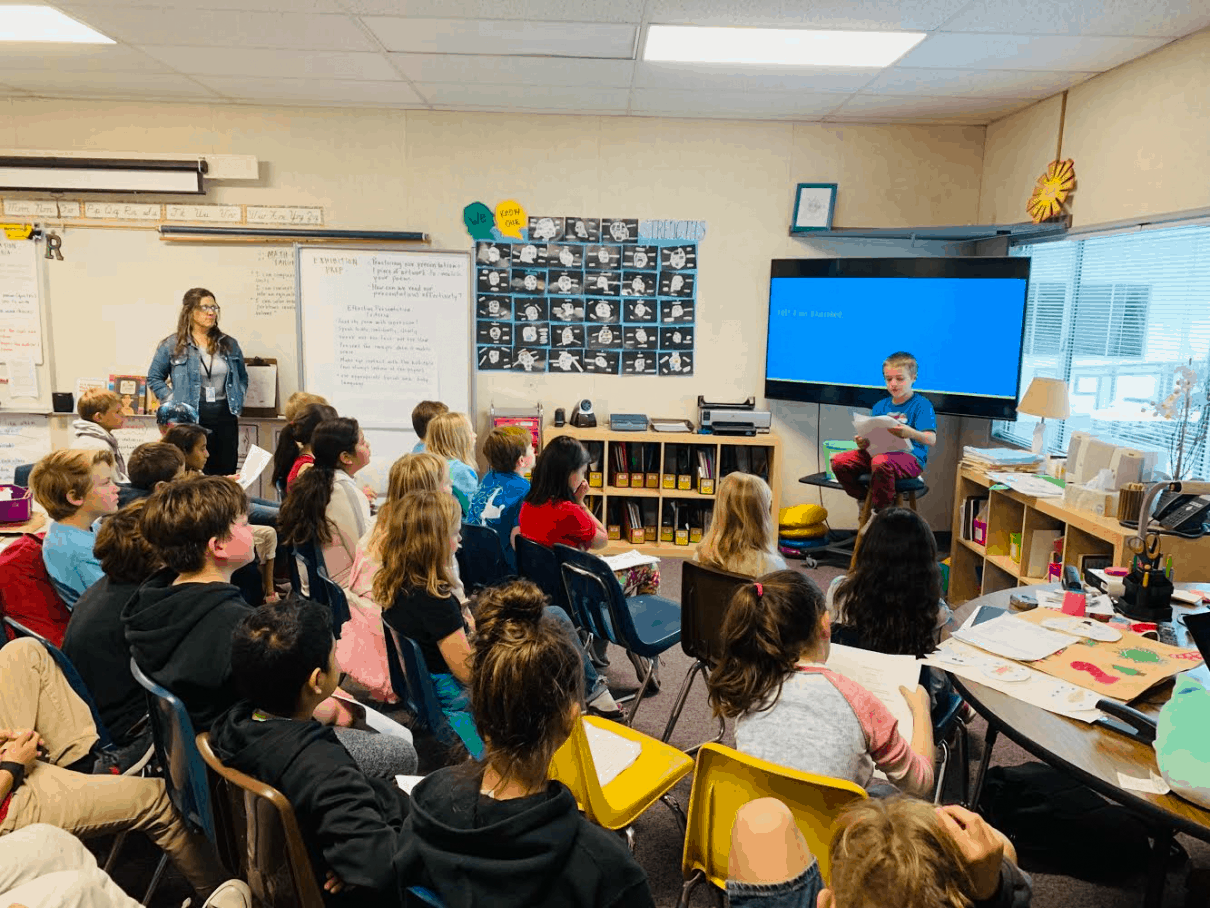
A Teacher’s Perspective on the Importance of Sharing Students’ Learning
By: Erik Ray and Janice Walton. In the last blog of the Share Your Learning series, Erik Ray and Janice Walton discuss how student engagement increases when students share their learning.
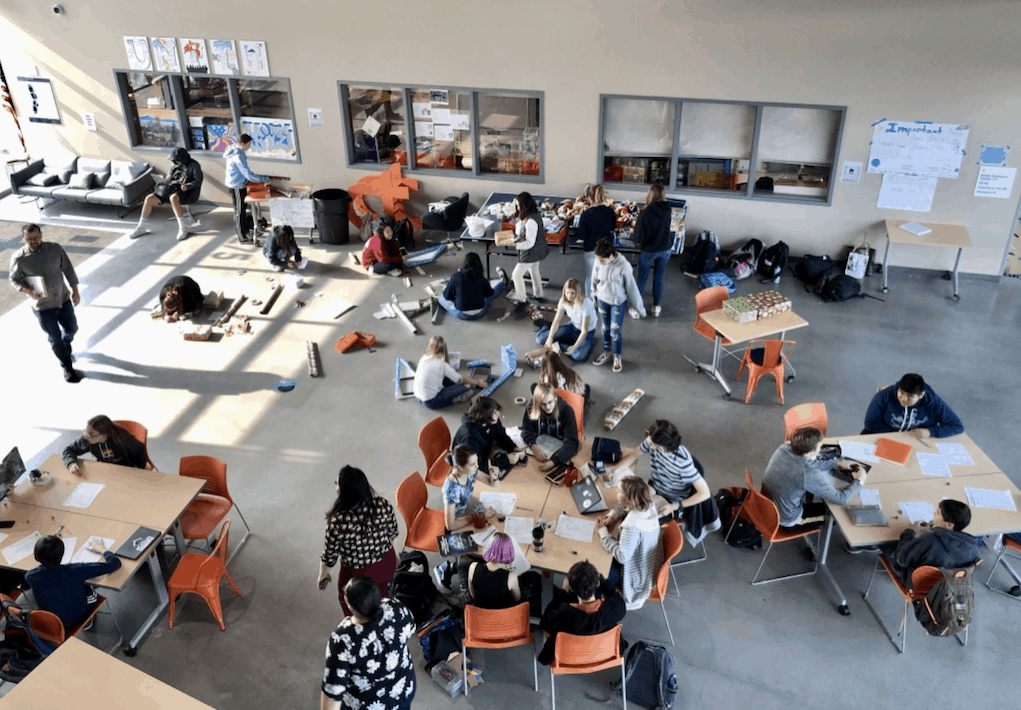
New School Formula: Harder Problems and Fewer Answers
Artificial Intelligence will have more influence on the livelihoods of young people over the next several decades than any other factor. To contribute now and in the future, they will need extended challenges that encourage them to build agency while solving harder problems with fewer answers.
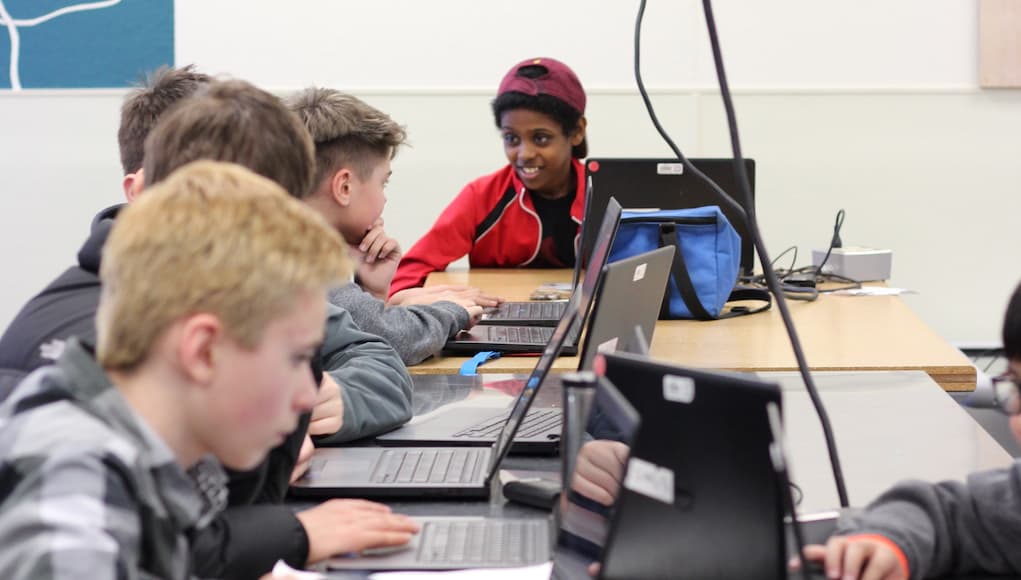
A Refresher Course on the NGSS
The Next Generation Science Standards (NGSS) are a structured and cohesive three-dimensional approach to science education in the US. This post explores what they are, and how they work.
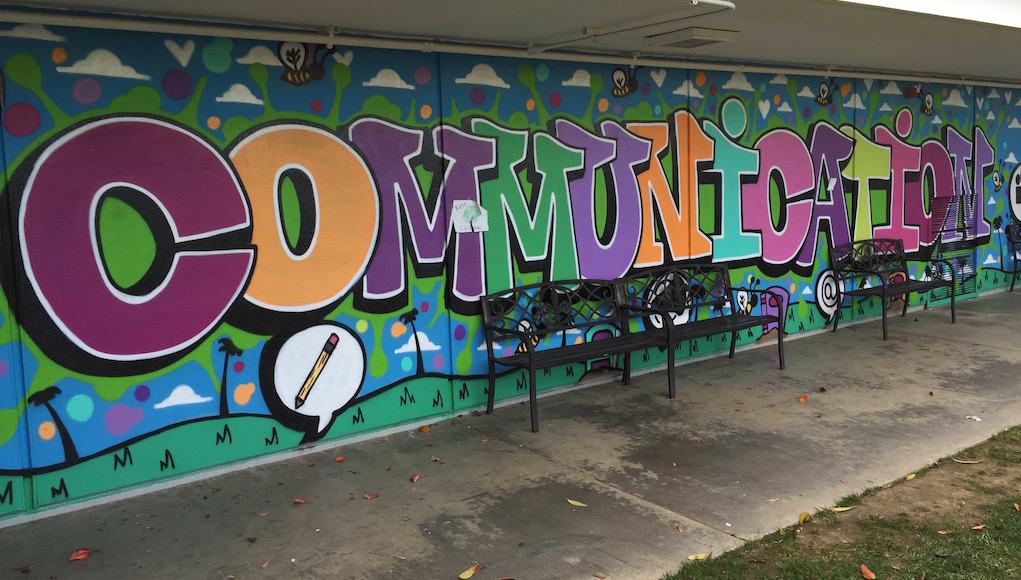
New Message Manual to Improve and Create Consistent Communications in Education
The William & Flora Hewlett Foundation, with the help of Hattaway Communications, recently released "Communicating a Shared Vision for Students and Education", a message manual designed to improve and enhance consistent communications about student success and educational equity.