


Project-Based Learning
(PBL) is an instructional approach where traditional, direct classroom instruction and tests are replaced by authentic, often interdisciplinary projects, usually designed by the student with guidance from instructors/coaches, addressing real-world problems as the assessment instead of a test. It also is closely related to deeper learning, challenge-based learning, interest-based learning and more.
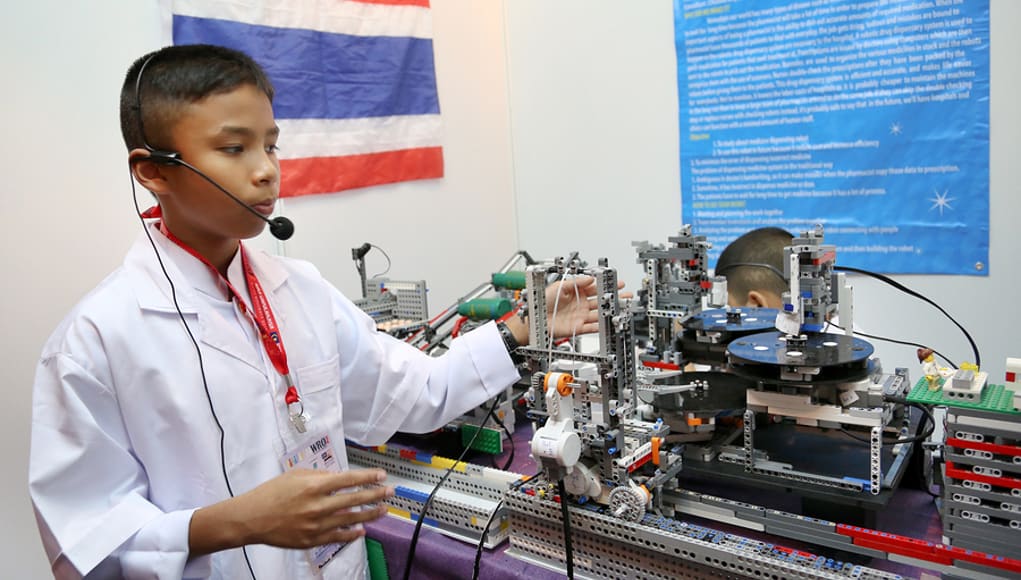
Using Robots to Teach the 4 Cs to Young Students—Without Screen Time
By: Kathy Hay. A technology integrator shares how 23 districts in Iowa are promoting STEM learning while limiting the time students spend in front of tablets or laptops.
A Year in Review: High-Quality Project Based Learning
As we look back, it is evident that project-based learning not only increases student engagement, it helps students develop academic and social and emotional skills for life and careers. Over the year, we visited 8 schools where students are having HQPBL experiences, here is what we discovered.
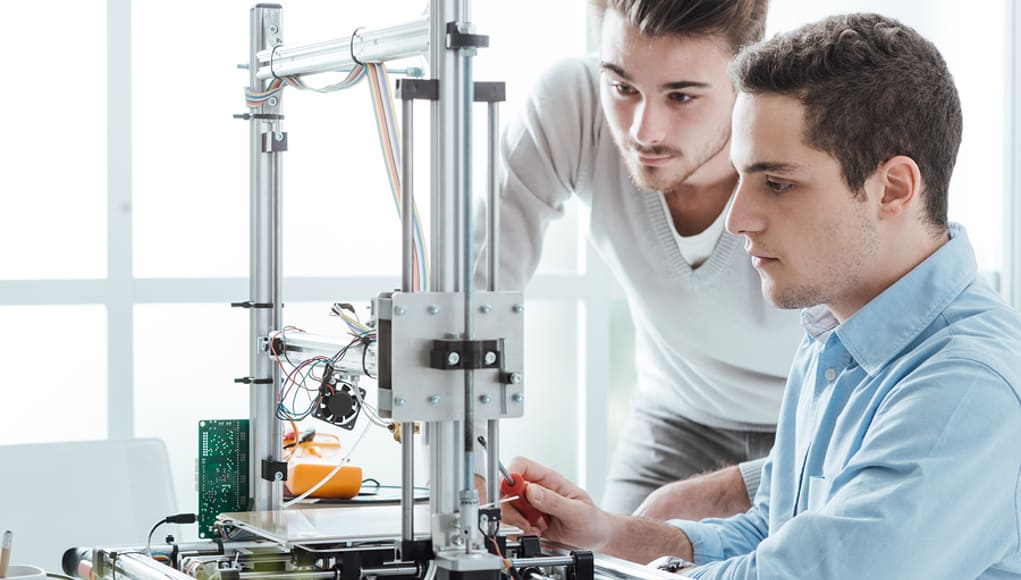
Helping Students and Teachers Embrace Engineering
By: Reid Whitaker. Here are five ways to help students — and teachers — overcome a fear of failure and learn to love engineering design.

Top 20 Posts from 2018
2018 is coming to a close. We're reviewing everything we've learned and experienced this last year in preparation for 2019.
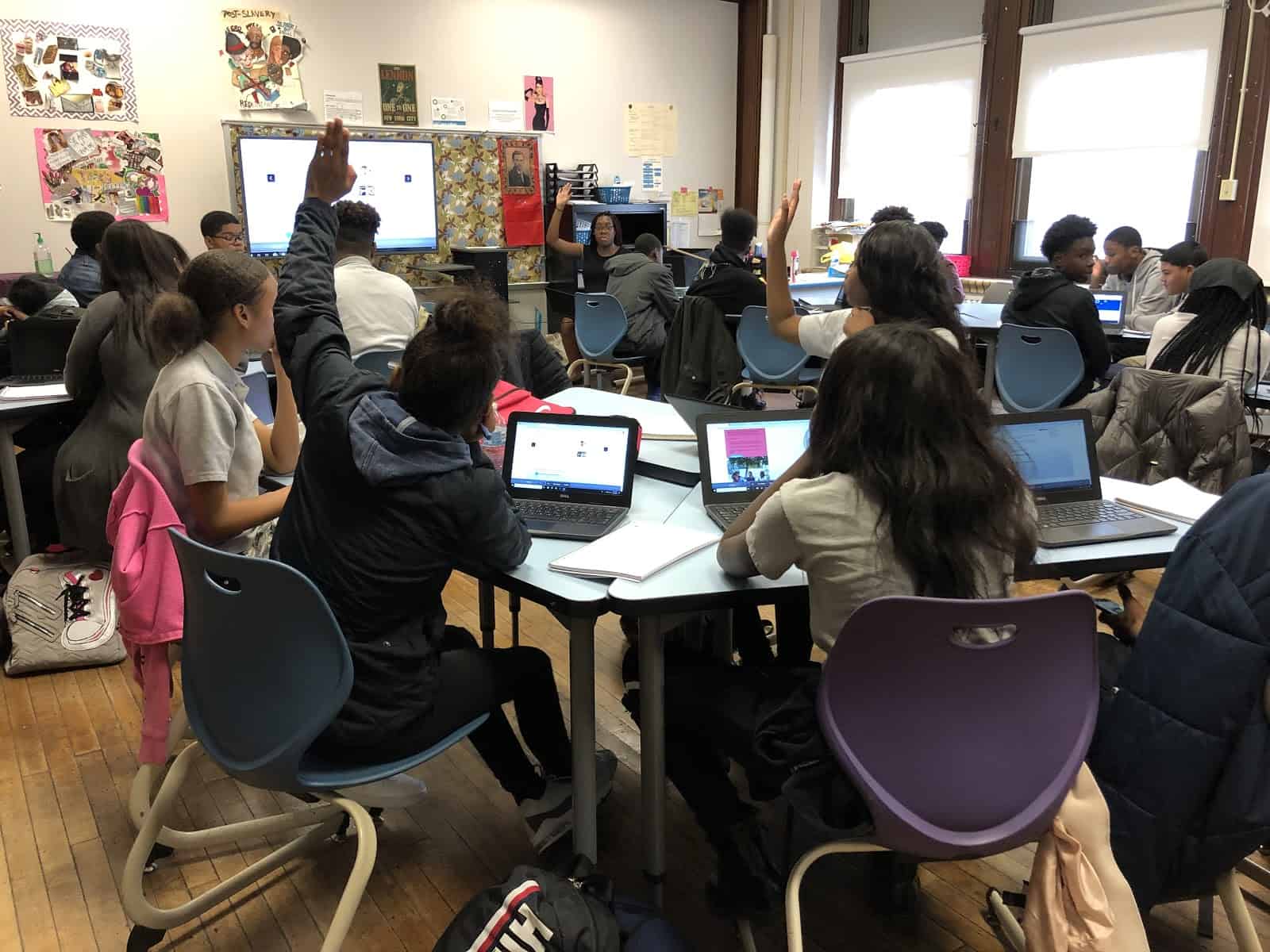
Diploma Networks: A New Way to Help Schools Adopt Broader Outcomes and Next-Gen Learning Models
Diploma networks can offer schools a promising approach to adopting new outcome frameworks and learning models to help better prepare students for the future.
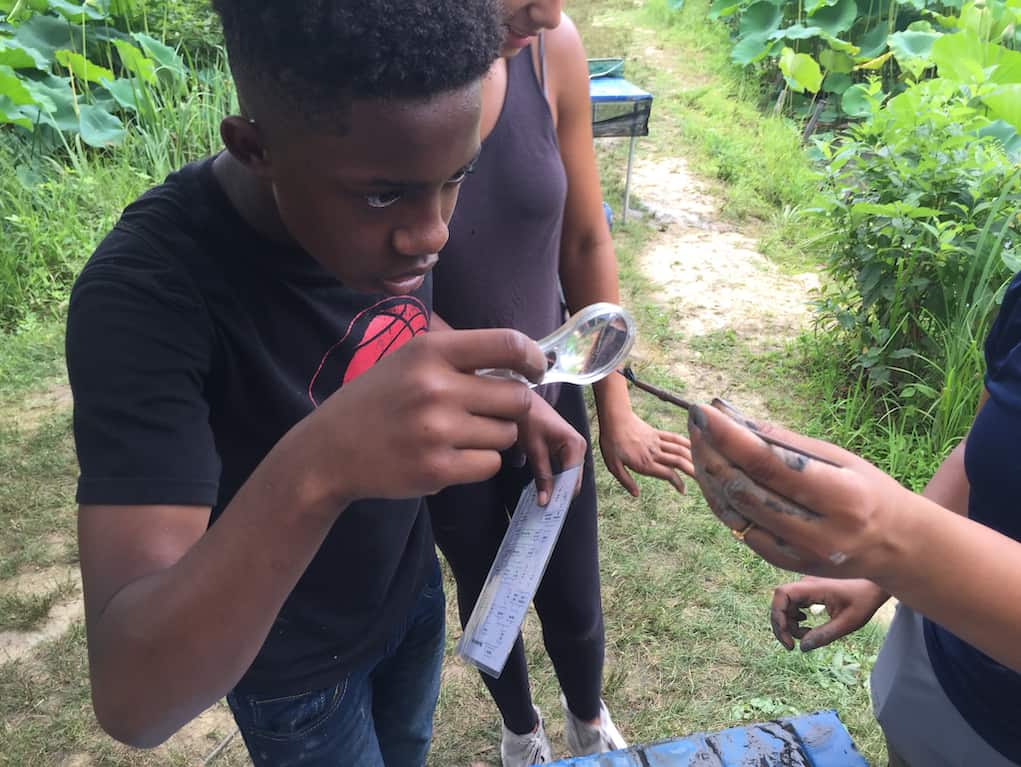
Why Experiential Education?
To contribute now and in the future, young people deserve experiential learning--community connected challenges that build agency and collaboration, that cross disciplines and result in public products that make real contributions. Here's why experiential learning matters and five primary benefits.
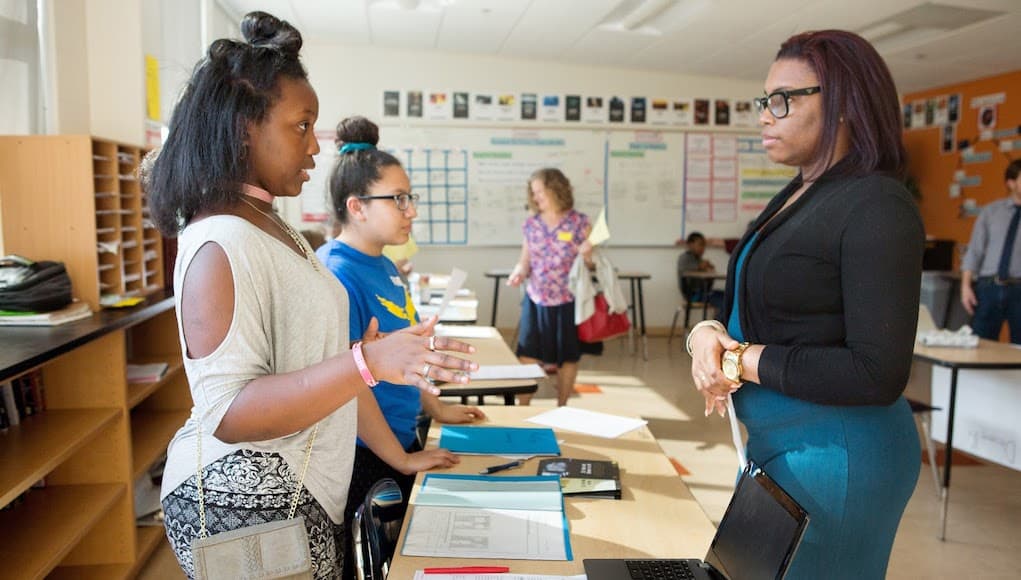
Five Schools Sharing Student Learning to Increase Student Engagement
Some of our favorite ways to engage students in sharing their learning are exhibitions and student-led conferences and during our recent school visits, we’ve seen great examples of both.
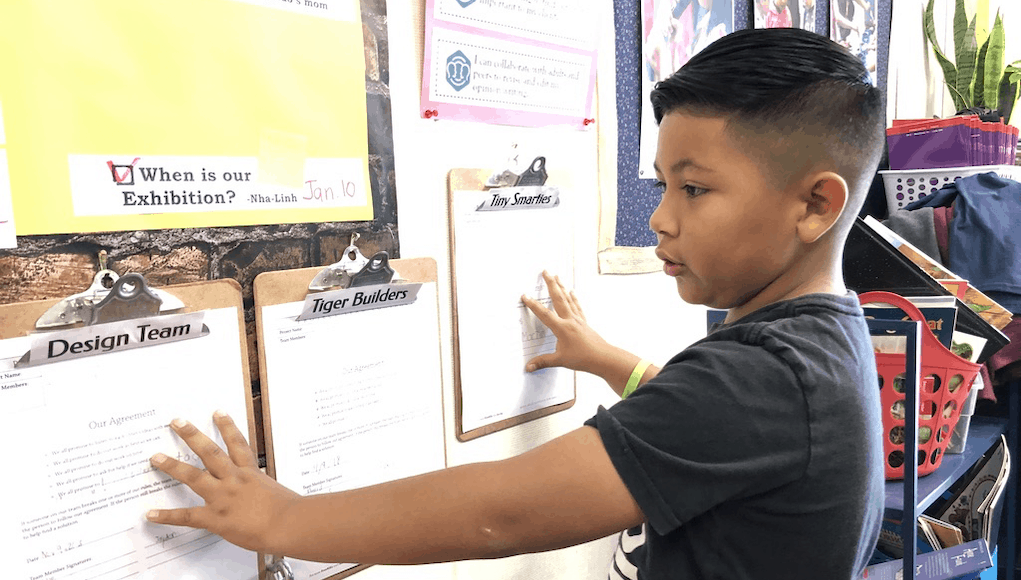
Project-Based Schools Close Silicon Valley Gaps
Tom and Emily recently visited several schools in Silicon Valley. Dive in to see how high challenge communities are responding with personalized and project-based learning.
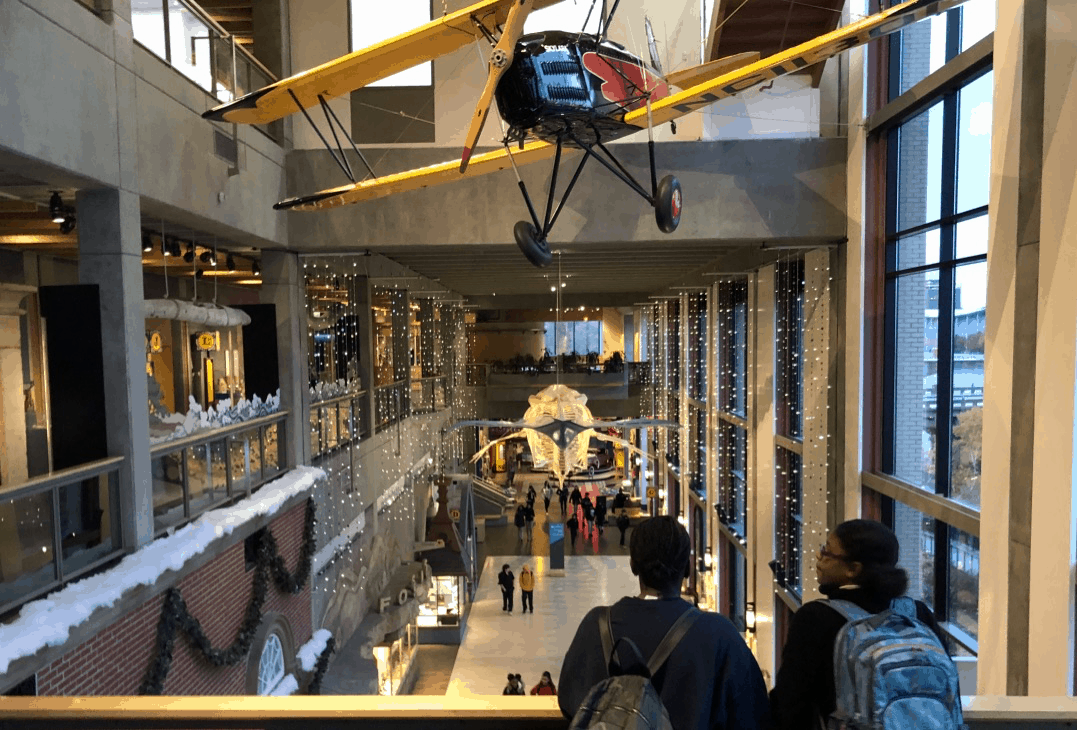
Design Thinking, City as Classroom, Museum as Homebase
Tom recently visited the Grand Rapids Public Museum School that's rooted in design thinking and place-based education. Here's a look at the school and how they're using their XQ Super School grant to extend their vision for high-quality, community as a classroom learning opportunities for more students.

How to Connect Current Events to Project-Based Learning
By: Jodie Brivic. In this post, discover how school work directly correlates to real problems the world is facing and possible solutions to solve those challenges.