


Project-Based Learning
(PBL) is an instructional approach where traditional, direct classroom instruction and tests are replaced by authentic, often interdisciplinary projects, usually designed by the student with guidance from instructors/coaches, addressing real-world problems as the assessment instead of a test. It also is closely related to deeper learning, challenge-based learning, interest-based learning and more.
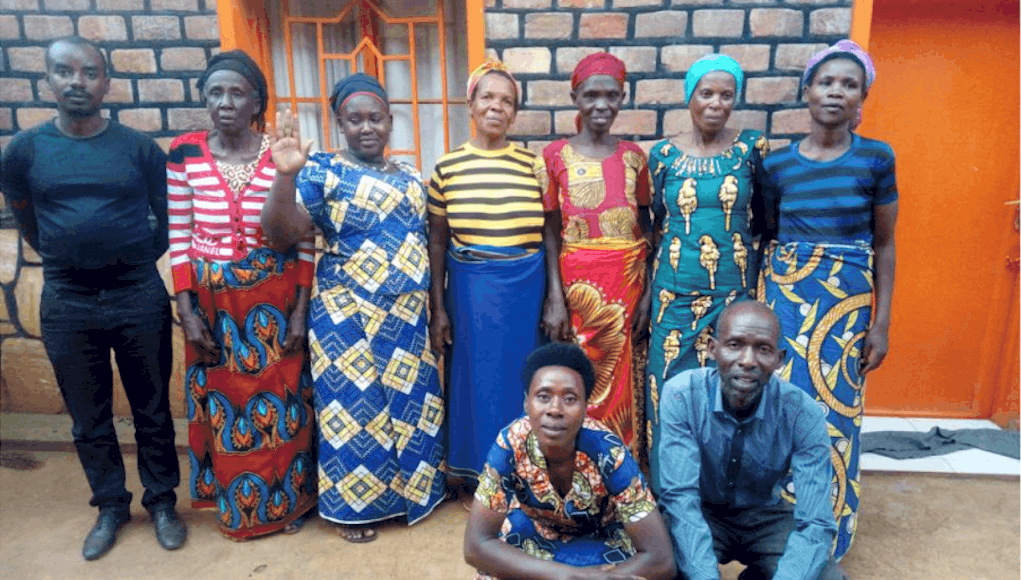
Empowering Youth to Address Real-World Problems
By: Matt Piercy. Using KIVA as a service-learning project in schools has the capacity to transform students’ lives while impacting the lives of others.
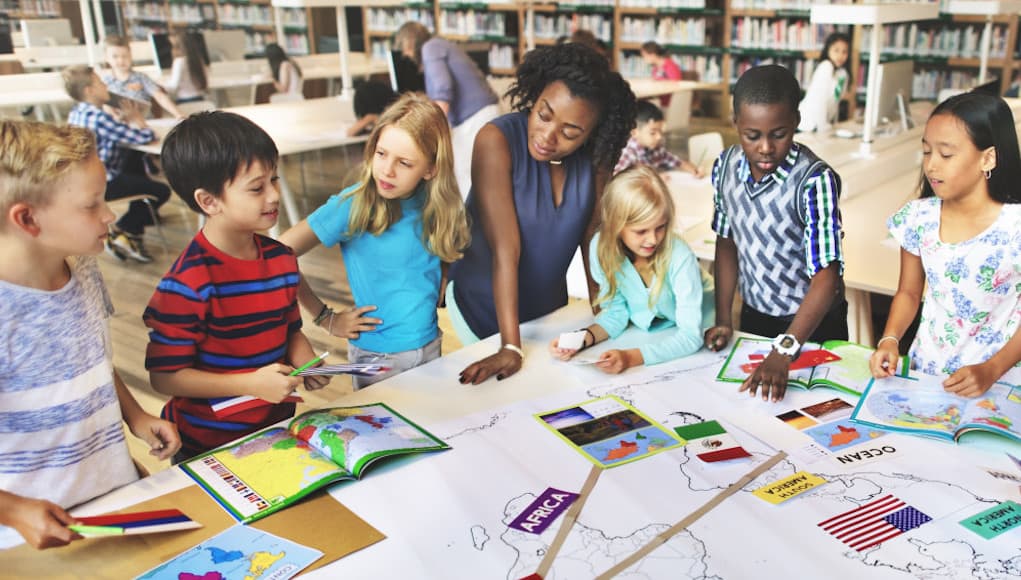
Building a Learner Variability Mindset
By: Tiffany Wycoff. LINC's Co-Founder and Chief Innovation Officer explains that to build a learner variability mindset, we must implement a new equation for teaching that includes strategically planning for variability beyond skill level.
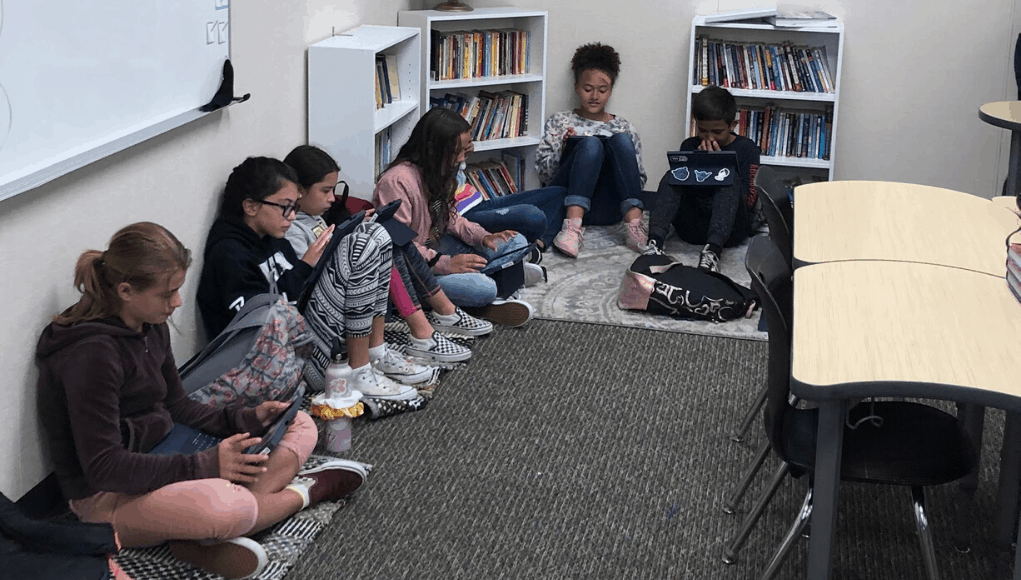
The Competing Mindsets of Technology
This month's edition of chronicling the author's return to the classroom focuses on the challenge of shifting students’ mindsets toward mobile technology from entertainment to productivity.

Civics for 2020: This Is How to Engage Future Voters
By: Kristen Thorson and Erin Gohl. From preK-12, these age-appropriate ideas for a more engaging civics education can help ensure the health of our political institutions.
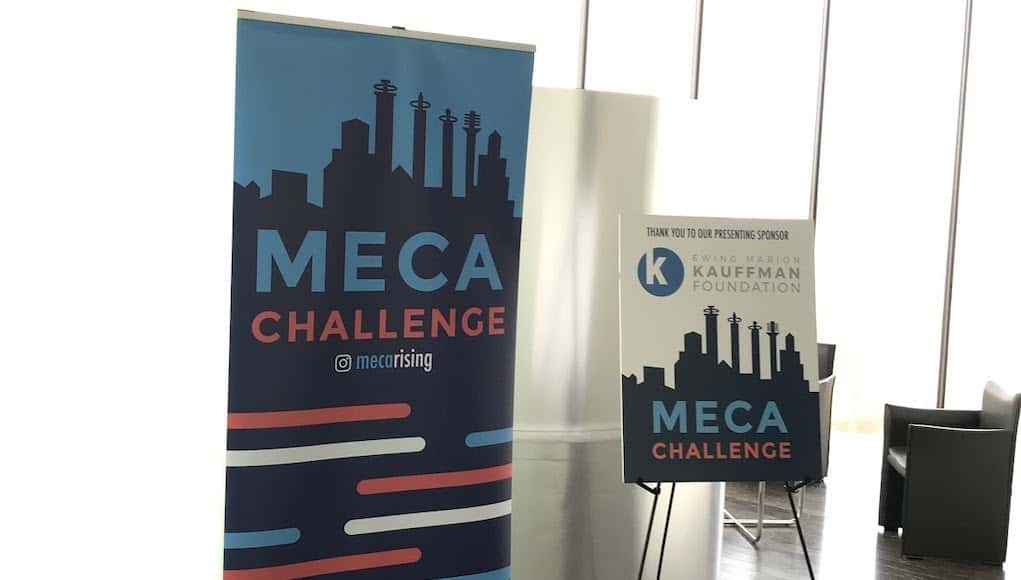
Students on Creating a Space For Students
MECA Challenge, a Kansas City initiative, challenges students to solve complex and real-world problems, like designing a museum space.
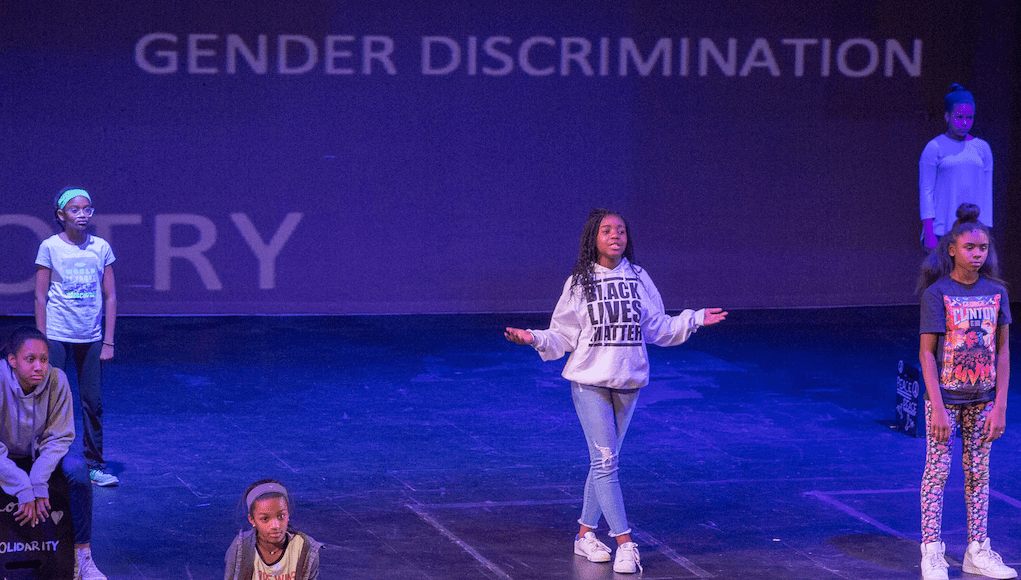
Getting Clearer: A Contribution Solution
By: Joanne McEachen and Matthew Kane. Contributive learning helps educational systems focus on what really matters for students, creating equitable academic outcomes.

What Educators Need to Effectively Teach About the Holocaust
By: Ivy Schamis. Holocaust education helps to create compassionate young adults, which is a vital step in preventing and combating the existence of hate in our world.
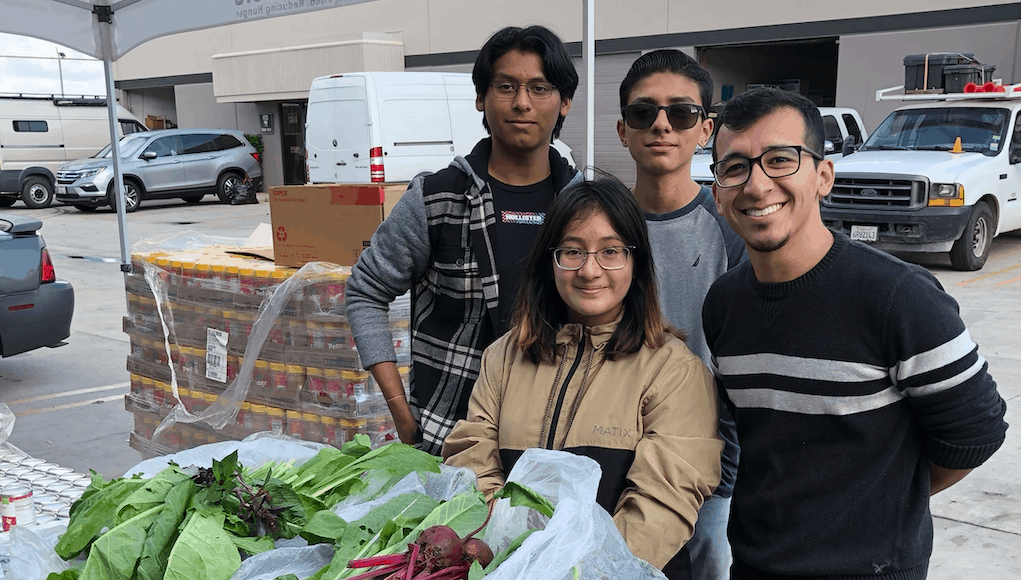
Why Your Community Needs an Environmental Sustainability Coordinator
This Seed To Table program offered in a southern California school demonstrates the potential of compelling community-connected learning.

Why Schools Should Promote Applied Learning
By: Mark Siegel. Schools should promote applied learning—learning through experience—to help students develop transferable problem-solving skills. Here’s how.
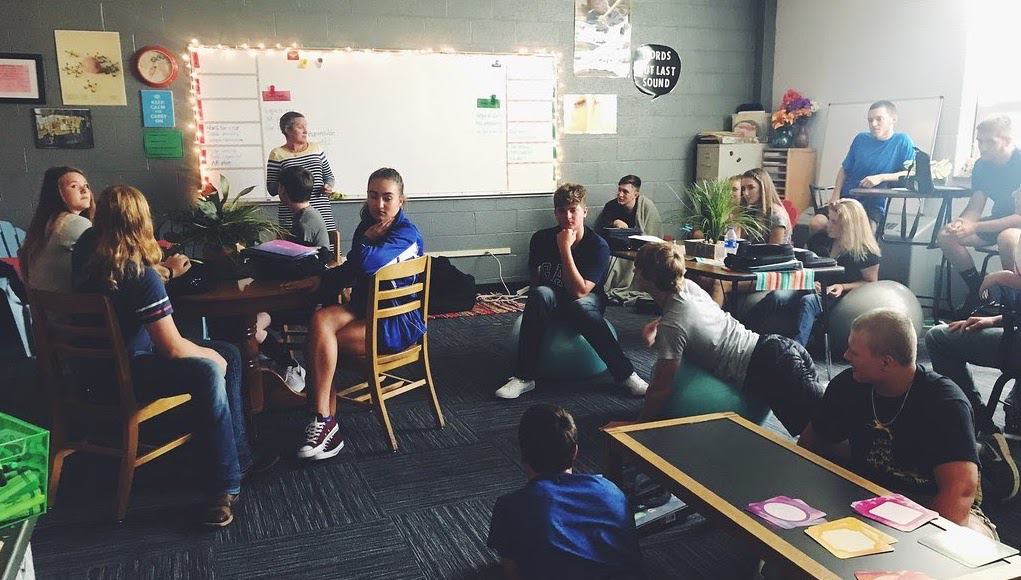
Providing the Right Learning Spaces for Students to Explore and Create
Five ideas for learning spaces that create an environment that can empower students to explore passions and real-world problems.