


Place Based Education
Place-Based Education (PBE) is anytime, anywhere learning that leverages the power of place, and learning space – not just the power of technology – to personalize learning. We’ve recently released a new book, The Power of Place: Authentic Learning Through Place-Based Education, which focuses on how PBE is an immersive learning experience that “places students in local heritage, cultures, landscapes, opportunities and experiences, using these as a foundation for the study of language arts, mathematics, social studies, science and other subjects across the curriculum.” PBE is also a natural complement to Personalized and Project-Based Learning, providing a way to connect these efforts to students’ local environment for engaging learning that leads to more engaged citizens.
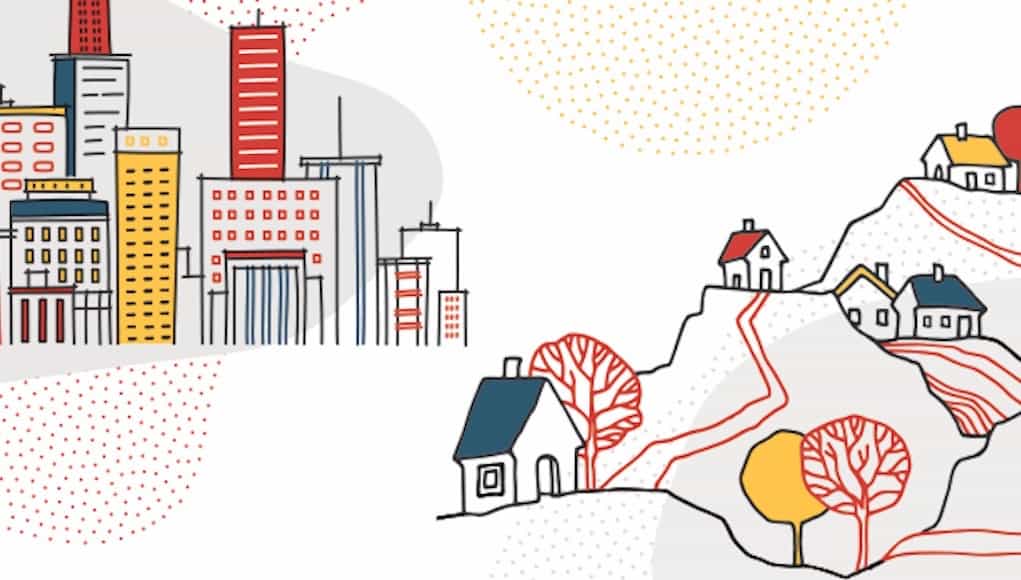
The Power of Place: Authentic Learning Through Place-Based Education
Tom Vander Ark, Emily Liebtag and Nate McClennen share six defining principles of place-based education in their new book “The Power of Place: Authentic Learning Through Place-Based Education.”
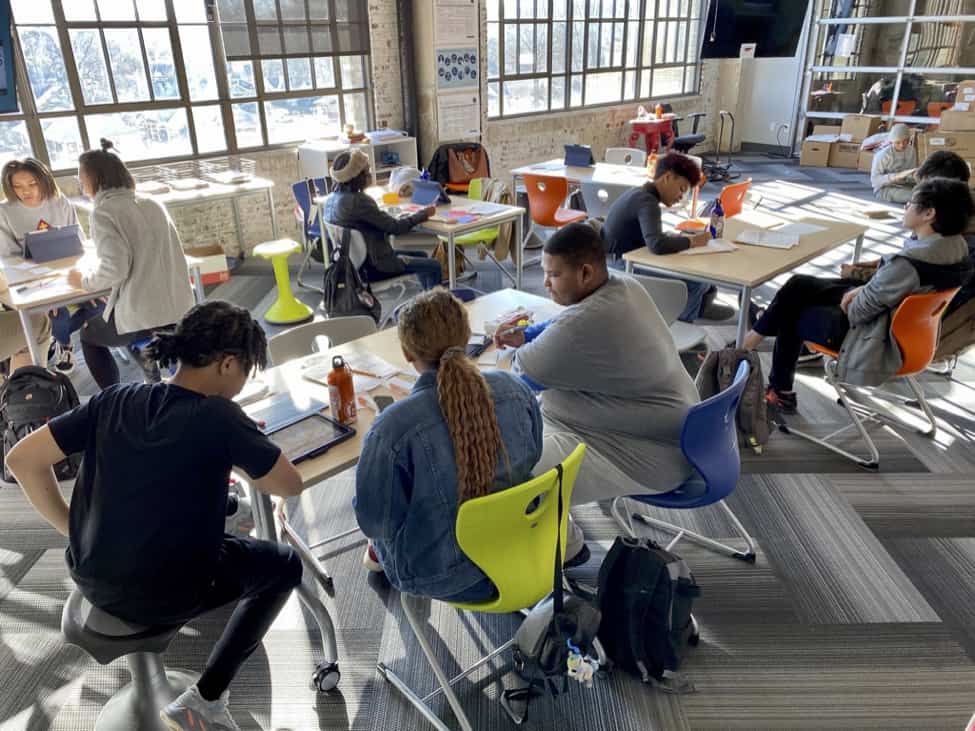
Crosstown High: Innovative Memphis School in a Vertical Urban Village
One of the most innovative schools in the country is located in one of the most innovative buildings in the country. Students at Crosstown High spend most of their school day on the fourth and fifth floor of Crosstown Concourse, a million-square-foot renovated Sears office and distribution center opened in 2017 just east of downtown Memphis

HopSkipDrive: Safe Ride Share for Kids
What if kids could use ride share services to travel to their internship or get home after soccer practice? HopSkipDrive, a Los Angeles startup, has solved this problem with a safe transportation solution for families and schools.
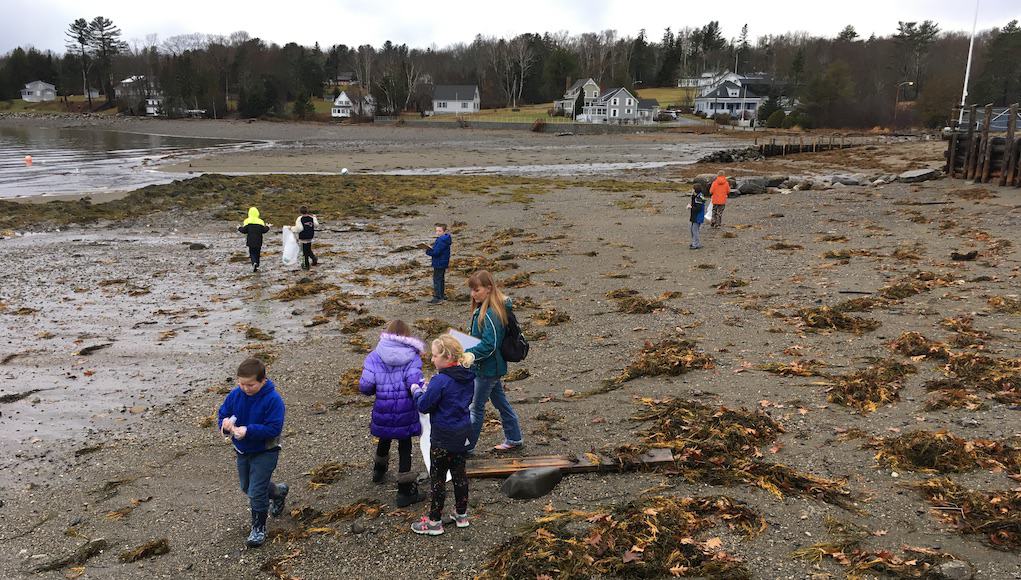
This Is What Tech-Supported Partnerships Can Do for Place-Based Ed
By: Frank McKay, Rebecca Clark Uchenna, and Alexandria Brasili. New technology partnerships engage students in Mississippi, Alabama and Maine in their place-based education projects.
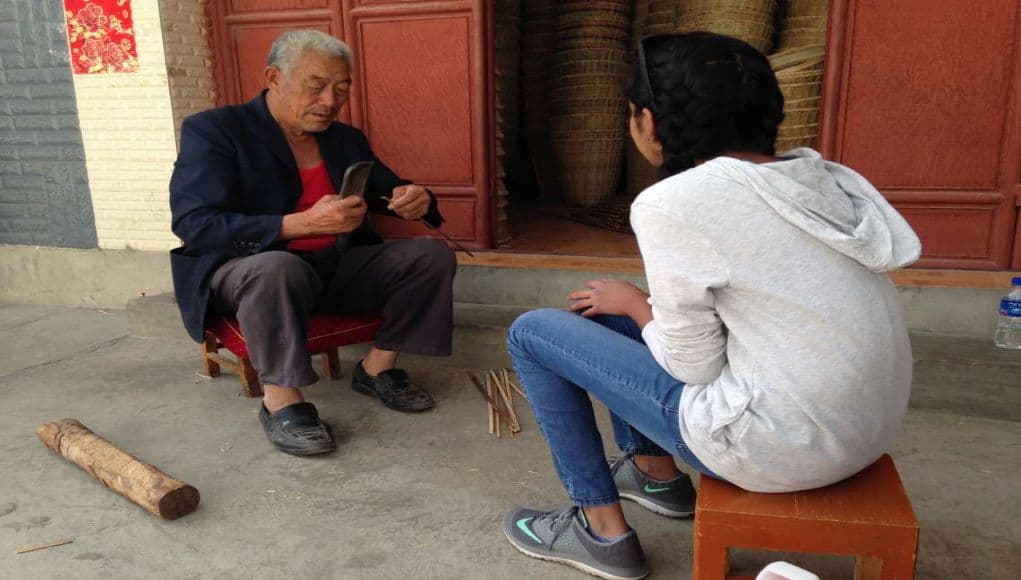
Is the “Place” in Place-Based Learning Enough?
Place-based learning should be a comprehensive framework and process with clear learning outcomes and curriculum goals to ensure a meaningful experience and support student growth outside the walls of the classroom.
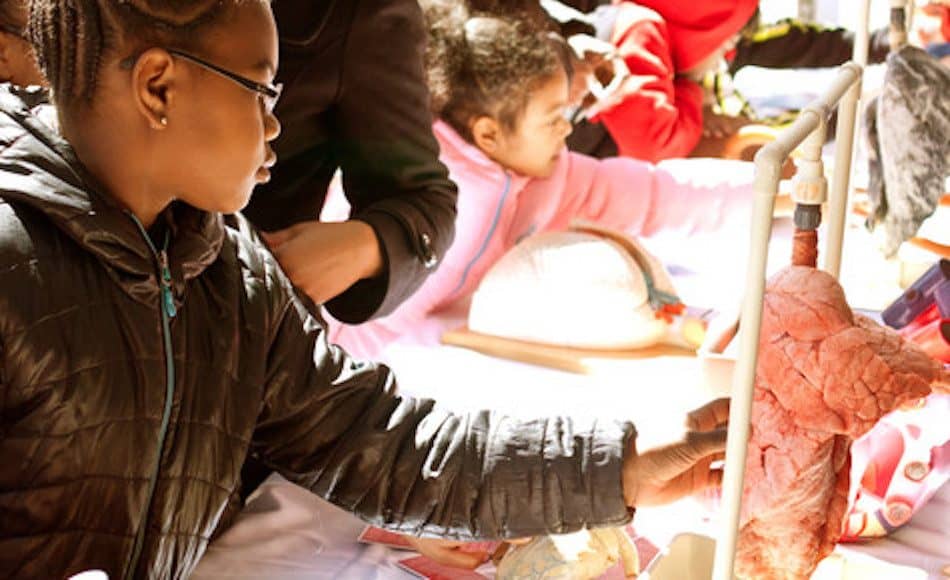
Place-Based Education Anchors Learning in the Community
David Ross explains how in Place-Based Education the nature of a place determines the culture of the classroom to an extraordinary degree.
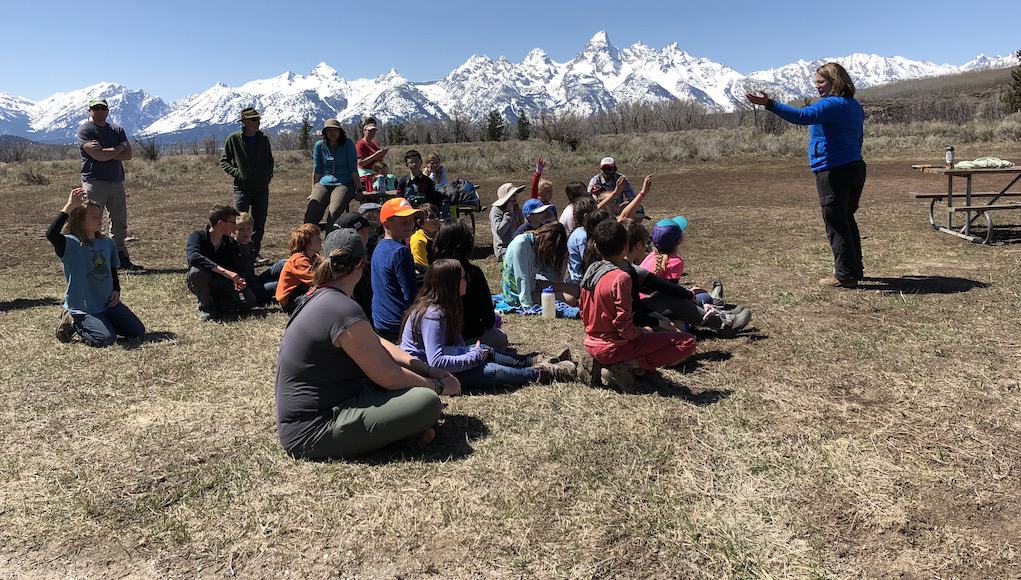
Why Place-Based Education?
Over the past couple of years, along with the Teton Science Schools, we have been exploring place-based education and how it can help connect learners to their communities. We are continuing our exploration in 2019, but wanted to revisit what we’ve learned so far and resources we’ve created to help you get started.
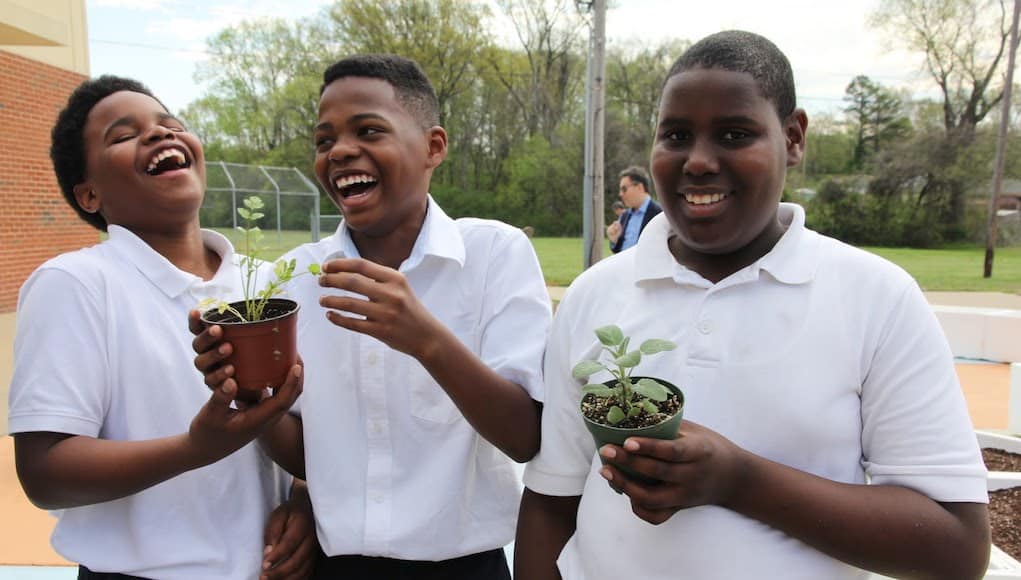
Learning Gardens Provide Equity, Access and Great Food
Caroline Vander Ark has long appreciated community and school gardens but worried that they often didn’t connect to student learning and create a lasting impact. However, when she heard about the work of Big Green she was intrigued and reached out to Kate Waller, who manages their national growth to learn more.
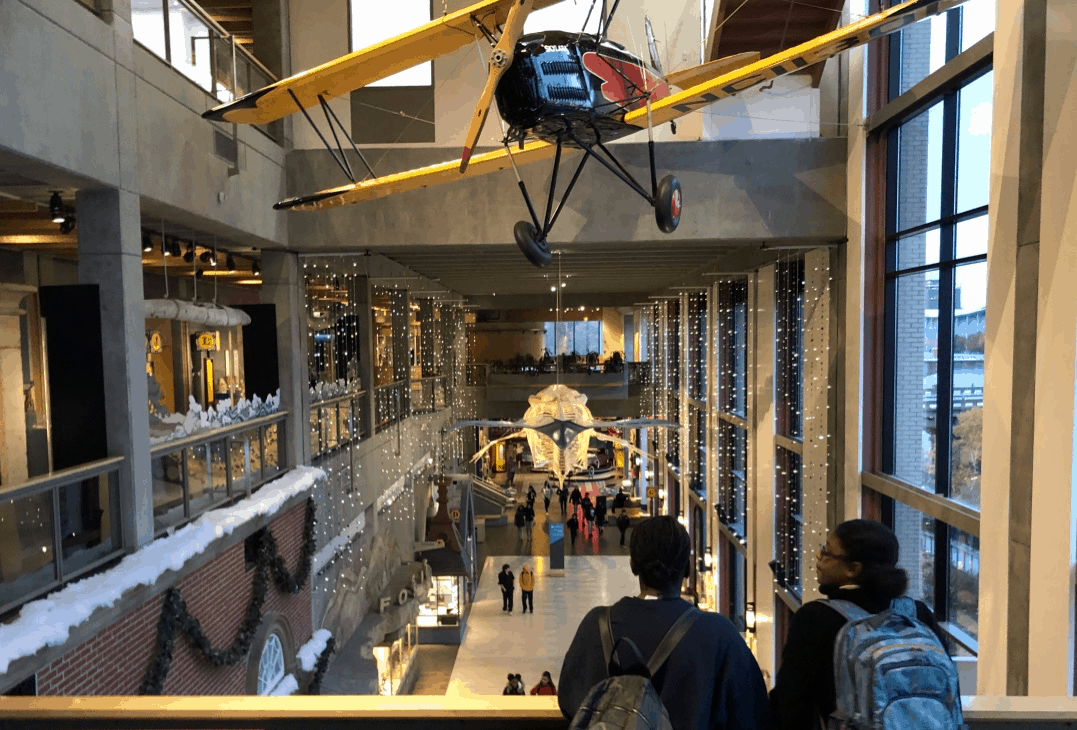
Design Thinking, City as Classroom, Museum as Homebase
Tom recently visited the Grand Rapids Public Museum School that's rooted in design thinking and place-based education. Here's a look at the school and how they're using their XQ Super School grant to extend their vision for high-quality, community as a classroom learning opportunities for more students.
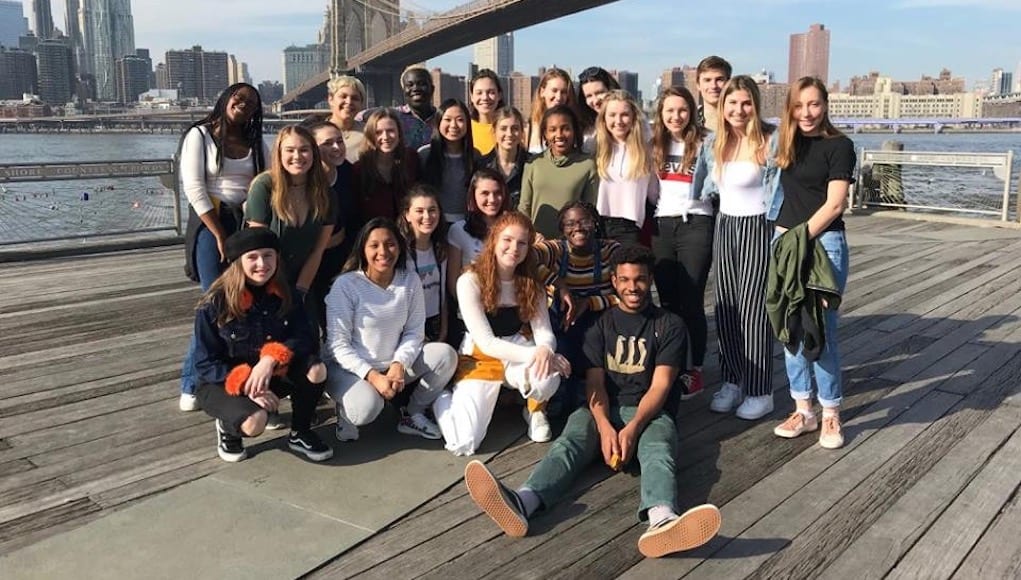
A Student’s Perspective on Urban Place-Based Ed
By Elizabeth Irvin. A senior at Sidwell Friends Schools gives her perspective on urban place-based education.