

Career & Technical Ed
Place-Based Education (PBE) is anytime, anywhere learning that leverages the power of place, and learning space – not just the power of technology – to personalize learning. We’ve recently released a new book, The Power of Place: Authentic Learning Through Place-Based Education, which focuses on how PBE is an immersive learning experience that “places students in local heritage, cultures, landscapes, opportunities and experiences, using these as a foundation for the study of language arts, mathematics, social studies, science and other subjects across the curriculum.” PBE is also a natural complement to Personalized and Project-Based Learning, providing a way to connect these efforts to students’ local environment for engaging learning that leads to more engaged citizens.
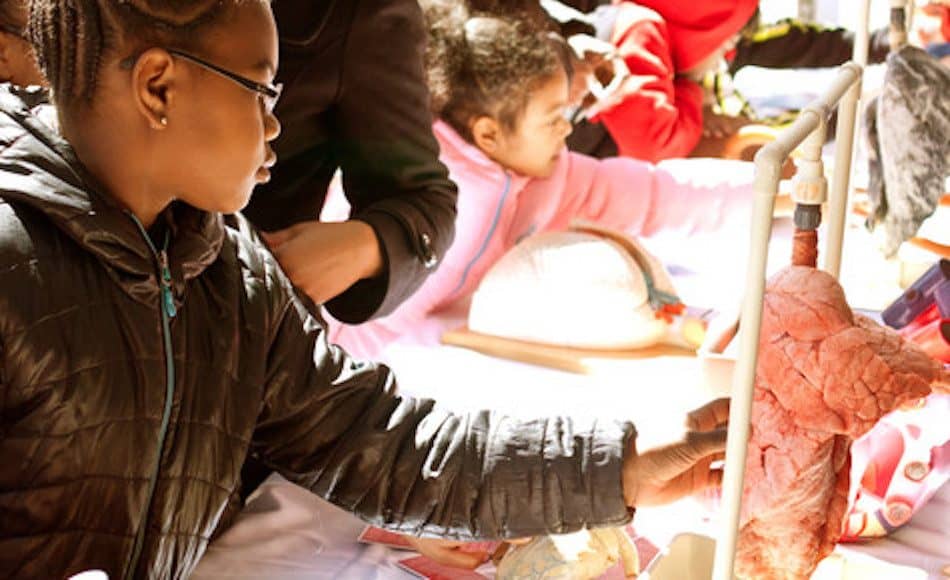
David Ross explains how in Place-Based Education the nature of a place determines the culture of the classroom to an extraordinary degree.
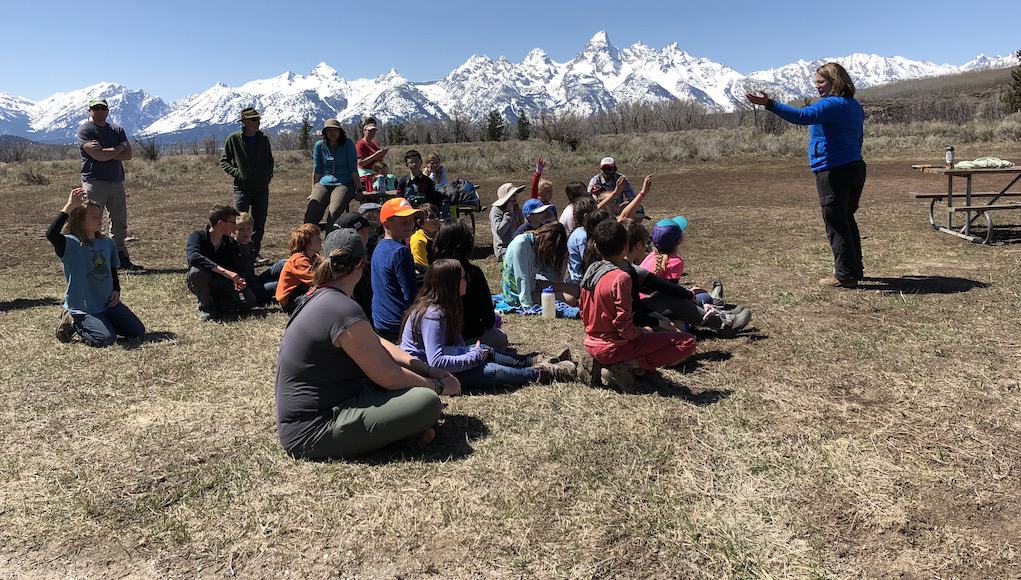
Over the past couple of years, along with the Teton Science Schools, we have been exploring place-based education and how it can help connect learners to their communities. We are continuing our exploration in 2019, but wanted to revisit what we’ve learned so far and resources we’ve created to help you get started.
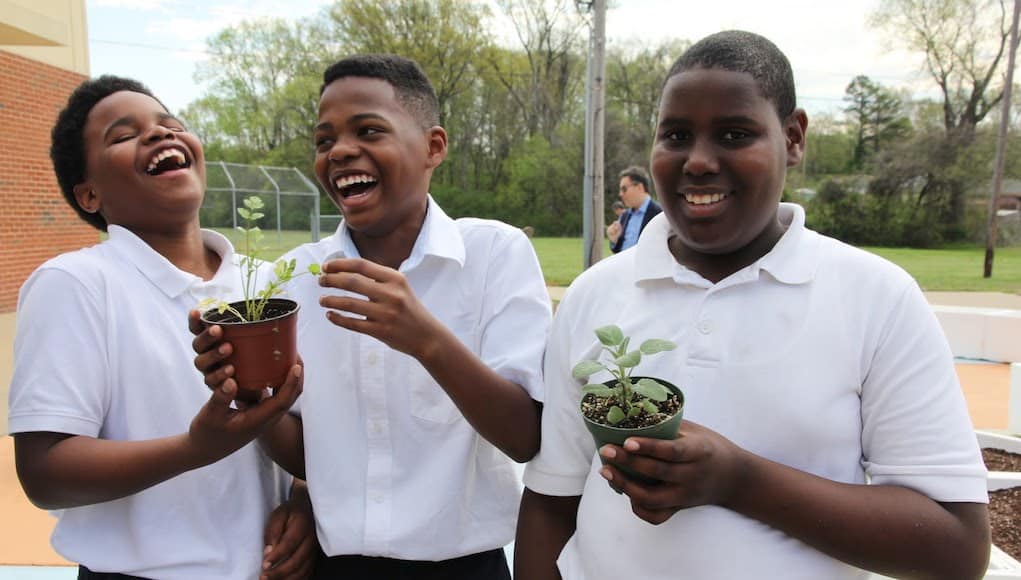
Caroline Vander Ark has long appreciated community and school gardens but worried that they often didn’t connect to student learning and create a lasting impact. However, when she heard about the work of Big Green she was intrigued and reached out to Kate Waller, who manages their national growth to learn more.
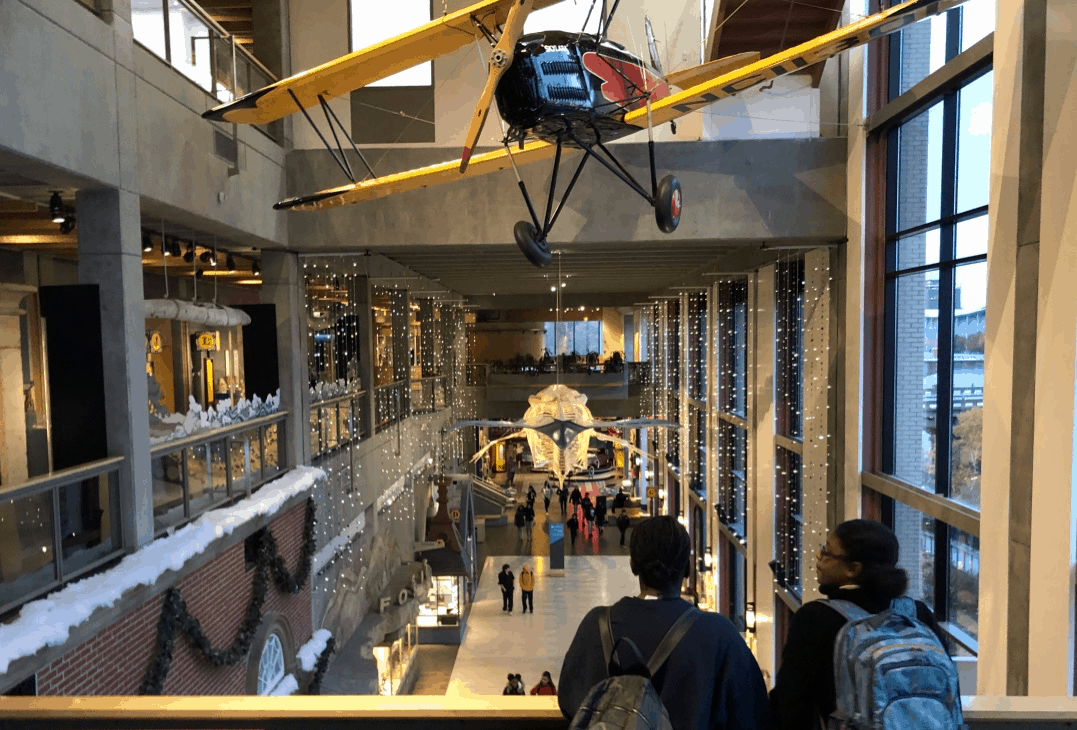
Tom recently visited the Grand Rapids Public Museum School that's rooted in design thinking and place-based education. Here's a look at the school and how they're using their XQ Super School grant to extend their vision for high-quality, community as a classroom learning opportunities for more students.
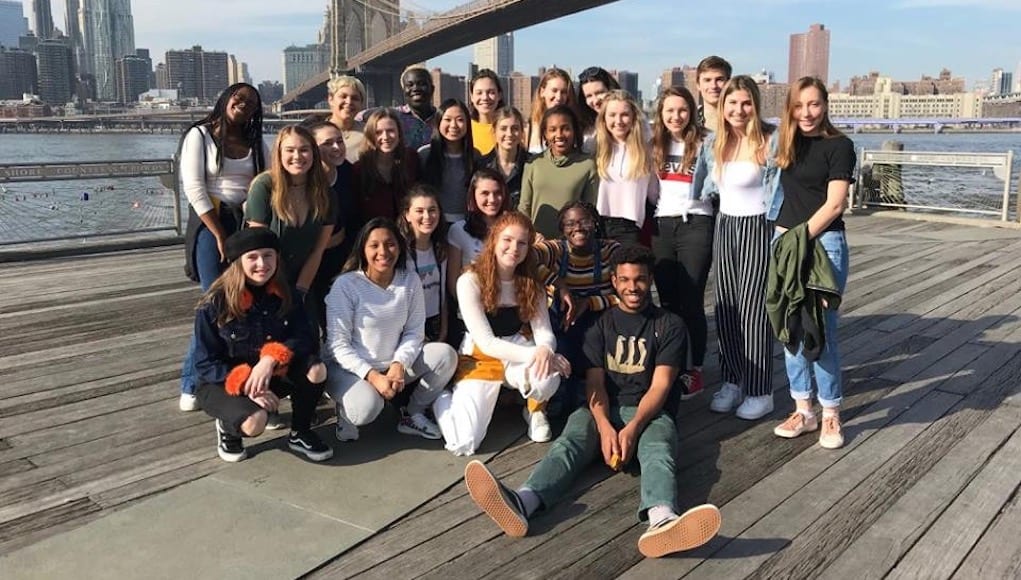
By Elizabeth Irvin. A senior at Sidwell Friends Schools gives her perspective on urban place-based education.
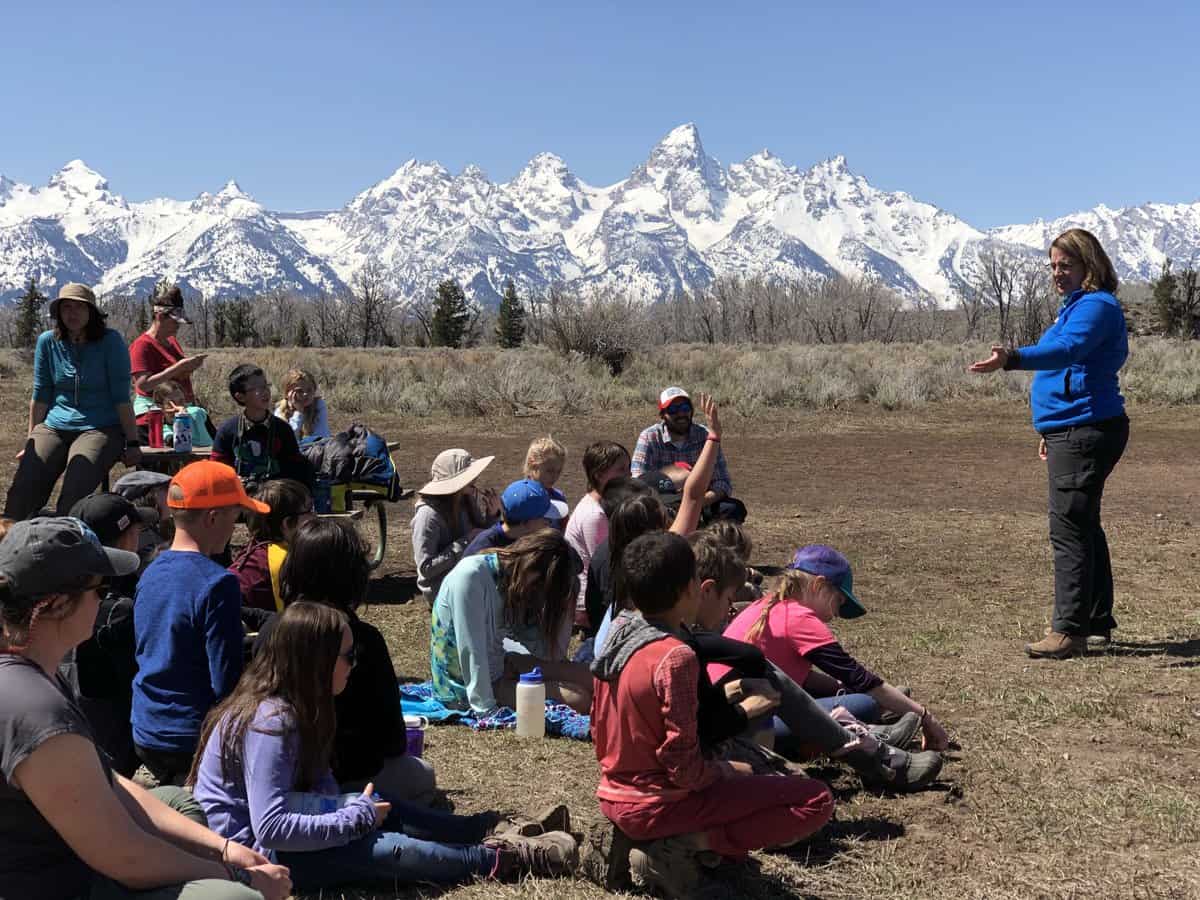
Small community-connected schools sharing resources in networks & leveraging local learning opportunities may be the solution to the rural education decline.
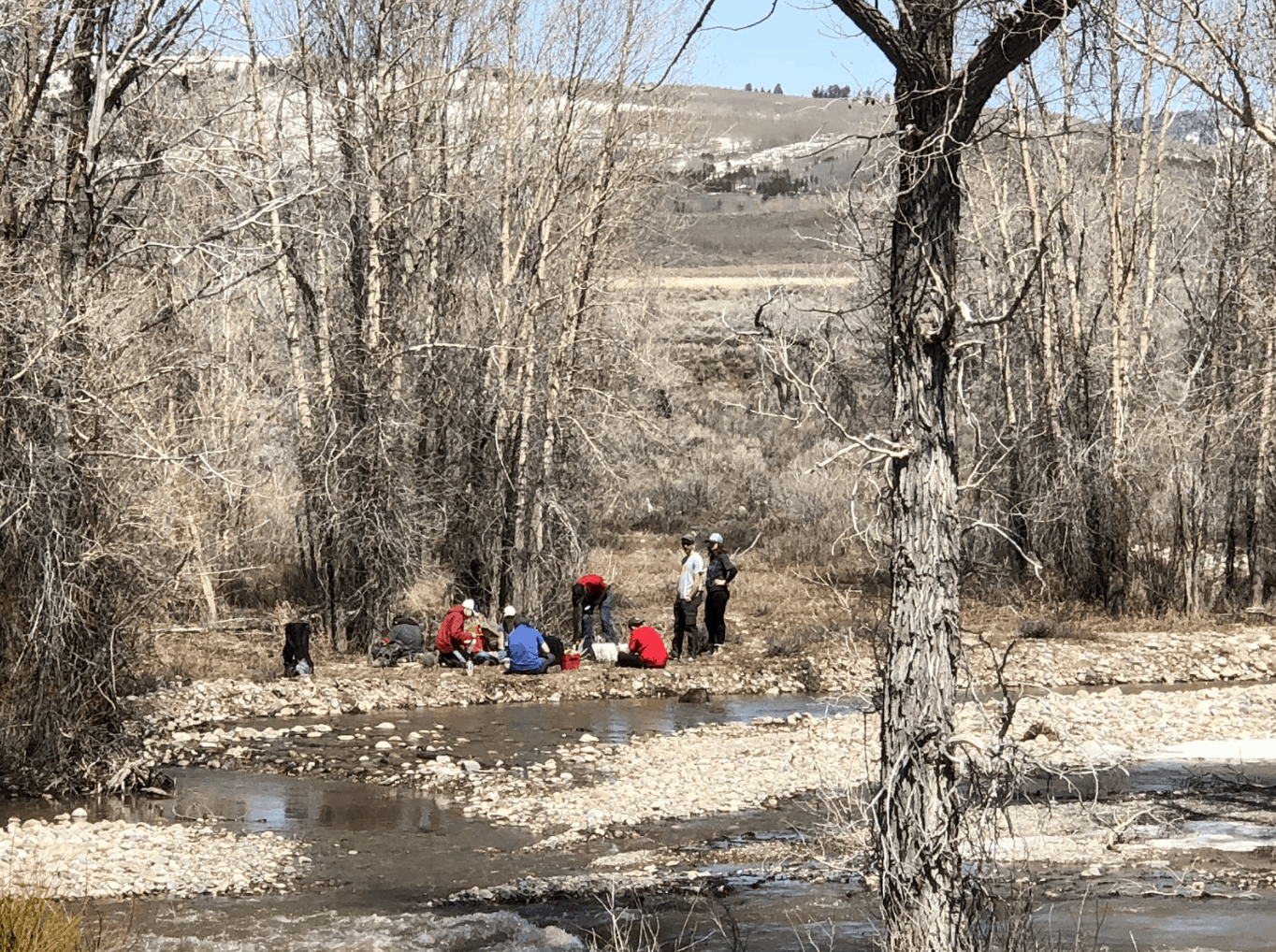
It has become apparent that basic literacies are no longer enough. Students must find ways to apply, own, and direct how literacy and problem-solving skills are used. A look at place-based education and how it's doing just that while also building capacity for citizenship.
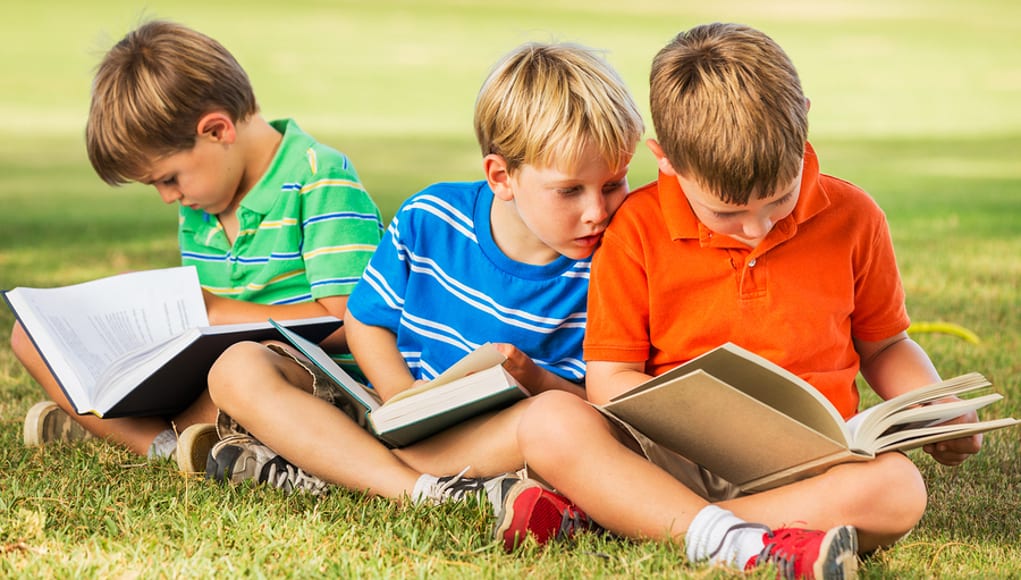
By: Ashley Flores & Lida Lewis. There can be a healthy balance struck between media intake and real-world engagement. This balance is much more likely to happen through intentional design. The good news is that there’s a simple design prescription for what ails: nature. “Biophilic design” focuses on bringing elements of nature—from literal plant and water features to more analogous and referential approaches—into our built environments.
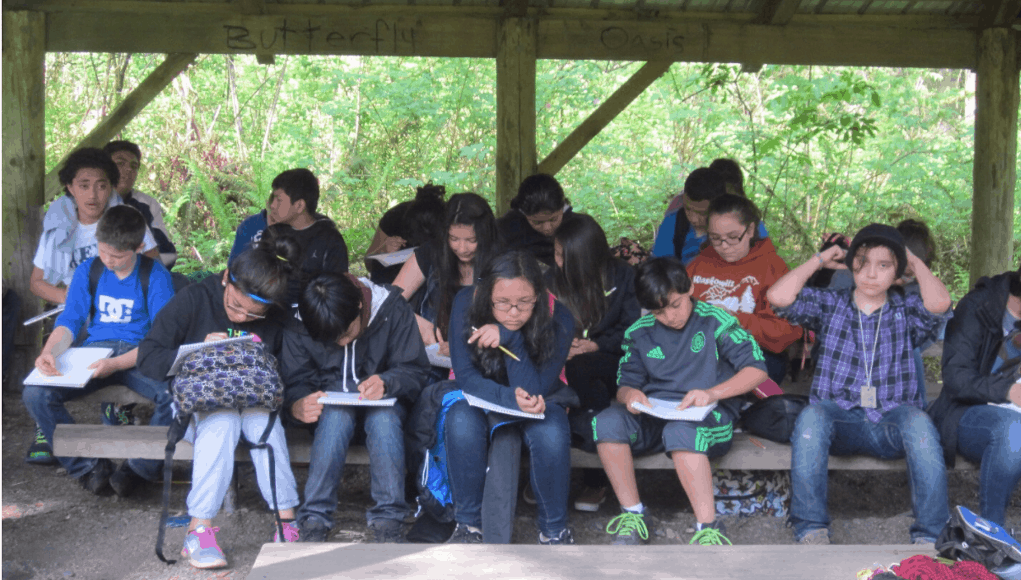
By: Roberta McFarland. Students in the Waskowitz Environmental Leadership & Service program participate in place-based learning experiences that help them develop leadership skills as well as choose their next steps for college and career.
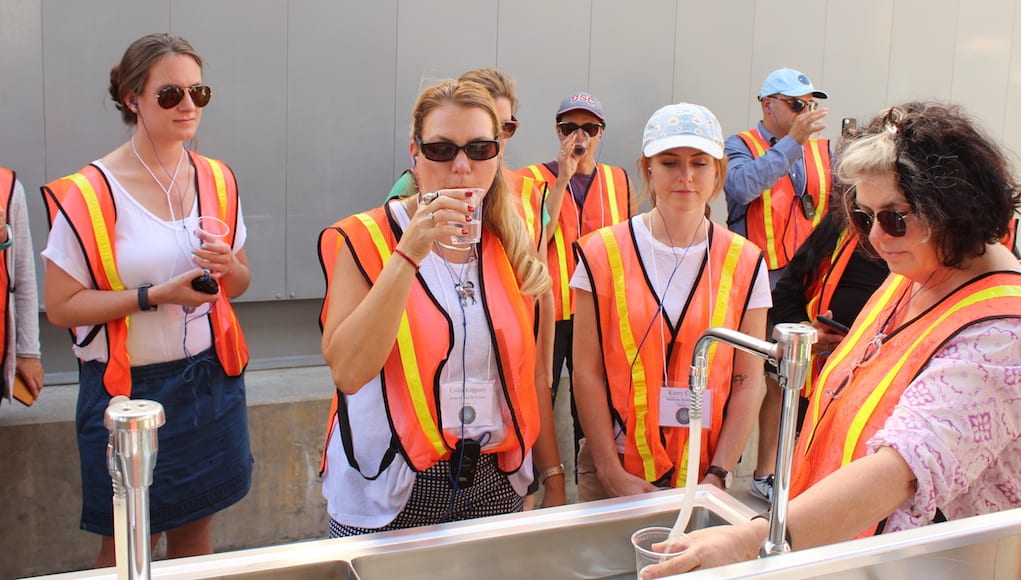
By: Stacey Rafalowski. Whether it’s a student excursion or an educator expedition, bringing the excitement of discovery and the thrill of first-hand experiences to learners helps to engage, inform, and expand the classroom into the real world in a deeply empowering way.