

Future of Work
The future of work will bring new challenges and cause us to shift how we think about jobs and employability—so what does this mean for teaching and learning? In our exploration of the #FutureOfWork, sponsored by eduInnovation and powered by Getting Smart, we dive into what’s happening, what’s coming and how schools might prepare. For more, follow #FutureOfWork and visit our Future of Work page.
Teaching AI: Exploring New Frontiers for Learning
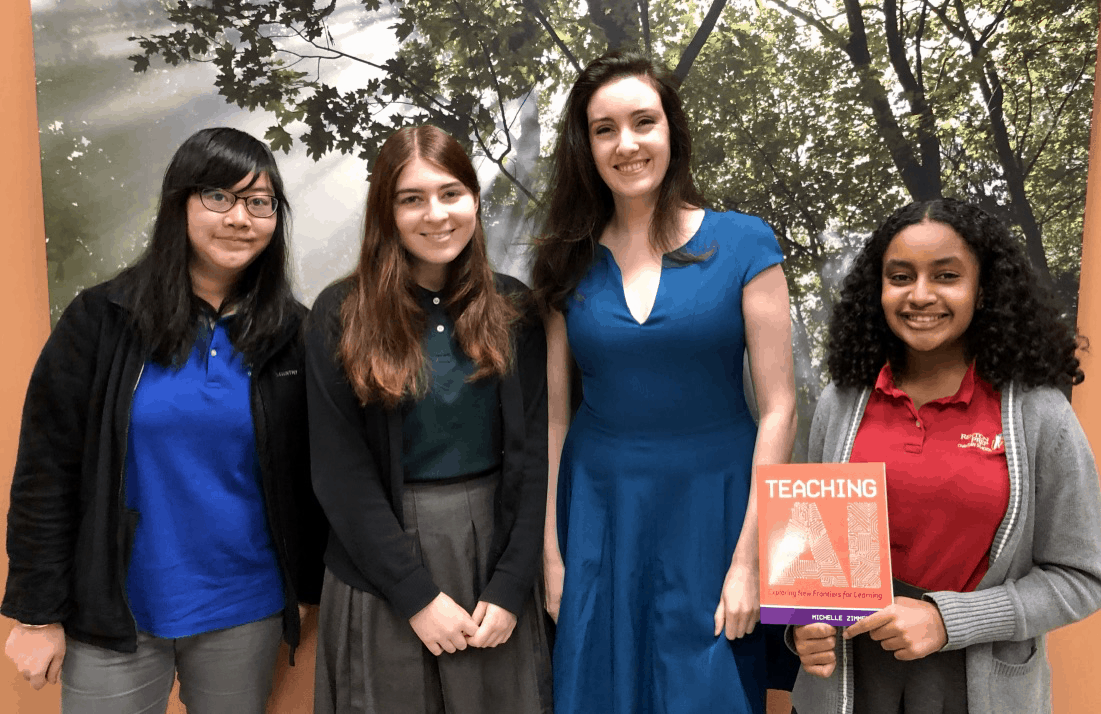
Inspired by the growing popularity of AI in pop culture and media, as well as more adaptive learning programs being released, Michelle Zimmerman realized change was coming for both what and how young people should learn and set out to write "Teaching AI: Exploring New Frontiers for Learning".
An Inside Look – America’s First Public School AI Program
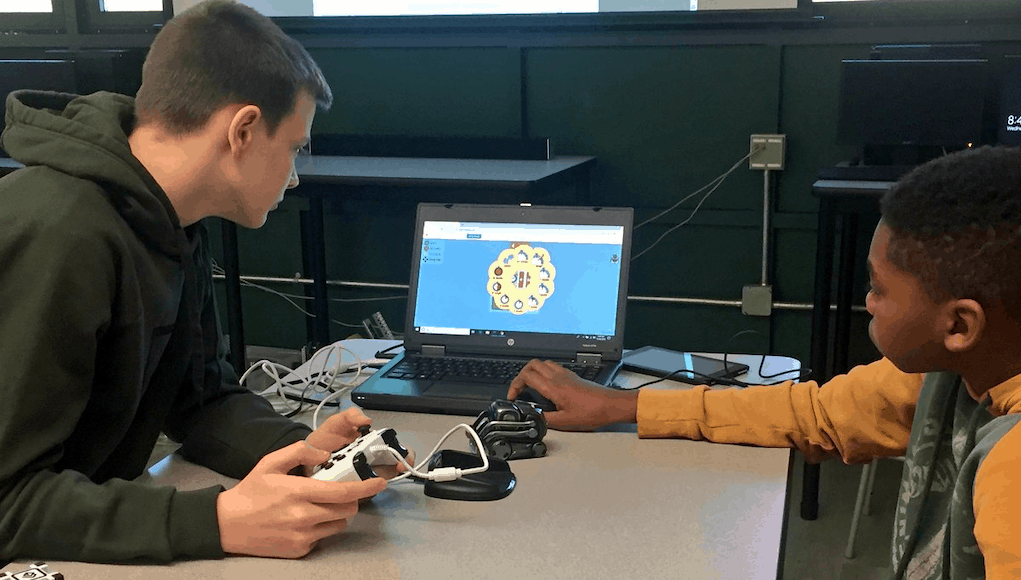
Earlier this school year, Montour School District launched a new Artificial Intelligence program. To date, hundreds of classes have already been taught to students in areas of AI Ethics, AI Autonomous Robotics, AI Computer Science, and AI Music. In this post, Director of Academic Achievement and District Innovation at Montour, Dr. Justin Aglio, provides an update and look to the future for "America’s first Artificial Intelligence Middle School program".
What K-12 Students Should Know About Artificial Intelligence
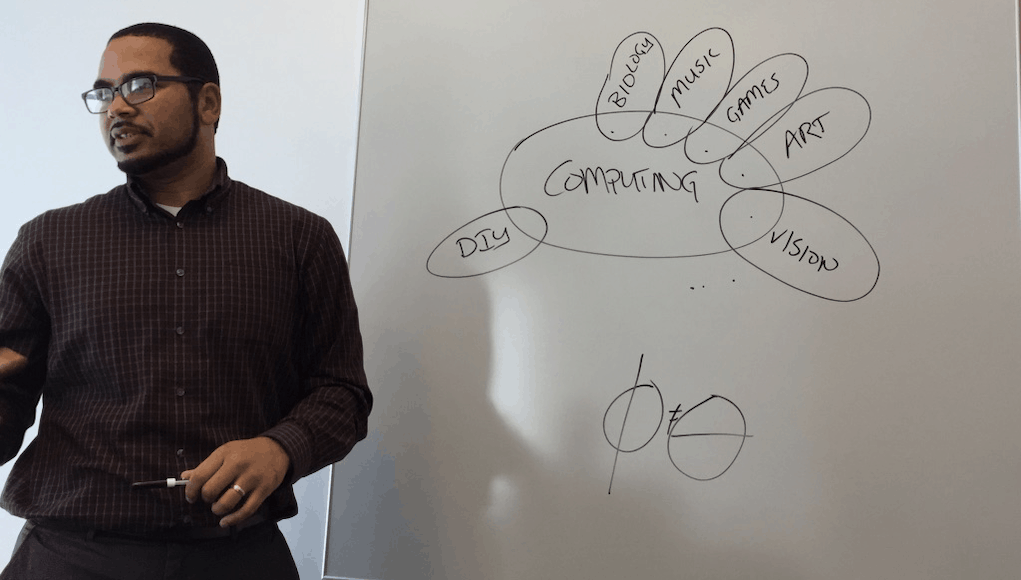
In May, the Association for the Advancement of Artificial Intelligence (AAAI) and the Computer Science Teachers Association (CSTA) launched the AI for K-12 Working Group (AI4K12) to define for artificial intelligence what students should know and be able to do. In this post, discover five big ideas, drafted by the steering committee, that every student should know.

2030 and Beyond…Will We Really Be Able to Still Compete?
The term cultural competence has been used for decades to try and get business and education to think differently about the changing world. Yet, the term cultural competence is often limited to understanding another person’s culture but not changing anything about our own practices as a result of this understanding. In response to this concern, several researchers began to use the term global competence instead.
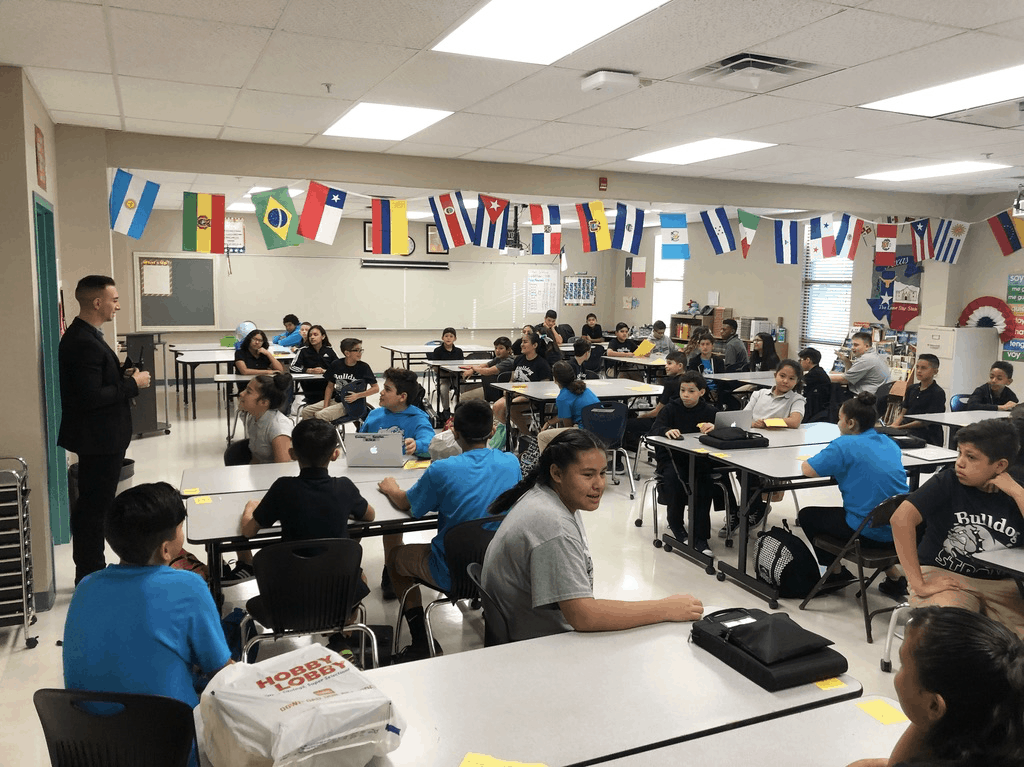
Why Social Studies is Becoming AI Studies
We’ve all witnessed how artificial intelligence (AI) is reshaping lives and changing the world. AI is not a tech issue, it’s a social studies issue and it’s time to start bringing youth into the conversation and preparing them for the future of work.

Education When Careers Are More Like Rock Climbing Than Ladders
While at a recent conference, Tom attended a session where co-author of "The Second Machine Age," Andrew McAfee, discussed how "careers are looking more like rock climbing than ladder climbing in an economy."
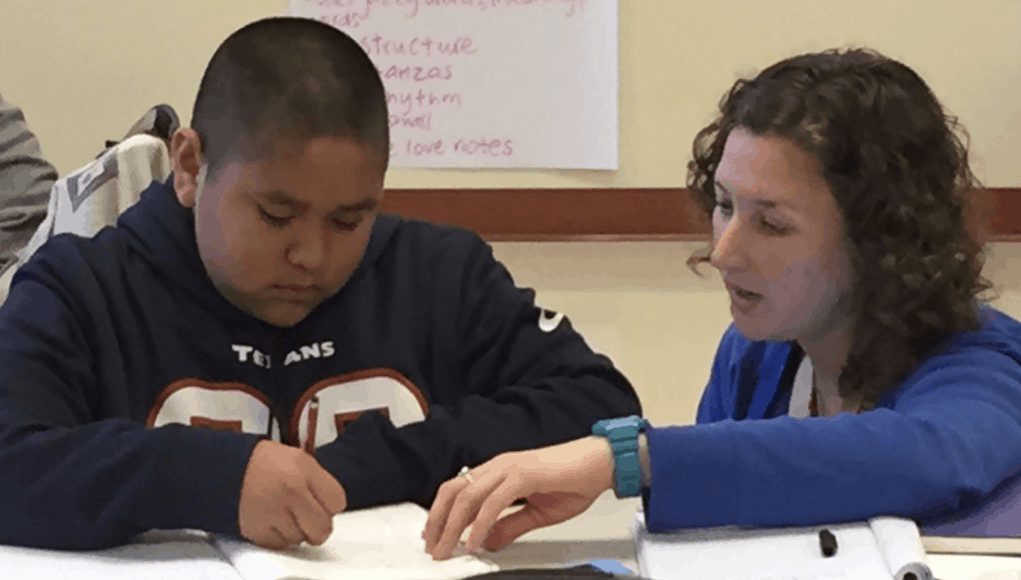
The Coming Social Economy
In this post, Tom Vander Ark explores the coming social economy and explains how it will be built on the traits that make us uniquely human—care, consideration, creativity, and critical thinking.
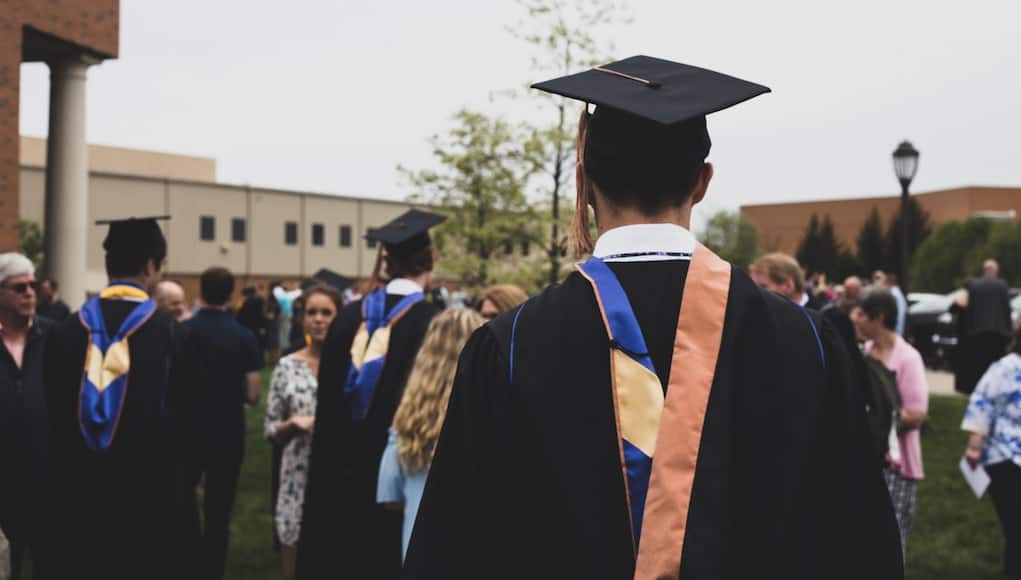
Rethinking the College Pipeline: Leading University Gains Youth Badging Platform
Southern New Hampshire University (SNHU) and LRNG recently announced they're merging to "build a learning and workforce solution for cities and employers across the U.S." In this post, Tom explores what this means for the future of learning and work.

Business Schools and the Problem-Solving Skills Gap
By: Corey Phelps, Ph.D. Research on complex problem-solving shows it doesn’t come naturally for most people. Numerous cognitive biases trip us up. To overcome these biases and become better problem-solvers, we must be taught how to do it well.

New Merger Brings Learning and Workforce Solution for Cities Across the U.S.
Southern New Hampshire University (SNHU) and LRNG merge to deploy innovative community-based education strategy in cities across the U.S. Discover what that means for the future of learning and work.