

Future of Work
The future of work will bring new challenges and cause us to shift how we think about jobs and employability—so what does this mean for teaching and learning? In our exploration of the #FutureOfWork, sponsored by eduInnovation and powered by Getting Smart, we dive into what’s happening, what’s coming and how schools might prepare. For more, follow #FutureOfWork and visit our Future of Work page.

Future of Learning
Sharing: The New Superpower
As a species, we’ve reached a point where we’re good enough at production to feed, clothe, and connect everyone on the planet--we just haven’t figured out how to share the bounty of our production, or how to do it sustainably. How we share will shape the next 50 years of human existence.
Future of Learning
Now That We’re Augmented, What Should We Learn?
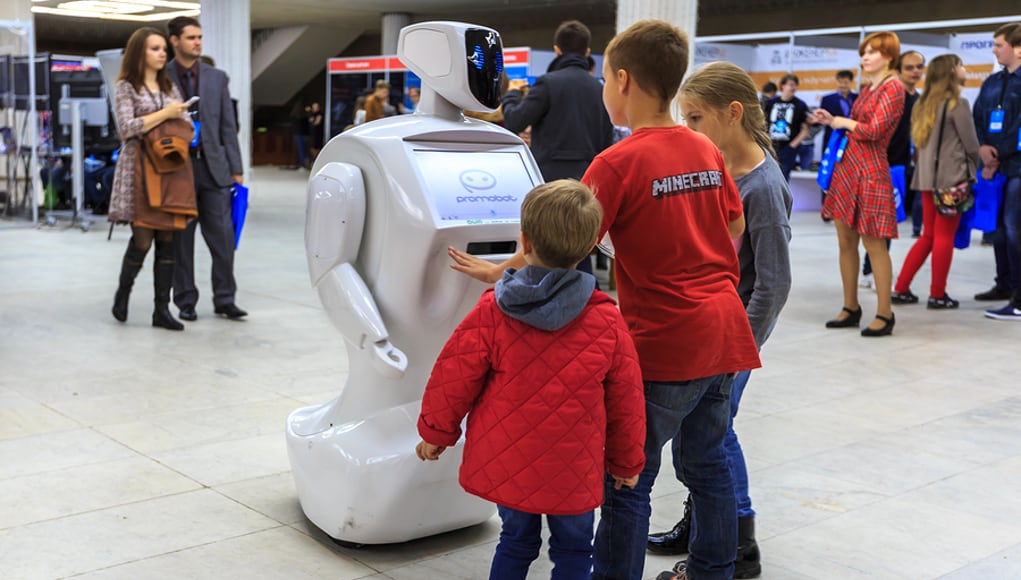
The new age of innovation (often referred to by the WEF and others as the Fourth Industrial Revolution), in which we are all partners with smart machines, demands three new developmental priorities. Here, we provide an overview of what they are, and how we can focus on them.

Future of Work
Attacking Complexity with Confidence
By: Jonathan Rochelle, Katherine Prince and Tom Vander Ark. One thing we know for sure—tomorrow will be more complex than today. We’ve entered a new era that’s driven by artificial intelligence and education must adapt. Our students deserve a new set of learning priorities (not just more added to a crowded set of learning objectives).

Equity & Access
Building on the Power of Digital Badges to Create Future-Ready Learning and Job Experiences for Students
By: Connie Yowell. Badges open up a world of learning that many students previously did not have access to. Through badging students can take their learning outside of the school building, unlocking a world where they can learn skills that are of greatest interest to them or their future career, at a time and place that best suits their needs.
Future of Learning
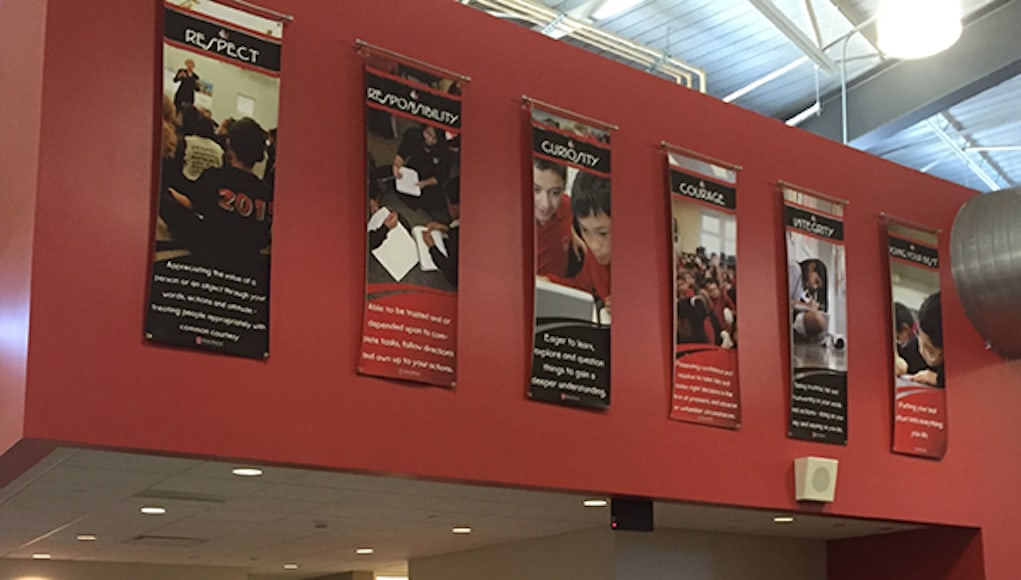
How Shared Values at DSST Shape Youth Development
Shared values are central to life and learning at DSST. “We’re a values first organization,” said CEO Bill Kurtz. The shared values are alive in the DSST culture, practiced in the advisory system, and applied in real life learning opportunities.

Future of Work
The Entrepreneurial Mindset
By: Amy McGrath. More and more young people are starting to build their own businesses. Mark Greenberg is the founder and CEO of BuildEd. He uses his experience as an entrepreneur in industries ranging from consulting to real estate investment to develop entrepreneurship courses for partners like ASU Prep Digital and several K-12 programs.

Future of Learning
The Rise of AI: What’s Happening, What it Means, How to Prepare?
At SXSW EDU last week we hosted a meetup to discuss the implications of artificial intelligence on education. Thought leaders and forward thinkers discussed what’s happening, what it means and how we can prepare.
Future of Learning
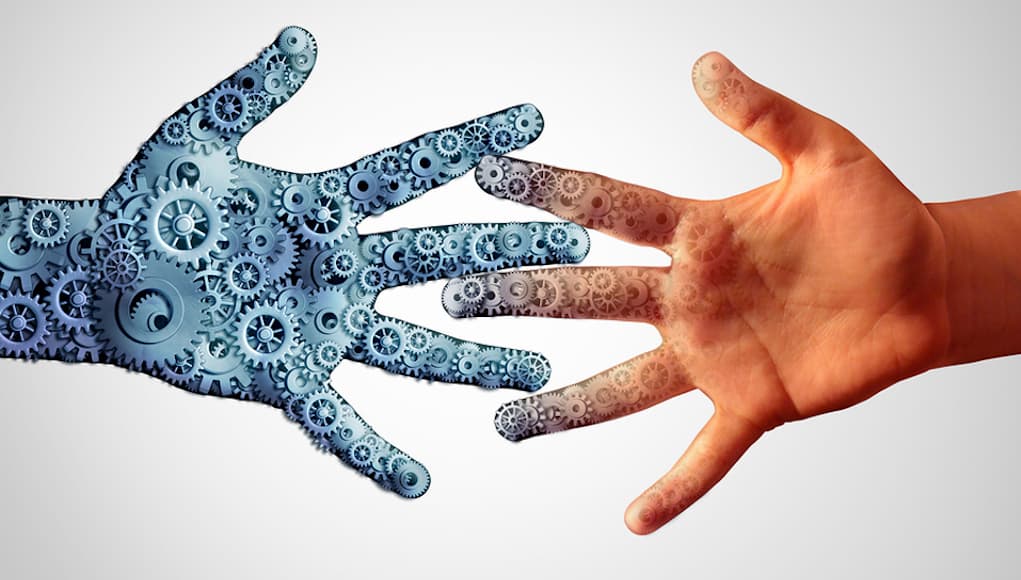
Bots & Big Cities: What Do They Mean for Our Kids?
This post was originally published in April of 2016. Since then, the world has changed in a number of big (and unexpected) ways. We hope this glance into the recent past will serve as a powerful reminder of why you are working to improve the learning of the students you serve, and lend a sense of urgency to the important work you are doing.
Future of Work
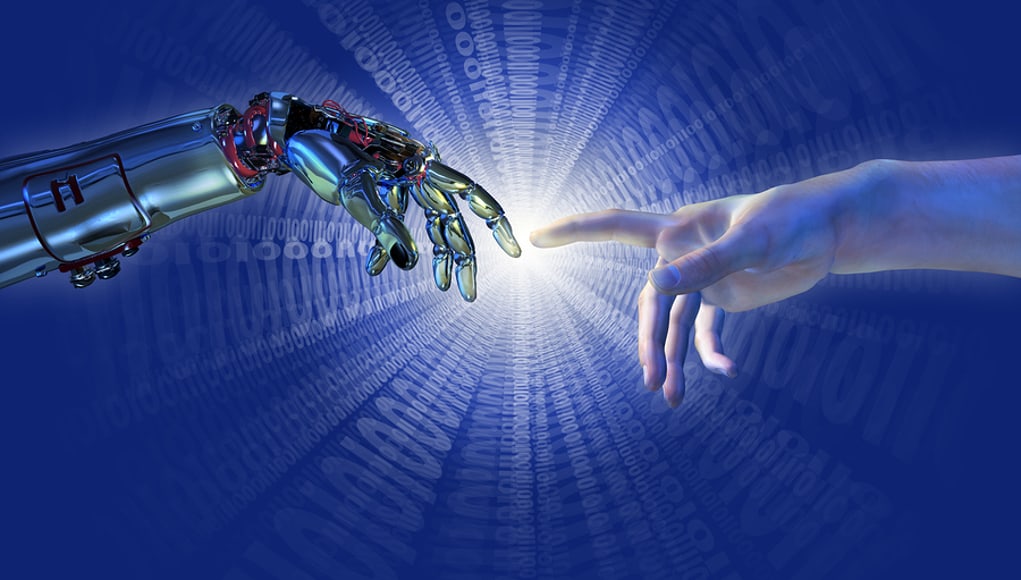
Why The Four Cs Will Become the Foundation of Human-AI Interface
I’ve begun to realize that P21 and the many other organizations that promote the 4Cs need to rethink what these skills mean with the advent of AI. The P21 skills framework was conceptualized with human-to-human interaction as the default assumption--here's why I think that will change in the near future.
Future of Work
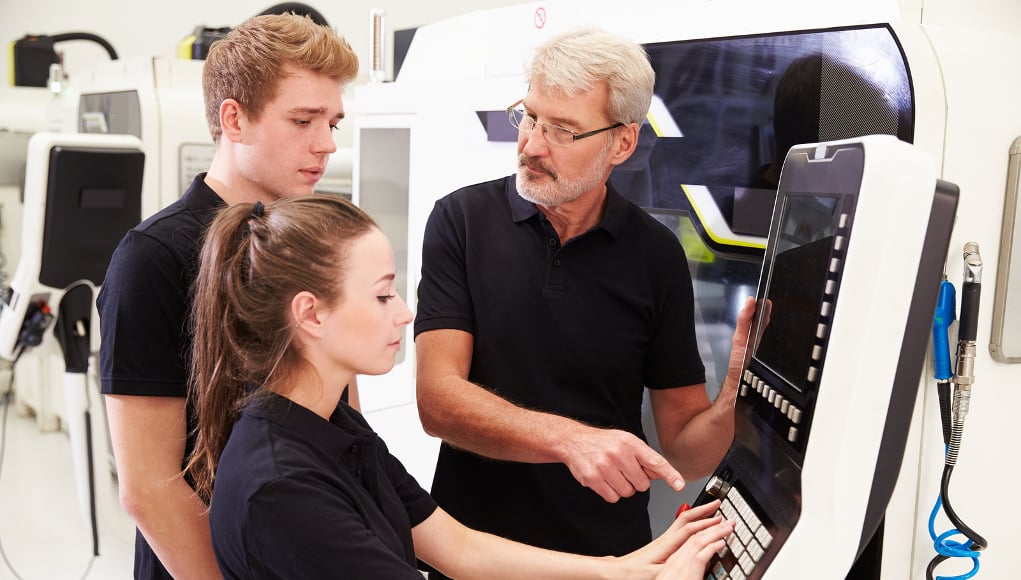
The Future of Work: Building Entrepreneurship Skills in K-12
In order for students to leave high school and enter college or careers prepared to succeed, they need to possess a set of entrepreneurial skills and be able to articulate their work and what they’re capable of. Skills like design thinking, project management, and simply learning how to work with and for a variety of people are becoming increasingly important.