


Future of Work
The future of work will bring new challenges and cause us to shift how we think about jobs and employability—so what does this mean for teaching and learning? In our exploration of the #FutureOfWork, sponsored by eduInnovation and powered by Getting Smart, we dive into what’s happening, what’s coming and how schools might prepare. For more, follow #FutureOfWork and visit our Future of Work page.

Asking Kids to Dream–And Bringing Dreams to Life
What if we asked kids what their dream machine would do, then helped them build it? MyMachine in Belgium (and expanding globally) is doing just that and offering thousands of children the opportunity to dream.

How Cities are Getting Smart Using Artificial Intelligence
By the middle of the century, two-thirds of the world’s population is projected to live in urban areas. This rapid urbanization leads to big problems that create a demand for smart city solutions. How will AI help? How could it hurt?
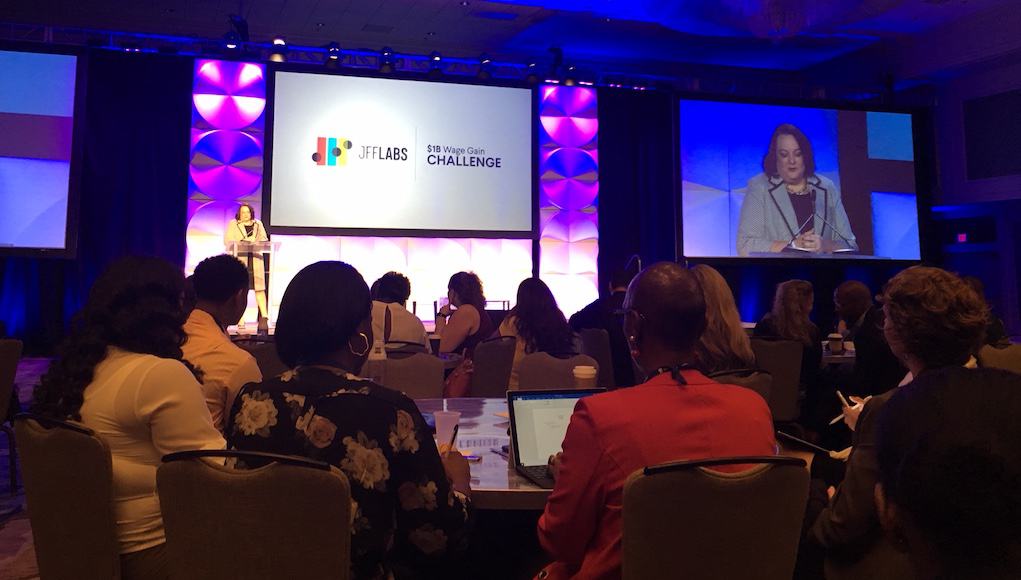
JFF Horizons: Building New Bridges to the Future of Work and Learning
We won’t be able to prepare our students for the rapidly changing world and technologies like AI if our education, policy, and private sector systems continue operating in silos. JFF Horizons highlighted creative new ways to build bridges between these sectors.
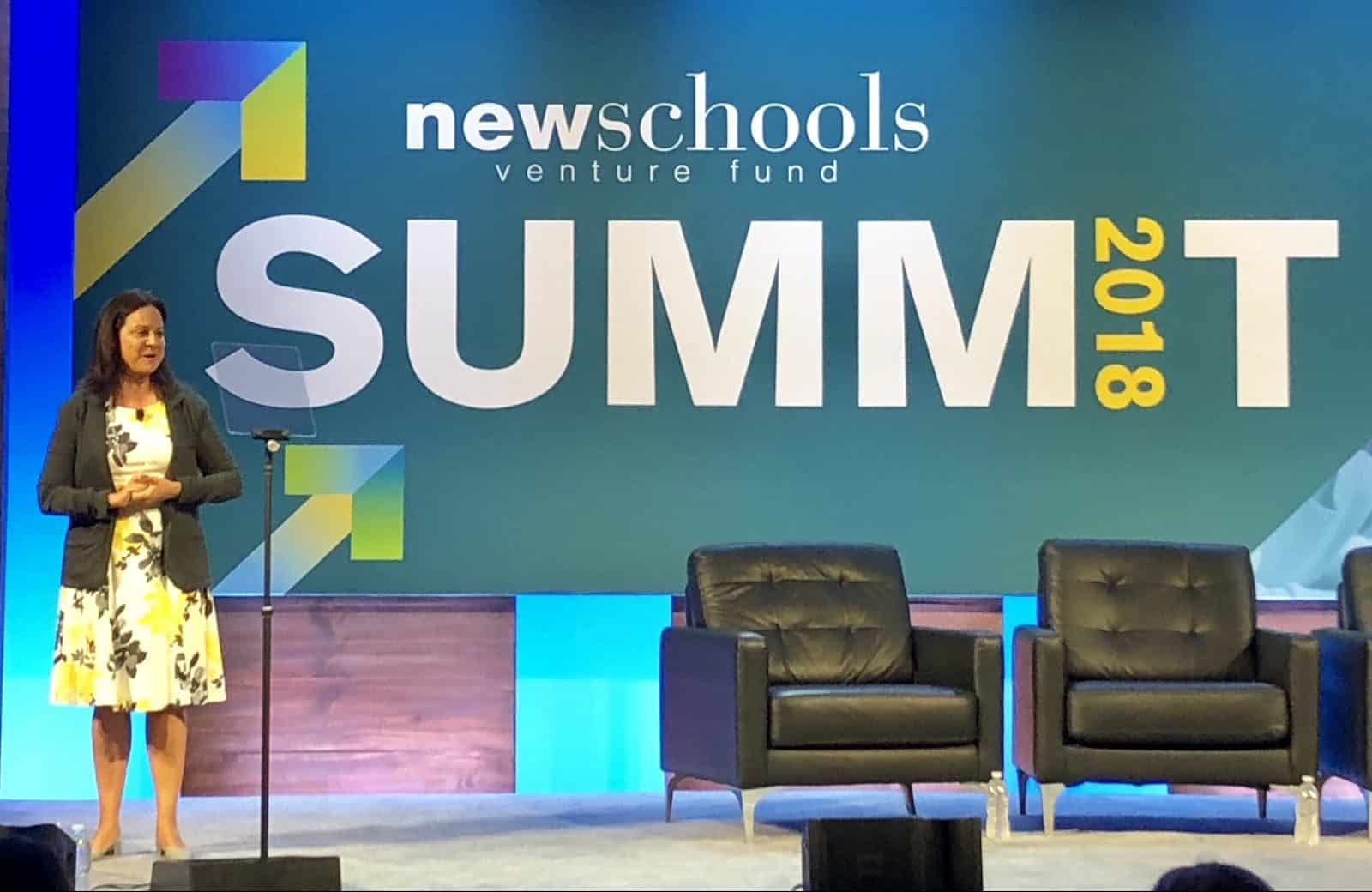
Equity and Innovation at NewSchools Summit
With a call to leverage diversity for innovations in learning, Stacey Childress opened the 2018 NewSchools Summit (#NSVFsummit) in San Francisco. The national nonprofit catalyzes new schools, encourages better EdTech tools and develops diverse EdLeaders. Tom shares highlights from the summit and more.

10 Classroom-Ready Computational Thinking Resources for K-12
By: Dacia Jones. Computational thinking can help prepare the next generation for the future of work. It teaches students to process information like a computer would. It'll guide students through a series of steps, similar to an algorithm, to solve open-ended problems.
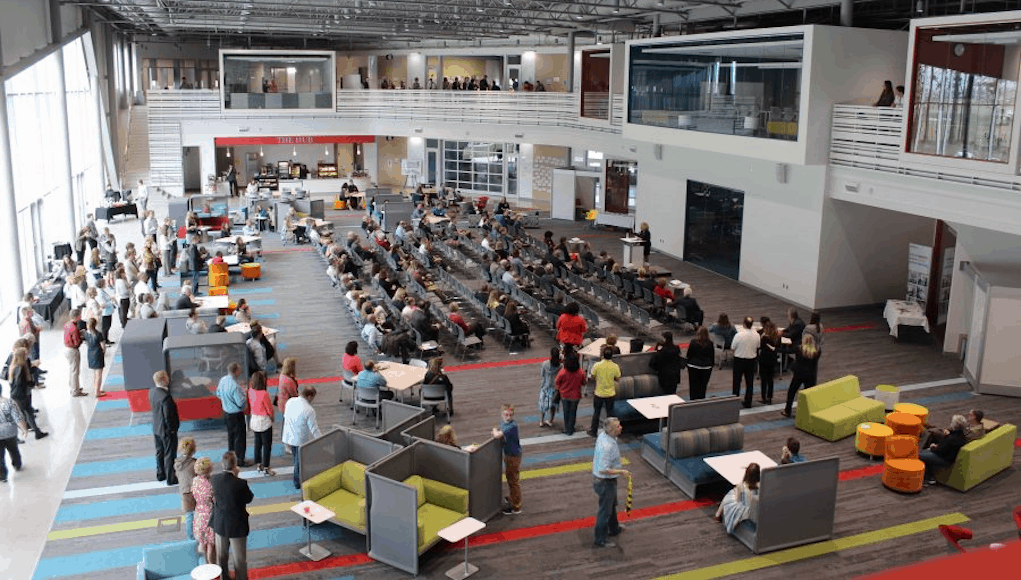
The Evolution of Education Through the Power of Partnerships
By: Salar Chagpar. In this post, we look at how strategic pathways between educational institutions in partnership with industry are changing the ways that we prepare students for the future of work.

Building the Cognitive Muscles to Thrive in the Automation Age
The Information Age was a four decade long global sprint to incorporate information technology; the World Economic Forum calls it the Third Industrial Revolution. It changed how we live, work, play, and, just in the last few years, how we learn.

Education as a Benefit: More Companies Support Degree Pathways
A look at the companies developing their organizations while building community by supporting education and degree pathways for their employees.
Sharing: The New Superpower
As a species, we’ve reached a point where we’re good enough at production to feed, clothe, and connect everyone on the planet--we just haven’t figured out how to share the bounty of our production, or how to do it sustainably. How we share will shape the next 50 years of human existence.
Now That We’re Augmented, What Should We Learn?
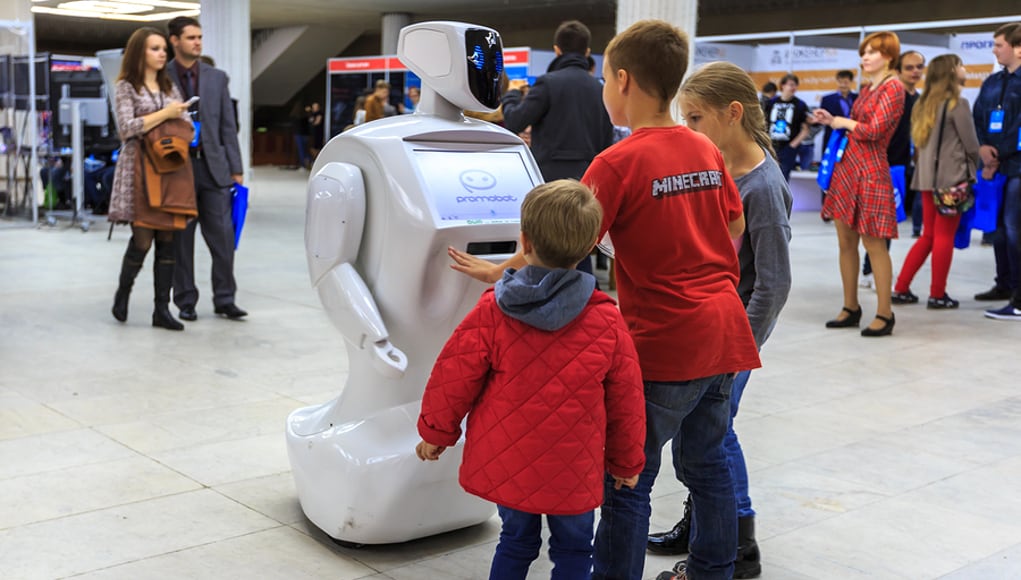
The new age of innovation (often referred to by the WEF and others as the Fourth Industrial Revolution), in which we are all partners with smart machines, demands three new developmental priorities. Here, we provide an overview of what they are, and how we can focus on them.