


Future of Learning

The Growing Need for Online Teachers
COVID-19 will surely mark a dramatic change in the teaching practices and employment of many teachers. David Ross highlights some of the many opportunities to be explored in online teaching.
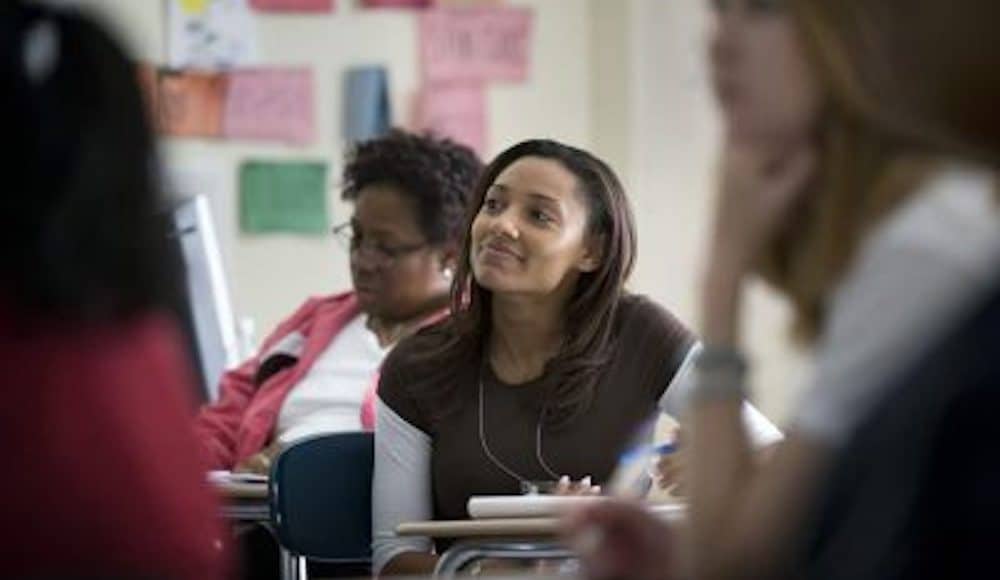
Voices from the Field: Educational Leadership
In the second blog of a three-part series on educational perspectives, Erin and Kristen survey educators about educational leadership.

Voices from the Field: Best Practices
By: Erin Gohl and Kristen Thorson. We can support our teachers and the work they do by valuing their perspective and insights, providing them with the resources specific to their students’ needs, and giving them the autonomy to respond to the variations in learning and circumstance within their classrooms.
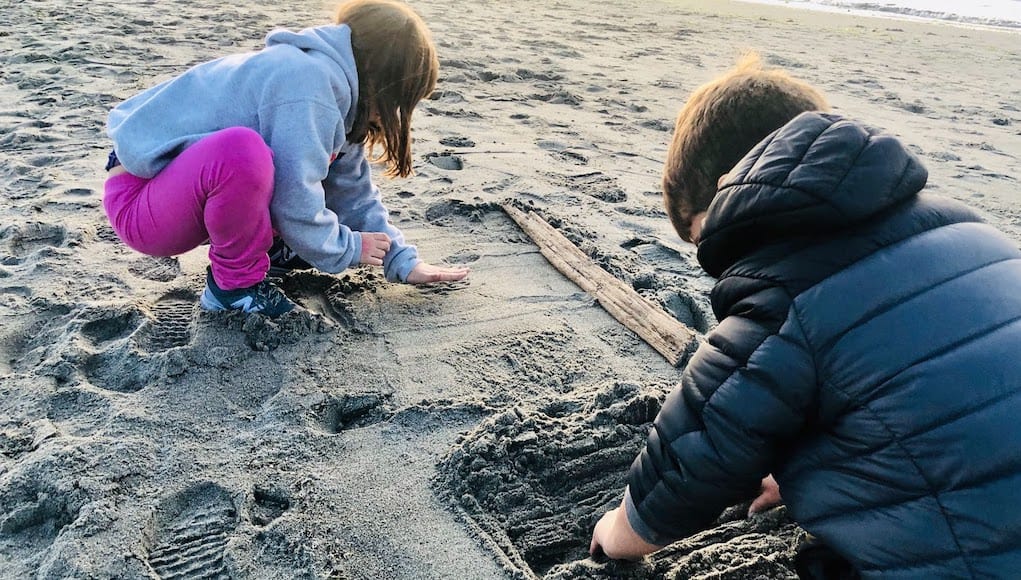
Getting Through: Supporting Learners as they Transition to School at Home
Getting Smart staff members Kelly Niccolls and Rebecca Midles discuss home-bound learning opportunities for students and share resources to help get you started.

I’m in a New Place—and It’s so Familiar!
Are you considering the power of place for your learning community? The energy of place can spur our students’ productivity and creativity.
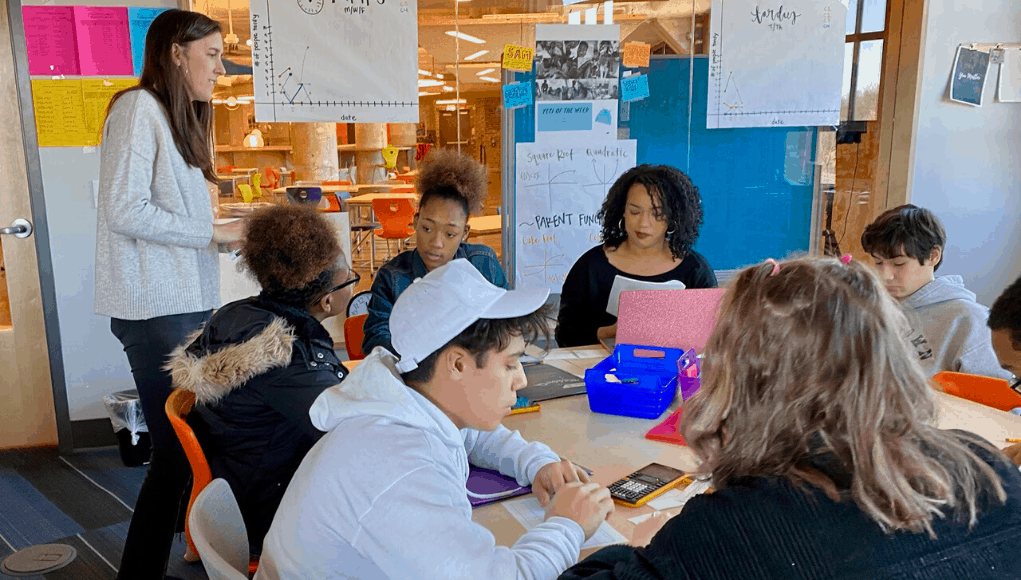
The New Mutuality
More than ever, the climate crisis and the rise of AI mean we’re all in this together. It’s time for community conversations about the implications of this new age of mutuality.
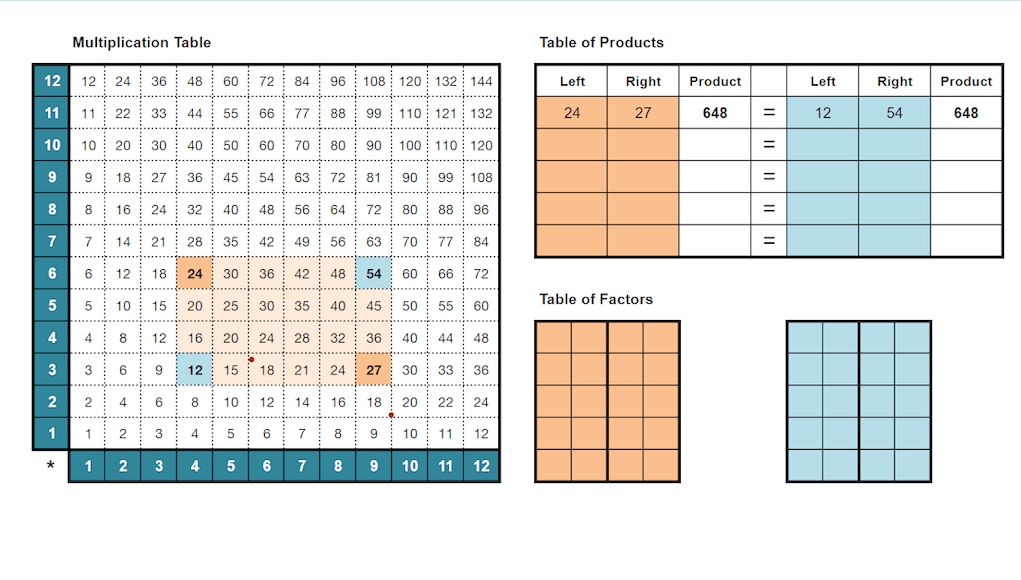
‘Why Do We Have to Learn This?’—Part II
By: Art Bardige. The way math is taught in school is antiquated. Spreadsheet math and open web schools can more adequately prepare students for our time.

Where You Need to Be at SXSW EDU 2020
Join the Getting Smart team at SXSW EDU 2020. Here’s where we’ll be, a few events to add to your list and a couple of tips to make the most of your week.
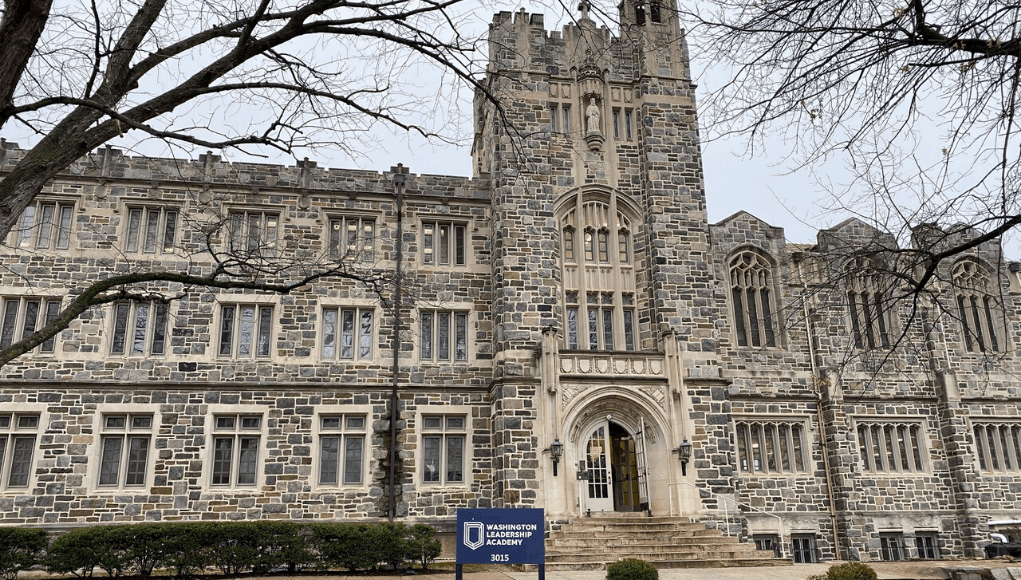
D.C. Students Learn New Skills In An Old Building: Washington Leadership Academy
In a century-old building that once housed a seminary in northeast Washington, D.C. is a great college prep high school. It’s a bit “Oxford on the outside, Google on the inside.

Students and Phones: Symbolizing The Battle Between Tradition and Transformation
Banning cell phones only model compliance vs. real-world need to have social, cultural and professional environments. We need to teach, model and work towards creative solutions vs. making it a simple disciplinary concept.