

Archive
component:where.partnerships
Career & Technical Ed
Human Work: Learn Stuff Computers Can’t Do
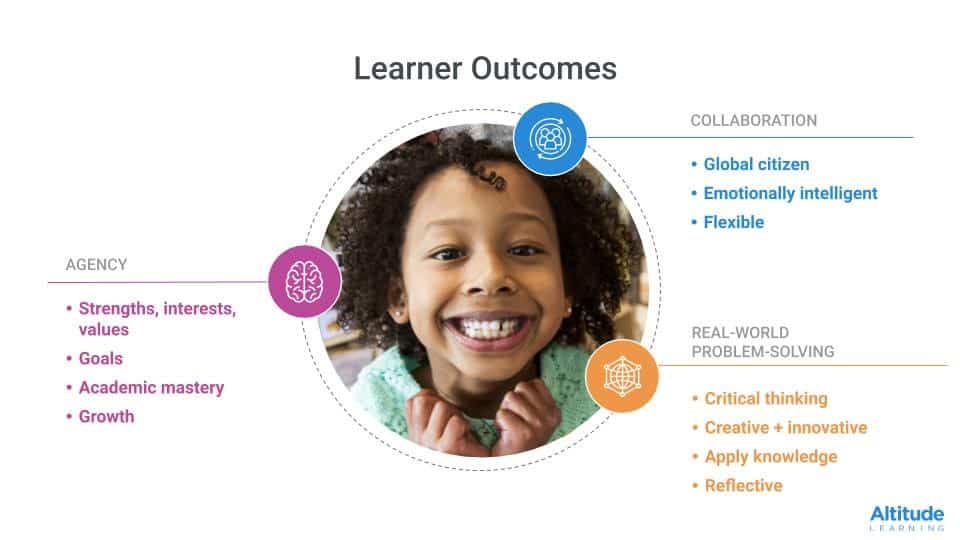
Learning design should be centered around the broader aims of what students can achieve and how they can solve the biggest problems facing society.

Future of Learning
Harmonizing with Microcredentials: 7 Steps to Reimagining Your School’s Professional Learning
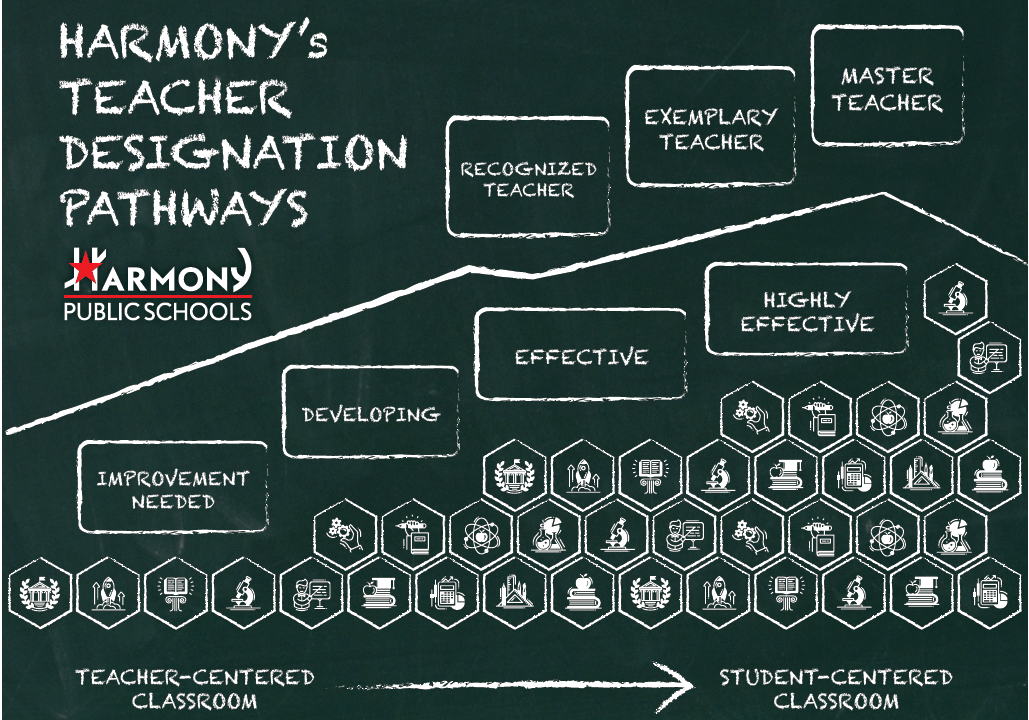
In this final piece of the series, we summarize how Harmony Public Schools reinvented professional learning for their staff by putting the educator at the center and building a career pathways program awarding relevant and realistic microcredentials to in-service teachers and administrators.
Competency-Based Education
Change Management at Harmony Public Schools: When Prior Innovations Become Status Quo
By: Burak Yilmaz. Through the development of a competency-based microcredential system, Harmony Public Schools has become a place where all educators with a growth mindset can thrive.
Leadership
A Pivot Within A Pivot: Getting InspirED With Educators to Define and (re)Define Success
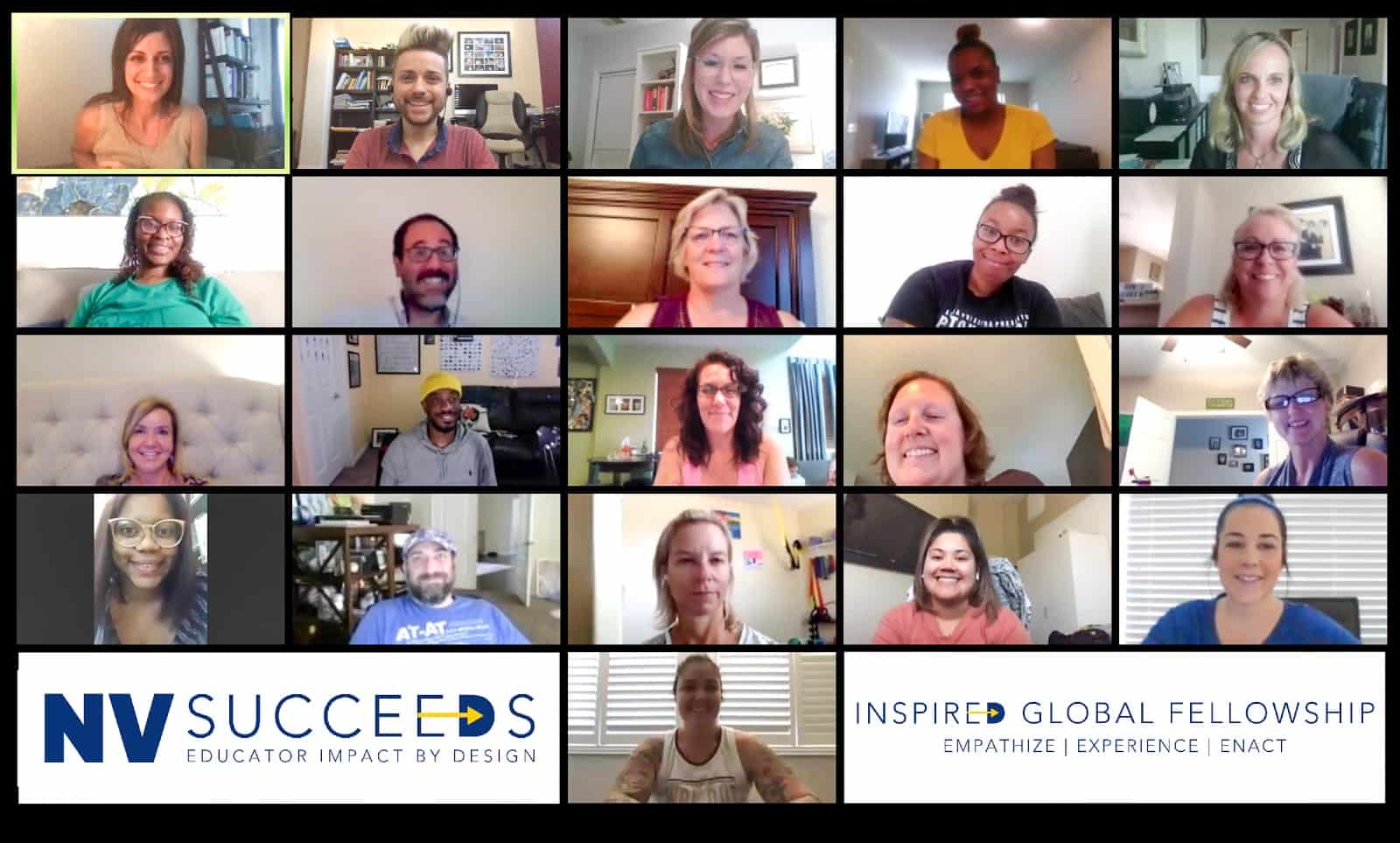
By: Jeanine Collins. Jeanine shares how the InspirED Global Fellows pivoted to a virtual program due to the pandemic but they remain focused on prioritizing 21st-century learning.

Future of Learning
The Role of Student Roles
Michael discusses how creating relevant real-world opportunities allows students to enhance their skills, resumes, and portfolios.

Learning Design
Finding Focus: Creating Collaborative Learning Spaces
Rachelle Dene Poth shares three ideas for creating classroom spaces in the new school year.

Future of Learning
Invention Opportunity: Creating a Shared Reality
In the first of the Invention Opportunity series, Tom discusses the importance of shared reality - a necessity of leadership and systems.

Career & Technical Ed
Lining Up Career Dreams with Reality
By: Dr. Suzette Lovely. Suzette discusses how to build exposure and aspirations around careers that may not currently exist.
Future of Learning
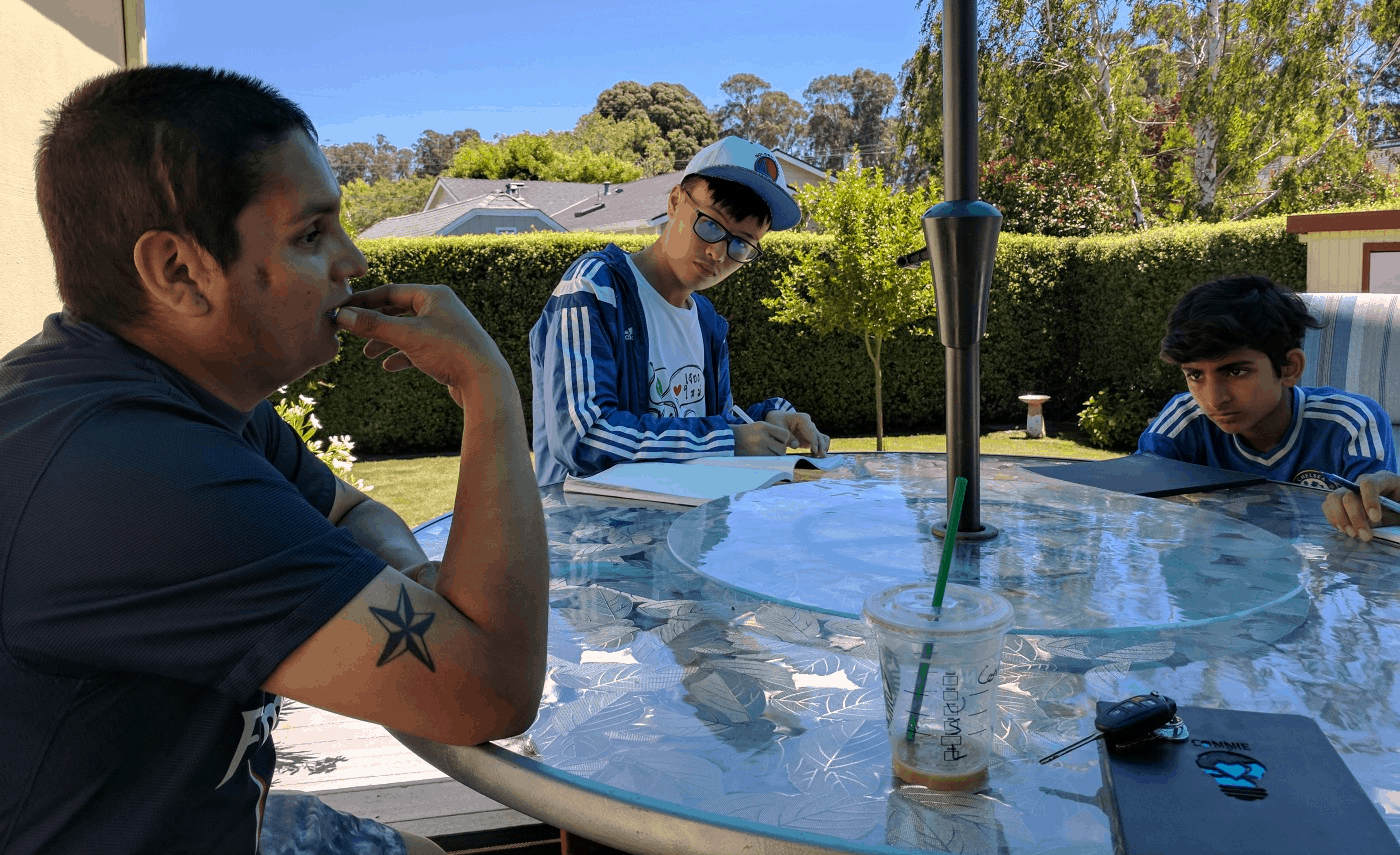
Beyond the 4Cs: Empowering Youth in the 21st-Century
By: Connie Liu. Connie discusses the 4C’s framework, the skills that are most important for student success, and are principal components of becoming a 21st-century learner.
Equity & Access
#EngageEquitably Helps Education Leaders Communicate More Effectively with Families and Communities
The challenges of COVID-19 and underlying inequities have expedited the need for equitable communication strategies with families.