

Archive
component:how.assessment

Help Students Thrive in Remote Learning Environments with Formative Assessment
By: Amanda Vass. As students return to remote, hybrid, and in-person classrooms, Amanda shares strategies for incorporating formative assessment.
The Future Of Learning Is Smart Measurement Rather Than Dumb Assessments
The future of learning is smart measurement-- a collection of authentic and adaptive observations over time. The results help learners understand their growth and tell their stories.
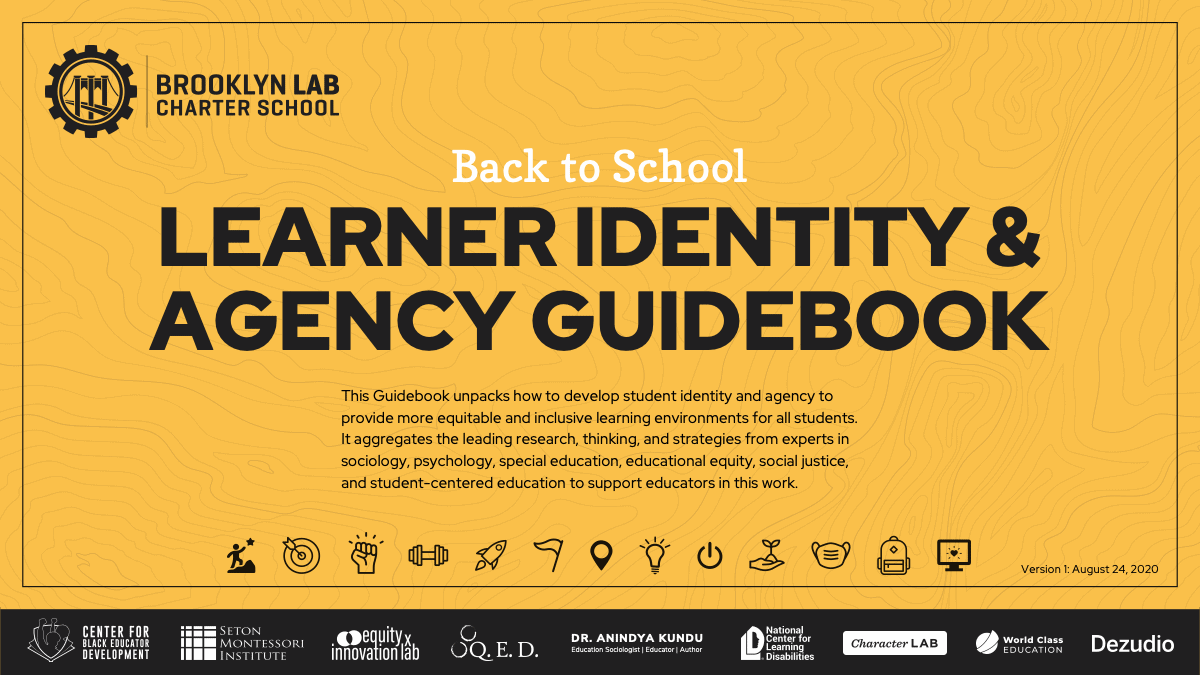
How Schools Can Help Cultivate Learner Identity and Agency
The Brooklyn Laboratory Charter Schools team shares how educators can cultivate opportunities to develop a strong sense of identity and agency.
3 Ways Leaders Can Create The Conditions for Deeper Learning
Leaders are charged with creating the learning culture and environment that is conducive to deeper learning. Three areas to begin with are how we start school, how we share student work and how we culminate the year.
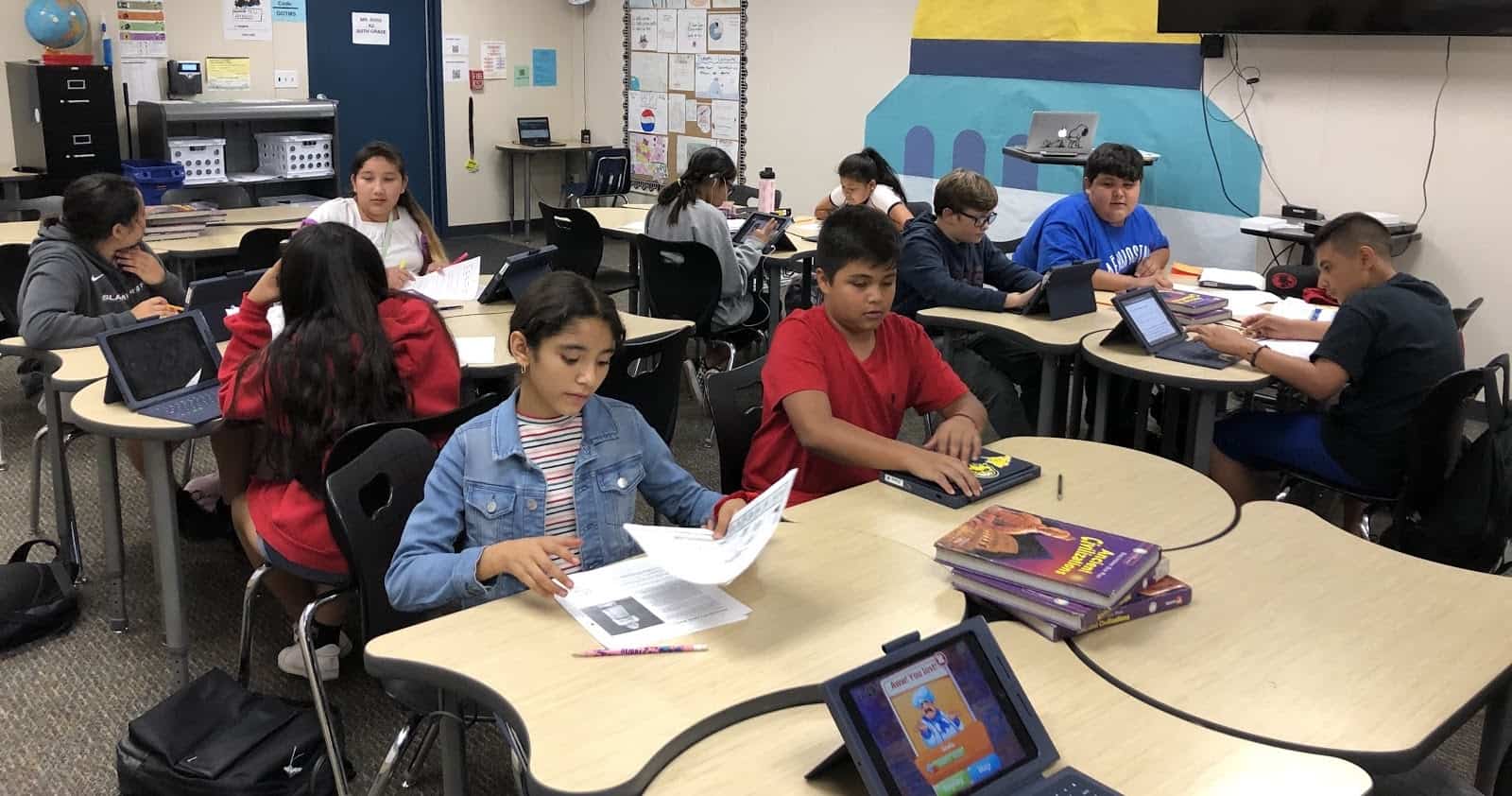
It’s Time to Reassess Our Understanding of the 4Cs
David outlines a new vision for the teaching and assessing of 21st century skills that is anchored in cultural awareness and differing ways of expressing competence.

Developmental Reflective Practices Lead to Learner Ownership, Critical Thinking, and Self-Actualization
Regular reflective practices result in the learner having a greater understanding of their contribution to the work and process, their role or roles in the team and their own growth (academic, social and more).
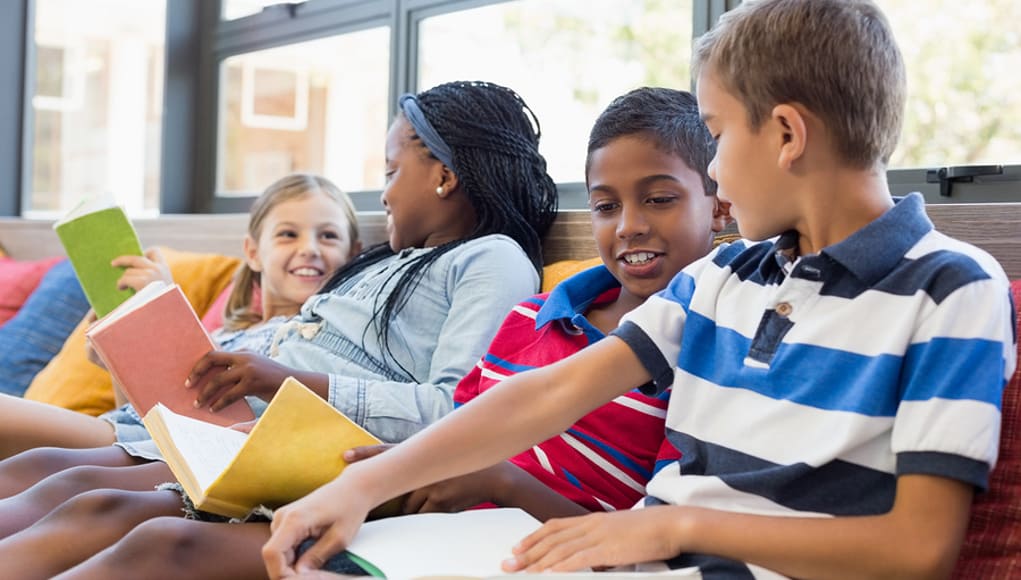
What Self-Reflection, Peer Evaluation, and Assessment Looks Like in Action in Early Elementary
By: Jenny Pieratt. The Founder and President of CraftED Curriculum tackles how to begin teaching self-reflection, peer evaluation, and assessment in early elementary.

Voices from the Field: Best Practices
By: Erin Gohl and Kristen Thorson. We can support our teachers and the work they do by valuing their perspective and insights, providing them with the resources specific to their students’ needs, and giving them the autonomy to respond to the variations in learning and circumstance within their classrooms.
Defining and Measuring the ‘Personal’ in Personalized Learning
Many districts find themselves caught between the structures of schooling and the ideals of learning. The solution may lie in how they define and measure the 'personal' aspects of personalized learning.
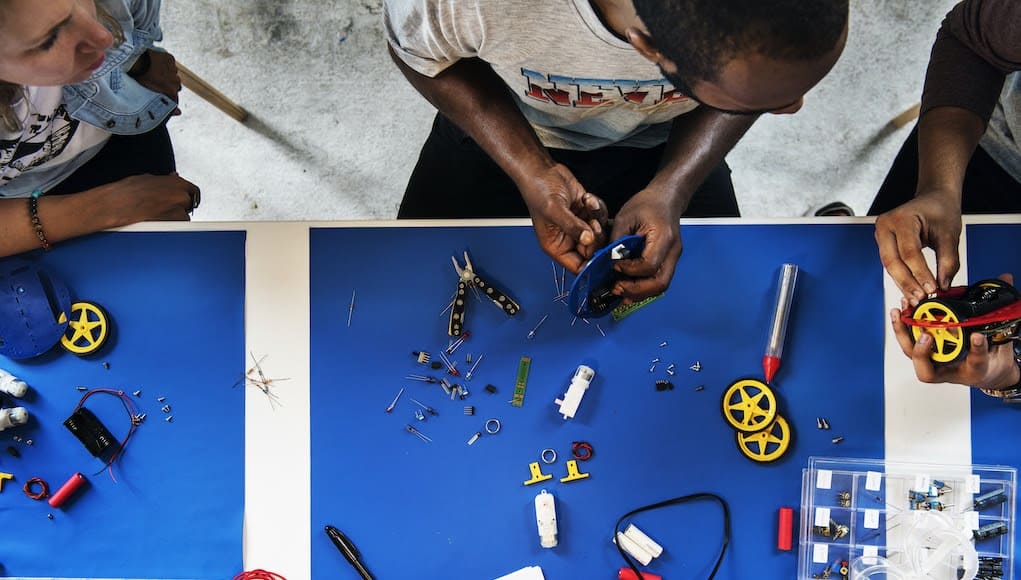
Competency-Based Approaches Focus On Skills, Relevancy and Personalization
Redefining learning outcomes and assessments by applying competency-based approaches will lead to more personalized and relevant learning.