


Social-Emotional Learning
Beware of Bias and Value Variability As You Promote Persistence
Tom Vander Ark explores persistence and shares ACT’s holistic framework’s value determination of “ability to sustain effort” as an important predictor for education and work success. Learn more on the blog he unpacks valuable lessons along his journey that defined the power of persistence.
Building a Kinder World: How Maker Education Can Solve Problems and Foster Empathy
By providing tools and mindsets for real-world problem solving, maker education encourages the development of essential academic skills, creativity, and empathy. Alesha Bishop delivers a powerful blog on the integration of social emotional learning that equips students to invent solutions to the problems they see in the world.

All Youth Deserve Performing Arts Experiences–They Promote Agency, Empathy, and Project Management
Performing arts offer opportunities for students to learn lifelong skills that go beyond performance. Theatre is a solution rich, deeper learning experience that provides opportunities for problem-solving, empathy building and project management. Read more on why these experiences matter for youth.
CASEL’s New Guide Provides Actionable Steps for SEL Implementation
CASEL recently published a comprehensive framework and toolset on social-emotional learning (SEL) to help bring clarity on, and provide actionable steps for, how to proceed in ensuring the healthy development of students.

Preparing All Learners for an Uncertain Future of Work
By: Katherine Prince. It is unknown what the emerging future of work will look like, making it even more critical that we help young people and education and employment stakeholders plan for multiple possible futures. Take a look at KnowledgeWorks' new foundation for readiness.

Mapping 21st-Century Skills to SEL Competencies
The relationship between Socio-Emotional Competencies and 21st-Century Skills has been uppermost on my mind lately because of a series of key events. In mid-January I spent the day working with 250 North Dakota school leaders, who came together in Mandan to learn how to better implement the state’s Choice…
Now That Schools Are Promoting Broader Definitions of Success, How Do We Measure Progress?
As more schools adopt broader learning goals, there are a few questions vexing school leaders, including: How can we measure growth in creative thinking? How can we measure whether our graduating high school seniors have the habits necessary to succeed at college and throughout adult life?
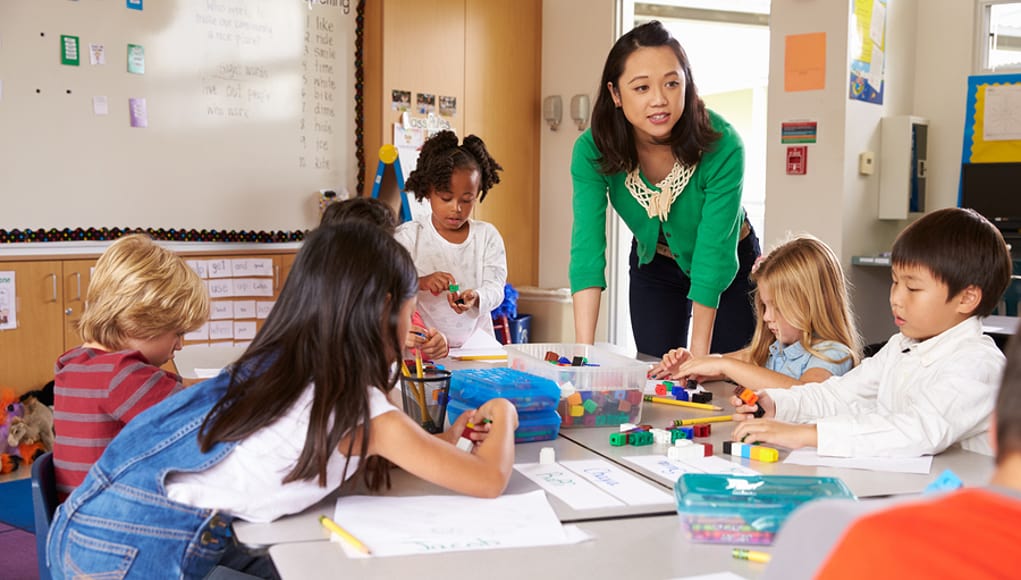
Reggio Emilia: The Future of Learning Has Roots in the Past
By: Beth Holland. Numerous current initiatives focus on creating personalized learner experiences through modern trends such as high-quality project-based learning (HQPBL) and design thinking. However, this pursuit to deliver learning that fuels each whole child has its roots in the Reggio Emilia Approach that Loris Malaguzzi first envisioned in the 1940s.
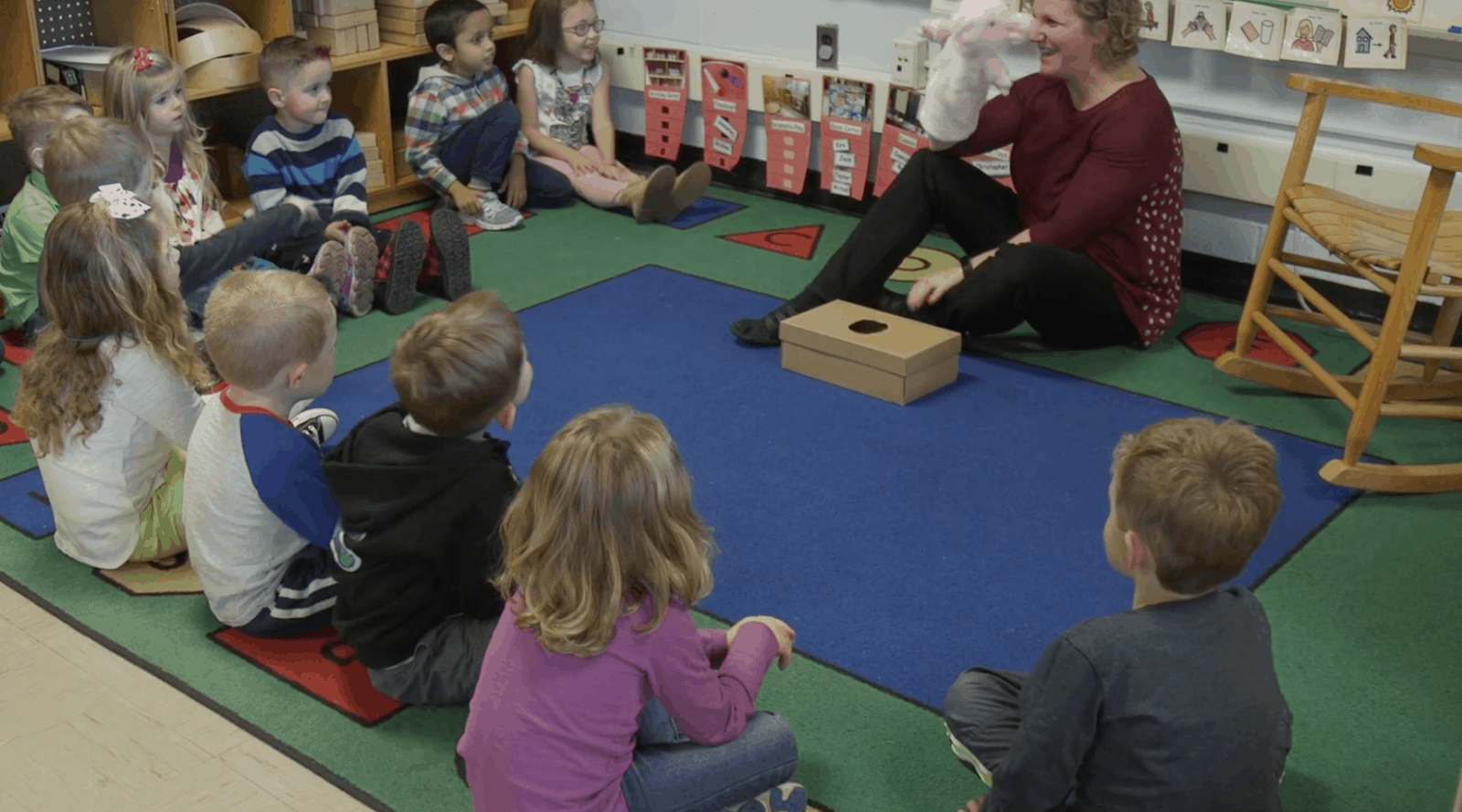
Using Engineering Activities to Support SEL in Early Childhood Education
By: Nia Keith. It’s never too early for young children to start engineering. Nia shares four key ways engineering activities can help maximize SEL growth:

Developing Stronger Teacher-Student Connections
By: Tara Brown. Connecting with kids takes on many forms but all can have a huge impact on a child’s feeling of emotional safety, level of engagement and, ultimately, academic achievement.