


Social-Emotional Learning
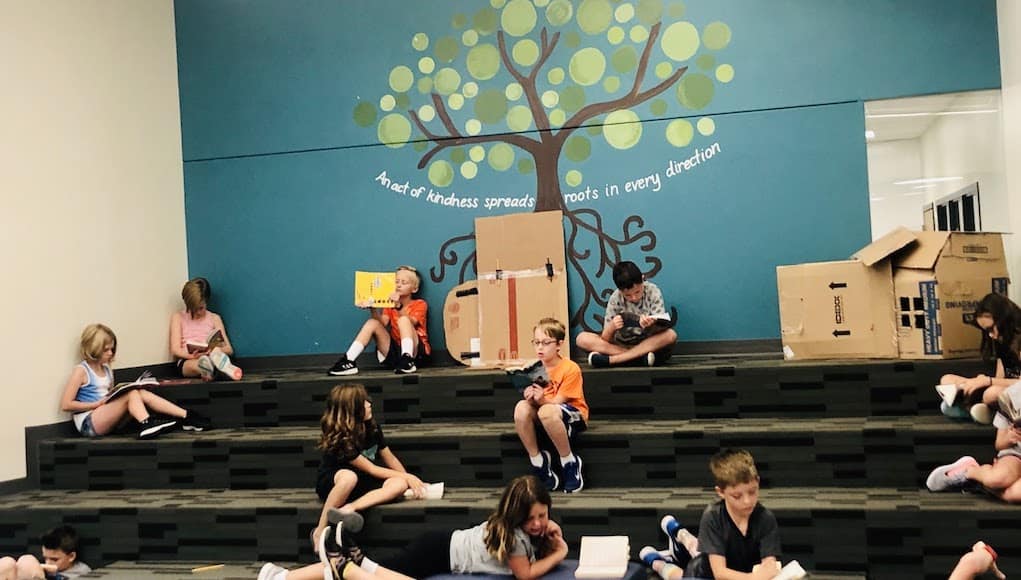
Focusing on Learners and SEL: Looping Strategies to Welcome Learners Back
As social-emotional learning becomes more integrated into our systems of learning, we must consider a specific structure to tend to the whole child returning to some form of schooling in the fall, looping.

Data-driven SEL: How It Can Help Meet Your Students’ Needs
By: Matt Smith and Travita Godfrey. Texas’s Humble ISD uses a data-driven, district-wide approach to SEL programming and intervention strategies to develop SEL competencies and help ensure students get the support they need.

SEL in the Era of COVID-19
By: Lori Jackson. During this time of school closure and distance learning, SEL is more important than ever. Everyone—parents, teachers, and students—can practice identifying, understanding, and managing their emotions.

Making All Things New: The Work of Reconciliation
We enter this season of reconciliation with new humility, a sense of individual and communal fragility and turn to the wisdom that came before.

Voices from the Field: Best Practices
By: Erin Gohl and Kristen Thorson. We can support our teachers and the work they do by valuing their perspective and insights, providing them with the resources specific to their students’ needs, and giving them the autonomy to respond to the variations in learning and circumstance within their classrooms.

6 Collaboration Tools That Take Learning Beyond the Classroom
Collaboration tools can promote student choice and extend learning to meet their needs. Here are 6 options for schools to consider.

Civics for 2020: This Is How to Engage Future Voters
By: Kristen Thorson and Erin Gohl. From preK-12, these age-appropriate ideas for a more engaging civics education can help ensure the health of our political institutions.
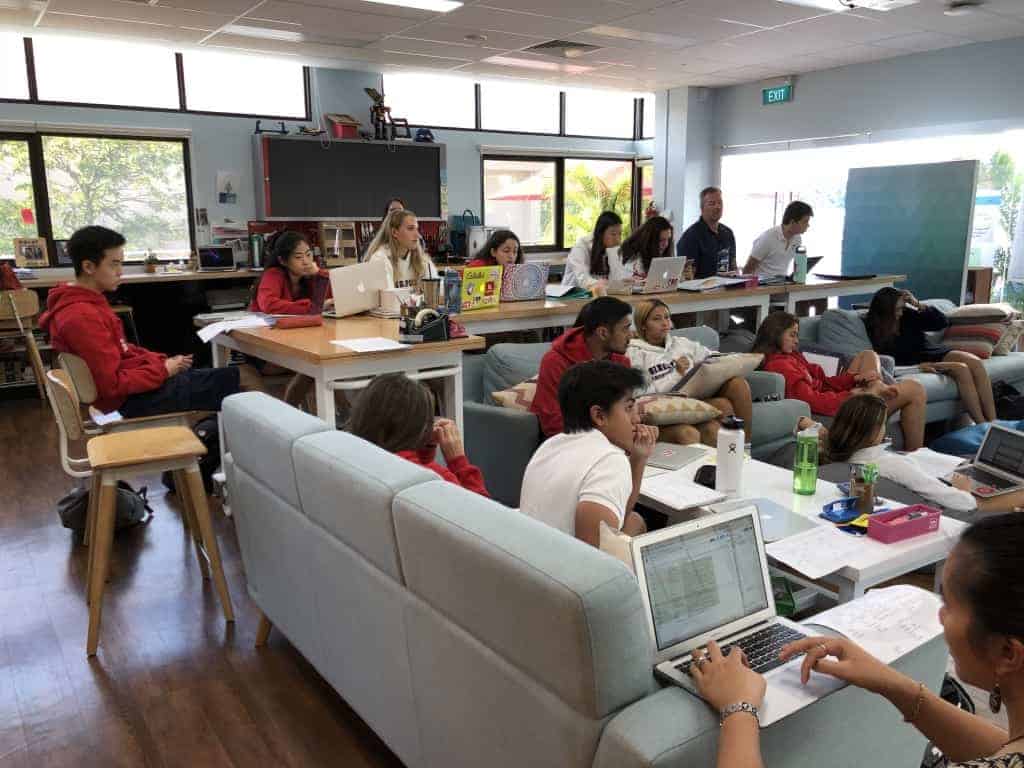
Alive With Possibility: 20 Tips for Creating Responsive Schools
Responsive schools create a culture of possibility for youth by giving voice to their interests today and exposing them to opportunities for tomorrow. They enable success in what’s next—in work, learning, and community service.

Teaching in the Time of Fire
David Ross examines how Northern California wildfires have impacted teaching and learning and shares strategies for how to lessen the trauma of power outages, evacuations, and pervasive fear.
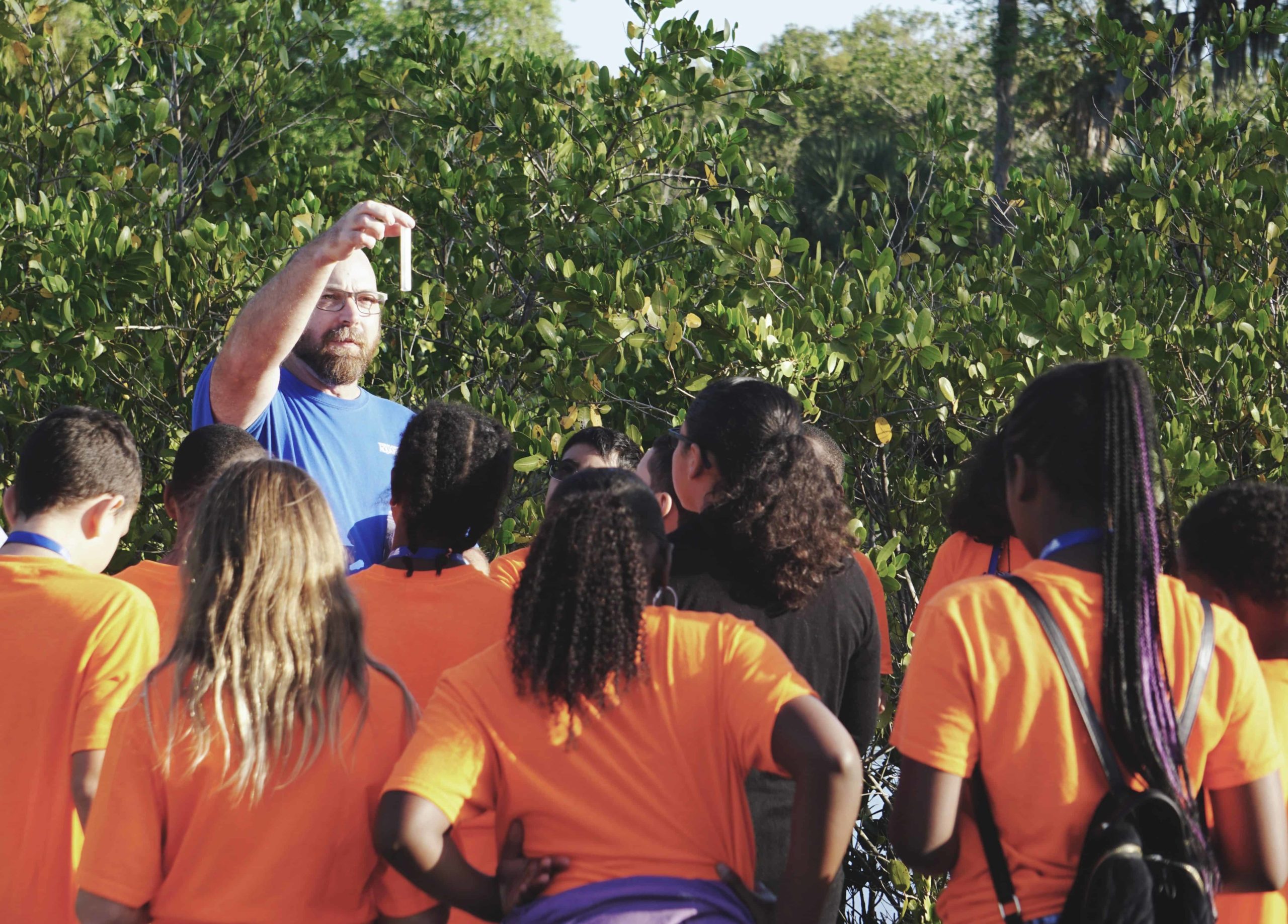
Project-Based Learning Provides Path For Increased Awareness of Self, Others and the World
Project-based learning may be the ultimate instructional approach for many reasons, but none possibly more important than its ability to propel a learner’s journey toward self-actualization.