

Learner-Centered
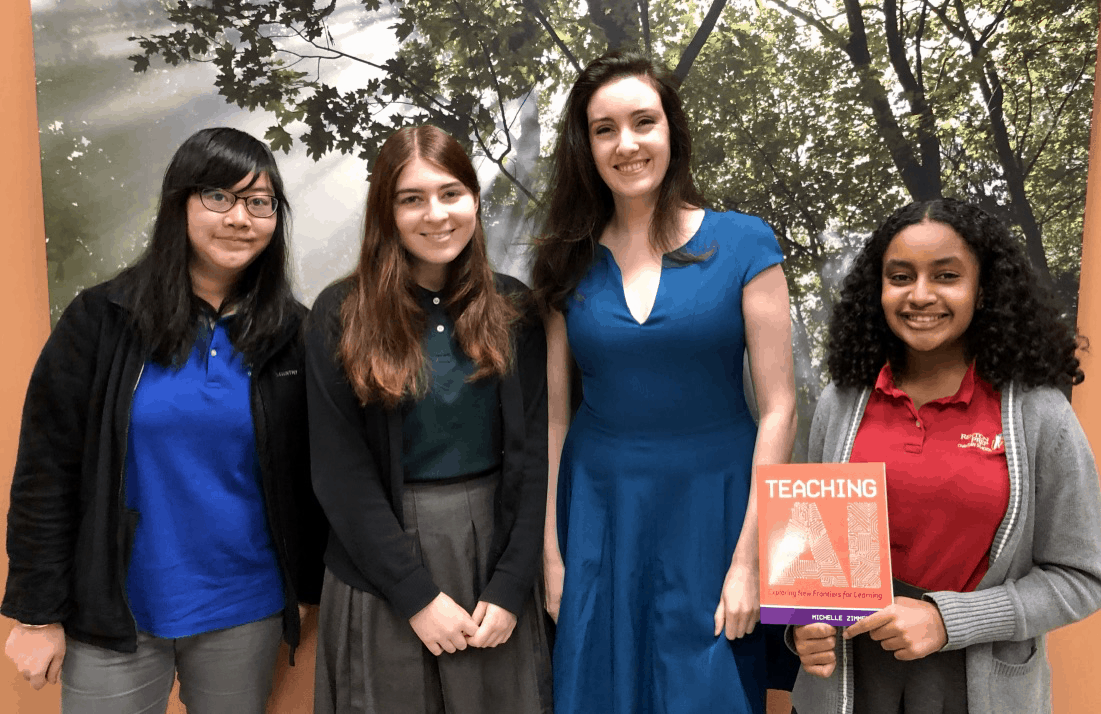
Teaching AI: Exploring New Frontiers for Learning
Inspired by the growing popularity of AI in pop culture and media, as well as more adaptive learning programs being released, Michelle Zimmerman realized change was coming for both what and how young people should learn and set out to write "Teaching AI: Exploring New Frontiers for Learning".
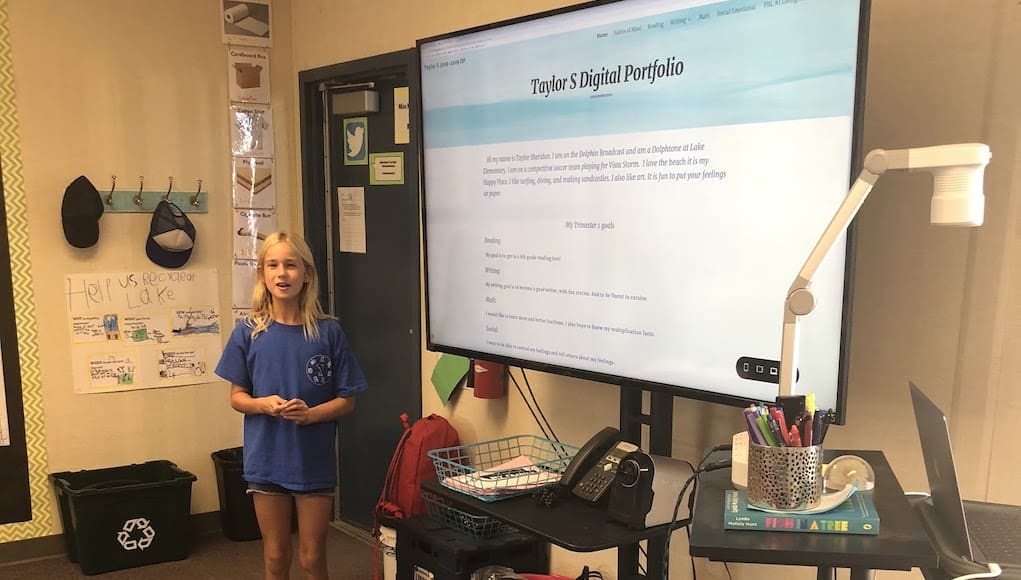
Empowering Students Through Sharing
This is part 1 of a 4 part series about how student engagement increases when students share their learning. When students are provided an opportunity to publicly share their knowledge about something they have learned, they are given more opportunity to take ownership of their work, which demonstrates that…

Getting Centered by Going to the Edge
By helping each individual student to find their center by exploring edges, we expand their access to out-of-school learning opportunities, scaffold their exploration of work and career pathways, support their development of social capital, and help them to continually refine their own centers

Agilix Announces Dawn to Provide Engaged Learning Anywhere
Last week Agilix announced the launch of Dawn, a mobile-first, video-centric learner platform. Read this post to learn more about how Dawn combines face-to-face instruction with the accessibility and self-direction of online learning.
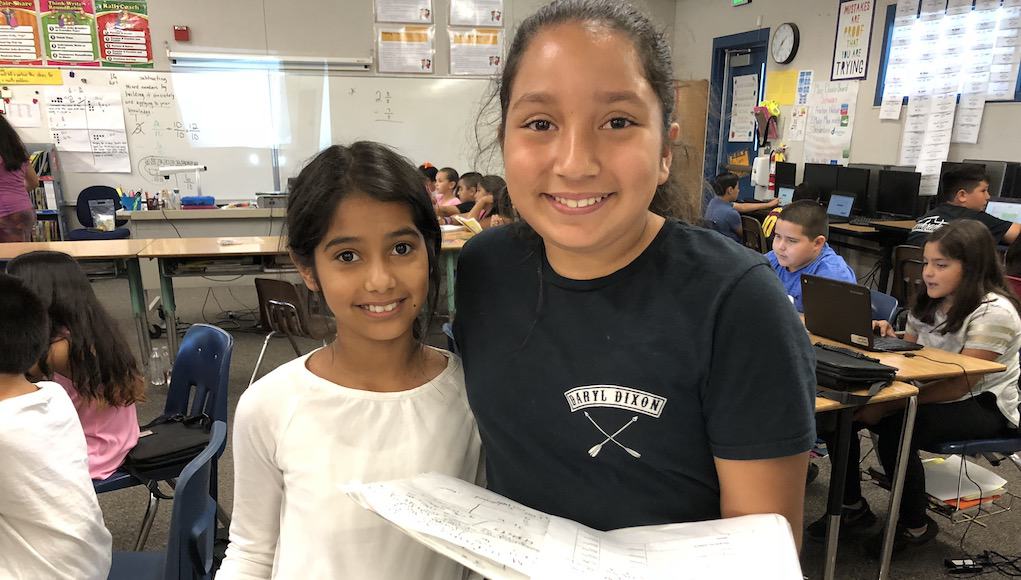
The Promise & Challenge of Student-Centered Learning
From the role of Artificial Intelligence (A.I.) to policy levers each state should have, Tom takes a deep look into the promise, and challenge, of student-centered learning.
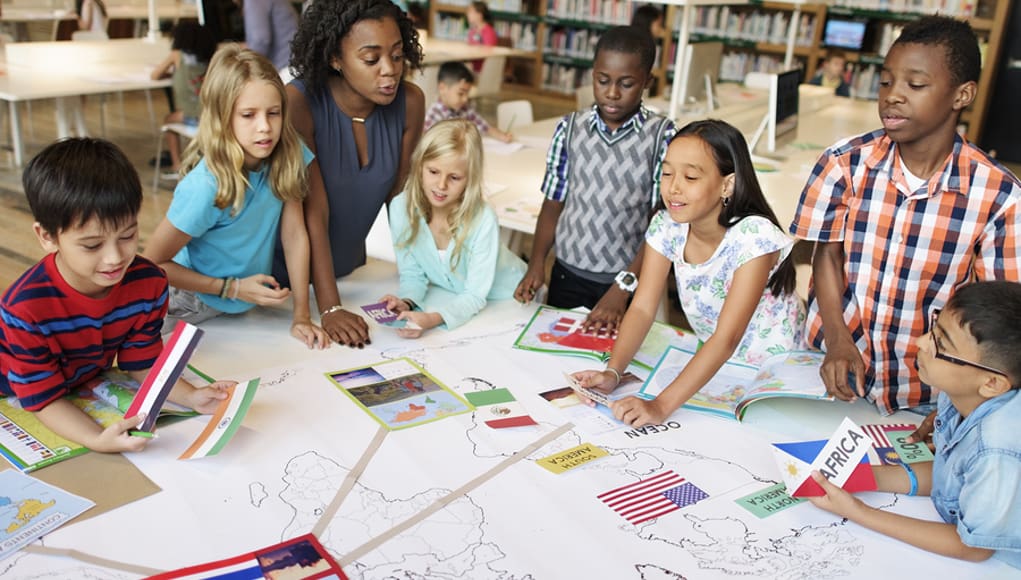
Why Students Should Co-Create the Classroom from Day One
By: Tiffany Wycoff. Looking to instill agency in your students? Learn how allowing them to co-create the classroom is a great place to start.

How to Get Classroom Culture Right
Interested in improving classroom culture but not sure where to start? Here are several ways to help you take the first step.

The Need for Revolutionary Networks
By: Chris Unger. Existing structures and practices often beget the continuation of such structures and practices, but networks can inspire and empower us to rethink and pursue a new reality in our educational ecosystems.
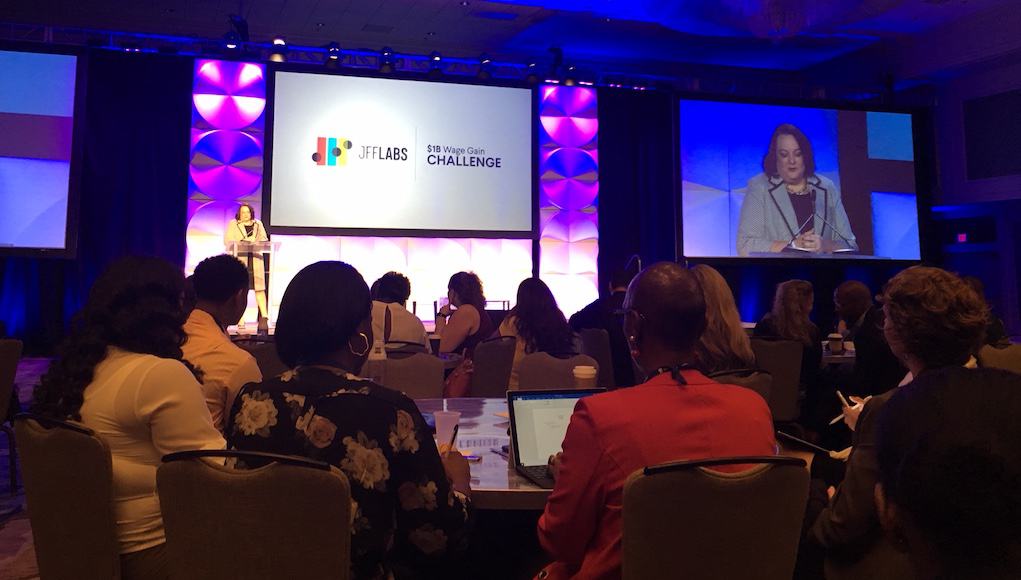
JFF Horizons: Building New Bridges to the Future of Work and Learning
We won’t be able to prepare our students for the rapidly changing world and technologies like AI if our education, policy, and private sector systems continue operating in silos. JFF Horizons highlighted creative new ways to build bridges between these sectors.

Demystifying Nuance: Designing for Learning Outcomes
Dr. Tyler S. Thigpen. Today, more and more educators are committing themselves to designing learning environments that cultivate a broader, more holistic set of student outcomes. But identifying learning outcomes isn't enough. A students goals and challenges will impact each outcome in different ways.