

Project-Based Learning
(PBL) is an instructional approach where traditional, direct classroom instruction and tests are replaced by authentic, often interdisciplinary projects, usually designed by the student with guidance from instructors/coaches, addressing real-world problems as the assessment instead of a test. It also is closely related to deeper learning, challenge-based learning, interest-based learning and more.

The 3 Preconditions of PBL
The lure of the classroom is a monthly series chronicling the author’s decision to go from classroom to boardroom and back again. In this third edition, he focuses on the preconditions for doing high-quality PBL.

Small Talk, Big Benefits: Adding Conversations to Reading and Everyday Moments
By: Erin Gohl and Kristen Thorson. Reading with children has a plethora of developmental benefits. Recent research suggests dialogic, or conversation-based, reading can even further broaden and deepen the benefits of the reading experience.
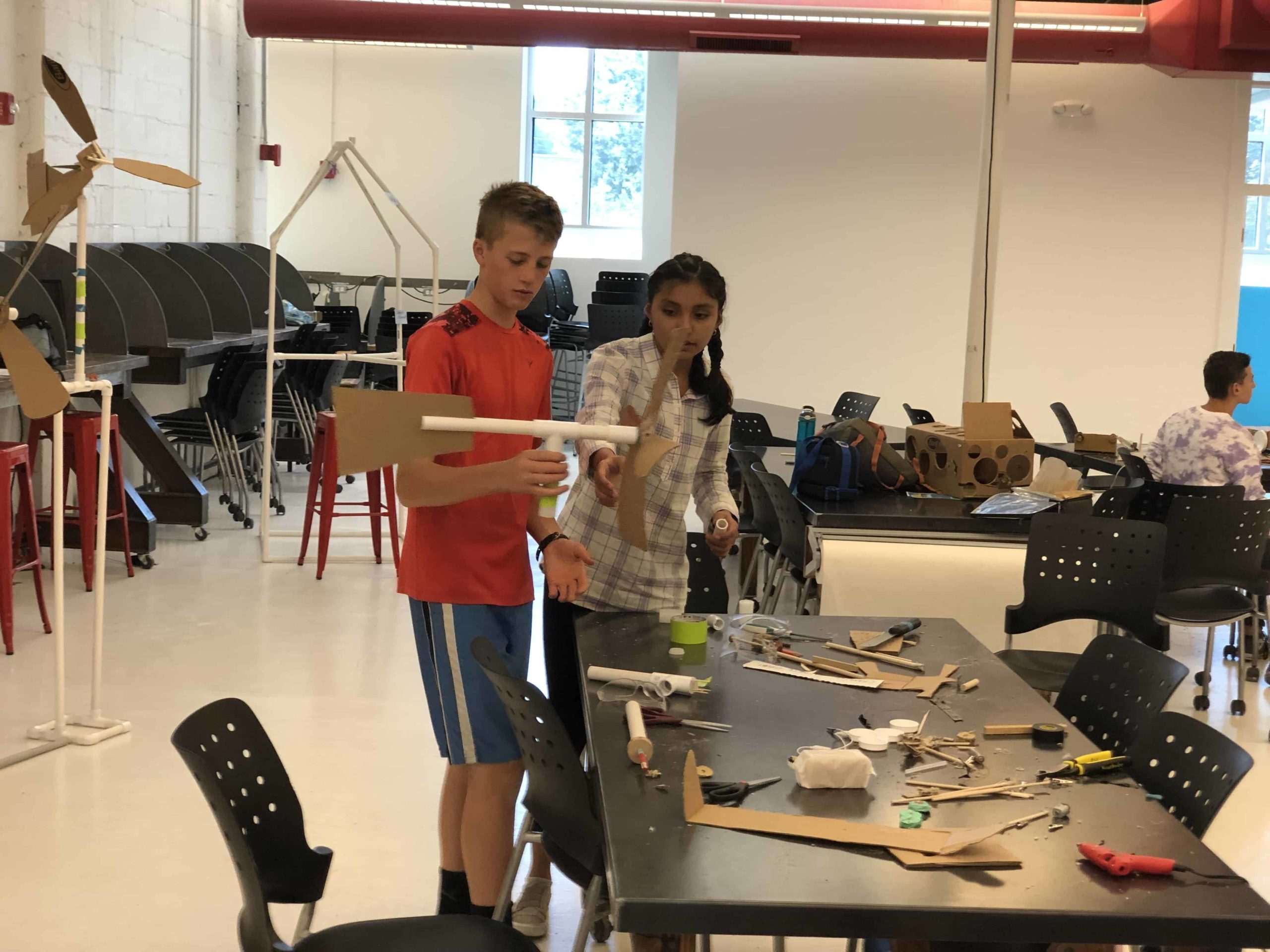
Solving Interesting Problems With an Entrepreneurial Mindset
By: Mason Pashia. As the workplace continues to shift, leadership and agility are becoming necessary for all members of a team. An entrepreneurial mindset consists of many of the most useful skills for the future. And no, it doesn’t mean starting your own company.
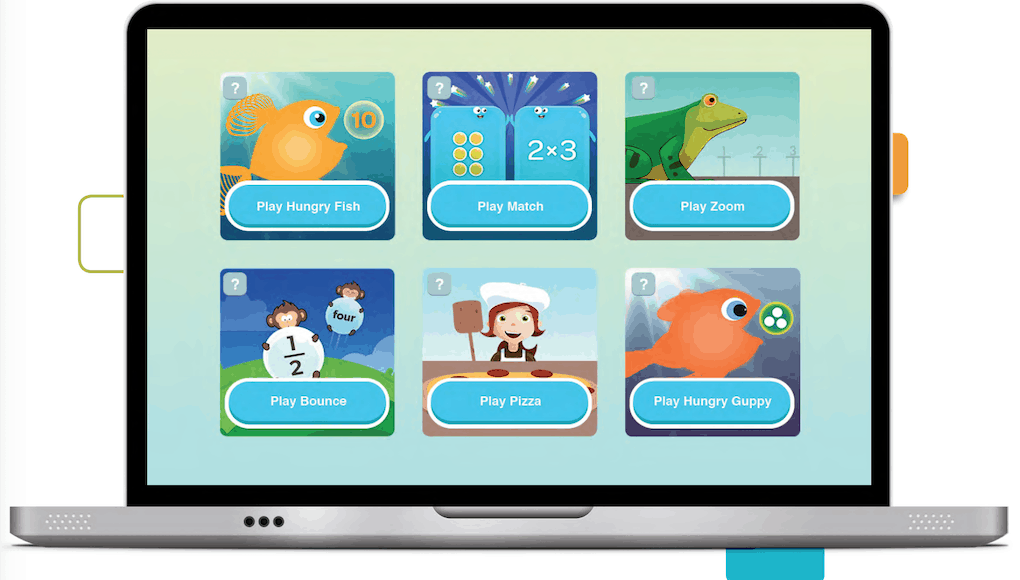
Playing With Purpose: Using Games to Enrich Learning & Engage Students
The Getting Smart staff explores how Curriculum Associates recently announced new Learning Games focused on creating a more engaging, accessible and motivating experience for students.
3 Things Education Can Learn from the Craft Beverage Phenomenon
Education should continually look outside its discipline and profession for innovative ideas. Why not the successful craft beverage industry?
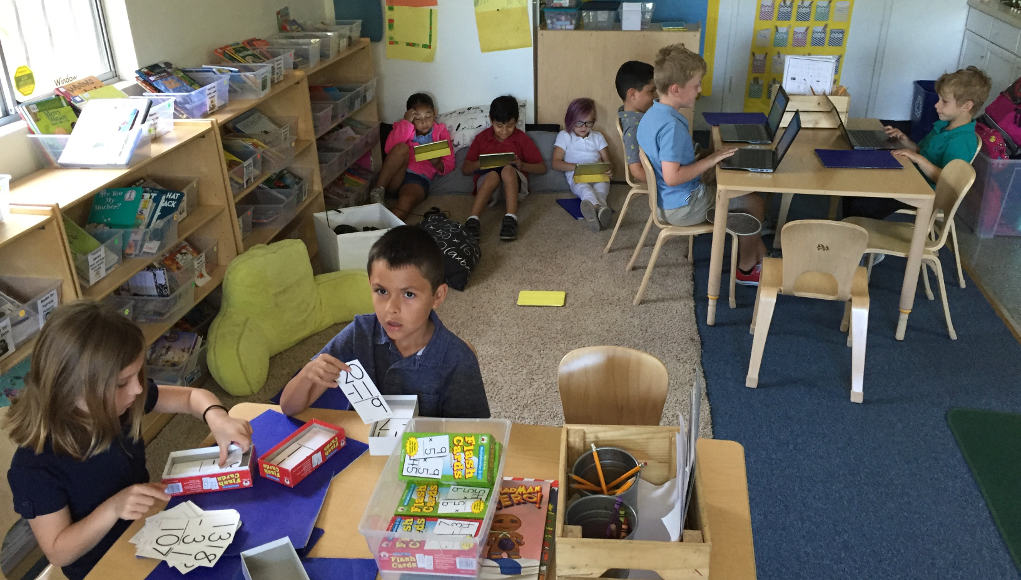
5 Ways to Build Collaborative Learning Skills In and Out of the Classroom
Finding ways to help students build collaboration skills in the classroom is important for preparing them for the future of work and learning. Here are five ways to open up more opportunities for students to collaborate in and out of the classroom.
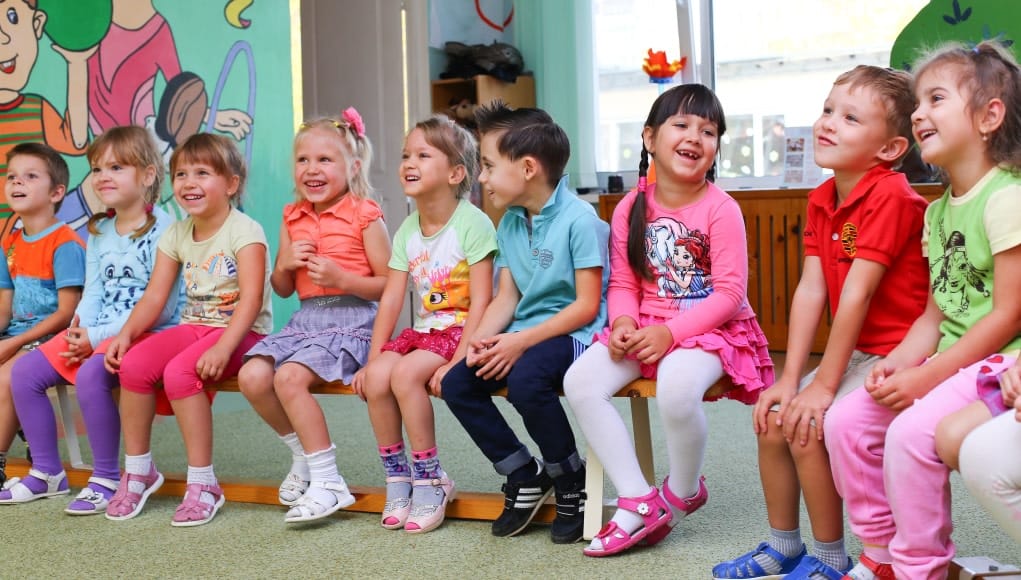
4 Holistic Classroom Ideas Inspired by Maslow’s Humanist Approach
By: Chris Drew. Abraham Maslow’s hierarchy of needs remains incredibly relevant to educators. Here’s how schools and teachers can adapt Maslow’s motivational theory to nurture students and provide them with a safe and fulfilling learning environment.

How Can We Prepare K-12 Students for the Future?
By: Rachelle Dene Poth. Ideas to get started with experiential learning and new ways to prepare students for the future through real-world opportunities.

Future Trend: Designing Schools for How Humans Learn
Schools should not only prepare students for active participation in a networked, global economy, but also for lifelong learning. To do this, there are five critical concepts when planning instruction design for the future to consider.
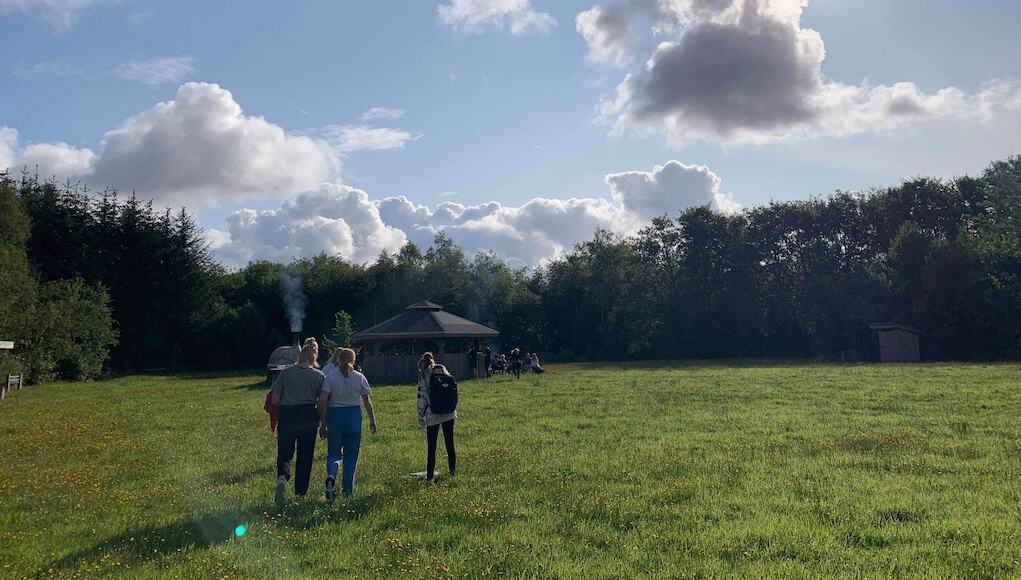
The 3 Secrets to Scandinavian Innovation in Education
By: Kyle Wagner. Scandinavian education is continuously highly ranked for its quality. These experiences from Finland and Denmark represent just a few reasons behind its success.