


New Pathways
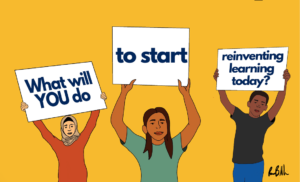
4 Principles for Transforming Education Institutions and Systems From the Inside
It is long past time to redesign what, why, how, where and with whom students learn. But such transformation relies on systems making space for innovators to drive change from the inside, and on innovators having faith in the ability of big systems to change.

The Global Credentialing Landscape: Messy, Massive and Meaningful
The international credentialing landscape is more complicated than ever and is a huge opportunity for certified, transferable innovation.
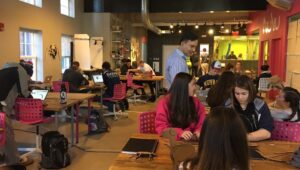
Microschools: From Micro Innovation to Serial Disruption
Microschools are not a new phenomenon, but they are an effective one and one that has the potential for scale and impact.

The Future of Elementary Education: Literacy Launchpads that Ensure Literacy for All
Katie Martin and Devin Vodicka propose that microschools could be a more effective way to teach literacy than traditional grade-level classrooms.
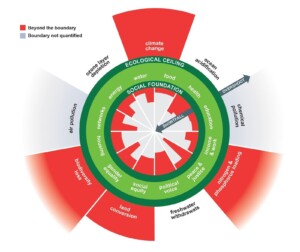
Education and the Economy: How Might Education Shape the Future of How We Live and Work
Understanding both the macro and micro layers of our economic system can benefit students on many levels.
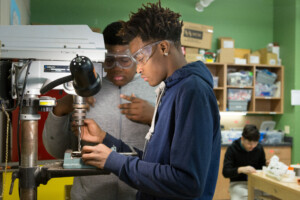
Advice From More than A Decade of Career Pathway Innovation
St. Vrain Valley Schools has innovated in the career pathways space for years and shares some of their lessons learned.
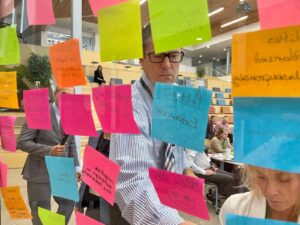
Charting a Course for Educational Transformation: The Power of Aligned Portraits
This blog dives into the transformative journey of educational leaders, anchored by four dynamic portraits: the Portrait of a Learner, the Portrait of a System, the Portrait of a Leader and the Portrait of an Educator.
KnoPro from NAF Expands Access to Work-Based Learning
NAF, a national network of high school career academies, launched a free work-based learning platform called KnoPro.
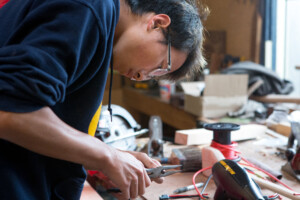
Schools of the Future: Creating the Entrepreneurial Education Model
Agency, choice, and elevating learner voice requires innovation, creativity and embedding entrepreneurship in our school models.
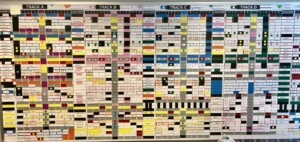
Innovative High School Schedules
Here are five sets of examples of innovative high school schedules that expand student opportunities while providing more collaborative time for teachers.