


The Future of Tech and Work
The Future of Tech and Work is how human beings work and the tools they use and will use in the future. For those interested in big data, the internet of things (IOT), block chain, artificial intelligence (AI), IOT, computer science and coding.

Envisioning the Future of Education and Jobs
The new edition of the Organisation for Economic Co-operation and Development's (OECD) Trends Shaping Education report was presented at the Education World Forum by the organization’s education director, Andreas Schleicher. According to David Ross, "it should come as no surprise that the survey results revealed a yawning gap between the world of work students can imagine today and what economic projections suggest will be the reality in the near future."
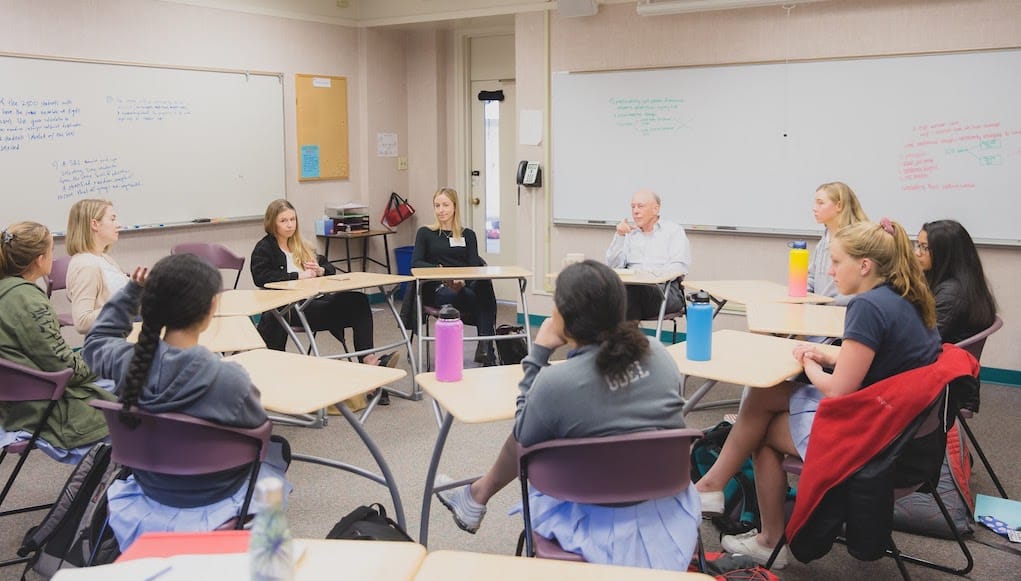
Why Every High School Should Require an AI Course
Every high school student deserves a good look at artificial intelligence. Requiring a high school course that covers the basics of code that learns and its implications for employment and society is a good place to start.
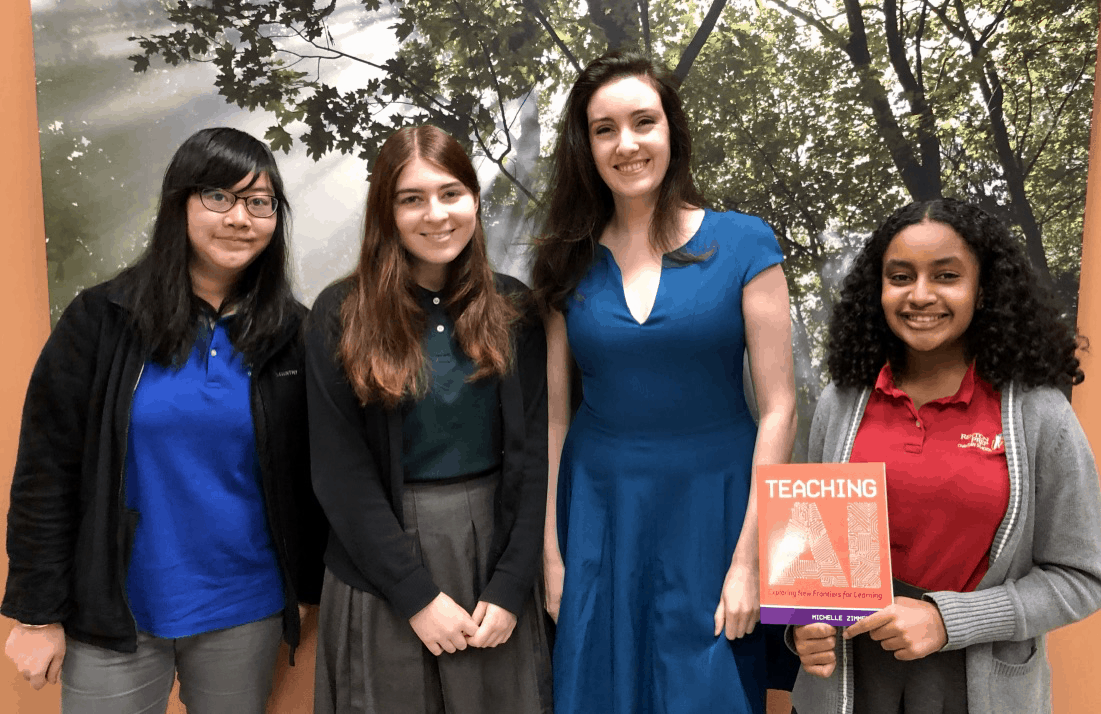
Teaching AI: Exploring New Frontiers for Learning
Inspired by the growing popularity of AI in pop culture and media, as well as more adaptive learning programs being released, Michelle Zimmerman realized change was coming for both what and how young people should learn and set out to write "Teaching AI: Exploring New Frontiers for Learning".
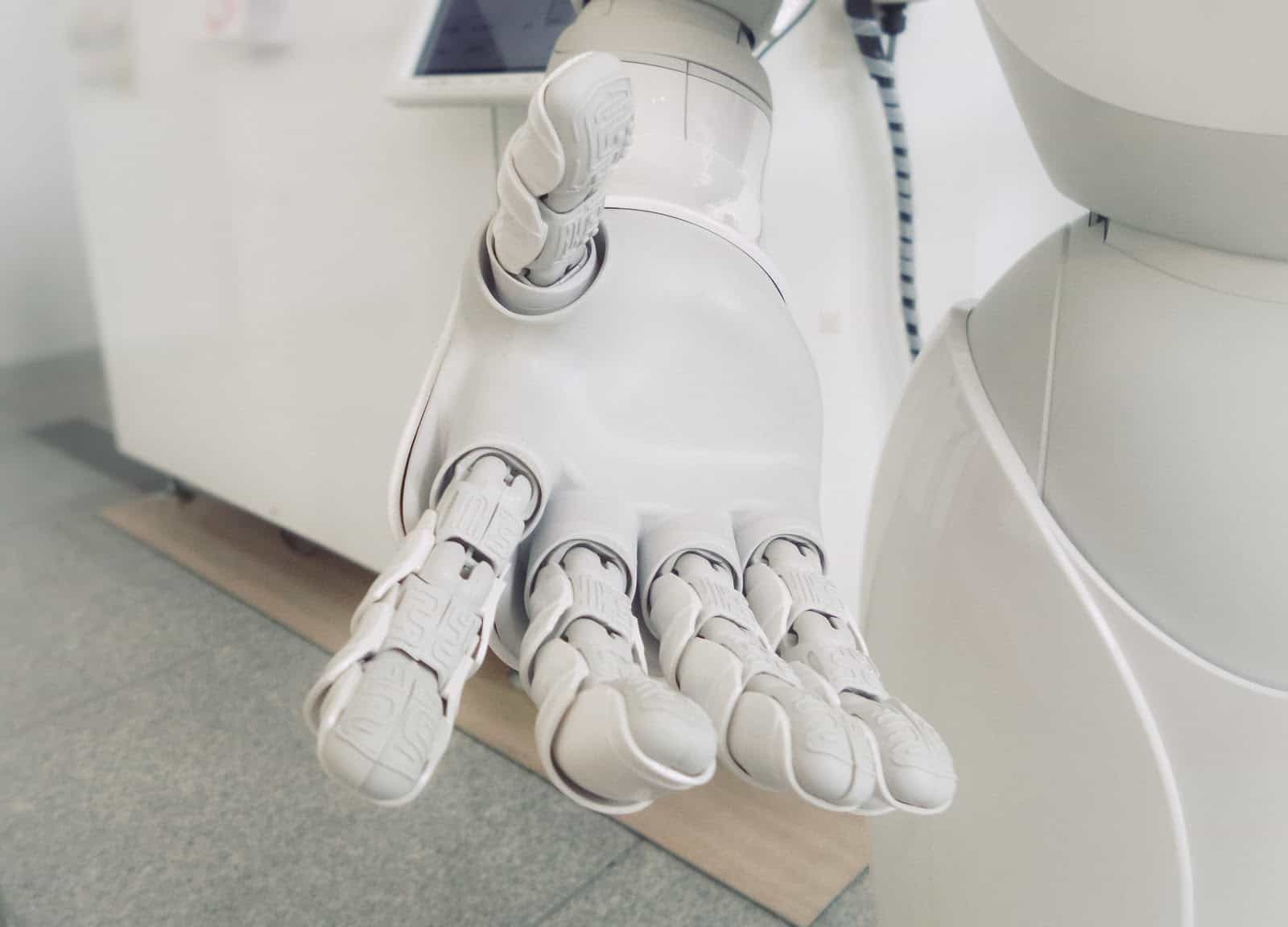
Teaching Students about AI
Artificial intelligence is used so much in our everyday lives, we need to make sure that our students understand its impact and potential for the future of work and learning.
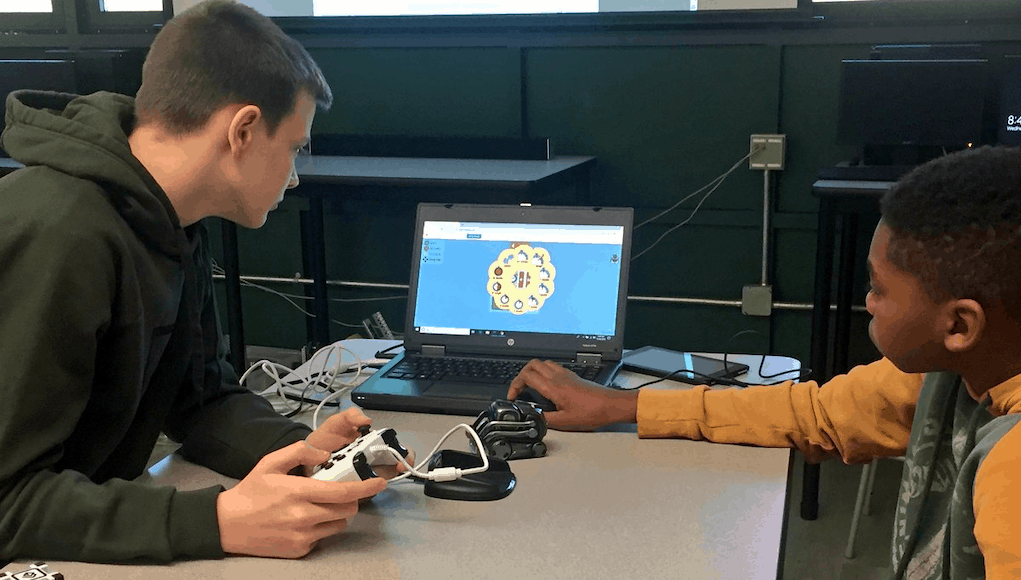
An Inside Look – America’s First Public School AI Program
Earlier this school year, Montour School District launched a new Artificial Intelligence program. To date, hundreds of classes have already been taught to students in areas of AI Ethics, AI Autonomous Robotics, AI Computer Science, and AI Music. In this post, Director of Academic Achievement and District Innovation at Montour, Dr. Justin Aglio, provides an update and look to the future for "America’s first Artificial Intelligence Middle School program".
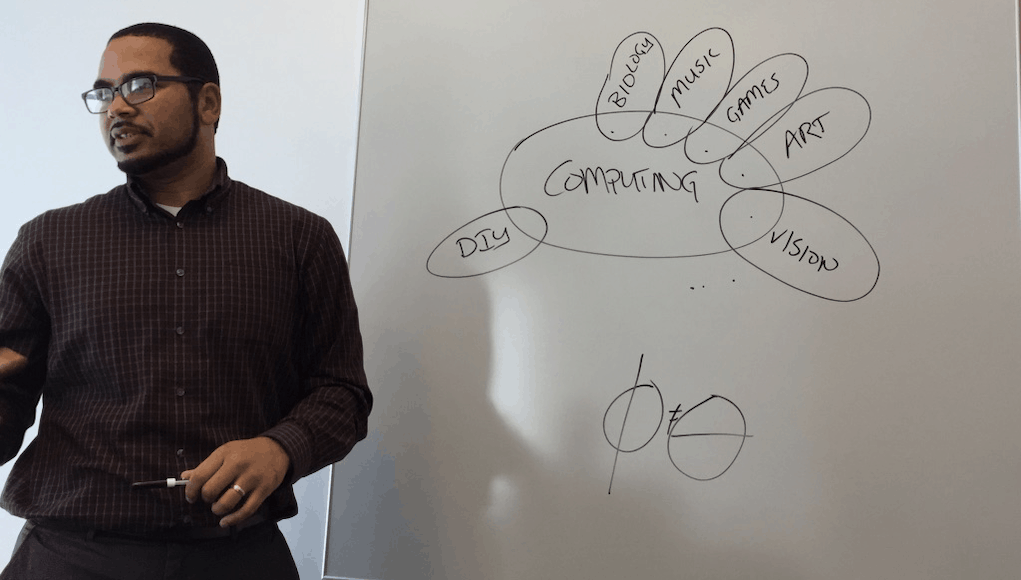
What K-12 Students Should Know About Artificial Intelligence
In May, the Association for the Advancement of Artificial Intelligence (AAAI) and the Computer Science Teachers Association (CSTA) launched the AI for K-12 Working Group (AI4K12) to define for artificial intelligence what students should know and be able to do. In this post, discover five big ideas, drafted by the steering committee, that every student should know.
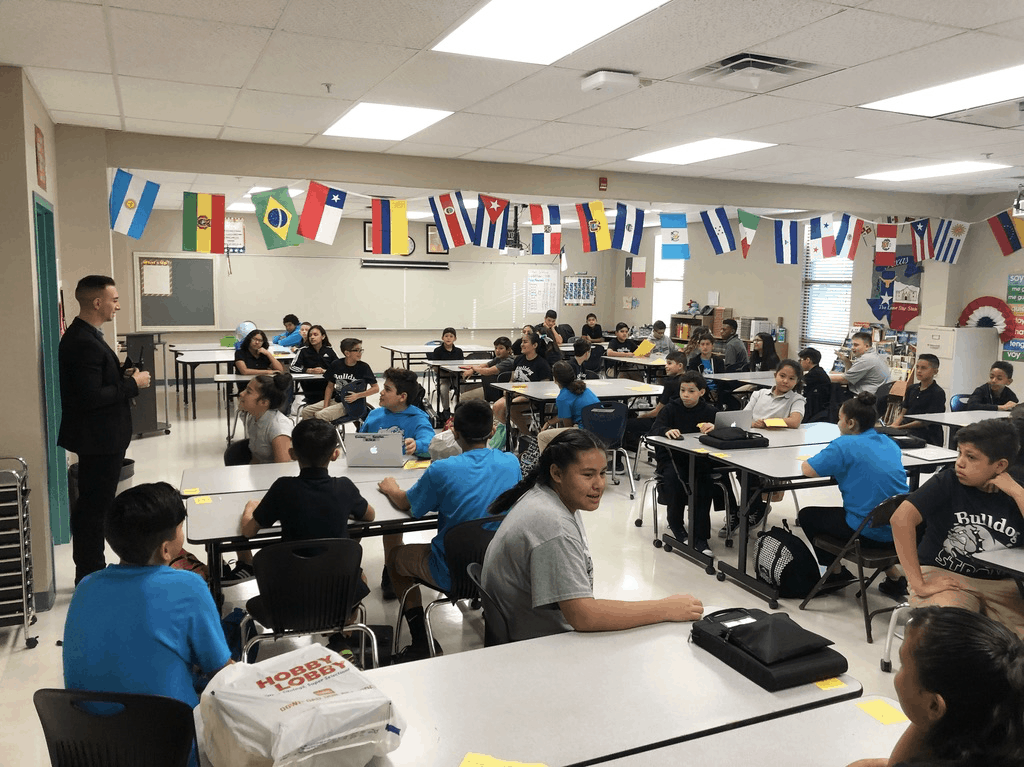
Why Social Studies is Becoming AI Studies
We’ve all witnessed how artificial intelligence (AI) is reshaping lives and changing the world. AI is not a tech issue, it’s a social studies issue and it’s time to start bringing youth into the conversation and preparing them for the future of work.
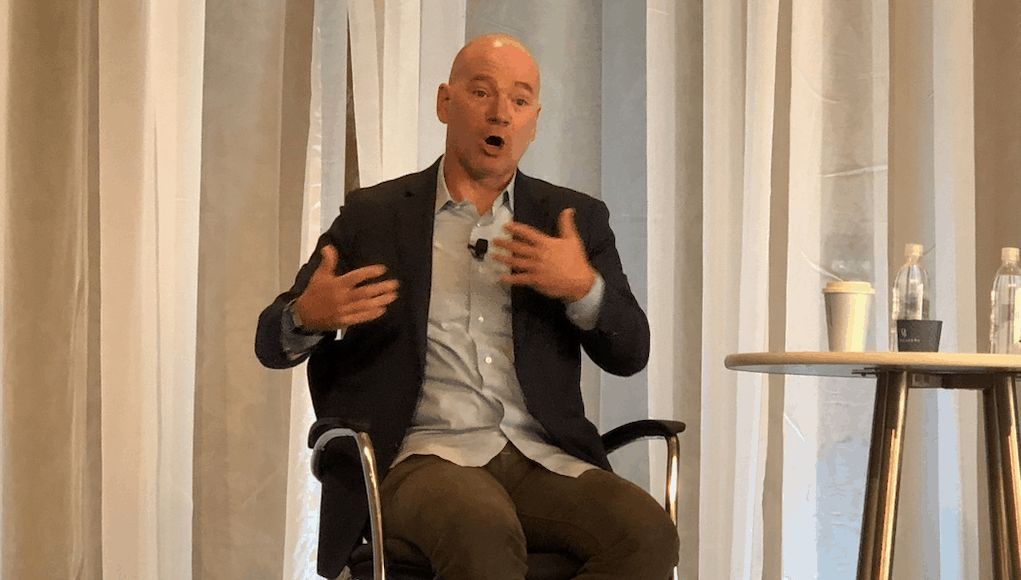
Education When Careers Are More Like Rock Climbing Than Ladders
While at a recent conference, Tom attended a session where co-author of "The Second Machine Age," Andrew McAfee, discussed how "careers are looking more like rock climbing than ladder climbing in an economy."
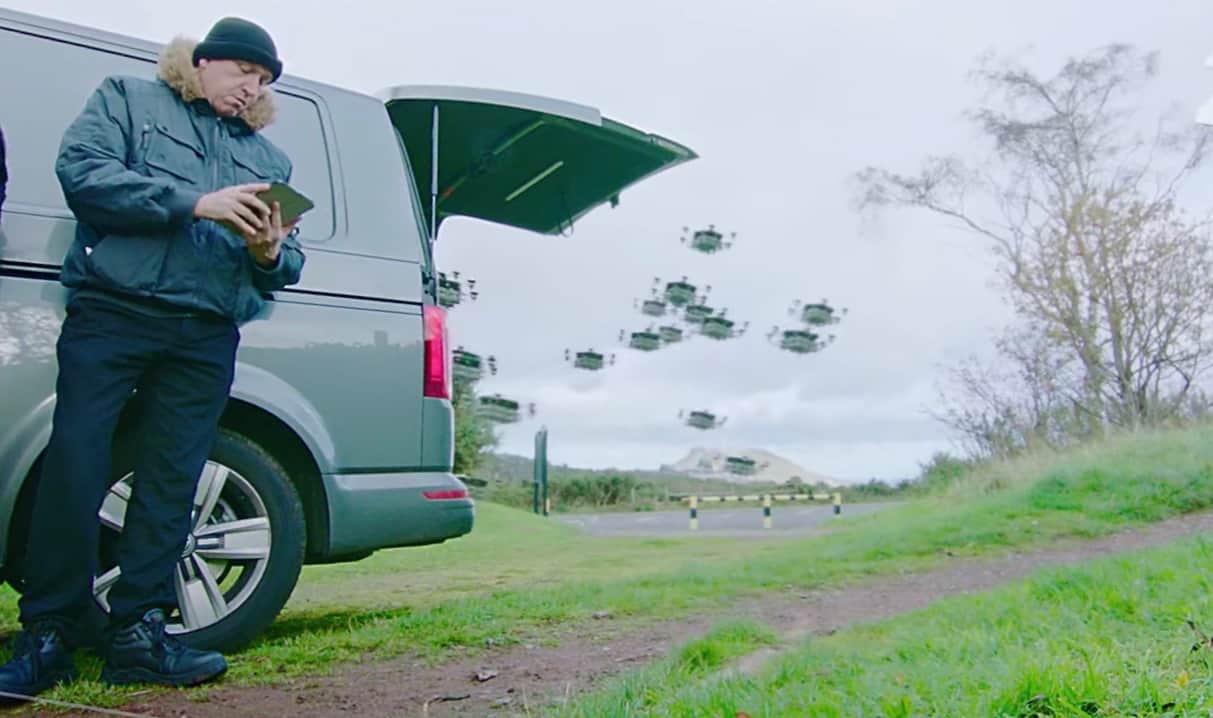
Curbing Killer Robots And Other Misuses of AI
Artificial Intelligence is infiltrating society. Tom discusses the dangers of AI and shares ways we can curb the dangers of unregulated AI and how education could be the answer to beneficial AI.
Let’s Talk About AI Ethics; We’re On a Deadline
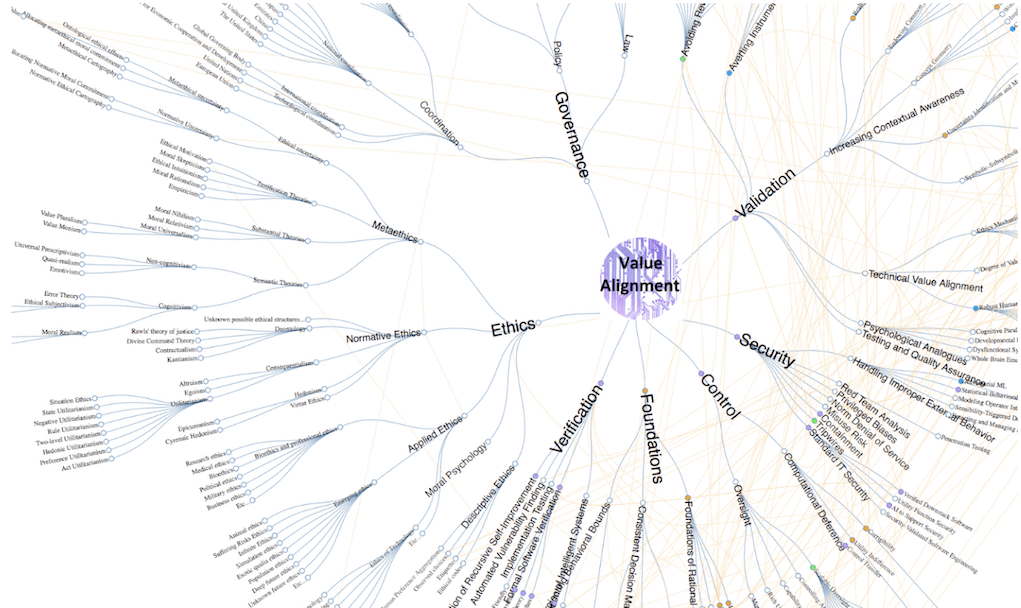
Code that learns is both powerful and dangerous. AI requires a new technical and civic infrastructure, a new way to conduct business, a new way to be together in community. It’s time to #AskAboutAI. It’s time for community conversations about the ethics and opportunities of our time.