

Future of Learning

4 Ways to Flip School Culture
Many have acknowledged that culture drives learning. Therefore, in order to truly ‘flip’ our classrooms, we need to turn our traditional school cultures, environments and approaches literally upside down.
The Opportunity for Personalized and Local Guidance
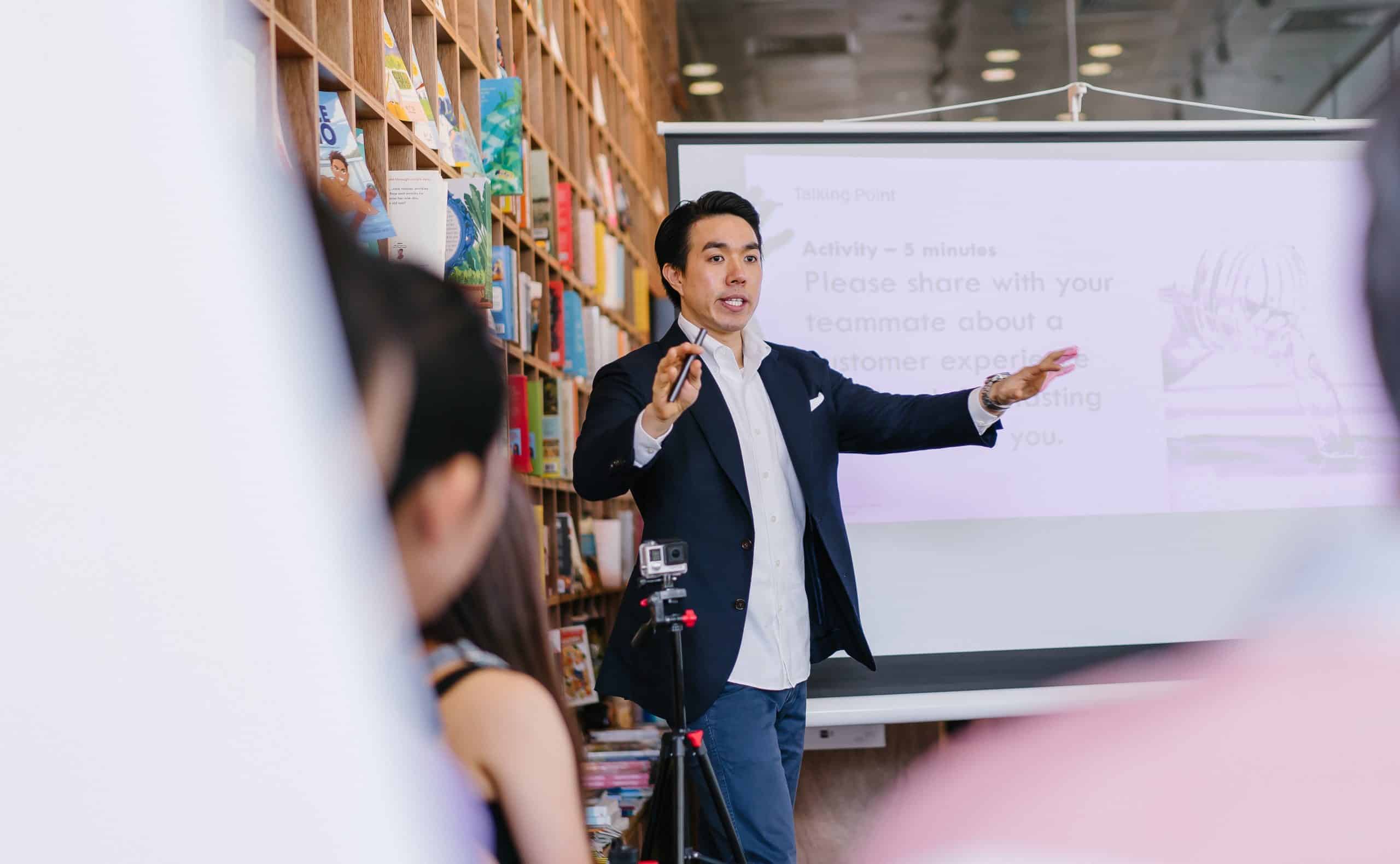
By: R. Caruthers R. Midles & T. Vanderark. Guidance on the next steps in learning and postsecondary planning can equally be tailored to each learner and their context.
Is Entrepreneurship the Antidote to Student Anxiety?
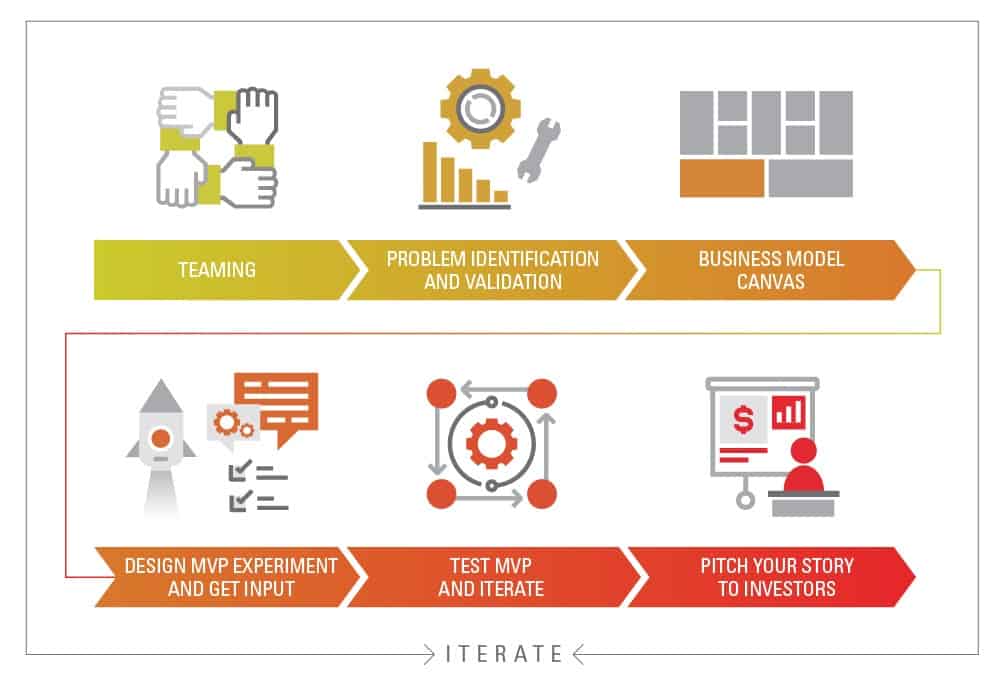
By: Dr. Tom Leonard. Entrepreneurship may be the key to empowering students to become agents of change and equipping them to solve problems.

Distance Learning: Boosting College-, Career-, and Life- Readiness
With the shift to remote learning, students are developing college-, career-, and life-readiness skills and lessons and adapting to this unique mode of learning.

Digital Credentials: A Better Way to Capture and Communicate Learning
There is an invention opportunity to better credential units of learning. Listed are six opportunities to better capture and communicate learning.
“I Could Never Do This Alone” – Collaboration, Trust, and Human-Centered Design at Design39
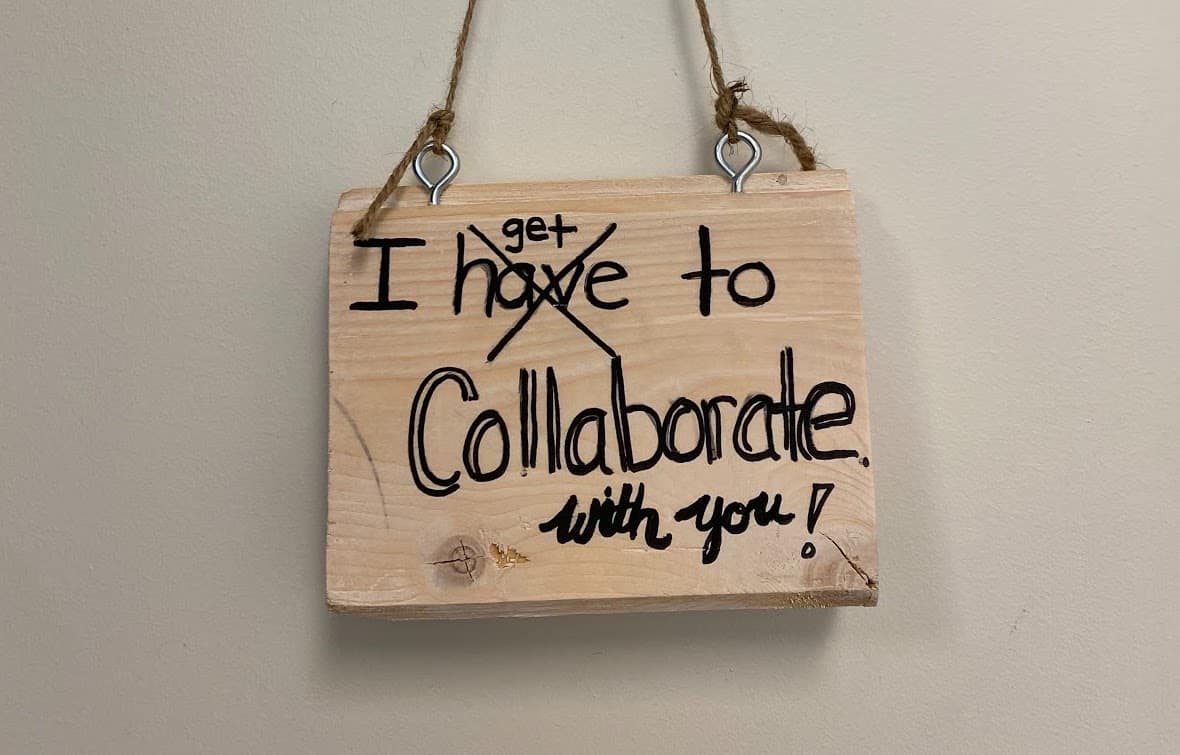
By: Sabba Quidwai and Devin Vodicka. Sabba and Devin examine the D39 case study on how they have created an environment with collaboration, trust, and human-centered design.
Your District Needs an Innovation Pathway
By: Rebecca Midles and Greg Gazanian. Rebecca and Greg share resources for finding new ways to support innovation within a pandemic and beyond.

See it to be it: The power of mentorship and entrepreneurship
By: Kevin Newell. The concept of entrepreneurship can be used as a vehicle for teaching students how to solve challenges and how to see themselves, and their future, in a different way.
Eight Ways New Schools Innovate
With the rapid global shift to hybrid and remote learning, there is a renewed interest in new school models. Highlighted are eight ways schools are innovating.

Support STEM Education Through Student-Centered Challenges
By: Shannon Robinson. Shannon shares how Project-based learning (PBL) provides the contextualized and authentic experiences necessary for students to build STEM skills.