

Archive: 2018

SEL & Mindset
The Willpower Gap – Misinterpreting Student Agency
When definitions of agency lead to work that is driven purely by willpower, those definitions need to be reconsidered. The agentic classroom should be hard but fun for teachers and students alike.

Competency-Based Education
How Continuous Feedback Fosters Learning
By: Lindsay Portnoy. When students understand the iterative nature of learning and participate in the collaborative nature of feedback to fuel growth, they are much more likely to come to love learning.

Project-Based Learning
4 Ways to Build a Better Schedule
By: Erin Werra. Dr. Ashanti Bryant Foster once said, “A master schedule must be built with the same level of care and attention as a new home where a family will spend the next 20 years growing together.” No pressure, right?
Equity & Access
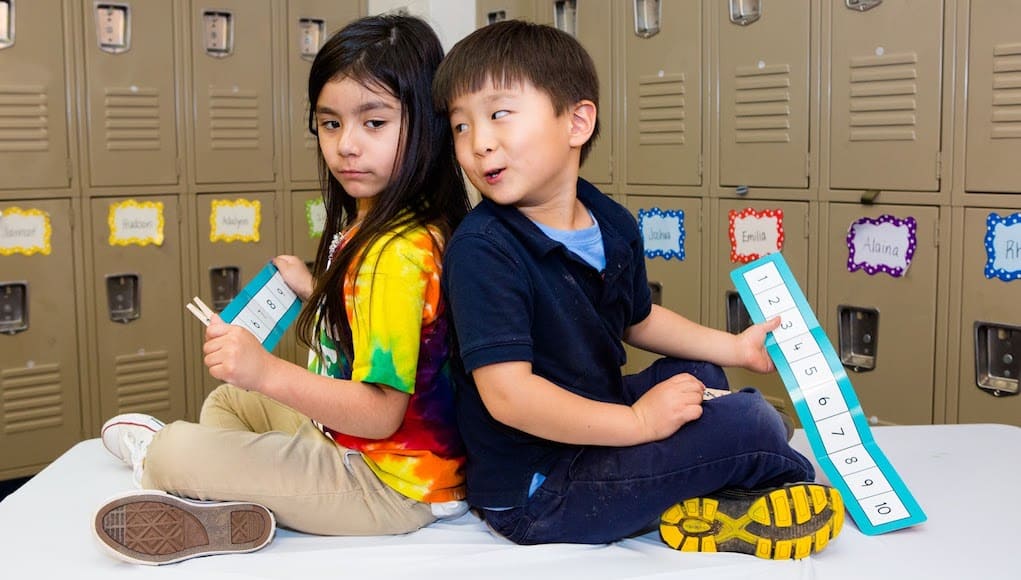
Six Strategies to Help Academic Language Learners (ALL) Succeed in Early Math
By: Jessica Bobo. A language-rich approach allows students to understand math concepts much more deeply—and applying these six strategies can ensure that all students learn in the early math classroom, regardless of their initial understanding of English.
Project-Based Learning
The Future of Education Includes Learning Outside of the Classroom
If students work tirelessly on academics in high school and college, they may experience shock when they try to find their way in the working world. We can make this transition easier by fostering these work skills outside of the classroom as early as possible.

Future of Work
How Big Data Can Inform the Future of Re-Skilling
A conundrum often cited in the current debate on the future of work is the contention that ‘not every displaced coal miner will be able to become a software engineer.” Essentially, this rhetorically charged argument asks: how do you get someone from point A to point B?

Project-Based Learning
George Saunders On Learning to Write–and Writing to Learn
George Saunders might be the most critically acclaimed contemporary American author. He has inspired thousands of young writers with his writing and teaching. Tom recently caught up with him to learn more about his approach to teaching and writing.

Equity & Access
Why True Equity in Learning Depends on Proactive, not Reactive, Design
By: Julia Freeland Fisher and Ace Parsi. Innovation is a process, and how we approach that process will inevitably influence our outcomes. If innovation efforts are not anchored in equity and inclusion at the forefront of their work, personalized models will replicate the results of the traditional system.

Ed Policy
A Unique Moment in Education Changemaking
Today’s education changemakers are pursuing a wide array of reforms and innovations. This abundant landscape holds much promise, yet excellent approaches continue to have difficulty spreading as quickly or as far as we might hope. Here, we look at how that could change.

Personalized Learning
Designing the Classroom of the Future: Technology as a Force Multiplier
By: Caroline Vander Ark. It’s my mission to ensure that all students have access to high quality personalized learning options. Technology can help us get there faster and bridge the divide that too many students still face. The innovative use of technology allows educators to reconfigure the traditional K-12 classroom and redesign schools to create personalized learning solutions that better serve all students.