

Archive
component:where.learning-spaces
Building a Shared Vision of the #FutureofLearning
Post 6 of our #RemakeLearning series shares discussions from the #EdResearchSummit that included the 10 aspects of the #FutureofLearning.
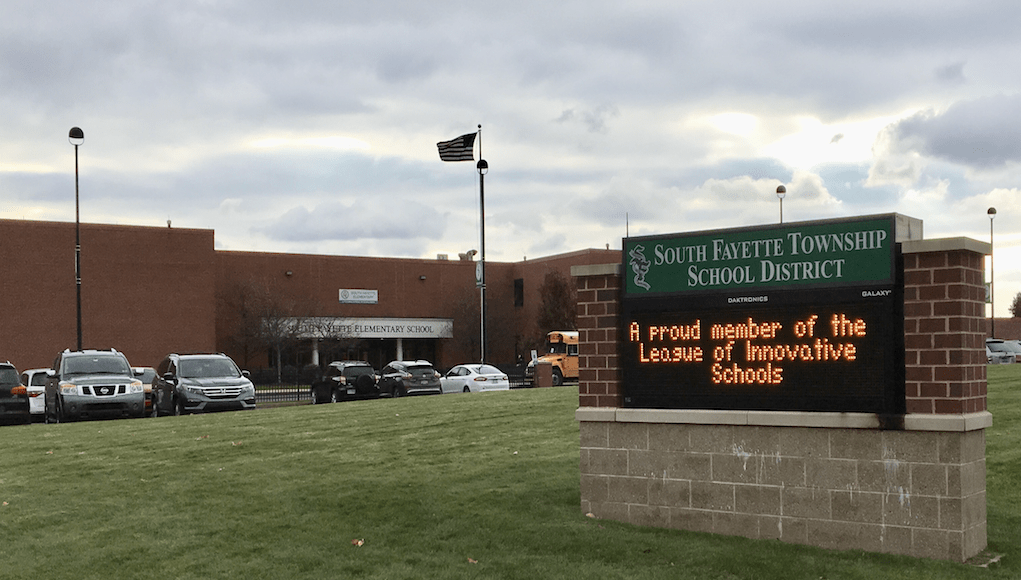
South Fayette Schools: A Computational Carnival for Kids
What do you get when you combine a makerspace, science fair and coding bootcamp? South Fayette School District, the best example of integrated computational thinking we’ve seen in K-12 education. Learn more in the second entry of our 6-part #RemakeLearning series here.
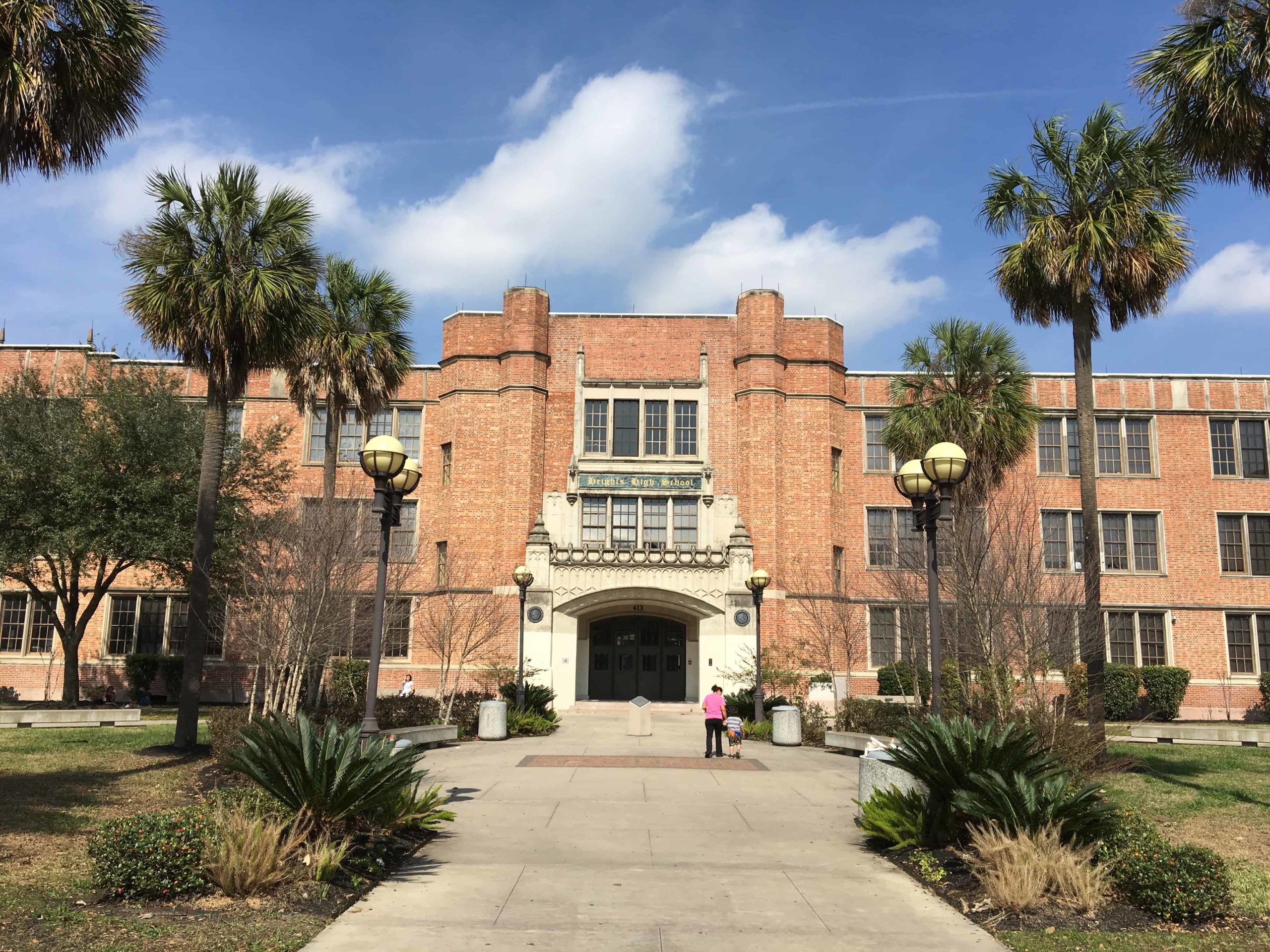
Transforming High Schools: 8 Strategies for EdLeaders
Transforming urban high schools is enormously challenging. In this post, Tom shares 8 effective strategies he's observed through his work and visits to hundreds of schools around the country.
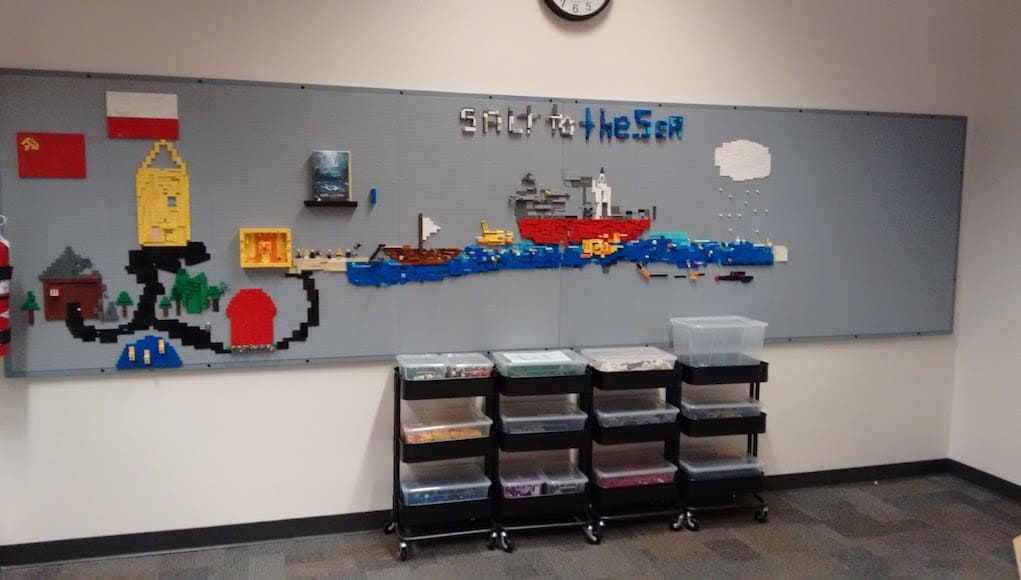
School Library Makerspaces: the Bold, the Brave, and the Uninitiated
By: Michelle Davis. To some, the traditional “shush” space of the library may seem like an odd setting for the hands-on, creative messiness of a makerspace. Yet many schools are nonetheless embracing maker learning within their libraries. Here's why.
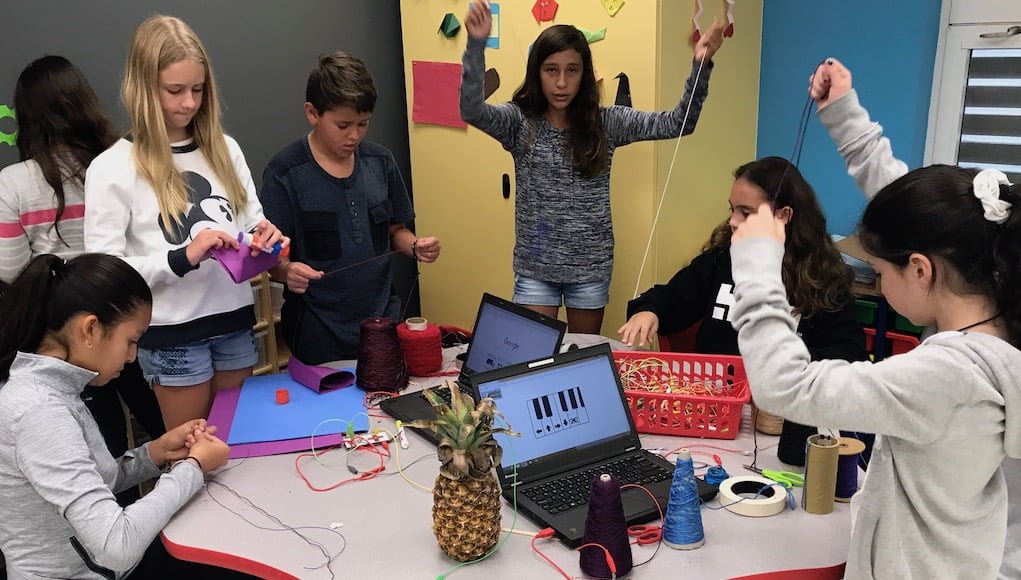
The Case for School Makerspaces, According to Those Who Use Them
I recently talked with some innovative educators (and their students) who have utilized makerspaces in their elementary schools. Collectively, they noted the academic benefits and the development of 21st-Century Skills and growth mindset.
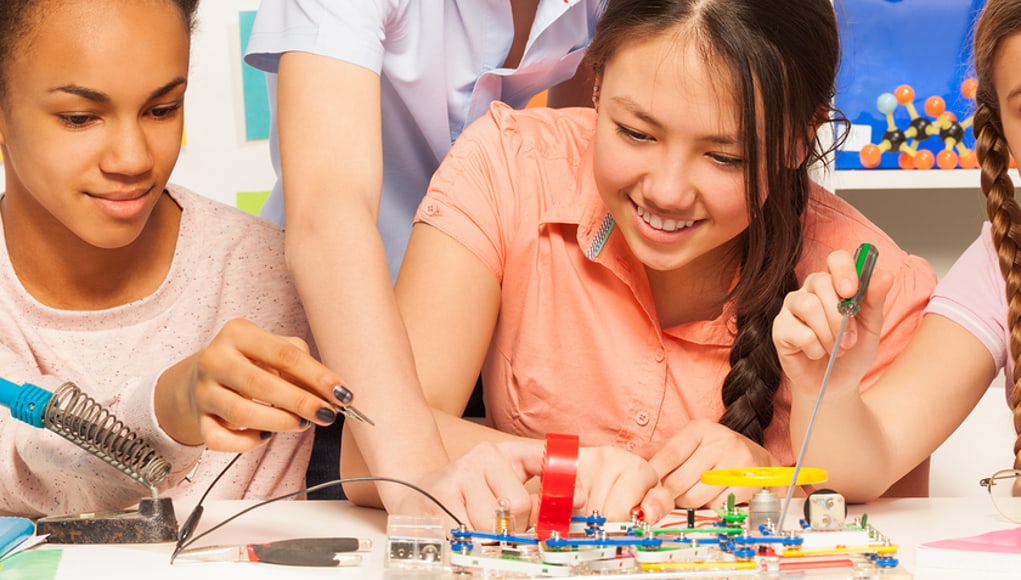
Real-Life Examples of Design Thinking in the Classroom
Design thinking centers on a pedagogy aimed at creating and facilitating future innovators and breakthrough thinkers. It is about creating creative and collaborative workflows engineered to tackle big projects and prototyping to discover new solutions.
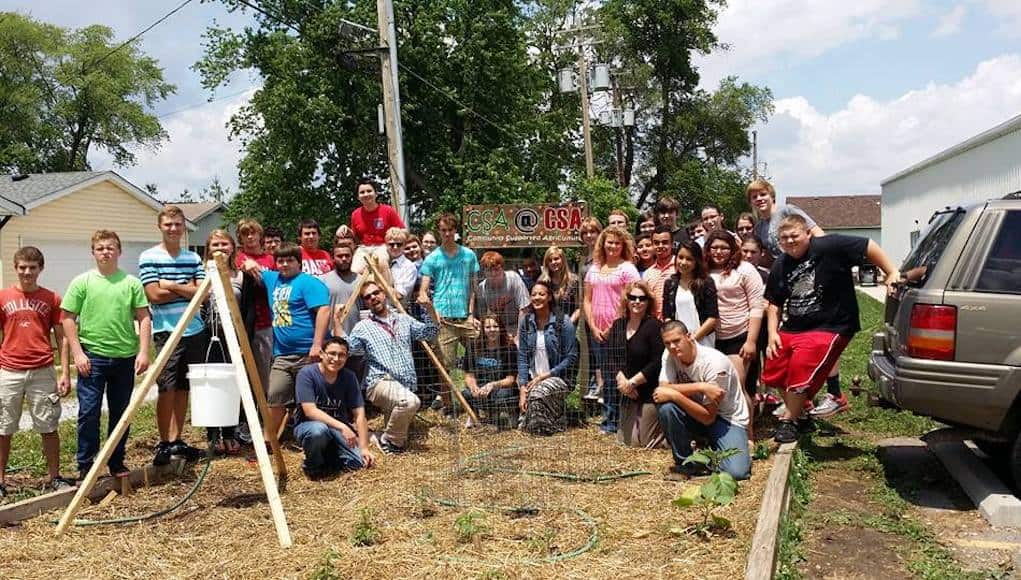
Every School Needs a Garden
When our school opened in 2008, we knew we wanted a garden. Since then, I have come to believe quite ardently that growing food is an important life skill, as it is a perfect way to teach students how to use wherever they're at for rich learning experiences.
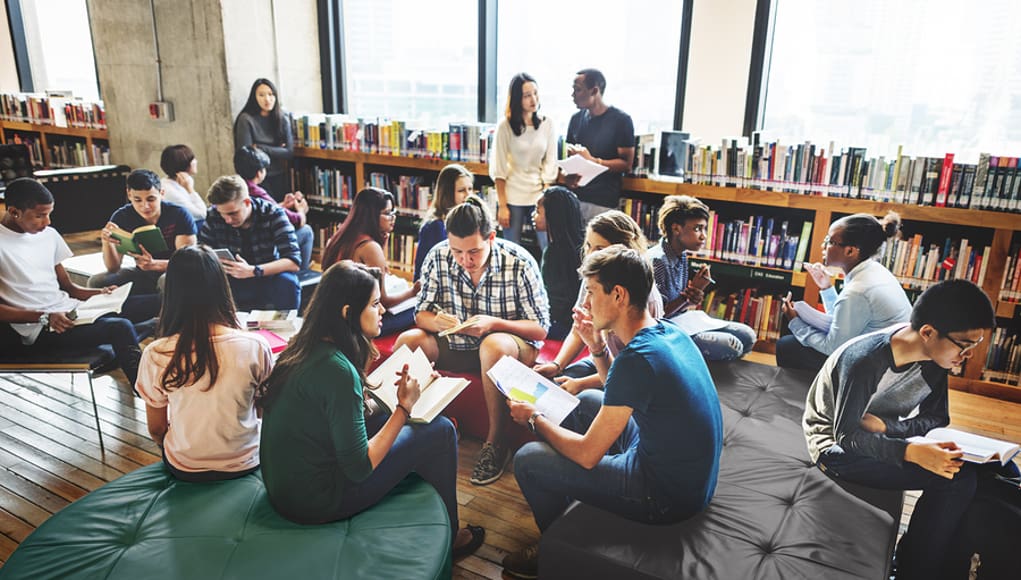
5 Tech-Free Classroom Innovations, and Ideas for Getting Started
We don’t need unlimited funding or fancy high-tech toys to innovate our practice. Often, we just need to think differently. Here are five simple tech-free innovative learning experiences that will help you and your students think differently.
The Future of Learning Is…
The world and work are ever-changing and increasingly dynamic, yet the need to prepare students for this world remains constant. And while the future of learning is hard to predict, such predictions are important for informing a path forward.
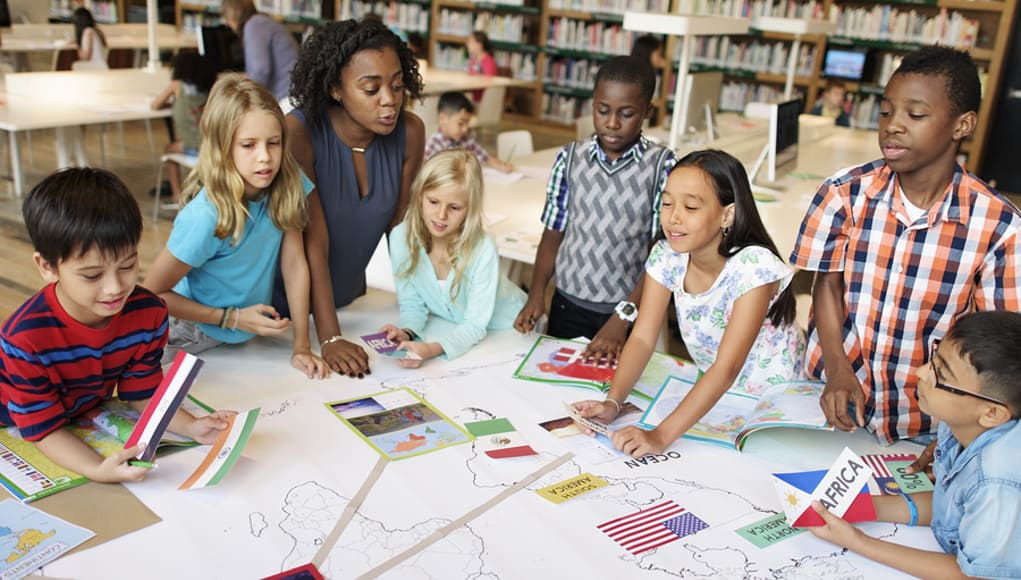
PBL for Equity & Inclusion of Students with Disabilities
By: Ace Parsi. How do we respond to struggling learners, including those with disabilities, when they just can’t seem to get it? The unfortunate fact is that we too often double down on ineffective “skill and drill” approaches that fail to engage them. PBL can help.