

Archive
element:what

From Classroom to Career: Mastering Real-World Competencies through Alternative Learning
Russell Cailey shares his insights on the benefits of alternative approaches to learning in response to traditional education models and their inability to adapt to the students of the 21st century.

The Learner-Centered Competency-Based Learning Management System
Through our partner work with XQ Institute, we identified core criteria that any next-generation LMS should incorporate.
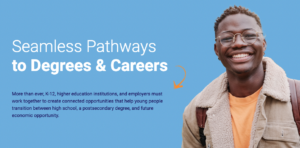
Accelerate ED Initiative Creates Opportunities for Students to Excel
Throughout a nine-month design sprint, 12 teams worked to create a blueprint for expanding access to and understanding of accelerated pathways.
Separate and Not Equal: Disrupting Pathway Tracks in the Post Pandemic Era
Learning organizations must become agile, iterative practices for newly designed pathways, and experimentation to scale promising systems rooted in data.

Measuring Learning Growth: Competencies and Standards
The role of competencies has become increasingly important as employers, students and educators realize the impact of transferable skill deficit in young people. The challenge, however, becomes implementation.

How Teacher Beliefs Transform Student Outcomes: The Impact of Collective Educator Agency
At AVID, we’ve learned that when educators believe in their ability to act and that their action will bring about the desired outcome, they become even more efficient and effective. With collective educator agency, educators take intentional actions grounded in the belief that together, they can support all students in being academically successful.

Collaborating with Community as Partners in Fulfilling the Promise of your Graduate Profile
Community engagement and collaboration is essential in both planning and implementing Graduate Profiles in order to fulfill the promise articulated in your profile. ACE Leadership HS partners with the community in a variety of ways; this blog focuses on a specific strategy to collaborate on curriculum design and project planning that can be adapted in many settings.

Four Key Lessons from Utah for Accelerating and Expanding Learner-Centered Education
Policymakers and practitioners regularly stated that the country couldn’t afford to simply revert to our traditional, industrial-era approach to education. What can be done to take advantage of this opportunity and transform and reinvent our K-12 system into something better?
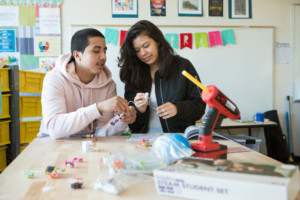
Building a Pathway Onramp: Transition Plan Design Guidelines
Transition planning is an intentional, organized, and coordinated process of guiding students with disabilities with education, experiences, supports, and services.
North Star Goal: Every Learner on a Personalized Pathway
Recent policies, commitments and initiatives at the state and national level are paving the way for new, effective pathways to skillful employment.