


Archive
component:how.climate-and-culture

Voices from the Field: Best Practices
By: Erin Gohl and Kristen Thorson. We can support our teachers and the work they do by valuing their perspective and insights, providing them with the resources specific to their students’ needs, and giving them the autonomy to respond to the variations in learning and circumstance within their classrooms.
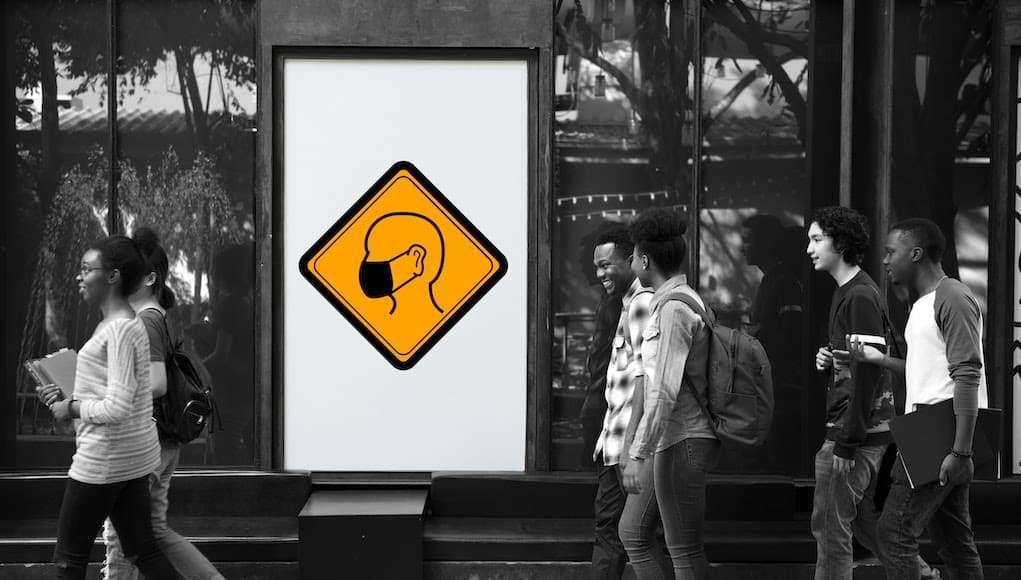
The Learning Must Go On
How even the coronavirus couldn’t stop agile Asian schools from functioning. With robust learning systems in place, it’s ‘business as usual.’
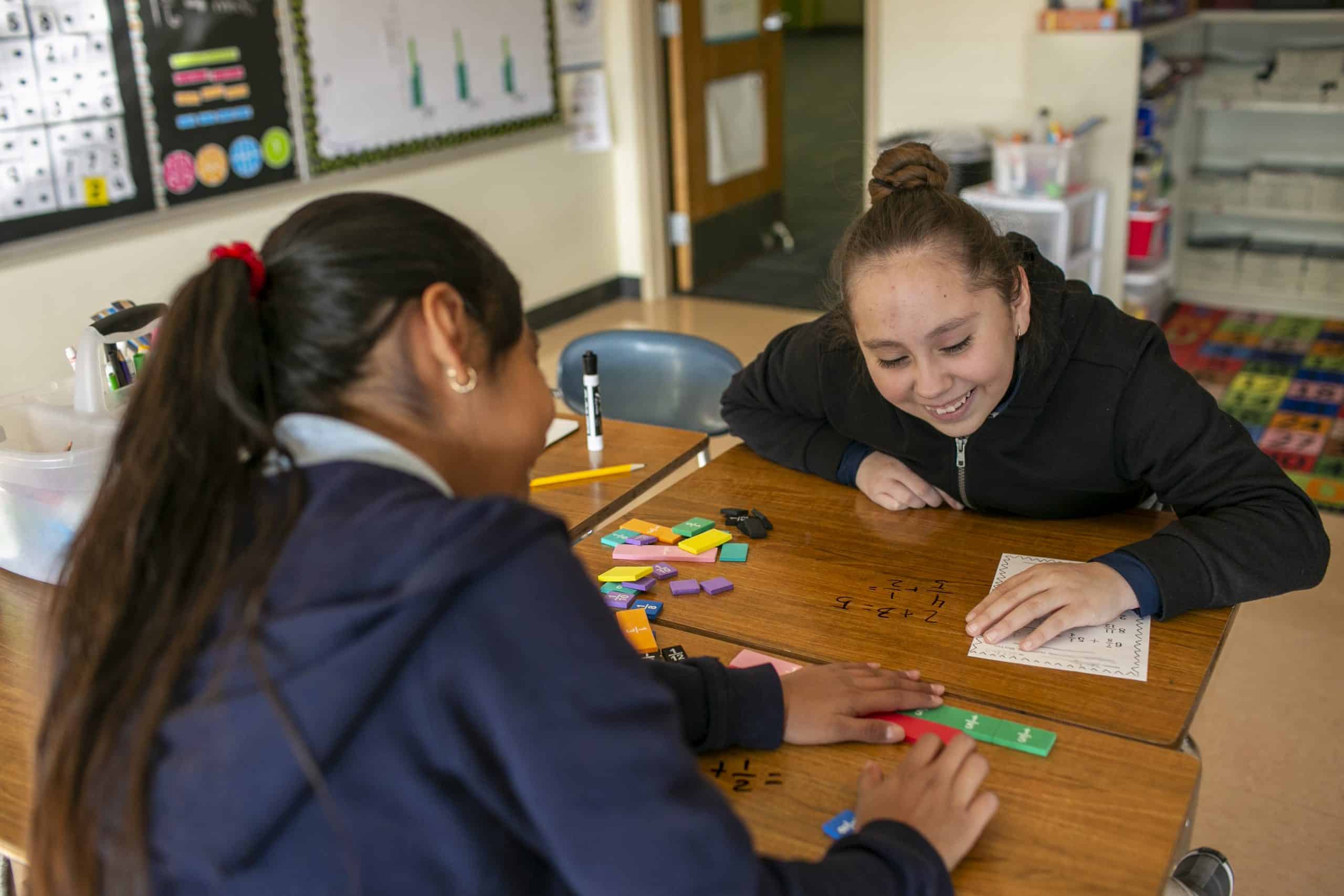
Creating Culturally Linguistic and Responsive Classrooms: A Place Where All Kids Belong
Culturally linguistic and responsive teaching in the classroom can create meaningful learning experiences for students.
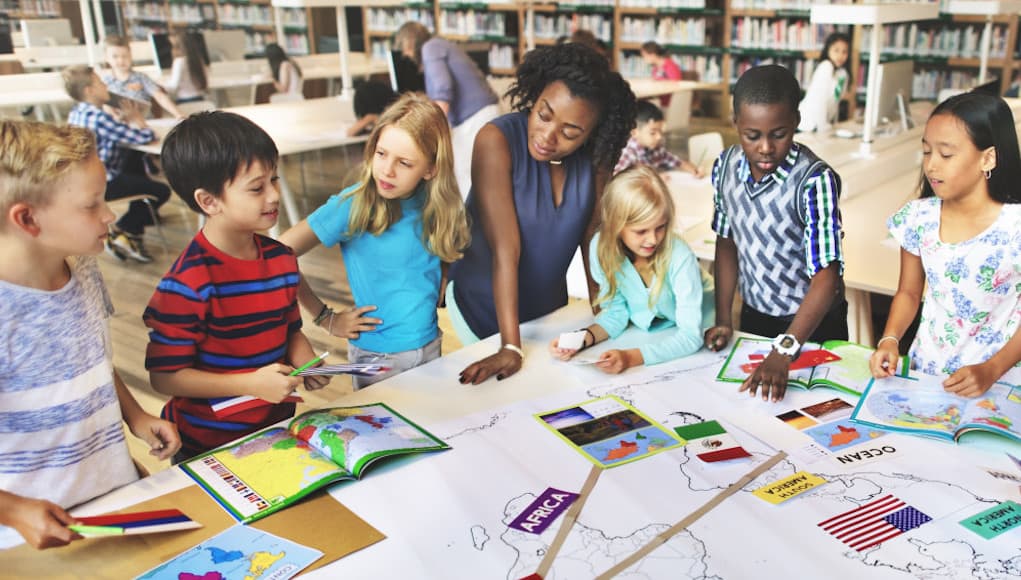
Building a Learner Variability Mindset
By: Tiffany Wycoff. LINC's Co-Founder and Chief Innovation Officer explains that to build a learner variability mindset, we must implement a new equation for teaching that includes strategically planning for variability beyond skill level.

How a Focus on School Culture Can Save the Teaching Profession
By: Dr. Arun Ramanathan. To improve the quality of public education, schools should recognize the potential of cultivating its teachers' work environment.
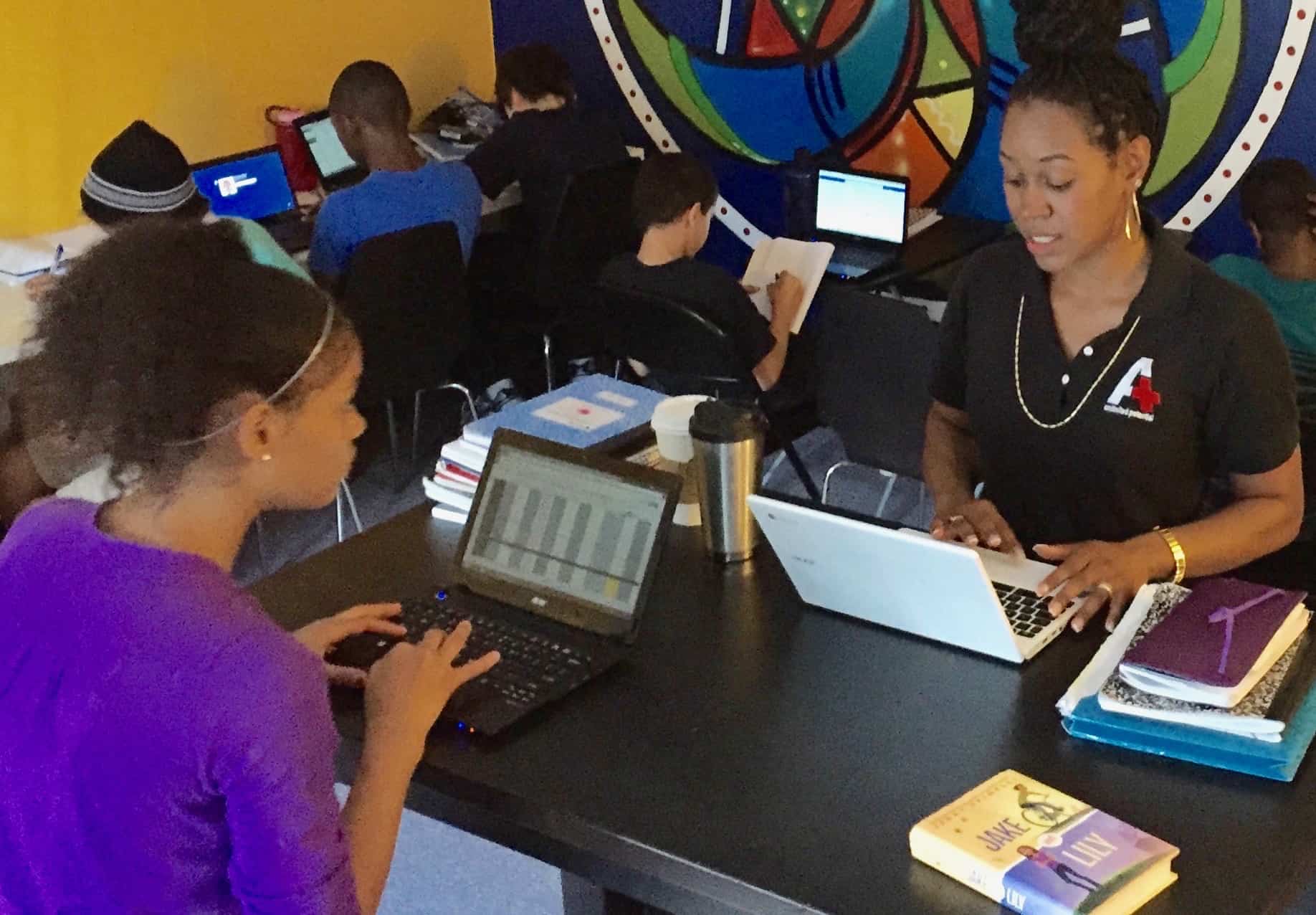
Getting Clearer: Culturally Responsive Pedagogy
Practicing culturally responsive pedagogy helps form communities of learners that care authentically, learn deeply and actualize fully.
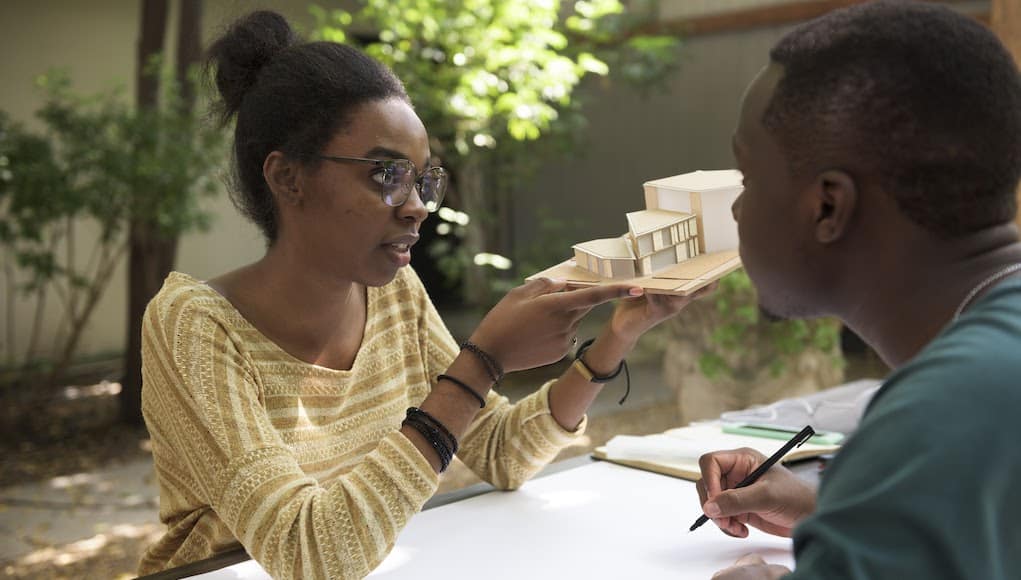
Getting Clearer: HQPBL As An Equity Imperative
By: D. Becton-Consuegra. PBL is a liberatory pedagogy. This is a call to action to be intentional in the ways we disrupt education inequities by using High-Quality PBL practices.
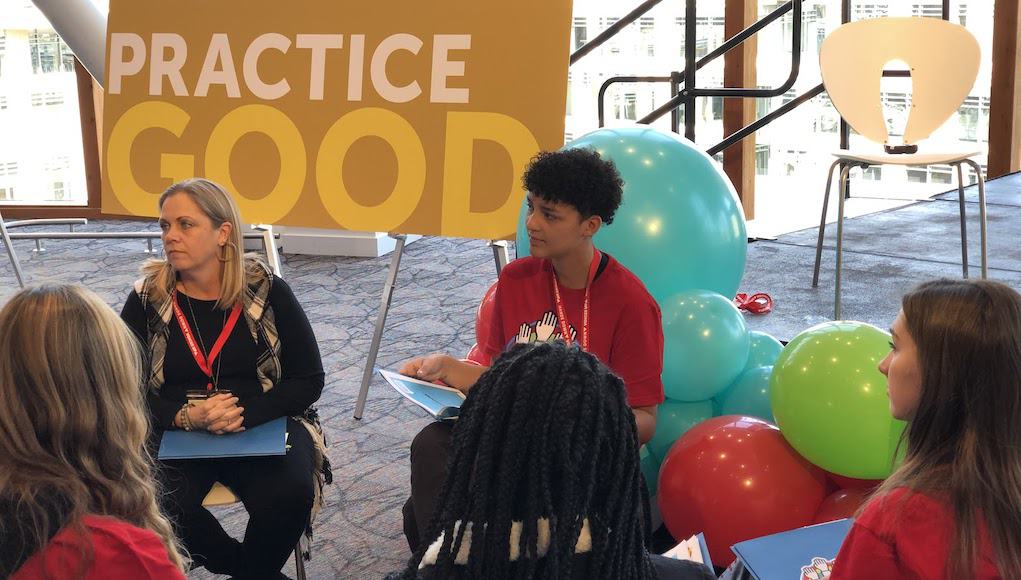
The Case for Contribution: Why Schools Should Empower Difference Making
In the absence of a religious community or as a supplement for encouragement toward the common good, schools can support contribution with great benefit.
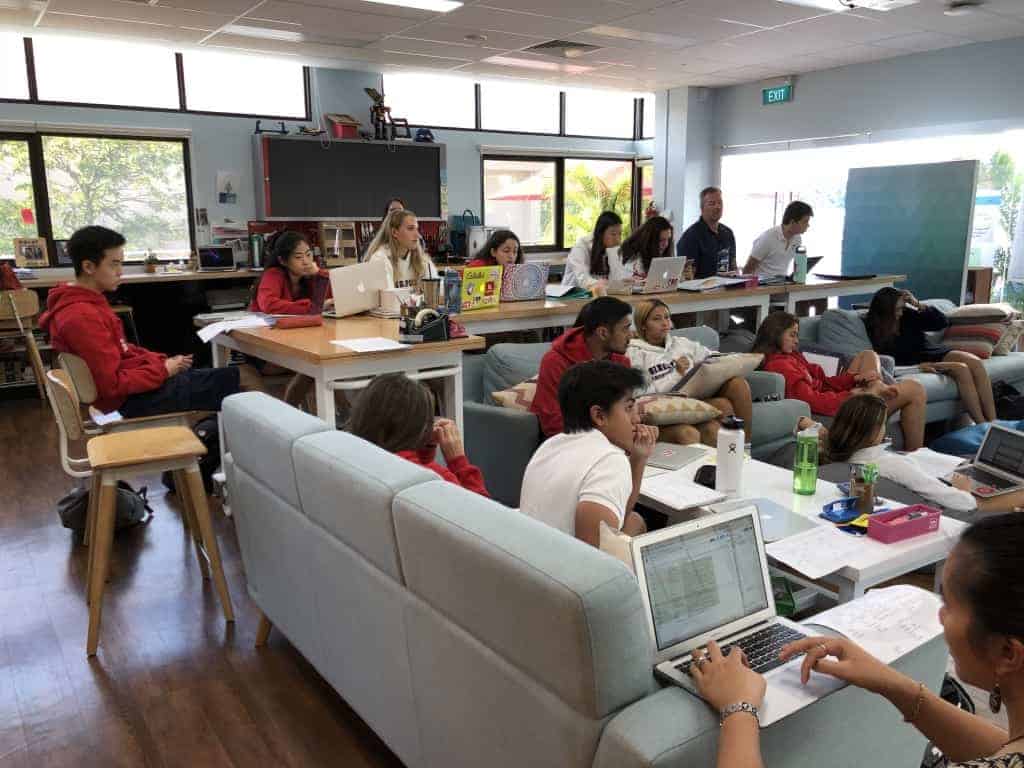
Alive With Possibility: 20 Tips for Creating Responsive Schools
Responsive schools create a culture of possibility for youth by giving voice to their interests today and exposing them to opportunities for tomorrow. They enable success in what’s next—in work, learning, and community service.
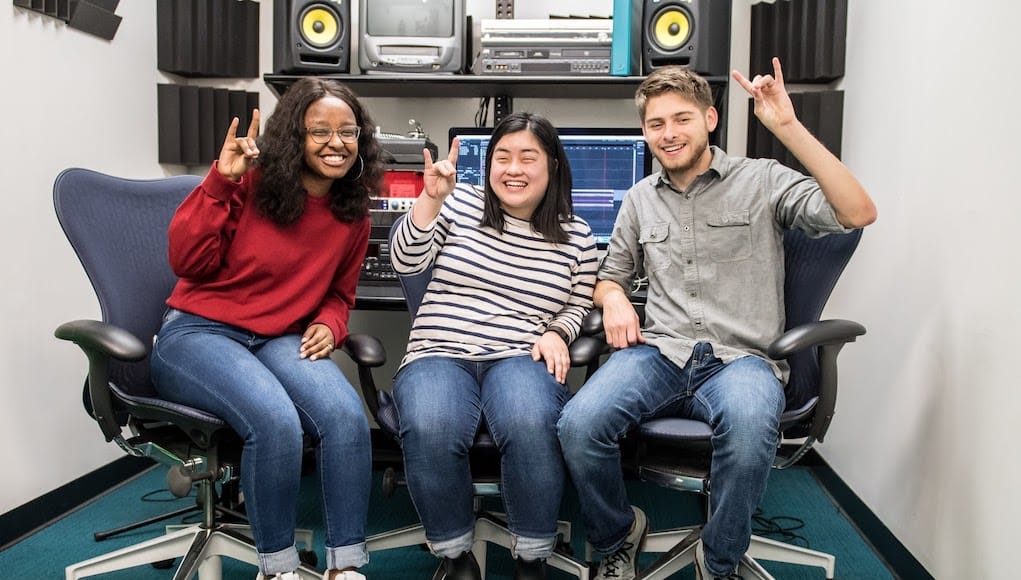
Centering Dialogue in the Classroom: It’s about WE, not ME!
By: M. Kokozos et al. Through enabling dialogue, educators shift their classroom climate from one of competition to one of cooperation, respect, authenticity and openness.