


EdTech
EdTech
The First Question: What Resources Are Teachers Using?
The first step in a digital conversion is to find out what’s actually happening in classrooms. What instructional materials are teachers using—and not using? What promotes engagement? What is easy to deploy—and what is a pain?
EdTech
i-Ready Math: Adaptive Learning for K-8 Math & Reading
Made up of two main components—an adaptive diagnostic and instruction that includes both student online and teacher-led instruction and mobile apps, i-Ready provides an engaging and visually appealing approach to learning.
EdTech
Canvas by Instructure: The Perfect LMS? Quite Possibly
Occasionally, things are not “too good to be true.” They are just that good and that true.
EdTech
New- Google Classroom This Fall
Today, Google announced that using Google Apps for Education is going to get even easier to manage- this September, Classroom, the new learning management system developed by Google themselves will be available.

EdTech
Get Rolling with SPRK Programming Curriculum
The SPRK curriculum is built on the belief that “play is a powerful teacher.” And rather than teaching students about programming by having them write lines of code on a computer, SPRK puts a Sphero and an iOS or Android device in students’ hands...

Personalized Learning
Creating Innovative Ecosystems
By: Alex Hernandez. When it comes to education innovation, all cities are not created equal.
EdTech
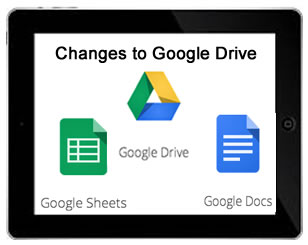
Changes to Google Drive on an iPad
Earlier this week, Google took away the ability to create and edit documents in the Google Drive app and turned the Google Drive App into a place to access and view resources that are stored in the cloud. Along with that, Google released two new free apps, Google Docs and Google Sheets.
EdTech
Google Apps Summer Camp: Calendar
Here are a few ways that you can start using Google Calendar to further enhance and streamline your work at the district office, at your school, or in your classroom without much more of an investment than just getting started.

EdTech
10 Spring Cleaning To Dos for Your Digital Abode: Part II
As you tackle your spring cleaning list, don’t forget your digital life! Then when you have rested and disconnected for a bit, you can come back to a clean digital abode and do work that matters.
EdTech
EdTech 10: Happy May Day!
It’s May Day! We’re going to work hard this May Day to celebrate all the great spring EdTech news popping up.