

Data Science

EdTech
How We Increased Teachers’ Data Use Without Data Overload
By: Debbie Clark and Stephanie Williamson. The problem is not that schools aren’t collecting enough information about student performance. It’s that teachers have too much data. It’s overwhelming for them. They don’t know what data points to focus on—and they don’t have time to be combing through massive amounts of data to figure out what students need.

EdTech
Data Interoperability: Applying Playground Principles to EdTech
Share. Play nicely together. Get along with others. For most of us, these lessons are imparted at a tender and impressionable age in order to lay the groundwork for our development into successful adults. Why doesn't data work this way?

EdTech
Not Much New in EdTech in 2017; 3 Things Could Change That in 2018
Despite more global investment in EdTech, not much happened in 2017. Here's a look at where the innovation is happening and two issues that could use more attention from public private partnerships--a barrier and an opportunity.
EdTech
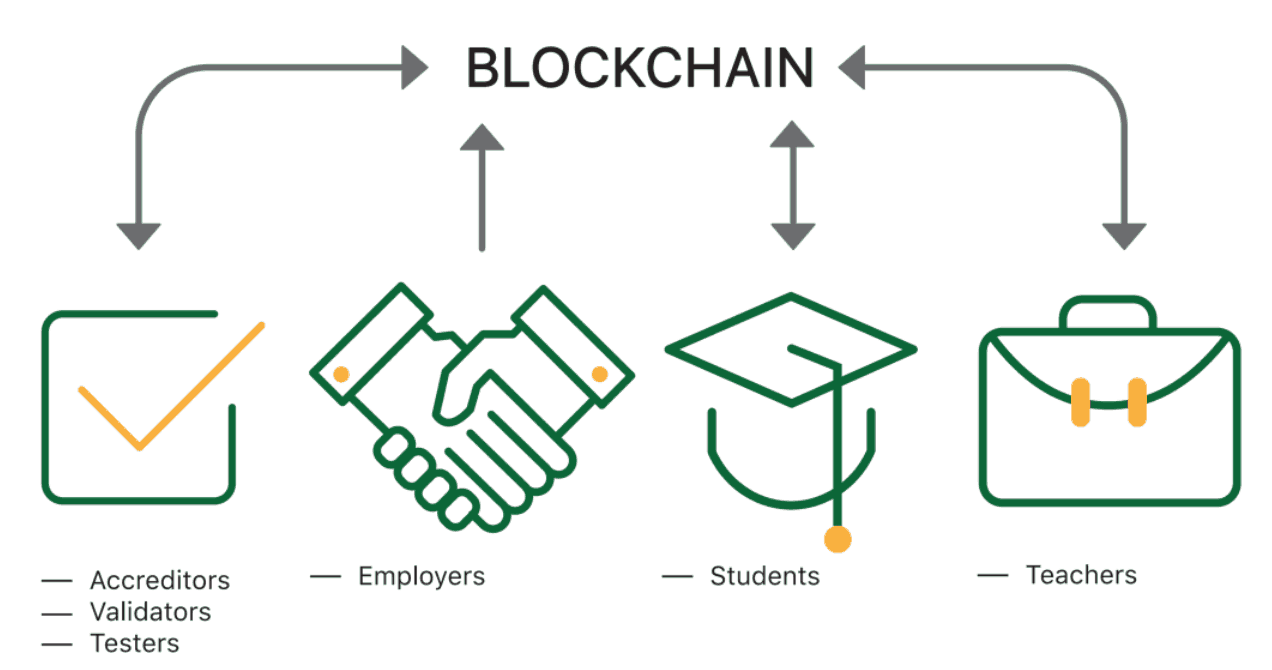
How Blockchain Will Transform Credentialing (and Education)
While still in it's infancy, Blockchain has the power to transform education by increasing learner ownership and control over data, reducing institutional data costs, ending paper based certificates and more.
Network Effect
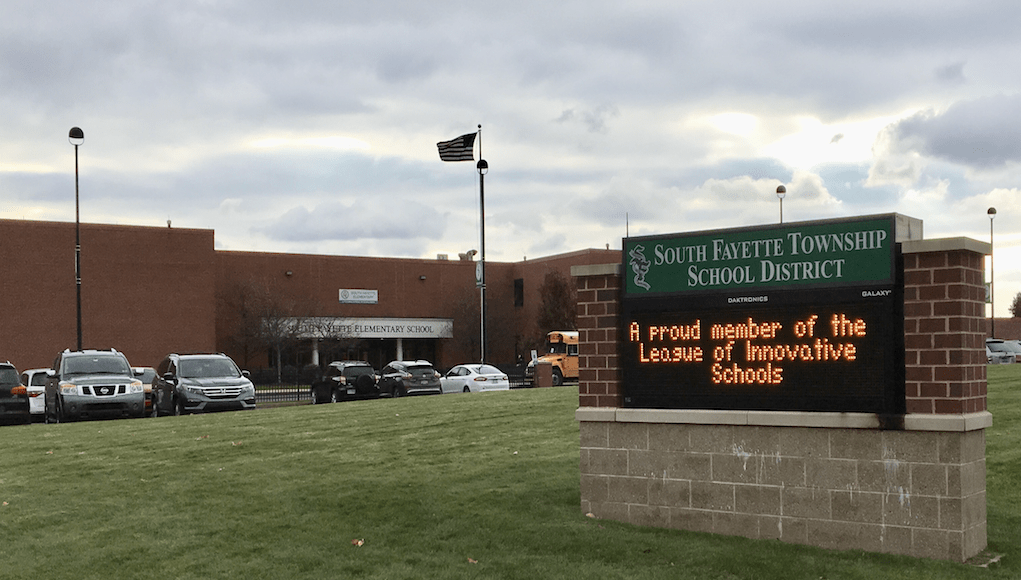
South Fayette Schools: A Computational Carnival for Kids
What do you get when you combine a makerspace, science fair and coding bootcamp? South Fayette School District, the best example of integrated computational thinking we’ve seen in K-12 education. Learn more in the second entry of our 6-part #RemakeLearning series here.

EdTech
Data Interoperability in K-12: A Teacher’s Perspective
By: Brett Emerson. In my district, we have inconsistency among the applications we use for intervention and monitoring student progress. Even now, parents still don’t know how their child scored on last year’s standardized tests. Data interoperability could help.

EdTech
Skip Coding, Teach Data Science
While there is high demand for coding skills today, artificial intelligence will increasingly take over routine coding jobs as it grows in sophistication. The longer term and larger employment and impact opportunities for today's students lie in data science.

Equity & Access
Closing The Achievement Gap With The Power of Data
The Education Equality Index (EEI) site recently released its national data analysis findings, providing insights from high achieving schools that could help close long-standing achievement gaps for students from underserved communities.

EdTech
Getting Smart on Data Interoperability
This Smart Bundle features case studies from the perspective of educators and administrators, as well as a series of profiles that share how companies are thinking, planning and guiding their product development process to address these user needs.

EdTech
10 Questions Worth Asking to Help Every Student Succeed
Tom shares three trends and 10 questions to ask that were discussed at the Education Writers Association meeting.