

Smart Planet
The Smart Planet series seeks out stories from educators and organizations (around the world) addressing social justice, civil rights and equity. Find out how leaders are teaching in light of these new challenges. Move beyond collection of resources to actually doing.
Leadership
What do Globally Competent Students Look Like?
By: David Young. In education, global competitiveness can be characterized as the set of skills and factors that support individuals’ personal and professional productivity in their communities and in the world. Being globally competitive today requires developing global competence.

EdTech
On Learning, Productivity & Economic Growth
Advances in public health, improved economic opportunity, urbanization, technology innovation, or the expansion of democracy are all important trends. But I’d argue that, with some relation to all of these, expanded access to learning is the most important.
Personalized Learning
One Good Question: How Countries, Communities and Schools Prepare Youth for Global Citizenship
Tom answers in what ways do our investments in education reveal our beliefs about the next generation’s role in the world? And, how much does the next big tool matter for lasting academic outcomes for all students?
Leadership
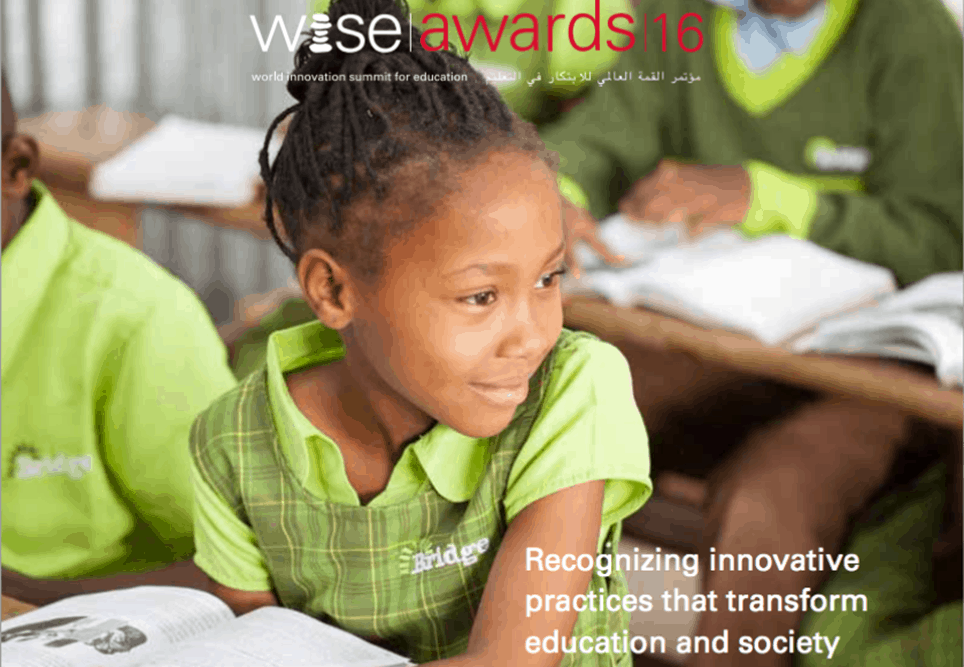
WISE Awards are Building the Future of Education Worldwide
Every year the WISE Awards recognize six cutting-edge projects that successfully address today’s educational challenges and demonstrate a strong positive impact on individuals and communities globally.
Leadership
Diversifying Global Education to Diversify Global Leadership
The impact of international education is profound and this is what drives the work to build a network of study abroad public high schools that provide students from historically underserved communities access to education overseas.
Series
Innovations Creating a #SmartPlanet
At two recent regional EdTech conferences (#NYSCATE15 & #GAETC15) I’ve had the good fortune to discuss world changing innovations with hundreds of forward-leading tech-savvy teachers. What I asked them what innovations would boost global learning, here’s a few of the responses.
Leadership
Strategies for Engaging Global Learners
By: Yumi Kuwana & Dana Teppert. We need to prepare students to live and work in an increasingly interdependent world marked by interactions with diverse cultures, rapid change, and complex global challenges for which easy answers do not exist.
EdTech
Smart List: 365 World Language Innovators, Champions and Resources
The following list outlines examples of schools, districts, and leading voices around the country re-imagining language learning, including the rapid growth of dual language immersion. This Smart List features 365 World Language Innovators, Champions and Resources.
Personalized Learning
Smart List: 366 Global Innovators, Networks, Resources, and Champions
The 3rd Annual Smart Lists continue with 366 global ed changemakers and innovators shaping the future of K-12 education that includes resources, global ed champions, global voices to follow on Twitter and more.
Personalized Learning
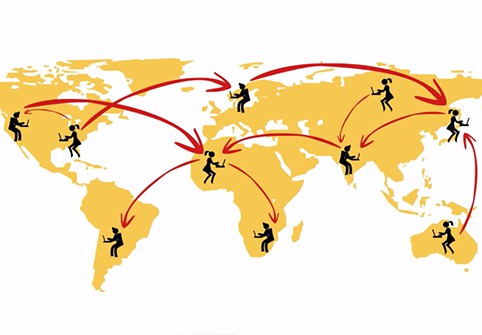
4 Projects for Building Global Connections
We can begin a practice of global education first by leaning in, then making friends, sharing passions, and collaborating to take action about what matters.