

Competency-Based Education
Social Emotional Learning (SEL) is the deliberate commitment to including a framework of essential skills and dispositions that complement academics but historically have not been a part of curricular design. Learners acquire and effectively apply the skills necessary for self-regulation or managing and talking about emotions, forming relationships, setting goals and demonstrating empathy during their learning.

Emerson Collective's annual Demo Day brings together thinkers, innovators, and change-makers for a day of dialogue and celebration.

We can create the best learning environment for students if we take the time to reflect, reconsider and reimagine our teaching practices.
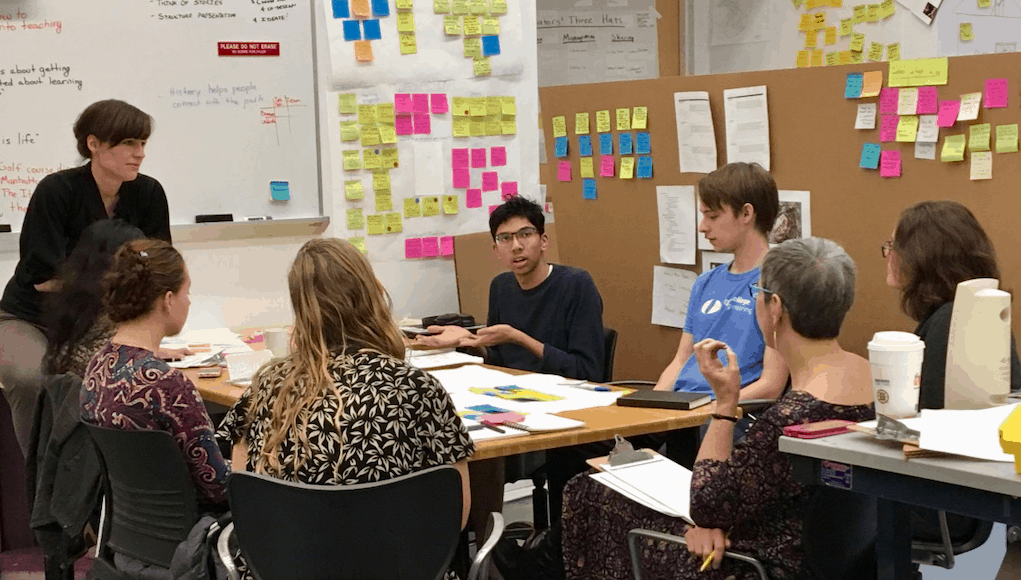
Strengths and interests dominate our career choices, but what would happen if we added effective altruism in the mix?
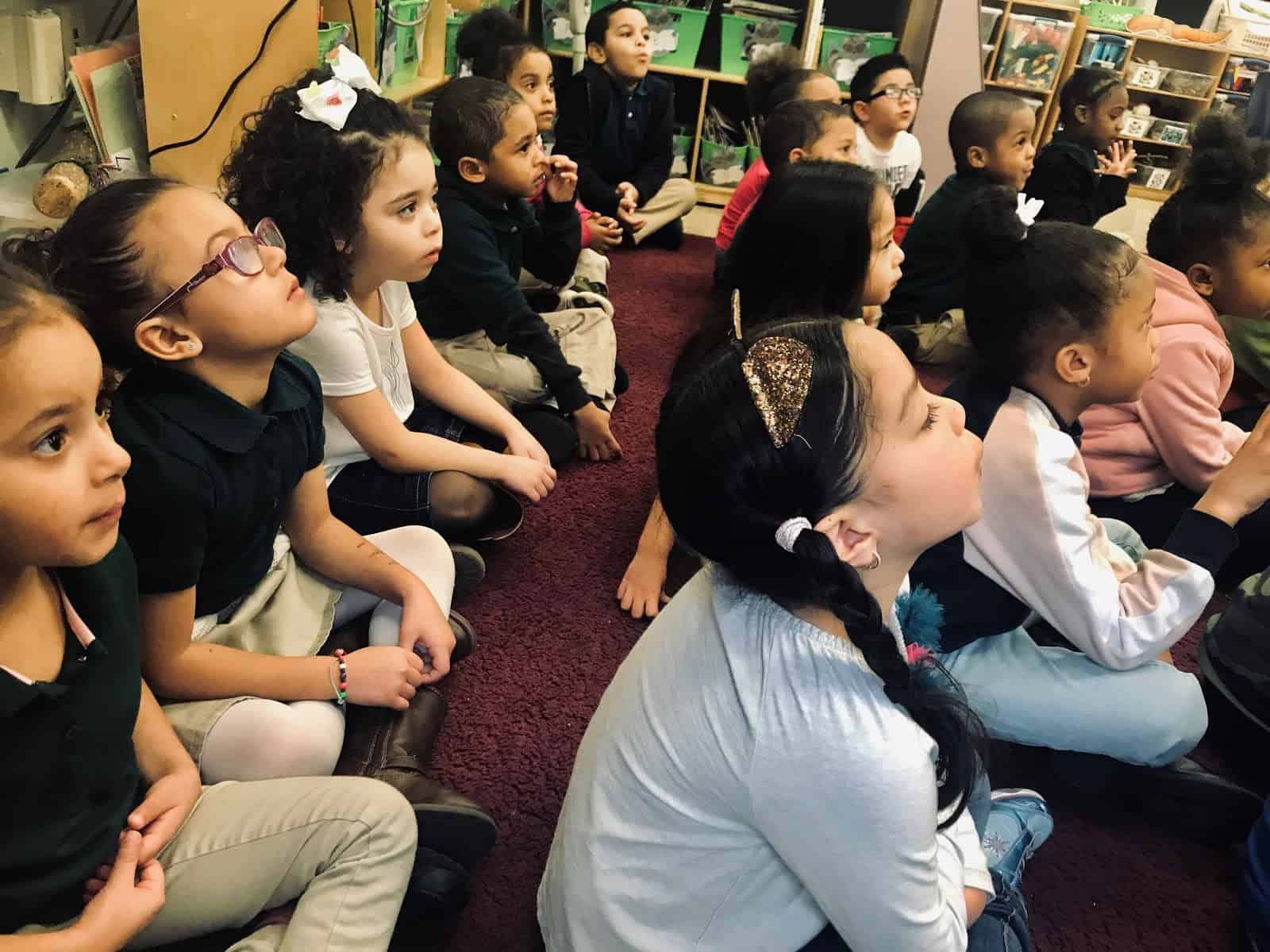
By: Liz Pitofsky. Service Learning Project (SLP) explains how they engage youth in organizing projects to solve problems in their schools and communities.

By: Dr. David R. Schuler. A superintendent shares his district’s innovative approach to preparing students for the jobs of the future.

The art of reflection lets us evaluate our actions for more impactful teaching and learning. These five ideas can help make reflection part of your routine.

Work experiences can be as important as formal education (high school and college in particular) in terms of shaping career preferences and readiness.
Getting Smart is grateful for educators around the world that promote student-centered learning experiences. We’ve compiled 20 teacher behaviors that are making a positive impact in the lives of students and saying thanks.

Exploring different ways of communication can help students develop the solid communication skills needed for the future of work.
Current math instruction discourages some students from attending and completing a degree and gaining meaningful employment.