

Project-Based Learning
(PBL) is an instructional approach where traditional, direct classroom instruction and tests are replaced by authentic, often interdisciplinary projects, usually designed by the student with guidance from instructors/coaches, addressing real-world problems as the assessment instead of a test. It also is closely related to deeper learning, challenge-based learning, interest-based learning and more.
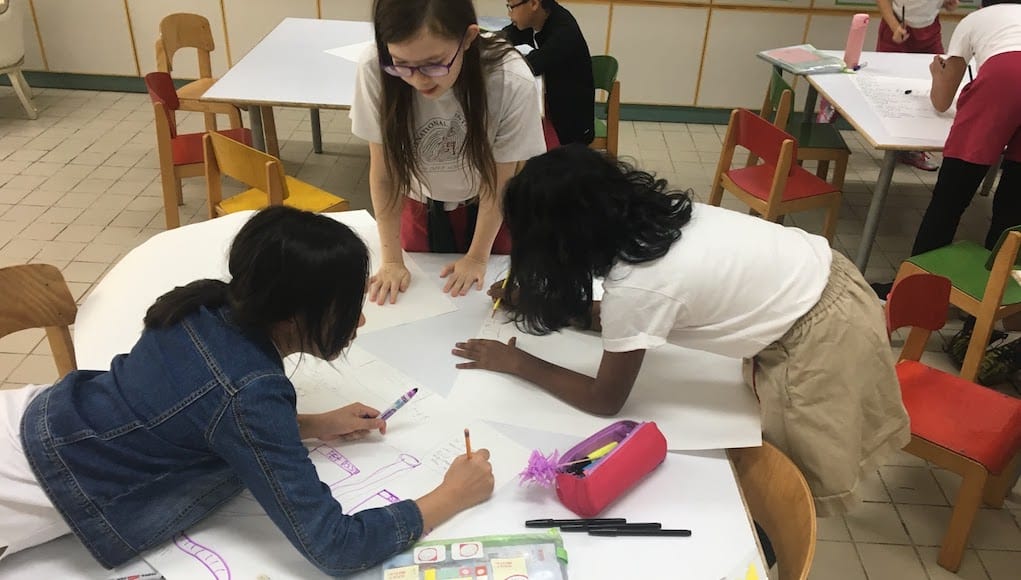
How to Give Students Future-Ready Skills Through Community Service
With community-engaged projects, students learn to solve problems, think creatively, manage uncertainty, and most importantly, how to coordinate and work with others. According to The World Economic Forum, these are the same top 5 future skills needed for 2020.

4 Ways to Build a Better Schedule
By: Erin Werra. Dr. Ashanti Bryant Foster once said, “A master schedule must be built with the same level of care and attention as a new home where a family will spend the next 20 years growing together.” No pressure, right?
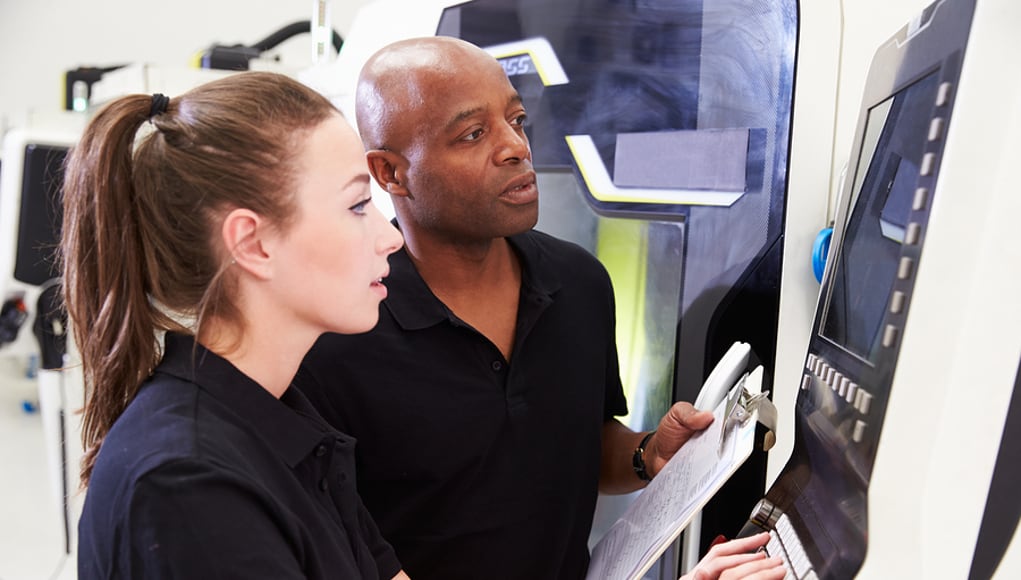
The Future of Education Includes Learning Outside of the Classroom
If students work tirelessly on academics in high school and college, they may experience shock when they try to find their way in the working world. We can make this transition easier by fostering these work skills outside of the classroom as early as possible.

George Saunders On Learning to Write–and Writing to Learn
George Saunders might be the most critically acclaimed contemporary American author. He has inspired thousands of young writers with his writing and teaching. Tom recently caught up with him to learn more about his approach to teaching and writing.

Collaboration: Key to Successful Teams and Projects
By Tom Vander Ark and Emily Liebtag. Collaboration is key to successful teams and projects. It is sometimes thought of as a “soft skill” but in high-performance organizations, collaboration is the result of the intentional design of culture, structure, and tools, and the cultivation of individual mindsets and skill sets.
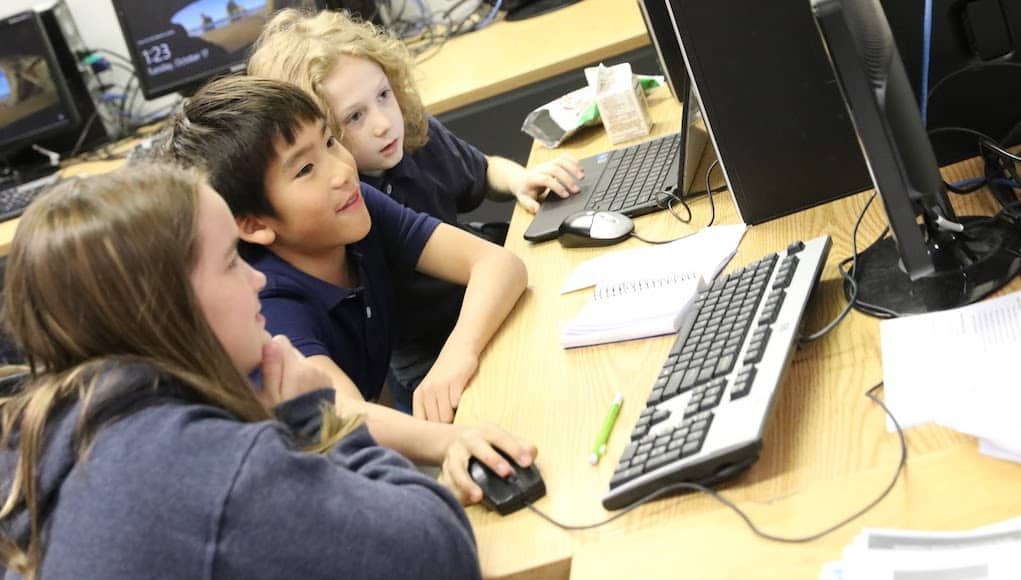
Cybersecurity: A Promising Approach to Integrating CompSci and PBL
To maximize the benefits of computer science education, we should be looking for ways to bring it into authentic PBL--but that is an undeniably tall order. One way is through data science. Another, it turns out, is through cybersecurity.
Preparing Students for Future Work: What is the Gig Economy?
We can help prepare students for the new gig economy by offering more opportunities for them to explore and create, through opportunities to not only explore the types of jobs available but also job shadow to learn firsthand, the qualifications and skills that may be necessary.

The Problem With Responsible Students
Students with agency, on the other hand, are not responsible in the sense that they have embraced the agenda of the adults and comply with it, rather they are reliable and cooperative in pursuing their learning.
The Student Role in Formative Assessment: How I Know Practitioner Guide
One of the key distinguishers of formative assessment lies in the relationship between a student and teacher in the shared ownership of assessing what students know and are able to do. This guide can help practitioners of formative assessment develop and hone that shared ownership.

Fueling a Vision of Student-Centered, Personalized Learning through Student Voice
My challenge to myself - and to all of us - today is to ask a handful of kids these two important questions: What do you want to learn? What do you want to do?