

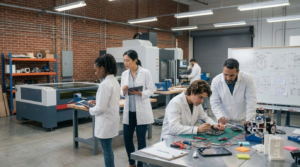
Future of Learning
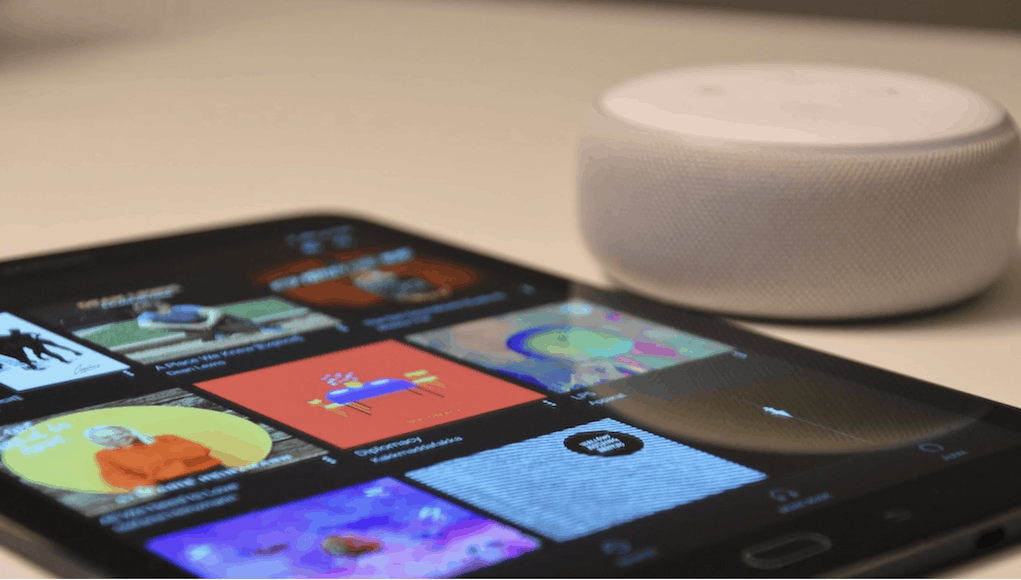
Students Use AI Virtual Assistant to Prepare Peers for High School
Students at David E. Williams Middle School use an AI Virtual Assistant to help students prepare for high school.
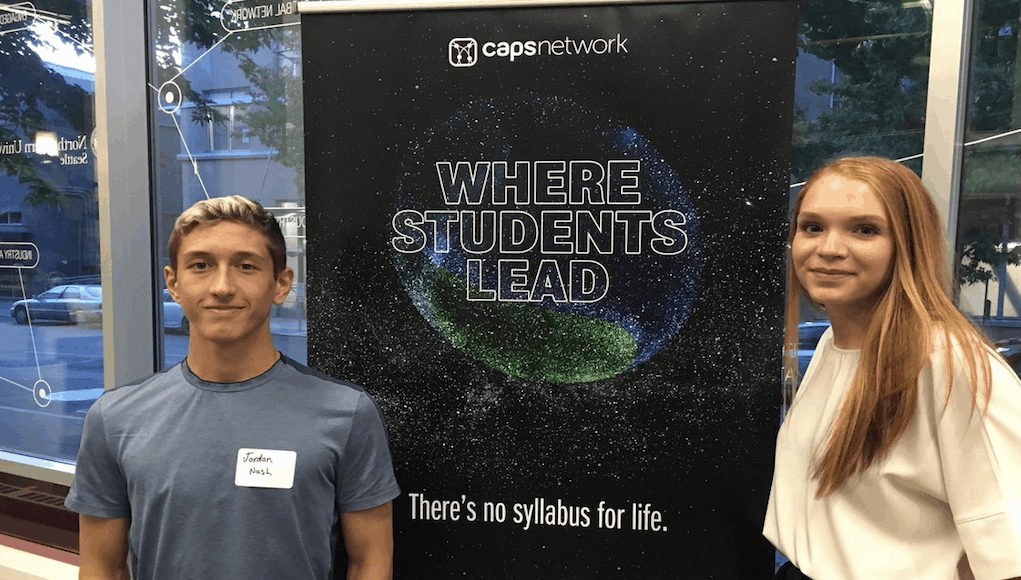
#IRL: 20 Tips for Real Life Learning
Join Tom Vander Ark on the blog as he outlines 20 tips on how to boost engagement and relevance with real-world learning.

OECD Learning Compass 2030 Provides Teachers, Students, and Employers with Milestones for Workforce Success
OECD Future of Education and Skills 2030 used inputs from policy makers, researchers, school leaders, teachers and students from around the world to create Learning Compass 2030, which aims to build a common understanding of the knowledge, skills, attitudes and values students need in the 21st century. We analyze the report and provide guidance on how this will impact teaching and learning for the next decade.
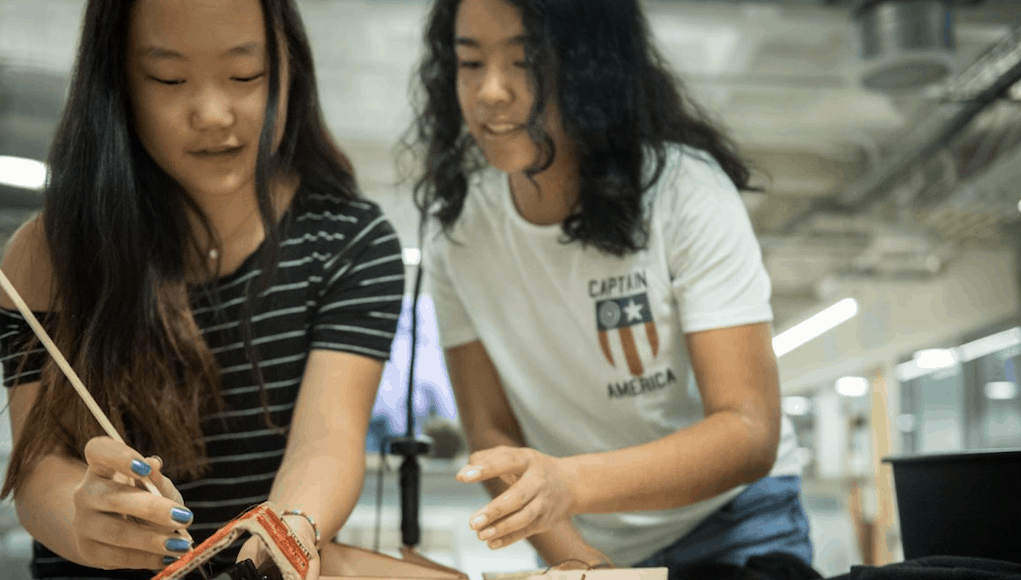
Why Schools Need Research and Design Space
Join Tom Vander Ark on the blog as he explores Beaver Country Day School's Research + Design Center, a state-of-the-art innovation hub designed to promote student-driven learning.

Space Education Allows Students To Dream Big
We are a few weeks away from the 50th anniversary of Neil Armstrong’s historic moon walk. Celebrate the event by engaging your students in projects, lessons, activities and field trips focused on space exploration.

Taking the Guesswork Out of Science
By: Regina Ahmann. Technology is increasing the accuracy of science experiments and putting the power of data, information, and insights into students’ hands.
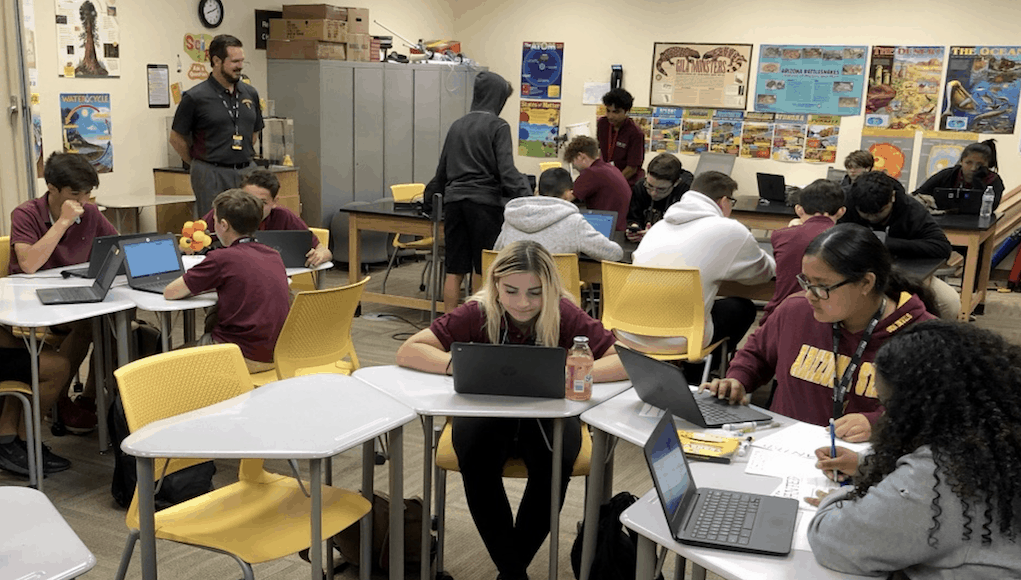
ASU Prep: Blended College Prep with a Little Extra Kick
The Getting Smart team had an opportunity to visit two of the six ASU Prep Academies. Learn more as we share insights on ASU Prep Casa Grande, Prep Poly and their approach to personalized learning.

Why Math and STEM Education is a Social Justice Issue
By: Dr. Gina Cherkowski. Emphasis on mathematics as a driver for high-quality STEM and its translation to life is a continued element of learning design. Join Dr. Cherkowski as she unpacks multiple angles to include social justice, equity, assessment of growth and opportunity.

Thinking With Your Hands
As children think with their hands and represent their thinking through the arts, they can make sense of science, technology and engineering.

Why We Should Test English Language Learners in their Home Language
By: Adam Withycombe. Assessing kids in their first, or home language is a better pathway to provide every student an equal opportunity to demonstrate what they know and what they’re ready to learn next.