


Archive
element:why

Designing at the Margins
At 4.0, designing at the margins means engaging founders in how identity intersects with equity and centering the unique needs of the community they wish to serve.
Talk About It: Why Asking Questions and Sharing Ideas is a Core Part of Starting a School
Dr. Eric Oglesbee discusses key tips for how to open and lead a new school.

Video Insights – Start the School Year Strong
Eden Park Elementary School teachers foster a strong start to the school year, emphasizing student involvement in creating shared expectations and a community-focused learning environment.

Know Thyself: Your Values Are Your Compass
When you affirm a core personal value, you shore up your sense of self-worth. You broaden your perspective: Instead of zooming in on your inadequacies, you switch to a wide-angle view that includes your resources and opportunities.
Challenges and Opportunities
Credentialing has the potential for massive impacts in the education sector. Here are some of the challenges and opportunities shaping this impact.

How Teacher Beliefs Transform Student Outcomes: The Impact of Collective Educator Agency
At AVID, we’ve learned that when educators believe in their ability to act and that their action will bring about the desired outcome, they become even more efficient and effective. With collective educator agency, educators take intentional actions grounded in the belief that together, they can support all students in being academically successful.

Alter Ego: Using Values to Fight Peer Pressure
When our self-integrity is threatened even momentarily, we are more likely to conform to others who offer validation, even when their views are wrong, reckless, or hateful.

How Design Thinking Transforms Communities, One Project at a Time
Kyle Wagner and Maggie Favretti explore the What Ifs to the What Happens When in education and how design thinking can transform communities.
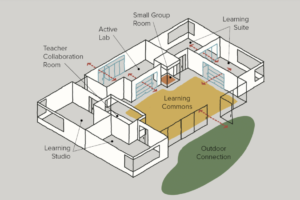
Learning Communities Change the Paradigm
Randy Fielding explores how Learning Communities are a Design Pattern that shapes a learner-centered spatial paradigm.

How to Co-Create Classroom Culture with Students
Turnaround for Children explores how to co-create classroom culture with students.