

Archive
component:where.networks
10 Innovations that Support Students’ Community Contributions
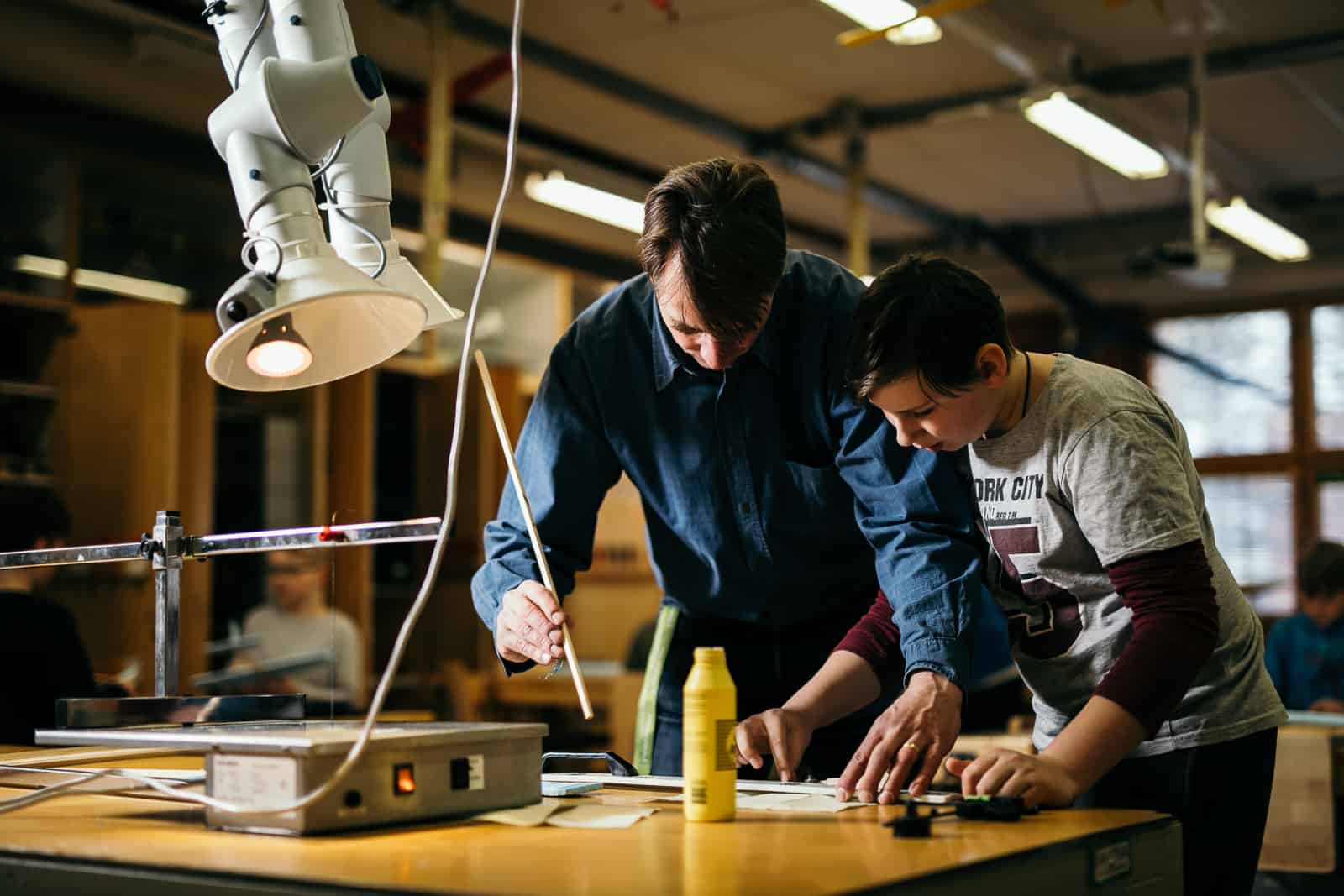
How many of us recall our elementary and secondary education experiences truly mattering outside the four walls of our schools? Surely our parents, relatives or neighbors saw some value in what we studied, but few if any programs focused on supporting students in community outreach and impact. Thankfully, that’s changing.
What’s Next in Learning? Four Future Trends
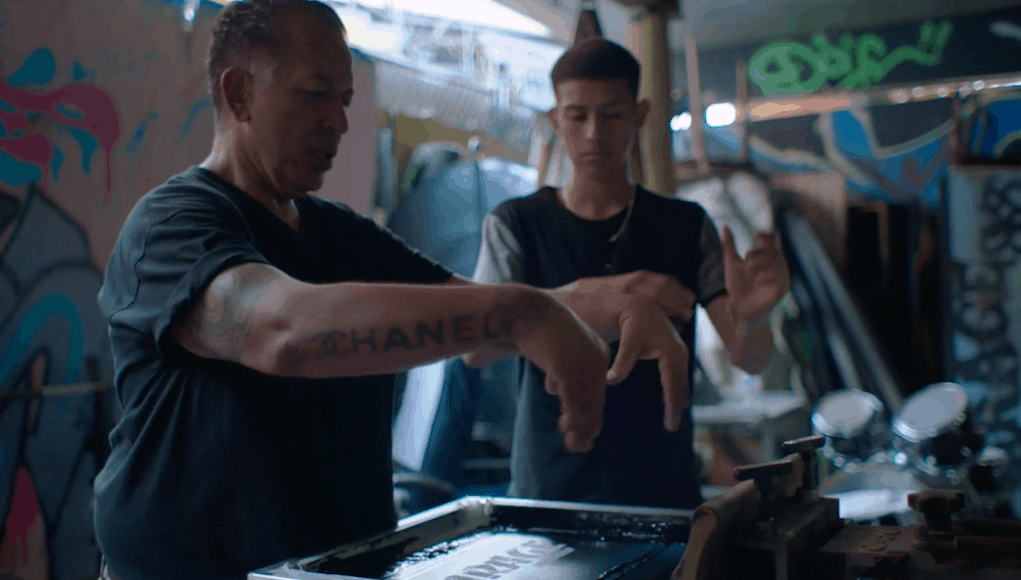
Imagine a platform that enabled you to access local and national opportunities from your smartphone or computer, a place where you can pursue your interests with mentors and peers, building new skills and habits wherever you are, whenever you want. LRNG, now part of Southern New Hampshire University, extends access…

Four Trends Influencing Education
A fitness tracker changed my life—it changed how I think about goal-setting and monitoring my exercise, it changed the intentionality of my travels, and it created a new global community of people who share my interests. I’m not alone; about a quarter of U.S. adults use some kind of tracker.
When NExT Is Now
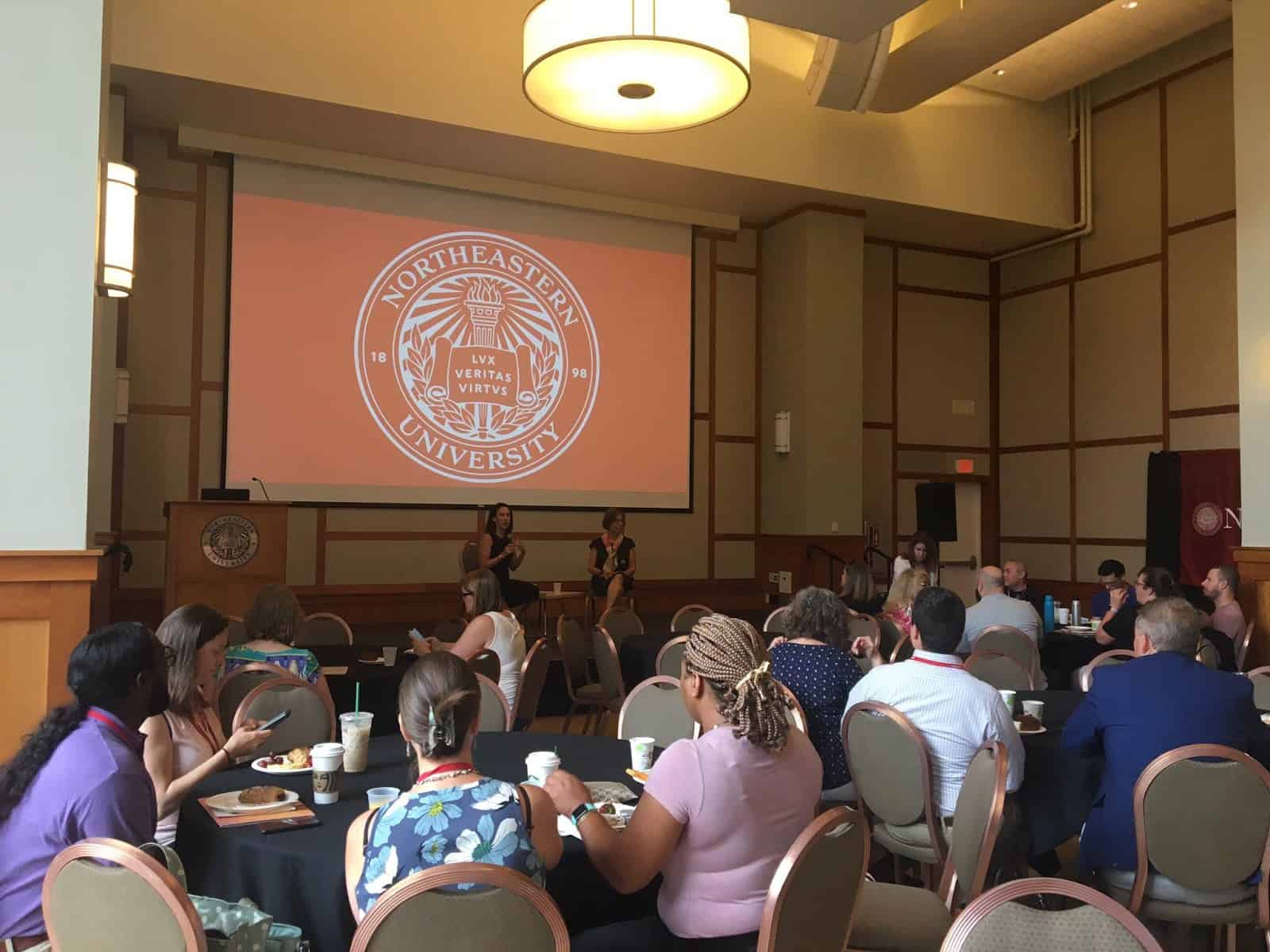
By: Lindsay Portnoy. How could we use experiential learning to reframe educational problems as opportunities and make learning more equitable globally? Over 100 educators representing thousands of educational settings across the country recently gathered at Northeastern Experiential Learning Network (NExT) to discuss this important question. The NExT…

Podcast: Connie Yowell & Paul LeBlanc on Extending Access to Higher Ed from Chicago to Rwanda
Today we speak with Connie Yowell, CEO of LRNG and EVP of SNHU and Paul LeBlanc, President of SNHU about the importance of the merger between Southern New Hampshire University (SNHU) and LRNG and how they are extending access to Rwanda.

Four Emerging Trends in Learning
Imagine going to school in a museum and studying real artifacts. Imagine a sustained relationship with an advisor who helps you figure out what you’re good at and care about, and where you can make a difference. Imagine high school students designing practical solutions to community problems. Visit an innovative…
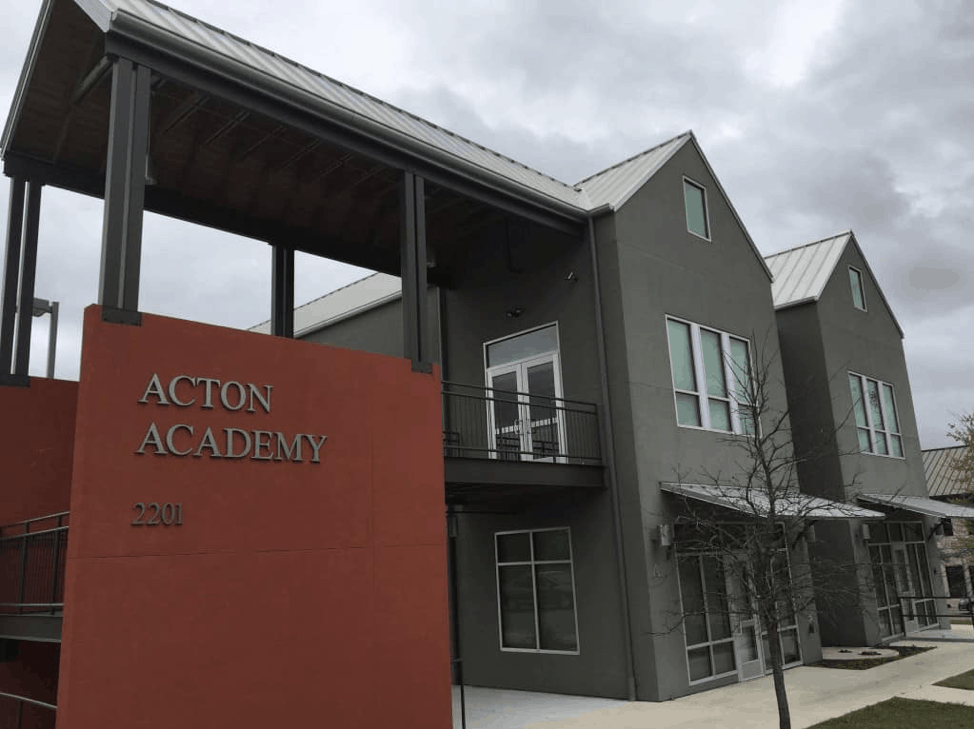
7 Ways Microschools Help Communities Innovate
What if you could start a school in six weeks instead of six years? What if you could launch a school for $50,000 rather than $50 million? What if you could test an innovation with 20 kids rather than 2,000? Microschools are popping up around the country. It may not…

Leadership Development and the Power of Networks at Philadelphia Academy of School Leaders
The Neubauer Fellowship in Educational Leadership, the signature program of Philadelphia Academy of School Leaders, has demonstrated success in providing support and a local network to school principals across Philadelphia.

Learning Platforms to Explore Over the Summer
Rachelle Dene Poth explores five learning platforms which can be used to facilitate learning and enhance experiences for educators, students, and their families.
#IRL: 20 Tips for Real Life Learning
Join Tom Vander Ark on the blog as he outlines 20 tips on how to boost engagement and relevance with real-world learning.