


Archive
element:what
The Future of Work: How Do We Prepare Our Students?
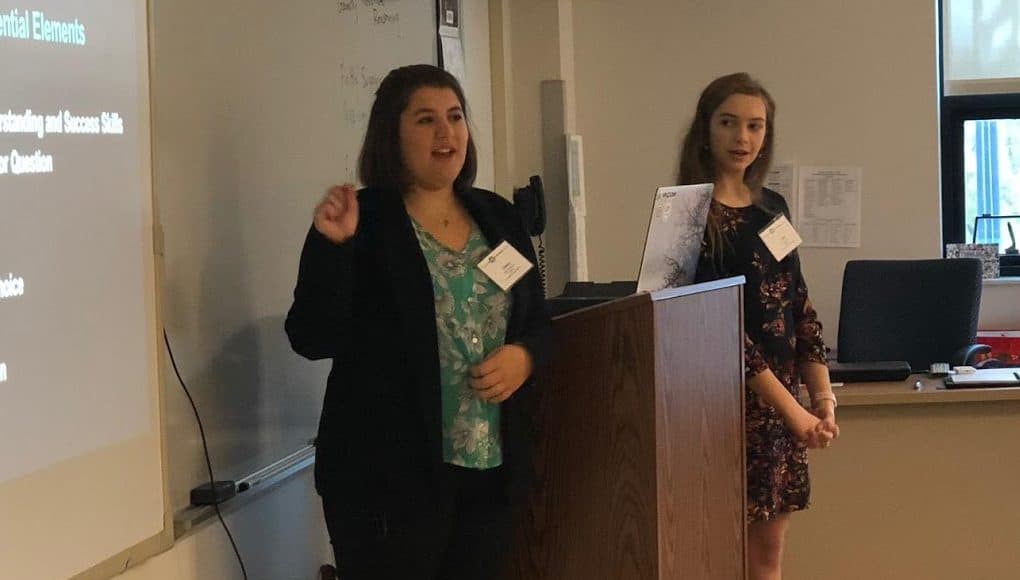
Acknowledging that today’s students will need a variety of 21st century skills upon entering the future workplace, Rachelle Dene Poth explores five types of learning experiences that facilitate the student learning process.
Organizing Your School As A List Of Courses Doesn’t Work for Learners
A list of courses will not help young people (in high school or college) find and begin to make their unique contribution. It’s time to move beyond the historical structures and practices what we inherited in education and start doing the right thing for kids.

A Pedagogy of Possibilities: Social Justice Delivered Through Literature and Writing
Developing a framework for a socially just school through literature and writing goes beyond the classroom to lessen apathy, enhance relationships and solidify student ownership.
Expanding Our Notion of Student Agency
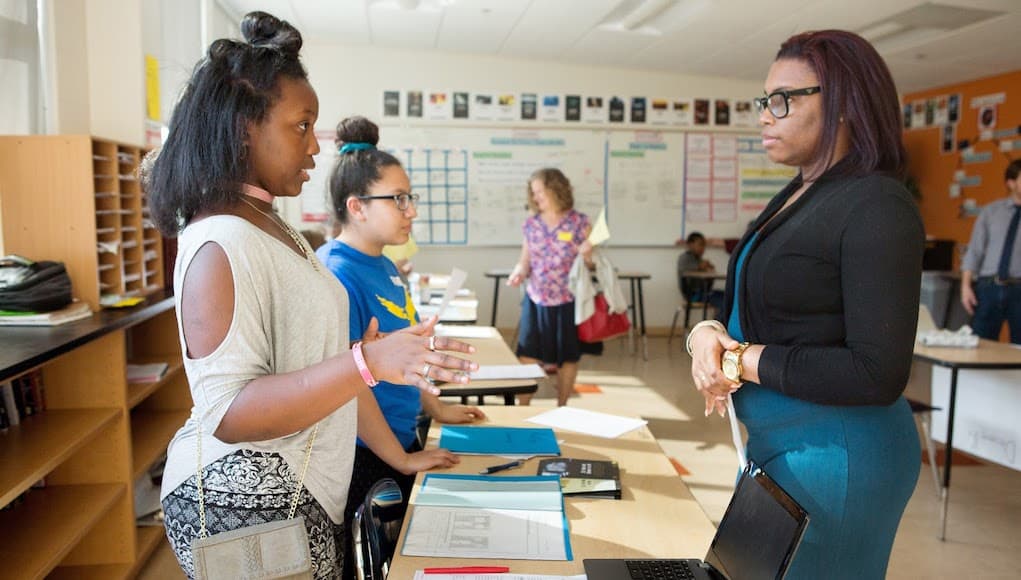
Student agency from a sociocultural perspective has as much to do with external factors that shape experiences and possibilities as it does with internal attributes. Read more from one of our regular columnists on why it's time to expand our notion of student agency.

Taking the Long View on Policies for Competency-Based Education
This new report provides a holistic look at the culture surrounding, and possible improvements for, current efforts to achieve competency-based education. Learn more here.

Minerva: The Intentional University
As a venture-based Silicon Valley startup, Minerva has developed slowly over the last seven years. As a new form of higher education, progress from concept to enrollment was lightning fast. Learn more about what sets them apart here.

What The Learning Sciences Tell us about Competency Education
By Bror Saxberg - With automated tools and instructional support, there’s never been a better time to be a “learning engineer.” Here's what data and science have to say about Competency-Based Education.

Competency-Based Education: Definitions and Difference Makers
By: Janice Walton and Mary Ryerse. Across the country, there is a growing movement to transition away from seat-time and move towards a flexible structure that allows students to progress in their learning after they have demonstrated mastery. Learn more here.

1 Question, 1 Challenge, and 11 of the Best Teacher Gifts
What is the perfect teacher gift? Well, it may just be the culmination of many. Here are 11 that don't come as part of the holidays.

The 5 Core Components of K-12 Entrepreneurship Education
Today's students need their curriculum and instruction - or rather their learning experiences and performance opportunities - to allow for ideation, virtual global collaboration, design thinking, transdisciplinary practices, adaptive thinking, and cross-cultural competencies.